Choosing the best paper cup machine in China requires more than comparing catalog prices. A reliable machine must deliver stable forming, accurate rim curling, clean sealing, and consistent output during long production shifts. Operators notice small problems first: uneven cup walls, leaking bottoms, loose handles, or paper dust around the mould.
The Paper Cup Machine Market continues to expand with demand from takeaway drinks, cafés, catering companies, and institutional buyers. Smithers’ report, The Future of Global Paper Cups and Lids to 2028, highlights continued packaging demand and the importance of material efficiency. Grand View Research also identifies convenience foodservice and sustainable packaging as major market drivers. These findings support a practical conclusion: equipment selection should match product requirements, not only advertised speed.
Chinese manufacturers offer many automatic and high-speed models. Some provide servo-driven systems, touchscreen controls, camera inspection, and reduced paper waste. Others compete mainly through lower purchase prices. That difference matters. A machine rated at 120 cups per minute may produce less when paper quality changes or operators adjust the mould incorrectly.
No machine is perfect.
This guide compares production speed, forming accuracy, energy use, maintenance access, spare-part availability, and technical support. It also considers certifications, factory testing, and real operating records. Data from manufacturer brochures can be useful, but independent verification remains necessary. Buyers should request sample production with their own paper, cup sizes, and coating materials. The best Chinese paper cup machine is not always the fastest model. It is the machine that maintains safe, repeatable performance after installation.
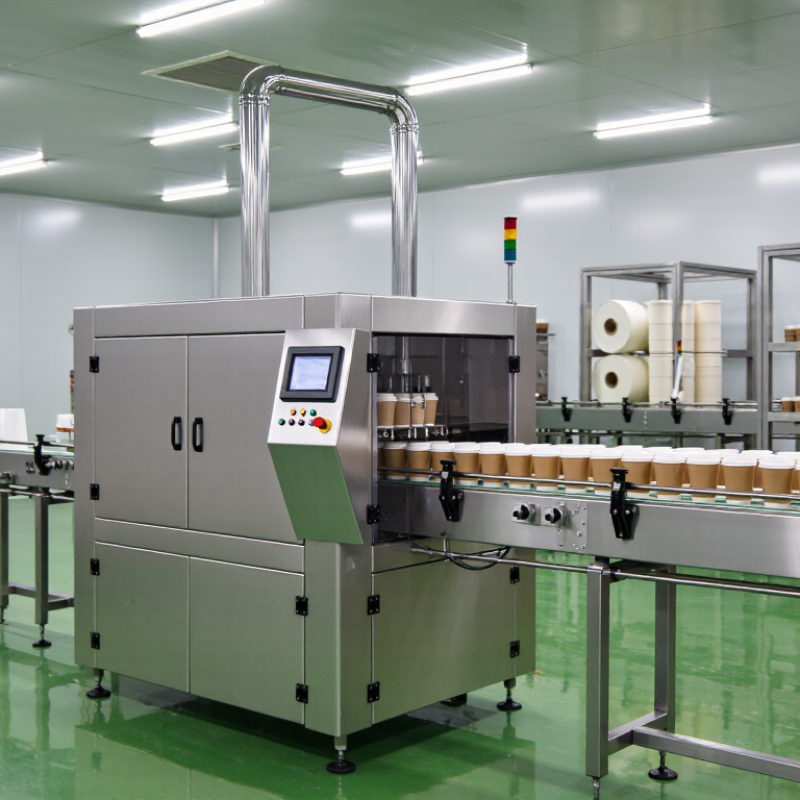
The best paper cup machine is not always the fastest model. It should produce stable cups during long production runs. Consistency matters. A reliable machine forms the sidewall, seals the bottom, and rolls the rim without frequent adjustments. Operators should inspect sample cups every hour. They can check leakage, rim shape, paper alignment, and sealing strength.
From my experience, servo-driven feeding systems offer better control with different paper sizes. A strong forming system should handle small changes in paper thickness. The machine should also include clear controls, accessible sensors, and safety guards. Energy consumption matters in factories running multiple shifts. A practical design makes cleaning and mold changes quicker. Small details matter.
The supplier’s technical support is equally important. Buyers should request test videos, production samples, and records from similar applications. Food-contact materials must meet applicable safety requirements, and certificates should be verified independently. Spare parts should be available without long delays. I once underestimated operator training, and minor setup errors caused uneven rims. That mistake showed me an important lesson: machine performance depends on both engineering and daily operation. A thoughtful buyer should compare output quality, maintenance needs, training, and support instead of trusting one impressive speed figure.
The best paper cup machine depends on your daily output, cup size, and material structure. Small workshops often choose semi-automatic machines for limited orders and frequent size changes. They cost less, but operators must feed materials and monitor forming quality. This can create uneven rims during long shifts.
Fully automatic machines suit stable production lines. They usually connect paper feeding, sidewall sealing, bottom punching, heating, and cup forming in one process. A standard machine may produce single-wall cups for water, coffee, or takeaway drinks. Check actual speed, not only the number shown in a quotation.
Some buyers need double-wall or ripple-wall cup machines. These models add an outer layer for insulation and a stronger hand feel. They require accurate alignment, controlled pressure, and suitable paper thickness. Machines for cold cups may use different sealing settings from hot-cup equipment. Material compatibility matters.
High-speed machines fit large orders, but they need skilled maintenance and steady paper quality. Printing and die-cutting are often separate processes, so confirm the complete workflow before purchasing. Ask for sample cups made with your paper. A factory test is useful. Still, one successful test does not prove year-round reliability. Review spare-part access, training, noise levels, and cleaning time. The cheapest machine may become expensive when small faults stop production.
What Is the Best Paper Cup Machine in China?
When evaluating a paper cup machine, start with real production speed, not the number in a brochure. Run the machine for at least eight hours. Record actual output, stoppages, and rejected cups. A line rated at 120 cups per minute may produce only 95 after material changes and cleaning. Short trials can hide this gap. They often do.
Quality depends on stable forming pressure, accurate heating, and consistent sealing. Check cup walls under bright light. Test the bottom seal with water, then inspect the rim after stacking. Ask for samples using your intended paper thickness and coating. A reliable supplier should provide test records, maintenance guidance, and clear operating limits. Watch the operator, too. Difficult adjustments often reveal weak machine design.
Automation should reduce variation, not remove practical control. Look for automatic paper feeding, fault alarms, servo positioning, and simple touchscreen settings. Safe access to heaters and moving parts also matters. Measure energy with a meter during normal production, including warm-up time. Compare kilowatt-hours per 1,000 cups, not only motor power. Good insulation and efficient heaters can lower consumption, but compressed air may quietly increase operating costs. My evaluation notes are never perfect; humidity, paper quality, and operator skill can change results. That is why repeated trials and recorded data matter more than attractive specifications.
Reliable Chinese paper cup machine manufacturers are usually identified through factory evidence, not attractive brochures. A capable supplier should show recent production records, wiring standards, test reports, and spare-parts availability. Ask to inspect a running machine. Watch the paper feed, ultrasonic or heat sealing, cup forming, and stack counting. The machine should run steadily, without excessive vibration or frequent manual adjustment.
Market demand supports careful investment. Grand View Research valued the global paper cups market at about USD 13.8 billion in 2022 and forecast continued growth through 2030. Smithers also reports rising demand for fiber-based food packaging. These trends encourage more Chinese manufacturers to expand capacity, but growth does not guarantee consistent engineering. Some workshops outsource critical parts, which can complicate maintenance. That detail is easy to miss.
A reliable supplier should provide a documented factory acceptance test using your paper stock, coating, and cup size. Request output data over several hours, not just a five-minute demonstration. Check rejection rates, power consumption, mold-change time, and noise levels. A practical target is stable production near the quoted speed, with clear explanations for losses. ISO 9001 certification can support process control, but it cannot replace inspection. The strongest manufacturers discuss weaknesses openly, including sealing limits and operator training needs. That honesty matters. A supplier that promises zero downtime deserves careful questioning.
Selecting a paper cup machine begins with your product and daily output. A café making 20,000 cups weekly needs different equipment from a factory serving multiple regions. Measure cup sizes, paper thickness, printing needs, and available floor space before requesting quotations. Do not trust impressive speed figures alone. Real production speed often falls when operators change molds or refill paper. Ask for a live trial using your own paper and cup design. This reveals sealing quality, waste, noise, and setup time. Small details matter.
The forming system should match your required cup range. Check whether one machine handles your common sizes without frequent tooling changes. Inspect the heating method, ultrasonic or hot-air sealing, and temperature controls. Stable heat helps prevent leaks around the bottom seam. Request samples filled with hot and cold liquids for several hours. A neat-looking cup can still fail during transport. That test is easy to overlook. It should not be.
Evaluate the supplier’s technical support before buying. Ask about installation, operator training, spare parts, maintenance intervals, and response times. A clear service agreement is more useful than vague promises. Review electrical requirements, safety records, and food-contact documentation with a qualified technician. Calculate total cost, including molds, power, labor, rejected cups, and downtime. The cheapest machine may become expensive after difficult adjustments. Leave room for honest uncertainty. Your first forecast may be wrong. Choose equipment that can grow with demand, but avoid paying for capacity you cannot use.
| Machine Category | Typical Output | Common Cup Range | Compatible Paper | Typical Installed Power | Automation Level | Best Business Use | Main Consideration |
|---|---|---|---|---|---|---|---|
| Semi-Automatic Paper Cup Machine | 20–40 cups/min | Small to medium cups, commonly 4–12 oz | Approximately 150–300 gsm, depending on cup design | About 3–8 kW | Manual feeding or partial automation | Start-ups, product testing, small local orders | Lower output and higher labor cost per cup |
| Standard Automatic Paper Cup Machine | 50–100 cups/min | Approximately 3–16 oz | About 150–350 gsm, including single- or double-coated paper | About 8–15 kW | Automatic paper feeding, side sealing, bottom forming and cup ejection | Small and medium commercial production | Requires stable paper quality and regular maintenance |
| High-Speed Automatic Paper Cup Machine | 100–180 cups/min | Approximately 4–22 oz | About 170–350 gsm, based on cup size and coating | About 12–25 kW | High-level automation with continuous production | Large orders, food-service suppliers and contract production | Higher purchase cost, floor-space needs and operator skill requirements |
| Double-Wall or Ripple-Wall Cup Machine | 30–80 cups/min | Commonly 8–24 oz | Multiple paper layers; outer paper often requires special forming capability | About 12–25 kW | Specialized forming and bonding processes | Insulated takeaway cups and premium beverage packaging | More complex tooling and additional material consumption |
| Large-Capacity Paper Cup Machine | 40–100 cups/min | Approximately 16–32 oz | Usually heavier paper, often around 250–350 gsm | About 12–25 kW | Automatic, with tooling designed for larger cup dimensions | Cold drinks, milk tea, smoothies and large-volume beverages | Requires stronger forming pressure and suitable sealing control |
| Servo-Assisted Paper Cup Machine | 80–160 cups/min | Approximately 4–22 oz | Typically 150–350 gsm, depending on the product specification | About 15–30 kW | Servo-controlled feeding and forming operations | Businesses prioritizing consistency, repeatability and reduced waste | Higher technical complexity and service requirements |
| Custom-Size Paper Cup Machine | 40–120 cups/min | Defined by interchangeable tooling and cup drawings | Selected according to cup diameter, height, coating and stiffness | About 8–25 kW | Automatic production with changeable forming molds | Private-label packaging and products with unusual cup dimensions | Tooling cost and changeover time must be included in the budget |
| Data note: The figures above are typical industry ranges rather than guaranteed specifications. Actual performance depends on cup size, paper structure, coating type, machine configuration, operator experience, maintenance condition and production standards. Always request a sample test, technical specification sheet, energy details, spare-parts list and after-sales support terms before purchasing. | |||||||
A strong machine produces stable cups during long production runs. It forms sidewalls, seals bottoms, and rolls rims consistently. Speed alone is not enough. Inspect sample cups each hour for leaks, alignment, rim shape, and sealing strength.
A semi-automatic machine may suit limited orders and frequent size changes. It usually costs less. However, operators must feed materials and monitor forming quality. Long shifts may create uneven rims. That weakness matters.
Fully automatic equipment suits stable production lines and larger daily orders. It can combine feeding, sealing, bottom punching, heating, and forming. Confirm the real output with your paper. Quoted speed can look better than actual production.
Many machines support several cup sizes with mold changes. Servo-driven feeding can improve control across different paper dimensions. Ask how long each change takes. A quick change saves hours over a busy month.
These cups need accurate alignment, controlled pressure, and suitable paper thickness. The outer layer improves insulation and hand feel. Test your exact materials before purchasing. Small alignment errors can create loose layers.
Compare cup quality, maintenance time, training needs, energy use, and technical support. Request test videos and production samples. Ask for results from similar applications. One successful factory test does not prove year-round reliability.
Machine performance depends on engineering and daily operation. Operators should inspect rims, seals, and paper alignment regularly. Clear controls and accessible sensors reduce setup mistakes. I once underestimated training, and uneven rims followed.
Spare parts should be available without long delays. The supplier should offer practical training, troubleshooting, and cleaning guidance. Verify food-contact certificates independently. Good support helps, but buyers still need realistic maintenance plans.
Not always. High-speed equipment needs steady paper quality and skilled maintenance. Printing and die-cutting may remain separate processes. Check the complete workflow, noise, cleaning time, and energy use. A cheap machine can become costly when small faults stop production.
Choosing the best paper cup machine in China requires more than comparing prices. The right solution should match your required cup sizes, production volume, material specifications, and long-term business goals. Different machine types serve different needs, from compact models for small businesses to high-speed systems designed for continuous industrial production. A careful evaluation should include forming speed, cup quality, operating stability, automation level, maintenance requirements, and energy efficiency.
As the Paper Cup Machine Market continues to develop, buyers should focus on manufacturers with consistent production standards, dependable technical support, clear machine specifications, and accessible spare parts. Before making a decision, compare machine performance under real production conditions, review customization options, calculate total operating costs, and consider future capacity expansion. The best paper cup machine is one that delivers reliable output, reduces waste and labor demands, supports efficient operation, and provides lasting value for your specific business.

Huan Qiang