Choosing the best Paper Cup Sleeve Machine starts with the sleeves your business actually needs to produce. Cup sizes, paper thickness, sleeve shape, and daily order volume all affect the right choice. A machine built for steady, high-volume work may be excessive for a small workshop. Conversely, a low-capacity model can become a bottleneck when orders grow.
Look beyond the advertised speed. Check how quickly operators can change sizes, how consistently the machine folds and glues paper, and whether finished sleeves stack neatly. Ask suppliers for sample runs using your paper and sleeve dimensions. Watch for uneven edges, weak seams, or frequent stops. Small flaws matter. They can waste material and slow packing.
A useful comparison also considers setup, maintenance, operator training, and access to spare parts. Request clear specifications and confirm what the quoted price includes. If possible, speak with existing users who make similar products. Their experience can reveal practical details that brochures often miss. There is no perfect machine for every business, and that is worth saying plainly. A faster model is not automatically the better investment if changeovers are difficult or output quality varies. This guide explores the features, performance, and support worth weighing before you decide. The goal is not to crown one machine for everyone, but to help you match equipment to real production needs. A careful choice begins with honest numbers—and a few well-made samples.
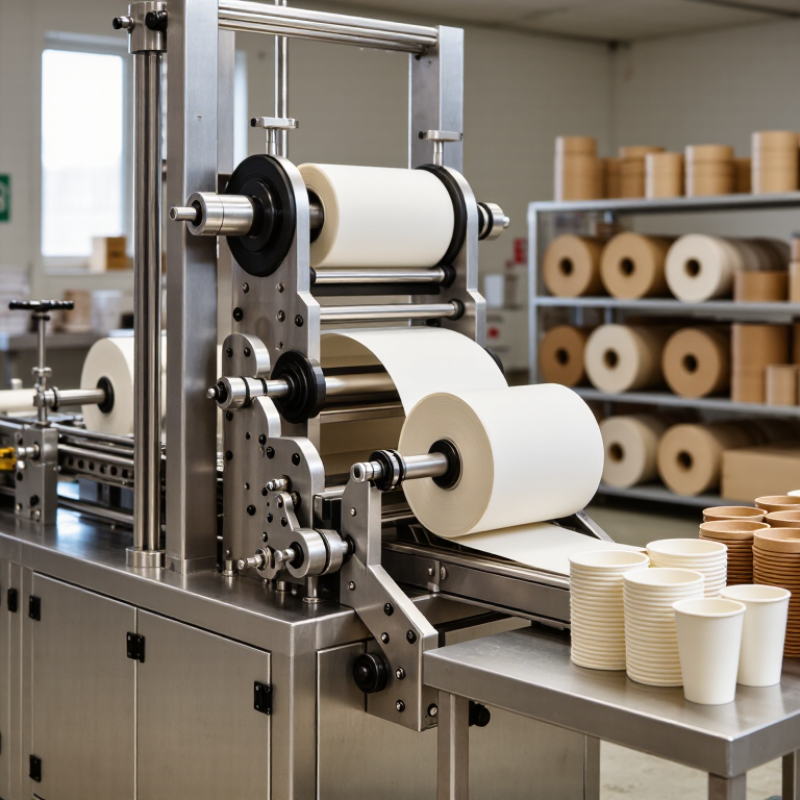
A paper cup sleeve machine turns flat paperboard into fitted sleeves that help protect hands from hot cups. Depending on its design, it feeds printed blanks, scores fold lines, forms each sleeve, applies adhesive, and delivers finished pieces for stacking. Some lines handle pre-cut blanks; others integrate more of the converting steps. The sleeve is separate from the cup. Small details matter.
A good setup keeps sleeve dimensions, seam position, and glue application consistent. Operators check blank alignment and test sleeves on the intended cup sizes, since a loose fit can slip and a tight one may distort the cup. The machine does not automatically solve poor material choices or inaccurate blanks. That part takes attention. Grand View Research valued the global paper cups market at USD 10.3 billion in 2023 and projected a 4.4% compound annual growth rate from 2024 to 2030. This figure describes the cup market, not machine sales, but it signals continuing demand for cup-related packaging. For buyers, practical measures include sleeves per minute, changeover time, reject rate, and compatible paperboard thickness. A fast machine can still waste material if setup is unstable. Not always obvious.
A paper cup sleeve machine typically begins with flat paper blanks or a continuous roll. Depending on the design, it cuts the paper into shaped pieces, then creases each blank so it can curve around a cup. A small amount of adhesive joins the overlapping edges. The forming station presses the seam and holds the sleeve’s shape while the glue sets. Watch the feed closely. A slight skew can leave the sleeve uneven.
Some machines make sleeves separately; others also fit them onto cups. In an application unit, cups are spaced on a conveyor, and a sleeve is guided around each cup at a set height. Sensors and adjustable guides help keep placement consistent, though cup size and paper stiffness affect the result. Operators may need to test settings with the actual materials, not just sample blanks. That part is easy to underestimate. A sleeve can look neat on the machine and still sit too tight or too low on the cup. Check the seam, fit, and position across a full run before settling on production settings.
What Is the Best Paper Cup Sleeve Machine?
Machine Types and Their Production Capabilities
The best machine depends on sleeve design, material, and daily order volume. Semi-automatic models suit small runs and frequent size changes. An operator feeds blanks and checks each formed sleeve, so output depends partly on handling speed. These machines can be a practical choice for custom work, but labor needs may rise as orders grow.
Automatic machines feed, fold, and glue sleeve blanks with less manual handling. They are better suited to repeat orders and steady production. High-speed models can produce more sleeves per hour, but rated speed alone can mislead. Actual output changes with paper stiffness, sleeve dimensions, glue setting, and downtime. Ask for a sustained production rate using your own material, not just a short demonstration.
Details matter. Check how quickly the machine changes sizes, whether it handles your paper weight, and how operators clear jams. A neat sleeve should hold its shape without loose seams or excess adhesive. It may be tempting to buy the fastest model, yet that can mean paying for capacity you rarely use. There is no perfect choice. Compare sample quality, staffing needs, and realistic production targets before deciding.
Key Criteria for Comparing Sleeve Machines
A paper cup sleeve machine should be judged by the sleeves it produces, not only its advertised speed. Grand View Research estimated the global paper cups market at USD 10.64 billion in 2023, with projected growth through 2030. That expanding market makes reliable output important, but the right machine depends on your cup sizes, sleeve material, and daily order mix. Check its usable size range and changeover time. A slow adjustment can erase the benefit of a high rated speed.
Inspect sample sleeves for firm seams, clean edges, and consistent fit around the cup. Ask for a production test using your own paperboard; coatings and board stiffness can affect feeding and gluing. Track good sleeves per minute, including stoppages and rejects, rather than relying on peak speed. That figure is more useful. Also compare glue consumption, scrap rate, operator access, and the availability of routine maintenance parts. A compact machine may save floor space, yet leave little room for cleaning or adjustments. I would not treat a brochure’s best-case number as a promise. Real production is messier.
| Comparison Criterion | What to Compare or Measure | What a Strong Fit Looks Like | Why It Matters |
|---|---|---|---|
| Production output | Rated sleeves per minute, sustained output during a production run, and the conditions used for the rating. | Output meets the required production plan, with the supplier’s rating clearly tied to the sleeve size, material, and operating conditions. | Quoted maximum speed may differ from sustained output, especially when material feeding, gluing, or stacking limits the line. |
| Sleeve size and format range | Supported sleeve dimensions, blank styles, and the range of cup sizes the finished sleeves are designed to fit. | The machine can produce the required formats, and the usable range is documented rather than assumed from one sample size. | Not every machine handles every sleeve shape or cup size; format limits can affect product range and future orders. |
| Paper compatibility | Approved paper types, material thickness or grammage range, sheet or roll format, and any coating or print limitations. | Compatibility is confirmed using the buyer’s actual paper specification and representative production samples. | Paper stiffness, surface properties, and thickness can affect feeding, forming, adhesive bonding, and finished sleeve quality. |
| Adhesive application | Compatible adhesive type, application method, glue-line consistency, and access for cleaning and adjustment. | The adhesive system produces a secure seam on the intended paper and supports consistent application at the planned speed. | Insufficient or uneven adhesive can cause open seams, while excess adhesive can create mess, waste, or handling problems. |
| Changeover and setup | Time and steps required to change sleeve formats, adjust tooling, and return the machine to stable production. | Changeover steps are documented, repeatable, and practical for the number of formats and production runs required. | Frequent format changes increase downtime; setup complexity can reduce effective production capacity. |
| Quality control and waste | Seam consistency, sleeve dimensions, feeding reliability, reject rate, and material waste during startup and steady production. | Acceptance criteria are agreed in advance and verified during a run using the intended paper, adhesive, and sleeve format. | Output speed alone does not indicate saleable output; defects and startup waste affect material use and operating cost. |
| Operation, safety, and maintenance | Operator tasks, guarding and emergency stops, routine cleaning, wear parts, and access to maintenance instructions. | Operators can run and clean the machine safely, and routine service requirements and replacement parts are clearly specified. | Safe operation and maintainability influence uptime, training needs, and the total effort required to keep production running. |
| Installation and operating requirements | Machine footprint, electrical supply, compressed-air requirements if applicable, and installation or training needs. | Site requirements are confirmed before purchase and match the available space, utilities, and production layout. | Unplanned utility or layout changes can delay installation and add cost beyond the machine purchase price. |
Specifications and performance vary by machine design and production conditions. Confirm all figures and compatibility through written specifications and a trial using the intended materials and sleeve format.
Choosing the best paper cup sleeve machine starts with your actual order mix, not its advertised top speed. Count sleeves per shift, record peak demand, and note every sleeve size you run. A machine rated for high output may still be a poor fit if frequent changeovers interrupt production. Fit matters.
Check the paper range, blank dimensions, forming method, and adhesive controls. Ask the supplier to run your own stock, including the heaviest and lightest grades you expect to use. Inspect sleeve seams, shape, and fit on real cups. Test it first. Record good sleeves per hour, setup time, and rejects; these numbers reveal more than a brochure’s nominal speed.
Material use matters, too. The U.S. EPA’s Advancing Sustainable Materials Management: Facts and Figures 2018 report puts the recycling rate for all paper and paperboard at 68.2%; it does not isolate cup sleeves. Still, it underscores why clean converting and low scrap deserve attention. Compare trim waste, glue consumption, and rejected sleeves during a timed trial. Also check access to wear parts, cleaning points, and operator training. A compact machine can suit a small line, but cramped access may slow maintenance. Leave room for honest uncertainty: sample runs cannot predict every shift, so verify performance over several production days.
It forms flat paperboard blanks into sleeves that help protect hands from hot cups. The sleeve remains separate from the cup. Small details matter.
The machine feeds blanks or paper from a roll, creases the material, and shapes it around a form. Adhesive joins the overlapping edges. The forming station presses the seam while the glue sets.
No. Some machines make sleeves separately, while others also place them around cups on a conveyor. Guides and sensors help control position, but actual cup size and paper stiffness still matter.
Check the seam, sleeve height, and fit on the intended cup sizes. A loose sleeve may slip; a tight one can distort the cup. Test a full run, not just one sample.
Start with your order mix, shift volume, and sleeve sizes. Compare good sleeves per hour, changeover time, and rejects. Advertised speed can be misleading.
Confirm compatible paperboard thickness, blank dimensions, forming method, and adhesive controls. Test both the lightest and heaviest grades you expect to use. Watch the feed closely.
Trim waste, excess glue, and rejected sleeves affect material use. A U.S. report lists a 68.2% recycling rate for all paper and paperboard, not specifically cup sleeves. Clean production still deserves attention.
Check access to wear parts, cleaning points, and operator training. A compact machine may save floor space but make maintenance harder. Sample runs cannot predict every shift, so verify performance over several production days.
A Paper Cup Sleeve Machine produces insulating sleeves that fit around disposable cups, helping reduce heat transfer and making cups easier to hold. It guides sleeve material through a sequence of operations, such as feeding, shaping, gluing, and forming, before attaching or preparing the sleeve for placement on a cup. The exact process depends on the machine’s design and whether sleeves are formed directly around cups or made separately.
Machines vary in automation, speed, compatible sleeve sizes, and production capacity. When comparing options, consider output requirements, material compatibility, changeover time, operating simplicity, maintenance needs, and available floor space. The best choice depends on the intended production volume and product range: a smaller operation may prioritize flexibility and ease of use, while a high-volume producer may need faster, more automated processing. Matching these practical criteria to your production needs can help identify a machine that supports consistent quality and efficient operation.

Huan Qiang