China Top Paper Cup Coffee Machine Manufacturers Guide

Time:2026-10-12 Author:Amelia
0%

China’s paper cup equipment sector is becoming more important as cafés, quick-service restaurants, and takeaway brands expand. This guide examines China’s top Paper Cup Coffee Machine manufacturers through practical, verifiable criteria. These include forming speed, cup-size flexibility, sealing quality, energy use, automation, and after-sales support.

Market data explains the opportunity. IMARC Group reported that the global paper cups market reached approximately USD 14 billion in 2023. Its research also expects continued growth through 2032, driven by takeaway beverages and food-service expansion. Grand View Research identifies sustainability, convenience, and replacing selected plastic formats as major demand factors. However, market reports use different definitions and forecast models. Their figures should guide research, not replace supplier verification.

Factory details matter more than attractive brochures. A reliable manufacturer should provide production videos, sample cups, machine layouts, electrical specifications, and documented testing procedures. Buyers should inspect how the machine handles coated paper, rim curling, bottom sealing, and frequent size changes. Small faults become expensive during a long production shift.

This is where the guide remains cautious. Some suppliers publish impressive output numbers, yet omit downtime, operator requirements, or reject rates. Those missing details deserve direct questions. Certification claims also require checking against original documents and destination-market requirements. Reports from Smithers and PMMI repeatedly emphasize automation, traceability, and operational efficiency across packaging manufacturing. Therefore, this guide compares suppliers from both a technical and commercial perspective, helping buyers identify capable partners rather than simply choosing the lowest quotation.
China Top Paper Cup Coffee Machine Manufacturers Guide

China’s Paper Cup Coffee Machine Manufacturing Industry

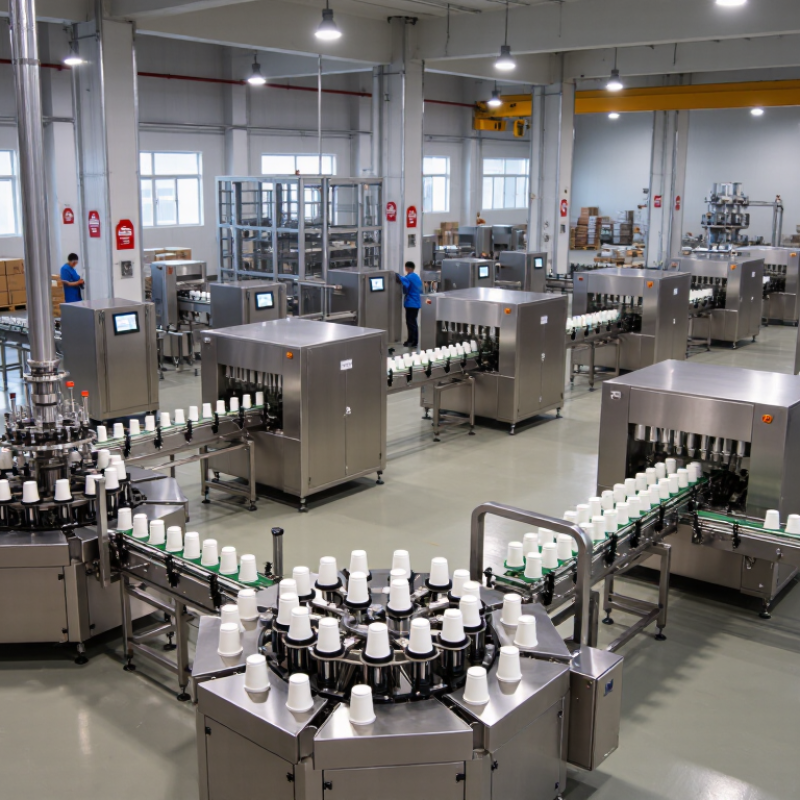
China’s paper cup coffee machine manufacturing industry serves cafés, contract packers, and foodservice distributors worldwide. Production is concentrated around machining, electrical control, forming, and packaging supply chains. A typical line uses servo-driven feeding, heated forming tools, and sensors to monitor cup position. Operators still inspect rim sealing and sidewall alignment by hand. Small deviations matter. The industry benefits from dense supplier networks, but quality can vary between factories.

Experienced buyers usually review machine drawings, output tests, material specifications, and maintenance records before ordering. Food-contact components should have traceable materials and documented compliance for the target market. Factory acceptance testing can measure speed, reject rates, temperature stability, and noise. Ask for samples made with the intended paper and coating. Otherwise, performance figures may look better than reality. This is an easy detail to miss. Reliable manufacturers also explain spare-part cycles, training, and remote support clearly.

Energy efficiency is becoming more important as converters face rising operating costs. Newer equipment may reduce idle heating and improve motor control, yet savings depend on settings and operator habits. Automation does not remove every production risk. Dust, uneven paper stock, and poor cleaning can still interrupt a shift. Some suppliers publish impressive capacities without showing long-run results. Buyers should request continuous trial data, not only a short demonstration. China’s industry is advancing quickly, but careful verification remains necessary.

Key Machine Types and Their Production Applications

Paper cup production starts with the forming machine, but machine type must match the application. Standard single-wall machines suit takeaway coffee, water, and event cups. They typically form sidewalls, heat-seal the base, and curl the rim in one line. High-speed models support large beverage programs, while slower machines may offer easier changeovers for varied sizes.

For premium coffee service, double-wall and ripple-wall machines add insulation without a separate sleeve. They require accurate paper feeding and stronger forming pressure. Printing machines add logos, textures, or operating instructions before forming. According to Smithers, packaging remains a major global paperboard application, with sustainability and lightweighting influencing equipment upgrades. That trend affects more than material choice. It changes drying, registration, and waste-control requirements.

FAO’s FAOSTAT Forestry Production and Trade data recorded about 401 million tonnes of global paper and paperboard production in 2022. This broad volume supports continued investment in converting equipment, but it does not guarantee profitability. Factory trials matter. A production line should be checked for rim integrity, leakage, print alignment, and paper waste at the target speed. Inline vision inspection can identify distorted rims and weak seals before packing. Automatic packing systems reduce handling and improve count accuracy. Still, automation is not always better. Small producers may lose flexibility when a complex line requires long setup times, specialist maintenance, or expensive tooling. The right configuration depends on cup size range, coating structure, daily output, and operator skill. Forecasts look useful. Real samples are more honest.

Leading Chinese Manufacturers and Their Product Strengths

China Top Paper Cup Coffee Machine Manufacturers Guide

Chinese paper cup coffee machine manufacturers increasingly focus on practical engineering, stable output, and adaptable production lines. Their product strengths often begin with stainless steel frames, servo-driven forming systems, and temperature controls that reduce sealing errors. Some machines produce several thousand cups per hour, depending on cup size and material thickness. Factory testing usually checks forming accuracy, heater response, electrical safety, and continuous operation.

Customization is another major advantage. Manufacturers can adjust mold dimensions, feeding systems, and control interfaces for different cup specifications. Operators may also request remote diagnostics, spare-part packages, and multilingual manuals. These details matter on a busy factory floor. A loose sensor or poorly tuned heater can create visible wrinkles, leaks, and costly material waste. Experienced suppliers normally inspect samples before confirming final machine settings.

However, not every manufacturer delivers the same consistency. Some offer impressive speed figures but provide limited evidence from long production runs. Buyers should examine test videos, component lists, maintenance records, and service response times. Ask for sample cups made with your actual paper. It reveals more than a catalog. One common weakness is over-customization, which may increase delivery time and complicate future repairs. Reliable manufacturers explain these trade-offs clearly and document acceptance standards before shipment. Their technical teams should also support installation, operator training, and routine inspections after delivery.

How to Evaluate Quality, Capacity, and Customization Options

When evaluating China’s top paper cup coffee machine manufacturers, inspect quality beyond polished photos. Ask for production samples and examine sealing lines, cup alignment, and material consistency. A stable machine should maintain even heat, controlled pressure, and clean forming across repeated cycles. Request test records, maintenance schedules, and details about food-contact materials. Factory experience matters, but documented quality control matters more. I have found that small alignment errors often become costly during long production runs.

Capacity should match your real workload, not an impressive catalog figure. Compare rated output with tested output under normal operating conditions. Ask how performance changes during continuous operation, material replacement, and routine cleaning. Check power requirements, operator skill, machine footprint, and spare-part availability. A machine producing 80 cups per minute may be unsuitable if its downtime is frequent. This is where many purchasing plans remain too optimistic.

Tips: Request a live video test with your paper cups. Confirm cup sizes, coating types, and acceptable tolerance ranges. Discuss customization early, including mold design, control language, safety guarding, and inspection access. Ask whether software changes require a technician. Keep a written acceptance checklist. It may feel excessive, but vague promises create avoidable disputes. Also, leave room for revision; the first specification is rarely perfect.

Purchasing, Certification, and Supplier Selection Considerations

China’s paper cup coffee machine sector deserves careful, evidence-based purchasing. The International Coffee Organization reported global coffee consumption at about 177.9 million 60-kilogram bags in 2023/24. This demand supports investment, but volume alone should not determine a machine purchase. Confirm forming speed, cup diameter range, sealing consistency, power consumption, and reject rates using witnessed factory tests.

Certification requires destination-specific checking.
Machinery supplied to Europe may need CE conformity, while electrical design should reflect relevant IEC safety requirements. Food-contact materials should align with regulations such as EU 1935/2004, FDA 21 CFR, or China’s GB 4806 series. Ask for current certificates, test reports, technical files, and component traceability. A logo on a certificate is not enough. Verify the certificate holder and covered machine model.

Supplier selection should include a documented Factory Acceptance Test. Test paperboard thickness, printed surfaces, hot-water resistance, and continuous operation. Request records for uptime, spare-part response, training, and after-sales service. Smithers’ packaging research continues to highlight sustainability and fiber-based packaging growth, yet recyclable materials can behave differently during forming. That detail is often underestimated. A polished showroom can still hide weak maintenance support. Independent inspection costs money, but skipping it may cost more. Perfect forecasts are rare. Use measurable criteria, not friendly promises.

FAQS

What does a typical paper cup coffee machine line include?

It usually includes paper feeding, heated forming tools, sensors, and automatic controls. Operators still check rim sealing and sidewall alignment by hand. Small errors matter.

Which machine type suits standard takeaway cups?

Single-wall machines fit coffee, water, and event cups. They form the sidewall, seal the base, and curl the rim. Choose slower models for frequent size changes.

When are double-wall or ripple-wall machines useful?

They add insulation without a separate sleeve. These machines need accurate feeding and stronger forming pressure. Setup can be less flexible.

What should buyers test before placing an order?

Request samples made with the intended paper and coating. Test speed, leakage, rim strength, temperature stability, noise, and reject rates. Short demonstrations can mislead.

How can buyers verify supplier quality?

Review machine drawings, material specifications, maintenance records, and factory test results. Ask for continuous trial data. A polished showroom proves very little.

What certification documents may be needed?

Requirements depend on the destination market. Check machinery safety documents, electrical compliance, and food-contact material records. Verify the certificate holder and machine model.

Does higher automation always improve production?

No. Automation can improve counting, inspection, and handling. Complex systems may require costly tooling and specialist maintenance. More automation is not always better.

What problems can interrupt a production shift?

Dust, uneven paper, weak cleaning, and unstable coatings can cause stoppages. Poor paper feeding may create distorted rims. This detail is easy to miss.

How important are energy-saving features?

Reduced idle heating and improved motor control may lower energy use. Actual savings depend on settings and operator habits. The advertised figure may not match daily results.

What after-sales support should buyers request?

Ask about spare-part cycles, operator training, remote support, and response times. Request written records, not friendly promises. Support is part of the machine.

Conclusion

China’s paper cup coffee machine manufacturing industry has developed into a diverse and highly competitive sector, serving coffee shops, catering businesses, beverage producers, and customized packaging projects. This guide introduces the main machine types, including forming, sealing, printing, and integrated production systems, while explaining how each supports different output requirements and production applications. It also outlines the strengths commonly found among leading Chinese manufacturers, such as efficient automation, flexible configurations, stable operation, and practical after-sales support.

When selecting a Paper Cup Coffee Machine, buyers should carefully evaluate production speed, forming precision, material compatibility, energy efficiency, maintenance requirements, and customization capabilities. Attention should also be given to product testing, quality management, certifications, delivery terms, installation services, and supplier communication. By comparing technical specifications, actual capacity, customization options, and long-term operating costs, purchasers can identify a reliable manufacturing partner and choose equipment that matches their budget, product design, and future production plans.


Amelia

Amelia

Amelia is a seasoned marketing professional with a wealth of expertise in our company’s core offerings. With an unwavering passion for driving growth and innovation, she plays a pivotal role in shaping our marketing strategies and enhancing brand visibility. A key aspect of her responsibilities......