Choosing a Manual Paper Cup Machine in 2026 means looking beyond its advertised speed. The right machine should fit your cup sizes, daily order volume, available floor space, and operators’ experience. A compact model may suit a small workshop, while a growing business may need faster changeovers and more consistent output. Ask suppliers for a live demonstration using your intended paper stock. Watch how the machine feeds sheets, forms the cup wall, seals the bottom, and handles a brief production run. Small details matter: a misaligned paper blank or a weak bottom seal can turn a tidy stack into waste.
Taiichi Ohno, the Toyota manufacturing engineer, is often credited with the principle, “Where there is no standard, there can be no kaizen.” It offers a useful lens for comparing machines: can operators follow clear setup steps, record defects, and repeat a reliable process? Check the quoted output against realistic conditions, not just a best-case figure. Ask about routine cleaning, spare-part availability, operator training, and the time needed to change cup sizes. Request sample cups and inspect their rim, seam, and base. Feel the paper. Look closely.
A polished brochure is not enough. A neat spreadsheet can still mislead if it ignores downtime, rejected cups, or service delays. Some buyers may also underestimate the learning curve; that is worth admitting before purchase. This guide explains how to compare a Manual Paper Cup Machine in practical terms, assess supplier claims, and match equipment to your production needs. The aim is not to find the biggest machine, but one your team can run consistently.
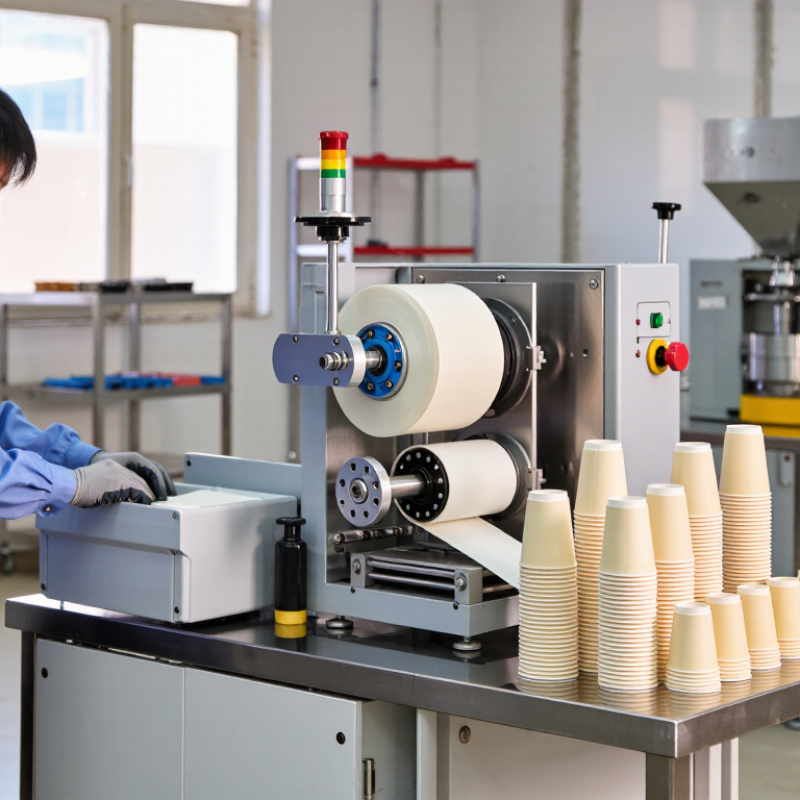
A manual paper cup machine turns flat, pre-cut paper blanks into shaped cups through a sequence of controlled forming steps. The operator loads the blanks and checks that the paper feeds evenly. A forming mandrel rolls each blank into a cylinder, while heat or pressure helps secure the side seam. The bottom disc is then fed into position, attached, and pressed into the cup wall. A curling mechanism shapes the rim for a smoother, sturdier edge.
The exact sequence varies by machine design. Watch one full cycle before judging its speed. A cup may look fine outside but still leak at the bottom seam. Operators often test samples with water and inspect the rim, side joint, and base after cooling. Consistent paper thickness and correct alignment matter as much as the machine itself. Small details matter.
When choosing a machine in 2026, ask how adjustments are made and how often operators must intervene. Check whether forming parts can handle the cup sizes you plan to produce. Listen for uneven motion, and look for accessible controls and clear maintenance instructions. A hands-on trial is useful. It may reveal awkward loading or a setting that takes longer to correct than expected. I would not assume that “manual” means simple; some steps still require careful training and steady attention.
Before comparing manual paper cup machines, estimate your real daily demand. Count the cups needed per shift, then allow time for loading blanks, adjustments, cleaning, and rejected cups. A machine’s advertised output may not match steady production with one operator. Check the expected output using your cup size and staffing plan. Small batches matter.
Write down the cup’s rim diameter, height, bottom diameter, and capacity. These measurements affect forming tools and machine compatibility. Also identify the paper weight and whether it has a moisture-resistant coating. Ask which cup sizes the machine supports, and confirm whether changing sizes requires different tooling. Get those details in writing.
A neat specification sheet helps, but samples are better. Request a trial with your intended paper and inspect the rim, side seam, and base for leaks or uneven shaping. Measure several cups, not just one. Your first demand estimate may be wrong; leave room to revise it. A machine that fits today’s order but cannot handle a likely size change may become a costly constraint. Conversely, buying for a future volume that never arrives can tie up useful budget.
How to Choose a Manual Paper Cup Machine in 2026?
Comparing Machine Capacity, Features, and Materials
Capacity should mean steady output, not the fastest rate shown in a brochure. Ask for cups per minute during a continuous run, then compare that figure with your expected daily orders. Grand View Research estimated the global paper cups market at USD 8.86 billion in 2023 and projected 4.4% annual growth through 2030. That market estimate signals continued activity, but it does not tell you which machine fits your workshop. That gap matters. Check changeover time, operator workload, and how often the machine needs adjustment.
Match machine features to the cup stock you plan to use. Paper weight, blank size, and barrier coating can affect forming and side-seam sealing. A machine suitable for one coated board may not seal another reliably. Ask whether it supports heat or ultrasonic sealing, and test your actual material before buying. Run a trial. Inspect the rim for smoothness, the base for leaks, and the seam for gaps. Request a sustained production test, not only a short demonstration. A few cups may look perfect; a longer run can reveal misfeeds or inconsistent sealing. I would also leave room in the budget for setup and operator training. That part is easy to underestimate.
| Machine Category | Typical Output Range | Common Cup Size Range | Typical Paper Compatibility | Common Features | Best Suited For | Points to Check Before Purchase |
|---|---|---|---|---|---|---|
| Basic Manual or Low-Speed Semi-Automatic | Approximately 15–30 cups per minute | Small to medium cups, commonly around 4–12 oz | Primarily single-side PE-coated paper; compatibility depends on the forming and sealing system | Manual blank feeding or other operator-assisted steps; relatively simple controls; lower production rate | Small workshops, pilot production, and businesses with modest order volumes | Confirm which steps require an operator, the actual sustained output, and whether the machine includes cup-bottom forming and sealing functions. |
| Compact Semi-Automatic | Approximately 30–50 cups per minute | Commonly around 4–16 oz, subject to tooling and machine configuration | Single-side PE-coated paper; some configurations may support specified PLA-coated stock | Assisted blank feeding, automatic or semi-automatic forming cycles, and basic fault or temperature controls | Small businesses seeking more consistent output without moving to a high-speed production line | Ask for confirmed material specifications, cup dimensions, changeover time, and sample-cup testing with the intended paper stock. |
| Standard Semi-Automatic | Approximately 50–80 cups per minute | Often configured for roughly 4–16 oz; some models offer a wider range with additional tooling | Specified single-side PE-coated paper; PLA-coated paper only when expressly supported by the machine and sealing process | More automated forming and sealing operations, temperature control, and production counters on some configurations | Regular production runs with moderate daily volumes | Check rated versus sustained output, required operator coverage, tooling included, electrical requirements, and access to replacement parts. |
| Higher-Capacity Semi-Automatic | Approximately 80–120 cups per minute for suitable configurations | Varies by design; verify the permitted top diameter, height, and capacity for each cup format | Paper grades and coatings must match the machine’s forming, knurling, and heat-sealing specifications | Higher-speed feeding and forming, more automated monitoring, and potentially faster tooling changes | Businesses with established demand that need greater throughput while retaining a semi-automatic workflow | Request a production test using the intended cup design and paper. Confirm reject rates, changeover requirements, maintenance needs, and service availability. |
| Specialized or Custom-Format Machine | Varies substantially by cup design and configuration | Custom sizes, including formats outside common beverage-cup dimensions | Only the paper weights, coatings, and structures approved for the specific tooling and sealing method | Format-specific tooling; may require dedicated adjustments or a separate machine configuration | Manufacturers producing unusual cup shapes, dimensions, or application-specific formats | Provide drawings and material samples before ordering. Confirm tooling cost, trial requirements, tolerances, and whether future size changes are practical. |
Note: Output figures are indicative planning ranges, not guaranteed specifications. Actual production depends on cup size, paper characteristics, operator workflow, machine setup, and quality requirements. Confirm the manufacturer’s rated and sustained output using the intended materials and cup design.
A manual paper cup machine may look inexpensive beside an automated model, but the purchase price is only one part of its cost. Compare the quoted price with tooling, delivery, operator time, and any setup work. Ask how many cups one trained operator can produce per hour under normal conditions. Request a live demonstration using the paper stock and cup size you plan to run. A smooth demonstration matters. So does the reject rate.
Maintenance can be simple, but it is not zero. Check how often forming dies, bearings, and cutting parts need inspection or replacement. Ask whether routine adjustments require special tools, and whether illustrated instructions are included. A basic logbook can track cleaning, lubrication, downtime, and recurring faults. Small details matter. A tidy cost spreadsheet still misses the disruption of waiting for a small replacement part; I would treat that risk as real, even when the machine seems mechanically straightforward.
Supplier support deserves the same scrutiny as the machine. Ask for typical response times, remote troubleshooting options, spare-part availability, and the cost of technician visits. Request a written list of included training and service terms, not only a verbal assurance. Ask for references from businesses with similar output needs. A supplier who explains limitations clearly may be more useful than one promising effortless production. Ask for proof. Compare the support offer against your operating schedule, since a delayed answer can leave an otherwise usable machine idle.
Illustrative five-year ownership-cost breakdown (USD)
This planning example estimates a $20,000 five-year total: machine purchase ($12,000), installation and training ($1,000), routine maintenance ($3,500), spare and wear parts ($2,500), and supplier support ($1,000). Actual costs vary by machine specifications, location, service terms, and operating conditions. Compare written supplier quotes and confirm spare-part availability, maintenance requirements, and support response times before purchasing.
Before buying a manual paper cup machine, inspect its working parts, not just its paint and frame. A clean finish is reassuring, but it proves little. Check that the forming tools sit evenly and that the operating handle moves smoothly without catching. Small details matter. Look for loose bolts, rough edges, oil leaks, or unusual play around the shaft. Ask to run the machine using the paper grade and cup size you expect to produce. Watch several cycles. The cup wall should form consistently, and the bottom seam should look even, without gaps or obvious wrinkles. Listen closely. Grinding or repeated knocking deserves a clear explanation.
A short demonstration can hide problems, so request a longer run if practical. Note whether the machine needs frequent adjustment and whether finished cups vary in height or shape. Bring calipers or a simple ruler to compare samples; visual judgment alone can miss small differences. Ask which parts wear most often, how they are replaced, and whether setup instructions are available. A useful seller should explain routine cleaning and basic adjustments plainly. I would also check that guards stay secure during operation and that the controls feel accessible. One imperfect point: no inspection can predict every future breakdown. Keep written test results and sample cups, then compare them with the machine’s stated specifications before paying.
Count cups needed per shift, then allow time for loading, cleaning, adjustments, and rejected cups. Brochure speed may not match one-operator output. Small batches matter.
Record rim diameter, cup height, bottom diameter, and capacity. Confirm the paper weight, coating, supported sizes, and whether size changes need different tooling. Get the details in writing.
Use your intended paper and cup size. Inspect several cups for smooth rims, even side seams, and leak-free bases. Run a trial.
Ask for cups per minute during a sustained run. Also check changeover time, operator workload, and adjustment frequency. A short demonstration can hide misfeeds.
Paper weight, blank size, and coating can affect forming and sealing. Test your actual material, and ask whether the machine uses heat or ultrasonic sealing.
Check that forming tools sit evenly and the handle moves smoothly. Look for loose bolts, rough edges, oil leaks, or unusual shaft movement. Paint proves little.
Watch several production cycles and compare cup heights with a ruler or calipers. Check for wrinkles, gaps, and uneven shaping. Visual judgment can miss small differences.
Ask about commonly worn parts, replacement steps, cleaning, and setup instructions. Leave budget for training. I might still underestimate future repairs, so keep test results and sample cups.
Choosing a Manual Paper Cup Machine in 2026 starts with understanding how it forms, seals, and shapes cups through a series of controlled operations. Before comparing equipment, define your production goals and the cup specifications you need, including size, design, and expected output. These details help narrow down machines that suit your day-to-day requirements rather than simply choosing the one with the highest advertised capacity.
Compare machine speed, operating features, construction materials, and ease of use. Then consider the full cost of ownership, including routine maintenance, replacement parts, and the availability of dependable supplier support. Before making a purchase, inspect the machine’s build quality, key components, and operating performance, and ask for a demonstration when possible. A careful evaluation of needs, capabilities, costs, and quality can help you select equipment that is practical, reliable, and appropriate for your production plans.

Huan Qiang