How to Choose a Paper Cup Machine in Europe 2026?

Time:2026-10-22 Author:Oliver
0%

Choosing a Paper Cup Machine Europe buyers can trust requires more than comparing speed, price, and photographs. The right machine must match your cup sizes, paper quality, factory space, labour skills, and expected production volume. A machine making 120 cups per minute may appear attractive, yet it can waste materials when your orders require frequent size changes.

Look closely at forming stability. Ask suppliers to demonstrate sidewall heating, bottom sealing, knurling, and leakage testing with your actual paper. Small details matter. A loose bottom seam can ruin an entire delivery. Elena Varga, a European paper-packaging machinery consultant, explains: “Reliable output begins with matching the machine to the paper, not chasing the highest speed.”

That advice deserves attention. It also needs testing.

Review servo controls, mould-change time, sensor accuracy, energy consumption, and operator access. Request maintenance records, spare-parts availability, training plans, and remote-support response times. European buyers should also verify technical documentation and food-contact compliance for their intended market. Requirements can differ between countries and applications, so one certificate rarely answers every question.

A factory visit is useful, but imperfect. Demonstrations often use ideal paper, experienced operators, and carefully prepared settings. Ask what happens during a difficult production shift. Can the machine maintain quality after eight hours? Does the supplier provide measurable acceptance criteria?

The cheapest Paper Cup Machine Europe option may become expensive through downtime, rejected cups, and delayed service. A sensible decision combines production evidence, ownership cost, supplier credibility, and a willingness to question impressive claims.
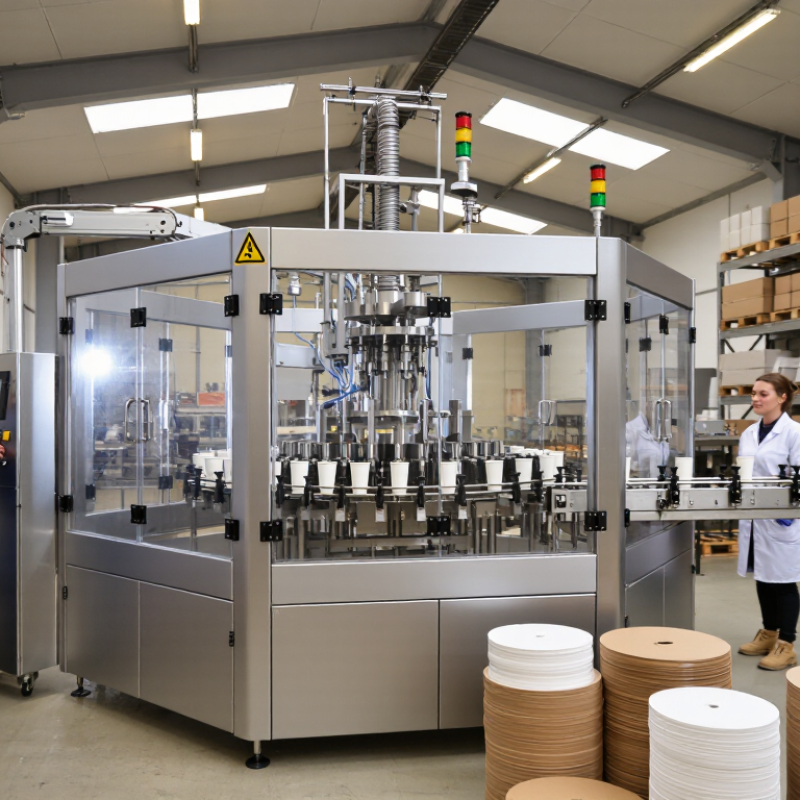
How to Choose a Paper Cup Machine in Europe 2026?

Define Your Paper Cup Production Goals and Product Requirements

How to Choose a Paper Cup Machine in Europe 2026?

Define Your Paper Cup Production Goals and Product Requirements

Begin with the cup, not the machine. Specify sizes, rim diameters, wall structure, coating type, and daily output. A café supplier may need 4,000 cups per hour, while a regional converter may require 10,000 or more. Include peak-season demand and planned growth. Eurostat reported 186.5 kilograms of packaging waste per EU inhabitant in 2022. Paper and cardboard represented 41.1% of that total. This signals strong demand, but not unlimited demand.

Check the material details carefully. Will the machine process PE-coated, water-based coated, or compostable-lined board? Confirm the board’s grammage range and moisture tolerance. A narrow specification can reduce waste, but it may also limit future products. That trade-off deserves attention. CEPI’s 2023 statistics recorded 79.5 million tonnes of paper and board production among its member countries. The scale is substantial, yet local buyers still expect reliable quality and traceability.

Do not select equipment from headline speed alone. Ask for tested output with your actual board, coating, and cup dimensions. Review changeover time, reject rates, energy consumption, sealing stability, and operator access. Food-contact documentation and applicable European machinery requirements should be verified before purchase. Smithers’ paper-based packaging research highlights the growing importance of barrier performance and fiber-based formats. Your first production forecast may be too optimistic. Build a pilot run into the decision, then revise the machine specification with measured data.

Compare Paper Cup Machine Types and Forming Technologies

How to Choose a Paper Cup Machine in Europe 2026?

Choosing a paper cup machine starts with comparing forming technologies, not advertised speed. Intermittent machines suit varied orders and smaller production runs. They stop briefly during forming, which simplifies adjustments. Continuous machines run faster and reduce idle movement. However, they demand steadier paper feeding and more consistent operator control.

Cup forming usually includes sidewall heating, sealing, bottom insertion, curling, and inspection. Traditional hot-air sealing is familiar and relatively easy to maintain. Ultrasonic sealing can reduce thermal exposure and improve process control, but it needs accurate tooling and skilled setup. Mechanical forming remains dependable for standard cup sizes. Servo-assisted systems offer finer control over pressure, timing, and cup alignment. More automation is not always better. Poorly calibrated sensors can create fast, expensive waste.

Tips: Test your actual paper stock before purchasing. Check how the machine handles thin coatings, curled blanks, and different rim diameters. Ask for measured output, not theoretical capacity. During a factory trial, inspect side seams under bright light and press the bottom gently. Small leaks often appear there first. Review changeover time, spare-part availability, cleaning access, and operator training. European production also requires clear technical documentation and suitable food-contact materials. A machine can meet specifications on paper and still frustrate your team. Leave room for that possibility.

Evaluate Machine Capacity, Materials, and Energy Efficiency

How to Choose a Paper Cup Machine in Europe 2026?

When choosing a paper cup machine, measure practical capacity rather than relying on the headline speed. A machine rated at 120 cups per minute may produce fewer during real production. Material changes, sealing adjustments, and rejected cups reduce output. Ask for tested figures using your intended cup size and paper structure. Also check changeover time, operator access, and the stability of stacking. Small delays become expensive during long shifts. Keep records.

Materials can affect every mechanical setting. Different paper weights, barrier coatings, and rim designs may require different heating temperatures and forming pressure. Food-contact suitability should be verified through current supplier documentation and applicable European requirements. Recycled fiber can support sustainability goals, but its moisture behavior may vary between batches. Water-based coatings may also need careful sealing control. Do not assume one recipe fits every material.

Energy efficiency deserves measured evidence. Request energy use in kilowatt-hours per 1,000 acceptable cups, not only motor ratings. Inspect heater insulation, servo control, compressed-air demand, and automatic standby functions. A machine that runs quickly but wastes heat may cost more over several years. My earlier production estimates focused too heavily on speed. That was a mistake. Include warm-up time, maintenance energy, and scrap in the calculation. Visit a working installation if possible. Listen for air leaks. Check the electricity meter during a full production cycle.

Check European Safety Standards, Certifications, and Supplier Support

Choosing a paper cup machine in Europe in 2026 requires more than comparing speed and price. Ask the supplier for a documented risk assessment, Declaration of Conformity, operating manual, and emergency-stop test records. Verify which European safety rules apply to the machine and check the transition dates for updated machinery legislation. A CE mark is important, but it is not proof of every safety requirement.

Inspect the machine’s contact areas, electrical cabinet, guarding, and access doors. Components near paper or coatings should support compliant food-contact production. Request material declarations and test reports for relevant parts, especially when cups will hold hot drinks. Independent inspection can reveal weak wiring, poor noise control, or unsafe maintenance access. Certificates can look convincing. They are not enough.

Tips: Choose a supplier that provides installation training, preventive-maintenance schedules, spare-parts availability, and clear response times. Ask for a live demonstration using your paper specifications. Test cup sealing, rim forming, leakage, and shutdown functions. Speak with a European customer if possible. Do not guess. Supplier support often matters more than a slightly higher output rate, although this point is easy to underestimate. Keep every document, revision, and service record for future audits.

Calculate Total Ownership Cost and Select the Best Machine Option

How to Choose a Paper Cup Machine in Europe 2026?

The purchase price rarely shows the real cost of a paper cup machine. Calculate total ownership cost over five to eight years. Include machine price, transport, installation, training, energy, labor, tooling, maintenance, and spare parts. Add production losses during setup and unexpected downtime. A machine producing 90 cups per minute may look attractive, but actual output can fall below 75 cups per minute with frequent size changes. Measure usable output, not brochure speed.

Request production data using your paper specifications. Check cup sizes, paper thickness, sealing method, changeover time, and reject rates. Energy consumption matters when the machine runs two shifts daily. A difference of 4 kilowatts can become significant across several operating years. Ask for maintenance intervals and the price of heaters, molds, sensors, and cutting tools. Keep a realistic contingency budget. Machines are not perfectly predictable.

I once underestimated labor costs because I counted only the operator’s wage. Cleaning, quality checks, material loading, and troubleshooting also consume hours. European buyers should verify documentation, electrical compatibility, safety features, and available technical support before signing. A lower-cost machine may require longer installation or imported spare parts. That delay can damage delivery schedules. Compare at least three ownership scenarios: conservative, expected, and high-demand. The best option is not always the fastest machine. It is the machine that maintains stable quality, manageable maintenance, and acceptable costs under your actual working conditions.

FAQS

What should I define before choosing a paper cup machine?

Define cup sizes, rim diameters, wall structure, coating type, and daily output. Start with the product, not the machine. Include peak-season demand and planned growth. Your first forecast may be too optimistic.

How much production capacity might I need?

A small café supplier may need about 4,000 cups per hour. A regional converter may require 10,000 or more. Rated speed is not actual output. Rejects and adjustments reduce production.

Which paper materials should the machine process?

Confirm compatibility with PE-coated, water-based coated, or compostable-lined board. Check grammage and moisture tolerance. Different materials need different temperatures and forming pressure. One recipe rarely fits everything.

How can I verify real machine performance?

Request a trial using your actual board, coating, and cup dimensions. Measure acceptable cups per hour. Record changeover time, reject rates, sealing stability, and stacking quality. Test data matters more than brochure speed.

What energy information should I request?

Ask for electricity use in kilowatt-hours per 1,000 acceptable cups. Check heater insulation, servo control, compressed-air demand, and standby functions. Include warm-up time and maintenance energy. Listen for air leaks.

How do coatings and recycled fibers affect production?

Water-based coatings may require careful sealing control. Recycled fibers can have changing moisture behavior between batches. These differences may affect heating and forming pressure. Sustainability targets need practical testing.

What documents and standards should I review in Europe?

Verify food-contact documentation and applicable European machinery requirements. Confirm material traceability from suppliers. Documentation should match the intended cup structure and coating. Do not accept vague paperwork.

Should I visit an operating installation before buying?

If possible, visit a working installation during a full production cycle. Watch operator access, cup stacking, and material changes. Check the electricity meter. A quiet machine is not automatically efficient.

Conclusion

Choosing a Paper Cup Machine Europe requires a clear understanding of your production goals, cup sizes, materials, printing needs, and expected output. Start by defining whether you need a standard forming machine, a high-speed automatic system, or a flexible solution for multiple cup designs. Compare forming technologies carefully, considering production stability, automation level, changeover time, and compatibility with paperboard and coating materials. Capacity should match your current demand while allowing reasonable future growth. Energy consumption, material efficiency, waste control, and ease of maintenance are also important factors for long-term performance.

Before making a decision, verify that the machine meets applicable European safety requirements and comes with the necessary technical documentation and certifications. Reliable supplier support, operator training, spare-parts availability, and responsive service can significantly reduce downtime. Finally, calculate the total ownership cost, including purchase price, installation, energy, labor, maintenance, materials, and potential upgrades. The best Paper Cup Machine Europe is not always the cheapest option, but the one that offers dependable quality, efficient operation, regulatory compliance, and strong value throughout its working life.


Oliver

Oliver

Oliver is a seasoned marketing professional with a wealth of expertise in driving brand awareness and engagement. With a deep understanding of our company's product offerings, he consistently delivers high-quality content that enriches our professional blog. His insights not only shed light on......