Choosing a Global Paper Cup Machine supplier is not just a purchasing decision. It affects cup quality, production speed, maintenance routines, and the confidence of the team running the line. A machine may look impressive in a showroom. The real test comes later, when it runs through a long shift and needs a replacement part.
A capable global supplier can offer technical guidance, operator training, spare parts, and support across different time zones. Ask for evidence: production references, sample cups, clear specifications, and a service plan with realistic response times. Check how the machine handles paper thickness, cup sizes, and changeovers. Small details matter. A slow adjustment can interrupt an otherwise steady production run.
A supplier’s reach is valuable only when it brings practical support. Buyers should compare total operating needs, not just the initial price. Even experienced teams can overlook installation, staff training, or parts availability; those gaps deserve a second look. A useful reminder is, “Reliable output depends on reliable support.” I cannot verify a named Global Paper Cup Machine industry expert’s quotation from the material provided, so I have not attributed this line to a person. A sourced expert quote would strengthen the introduction without risking a misleading attribution.
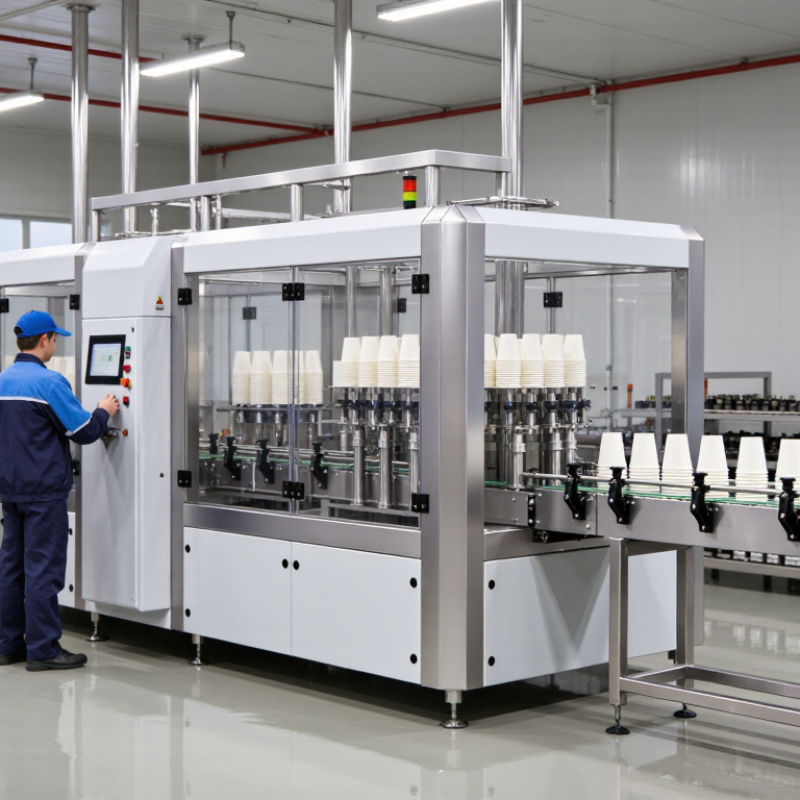
What a Global Paper Cup Machine Supplier Provides
A global paper cup machine supplier should provide more than equipment and a shipping date. The useful work starts with understanding cup sizes, paper weight, production targets, and available floor space. A supplier can use these details to recommend a suitable forming machine and explain its expected output, changeover needs, and utility requirements. Details matter. Ask for clear specifications, not just a headline speed that may depend on ideal conditions.
Support should continue after delivery. Look for installation guidance, operator training, troubleshooting documents, and access to commonly needed spare parts. Practical training might cover adjusting a cup’s side seam, checking its bottom seal, and spotting defects during a short production run. Remote assistance can help, but it depends on clear communication and timely access to technical staff. No supplier can prevent every production hiccup; promising that would be misleading. Response times, language differences, and shipping delays can still complicate repairs. It is worth discussing these limits before purchase, even if the conversation feels less exciting than comparing machine speeds. A dependable supplier explains what it can support, what information it needs, and where local technicians may be useful.
How Global Suppliers Support Production and Operations
A global paper cup machine supplier can support more than equipment delivery. Good support includes commissioning, operator training, troubleshooting across time zones, and guidance on forming, sealing, and stacking cups. A technician who understands the machine can help operators spot uneven rims or weak seals before rejected cups pile up. Deloitte’s 2024 Smart Manufacturing Survey found that 92% of surveyed manufacturing executives see smart manufacturing as a key driver of competitiveness over the next three years. For cup producers, practical remote diagnostics and clear machine data can help turn that priority into steadier daily output. Still, technology alone cannot fix poor setup.
Tips: Before ordering, ask for a spare-parts list, response times, training materials, and support coverage for your operating hours. Test the proposed machine with your paper, cup sizes, and production targets. Small details count.
Reliable suppliers also help plan maintenance schedules and provide clear procedures for common faults, such as misfeeds or temperature drift. That reduces dependence on one experienced operator. Ask how software updates, replacement parts, and follow-up training are handled after installation. A remote technician may solve a sensor issue quickly, but not every stoppage has a simple answer. Local conditions and operator habits matter, too. A realistic support plan should account for both.
International Standards for Paper Cup Machinery
International standards make paper cup machinery easier to assess across borders.
ISO 12100:2010 sets a framework for identifying machine hazards and reducing risks. IEC 60204-1:2016 covers electrical equipment on machinery, including wiring and protective measures. On a cup-forming line, these details matter: operators need accessible emergency stops, guarded moving parts, and clear electrical diagrams. Look closely.
A supplier’s quality system can also support consistent builds and service records. ISO’s 2022 Survey reported 1,265,216 ISO 9001 certificates worldwide. This figure reflects broad adoption of quality-management systems; it does not prove that a particular machine meets every safety or performance requirement. Ask for the machine’s risk assessment, test records, and documentation for the standards claimed. Check that the documents match the supplied model, not a similar machine.
International standards do not remove the need to inspect practical details.
Watch a trial run, and check cup dimensions, sealing consistency, and changeover steps. Ask how the supplier records faults and handles spare-part specifications. A neat certificate folder is useful, but it cannot show whether a heater remains stable through a long shift. Some requirements also vary by destination and end use, so buyers should verify applicable rules locally. Even experienced teams can miss small gaps.
Benefits of Sourcing Equipment Across Markets
Sourcing a paper cup machine across markets can give buyers more options in forming technology, production capacity, and machine configuration. The best fit depends on the cups you actually plan to make, not the supplier’s headline speed. Compare supported cup diameters, paper weight ranges, and expected output under normal operating conditions. Ask how speed changes when operators switch sizes or reload paper. That detail matters.
A machine designed for one market may need adjustments for another. Confirm the available power supply, control language, safety documentation, and installation requirements before ordering. Request a parts list with recommended replacement intervals, plus clear guidance on remote troubleshooting. A short video of the machine forming your target cup can reveal feeding or sealing issues that a specification sheet may miss. Look closely.
Across-market sourcing can also mean longer shipping times and more complex coordination. Clarify who handles packing, commissioning, and technical support, and ask for response-time expectations in writing. Compare the full operating picture, including tooling, training, and likely downtime—not just the purchase price. I would not assume every listed feature is included; quotes can leave small but important items unclear. A careful review before payment helps align the machine with your materials, staff, and production schedule.
Why Choose a Global Paper Cup Machine Supplier?
Paper and paperboard production in leading producer countries, 2022 (million tonnes)
A broad global manufacturing landscape gives buyers more markets to explore when comparing equipment availability, technical capabilities, and service options. Production volume indicates the scale of the paper industry, not the quality or output of any individual machine supplier. Figures are approximate and rounded.
Source: FAOSTAT, 2022 paper and paperboard production; values rounded.
Factors for Evaluating a Global Supplier
A global paper cup machine supplier should be assessed by more than its quoted price. Check its demonstrated output, supported cup sizes, and material range. Ask for a live production trial using paper and coatings similar to yours. Observe feeding, sealing, rim curling, and reject rates. A smooth demonstration matters, but repeatable results across a full shift matter more. Request clear specifications and written acceptance criteria.
Reliable support is equally important. Confirm which spare parts are stocked, typical dispatch times, and whether technicians can guide installation remotely or on site. Ask how operators receive training and what maintenance records are provided. Review references from buyers with comparable production volumes, not just impressive factory photos. Compare warranty terms, payment milestones, and shipping responsibilities in writing. Small details can stall a line. I would question any promise of zero downtime; real machines need adjustment, and suppliers should discuss limits openly. This point is easy to overlook.
Tips: Share your target cups per minute, sizes, and shift pattern before requesting a quote. Ask for a sample run, a parts list, and a named service contact. Keep one unanswered question in your notes; it may reveal where the offer is vague.
Conclusion
Choosing a Global Paper Cup Machine supplier can give manufacturers access to a broader range of equipment, technical expertise, and production support. A capable supplier helps match machine capacity and features to operational needs, provides guidance on installation and maintenance, and supports teams as they work to maintain consistent output. Its experience serving different markets can also offer useful insight into production requirements and machine standards.
Sourcing equipment internationally may expand purchasing options and help businesses compare capabilities, service arrangements, and long-term costs. Before selecting a supplier, evaluate machine performance, build quality, relevant international standards, spare-parts availability, training, and the clarity of after-sales support. Careful comparison helps ensure the chosen equipment fits both current production goals and future plans, while a dependable supplier can contribute to smoother operations over the machine’s working life.

 Huan Qiang