In recent years, the demand for sustainable packaging solutions has surged, particularly in the food and beverage industry. The "Machine Paper Cup" sector has emerged as a vital contributor to this movement. According to a recent report by Smith Research, the global market for paper cups is expected to reach $3.5 billion by 2025, highlighting the growing popularity of eco-friendly alternatives. This growth reflects a shift toward sustainability and innovation.
Experts in the field underscore the significance of the "Machine Paper Cup." Dr. Emily Jones, a leading authority on sustainable packaging, states, "Leveraging advanced technology is key to producing efficient, eco-friendly paper cups." Her expertise emphasizes how these machines automate processes, enhancing efficiency while minimizing waste. Despite advancements, challenges remain. Some machines still face issues like high maintenance costs and varying quality in production.
Nevertheless, manufacturers are developing more reliable technologies. It is essential for industry players to continuously adapt. The "Machine Paper Cup" industry showcases both innovation and complexity. As consumer preferences evolve, the need for improved design and functionality becomes paramount. The journey toward achieving complete sustainability in this sector is ongoing, demanding reflection and commitment from all involved.
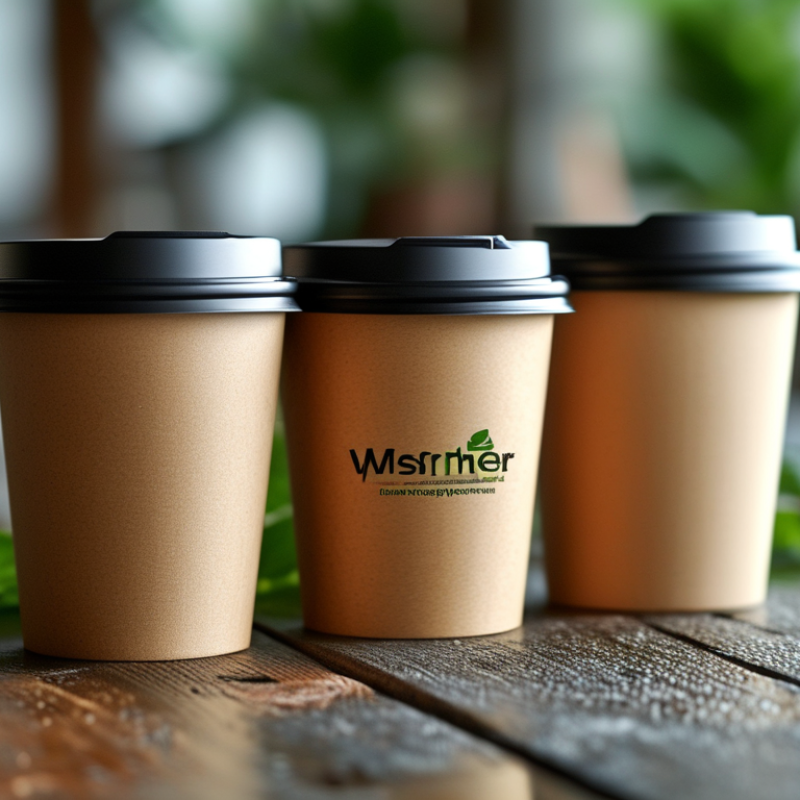
A machine paper cup is a packaging solution crafted from paperboard, widely used for beverages. The purpose of these cups is to provide a disposable, lightweight container that is also environmentally friendly. According to a report by Smithers Pira, global consumption of paper cups reached approximately 250 billion units in 2020 and is projected to grow by 2.7% annually over the next five years. This growth reflects an increasing trend toward sustainability and convenience in the consumer market.
The manufacturing process involves layers of paperboard. The outer layer often has a special coating that makes it waterproof. This process requires advanced machinery that can handle high volumes efficiently. Notably, a study by Freedonia Group shows that the demand for paper cups in foodservice will increase due to shifts in consumer preferences for takeaway and on-the-go beverages. However, challenges persist in recycling and waste management practices related to these cups, highlighting the need for improved systems.
In conclusion, while machine paper cups serve a crucial function in modern society, their environmental impact requires ongoing attention. Innovations in recycling technology and consumer education on proper disposal methods are essential. Recognizing these complexities helps us understand the broader picture of sustainability in the packaging industry.
| Dimension | Description |
|---|---|
| Material | Typically made from food-grade paper with a PE coating for liquid resistance. |
| Production Speed | Modern machines can produce between 70 to 200 cups per minute. |
| Cup Sizes | Common sizes include 8 oz, 12 oz, and 16 oz for various beverage needs. |
| Key Components | Includes a forming unit, cutting unit, heating mechanism, and stacker. |
| Applications | Used in cafes, restaurants, and events for serving hot and cold beverages. |
| Environmental Impact | Most machine paper cups are recyclable, but require appropriate disposal methods. |
| Quality Control | Includes inspection of material thickness, cup integrity, and coating uniformity. |
: They are crafted from layers of paperboard, making them lightweight and disposable.
Their primary purpose is to provide an environmentally friendly packaging solution for beverages.
The process involves printing, cutting, and shaping the paper into cups using specialized machines.
Critical components include the forming unit, cutting unit, and stacking unit.
Regular checks prevent wear and tear, ensuring the machine operates efficiently and produces quality cups.
High-quality materials are vital to prevent faults and ensure durability in the finished cups.
Increasing preference for takeaway beverages boosts the demand for machine paper cups in foodservice.
Variations in paper quality and adapting to new technologies pose ongoing challenges in production.
It helps maintain high standards by removing defective cups from the production line.
Innovations in recycling technology and better consumer education on disposal methods are essential.
A Machine Paper Cup is a type of disposable cup manufactured using automated machinery to ensure efficiency and uniformity in production. These cups serve a variety of purposes, primarily in the food and beverage industry, where hygiene and convenience are paramount. The key components of a Machine Paper Cup include layers of paper and waterproof coatings that enable them to hold liquids securely without leaking.
The manufacturing process of paper cups involves several steps, including feeding raw paper into the machine, forming the cup shape, and applying heat seals. Advanced machinery guarantees quality and consistency through precise control of the production parameters. The use of Machine Paper Cups offers significant benefits, such as reduced labor costs, minimal waste, and the ability to produce large quantities quickly, meeting the increasing demand for sustainable and eco-friendly packaging solutions.

 Huan Qiang