Top 10 Paper Cup Machinery Options for Global Buyers?

Time:2026-08-03 Author:Amelia
0%

The demand for eco-friendly products has surged globally. Consequently, the Paper Cup Machinery industry has evolved significantly. As experts in this field state, "The right machinery can enhance production efficiency and product quality," says Anna Roberts, a well-respected figure in the Paper Cup Machinery sector. This sentiment underscores the importance of selecting the best options in an increasingly competitive market.

Selecting the right machinery is not merely a technical decision. It directly impacts production rates and sustainability efforts. Flaws in machinery production can lead to operational inefficiencies. Therefore, buyers must evaluate each option carefully. With so many choices available, making informed decisions is essential.

Investing in high-quality Paper Cup Machinery can be daunting. The landscape is filled with various manufacturers and technologies. However, with the right knowledge and insights, buyers can navigate this complexity. Understanding both the benefits and potential pitfalls is crucial for long-term success in the industry.
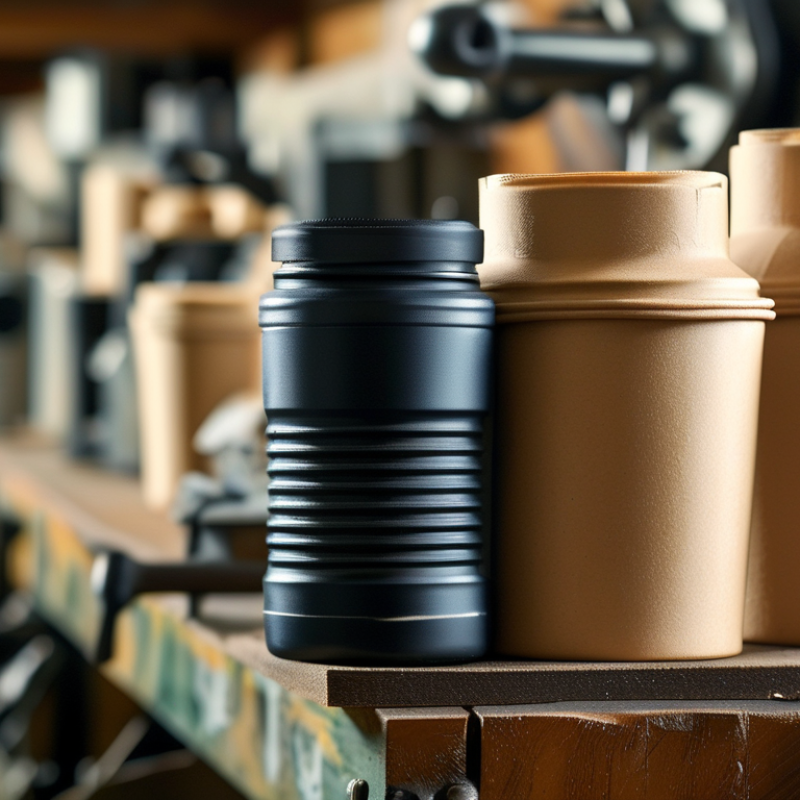
Top 10 Paper Cup Machinery Options for Global Buyers?

Top Considerations When Choosing Paper Cup Machinery

When selecting paper cup machinery, several key factors come into play. First, consider the production capacity. Reports indicate that high-demand markets expect machines to produce over 50,000 cups a day. This capacity allows companies to meet increasing consumer needs quickly. Efficiency in production saves time and reduces operational costs.

Another vital aspect is the machine's versatility. Machines that can produce various cup sizes and styles adapt better to market trends. Research shows that versatility can increase production efficiency by up to 30%. Furthermore, energy consumption is crucial. With rising energy costs, selecting energy-efficient machines becomes paramount. Machines that use 20% less energy can significantly impact the bottom line over time.

Quality and durability also matter. Machines should consistently produce high-quality cups to avoid wastage. Fluctuations in quality can lead to customer dissatisfaction. A maintenance plan is essential, as regular upkeep can prevent breakdowns. Surprisingly, many buyers overlook this aspect, leading to increased pressure on operations. Reflection on these elements is vital for making informed decisions in the competitive paper cup market.

Top 10 Paper Cup Machinery Options for Global Buyers

Model Production Capacity (cups/minute) Material Used Power Consumption (kW) Price Range (USD)
High-Speed Model A 120 Paper, PE Coated 8 30,000 - 35,000
Automatic Model B 90 Paper, PLA Coated 6 25,000 - 30,000
Eco-Friendly Model C 100 Recycled Paper 7 28,000 - 33,000
Compact Model D 80 Paper, Wax Coated 5 20,000 - 25,000
Versatile Model E 110 Paper, PE Coated 9 32,000 - 37,000
High-Efficiency Model F 130 Paper, PLA Coated 10 35,000 - 40,000
Standard Model G 70 Paper, PE Coated 4 15,000 - 20,000
Fast-Paced Model H 140 Paper, PLA Coated 12 40,000 - 45,000
Innovative Model I 95 Recycled Paper 6.5 27,000 - 32,000
Technologically Advanced Model J 125 Paper, PE Coated 11 38,000 - 43,000

Overview of Types of Paper Cup Machinery Available Globally

When exploring the world of paper cup machinery, it helps to know the different types available globally. Various machines serve diverse purposes, from cup forming to printing. High-speed machines can produce thousands of cups per hour. This caters to large-scale requirements, especially in busy catering industries.

Tips: Look for machines that accommodate different cup sizes. This flexibility can enhance your production capabilities. Additionally, consider energy-efficient models. They can significantly reduce operational costs over time.

Another popular option is the automated cup stacker. This machine not only saves time but also minimizes manual labor. Automation enhances consistency in output. However, operators must ensure regular maintenance. Neglect can lead to downtime, affecting overall productivity.

Tips: Invest in training for your staff. Well-trained operators manage machinery more efficiently. Also, conduct routine inspections. This prevents minor issues from escalating. Ultimately, understanding your needs helps in choosing the right machinery.

Features and Specifications of Leading Paper Cup Machines

When it comes to paper cup machinery, various features define the best options for global buyers. Speed is crucial; many machines can produce thousands of cups per hour. Efficiency matters, so energy-saving designs are becoming popular. The ability to handle different cup sizes is a plus. Advanced models ensure consistency in production quality. However, not all machines offer this flexibility.

Automation is another key feature. It reduces labor costs and minimizes human errors. Some machines include touchscreen controls for ease of use. Maintenance access is important too. Machines should be easy to clean and service. Potential buyers may find it challenging to balance automation with manual control needs.

Buyers often overlook the importance of material compatibility. Not every machine can handle diverse raw materials efficiently. Customization options can be limited; this might affect design choices. Understanding local regulations is vital too; not all machines comply with every region's standards. Different markets have unique requirements, and failing to consider these can lead to costly mistakes.

Comparative Analysis of Prices for Different Paper Cup Machinery

When exploring the market for paper cup machinery, pricing remains a critical factor. Different manufacturers offer various models, each with distinct features and costs. Buyers often face dilemmas when comparing prices and capabilities. A machine's output capacity can greatly influence its price. Higher capacity often translates to a steeper investment. Notably, some machines offer advanced automation, which can also impact their cost.

However, not every high-priced machine guarantees improved efficiency. Some cheaper models might fulfill basic needs effectively. It is essential to assess whether the additional features justify the higher costs. Durability and maintenance expenses should also be considered when evaluating machinery. Prospective buyers should carefully analyze long-term value rather than just the initial price tag.

Trade-offs exist in every option. Some machines may compromise on speed for quality, and vice versa. Researching user reviews can provide insights into reliability. Balance is key when choosing machinery that aligns with production goals and budgets. Overall, a thorough understanding of prices and features can empower buyers to make informed decisions in this competitive market.

Trends in Paper Cup Machinery Technology and Innovation

The paper cup machinery industry is experiencing significant transformations driven by technology and innovation. Advanced automation and machine learning are optimizing production processes. This ensures higher efficiency and a reduction in waste. The move towards sustainable materials is shaping new machinery designs. Manufacturers are developing equipment that uses biodegradable materials, catering to consumer demand for eco-friendly options.

Another trend is the incorporation of smart technology. Sensors and IoT devices allow for real-time monitoring of production lines. These innovations enhance quality control. However, the integration of these technologies raises concerns. Not all companies can afford such investments. Smaller businesses may struggle to keep up with large manufacturers. This disparity could affect the overall industry dynamics.

Additionally, the push for faster production speeds is noticeable. Newer machines can produce thousands of cups per hour. While this is impressive, it poses challenges in maintaining quality. High-speed production may lead to defects. Companies might need to balance speed with quality checks. Reflecting on these complexities is essential for stakeholders. They must consider both innovation and practical implications in this rapidly evolving sector.

FAQS

: What should I consider when selecting paper cup machinery?

: Consider production capacity, versatility, energy consumption, quality, and durability.

Why is production capacity important?

High-demand markets expect over 50,000 cups a day. This meets consumer needs quickly.

How does versatility affect machinery performance?

Versatile machines adapt to trends, increasing production efficiency by up to 30%.

What is the impact of energy consumption on costs?

Machines using 20% less energy help reduce operational costs over time.

Why is quality crucial in cup production?

High-quality cups avoid wastage and prevent customer dissatisfaction.

What role does maintenance play in operating machinery?

Regular upkeep prevents breakdowns, but many buyers often overlook this aspect.

What features enhance machine efficiency?

Speed, energy-saving designs, and the ability to handle different cup sizes enhance efficiency.

How can automation benefit paper cup production?

Automation reduces labor costs and minimizes human errors in production settings.

What challenges might arise with material compatibility?

Not all machines handle diverse materials well, which can limit design options.

Why is understanding local regulations important?

Different markets have unique requirements. Failing to comply can lead to costly mistakes.

Conclusion

When selecting Paper Cup Machinery, buyers must consider several key factors, including production capacity, ease of use, and maintenance requirements. An overview of the global market reveals various types of machinery suited for different production needs, from fully automatic to semi-automatic machines. Each type comes with its unique features and specifications that cater to diverse operational demands.

A comparative analysis of prices shows considerable variability depending on the machine type and features offered. Additionally, current trends in technology and innovation highlight a shift toward more energy-efficient and high-speed production options, which are reshaping the paper cup manufacturing landscape. Understanding these dynamics is vital for global buyers aiming to invest wisely in Paper Cup Machinery that meets their operational goals.


Amelia

Amelia

Amelia is a seasoned marketing professional with a wealth of expertise in our company’s core offerings. With an unwavering passion for driving growth and innovation, she plays a pivotal role in shaping our marketing strategies and enhancing brand visibility. A key aspect of her responsibilities......