A Paper Cup Small Machine is a compact production system designed to form, seal, and finish disposable paper cups. It suits small businesses, test kitchens, cafés, and packaging workshops with limited floor space. The machine usually handles coated paper sheets or pre-cut blanks. Its size reduces the setup burden, but it does not remove the need for careful operation. Details decide quality. Operators must check paper thickness, coating condition, temperature, and forming pressure before production begins.
The process looks simple. First, the machine feeds a paper blank into the forming section. A heated mold shapes the blank into a cylindrical cup wall. The side edge is then sealed, often through heat or ultrasonic technology. Another station attaches the bottom disc and presses its edge tightly against the wall. Finally, the machine rolls or curls the rim, creating a smoother drinking edge. Sensors monitor timing, position, and material movement. Small adjustments can prevent leaks, loose seams, and uneven rims.
This guide explains the main components, working sequence, output expectations, and practical maintenance needs. It also considers electricity use, operator skill, cleaning routines, and compatible paper materials. In real production, results are not perfectly uniform. Humidity can affect paper behavior, while worn sealing parts may create hidden defects. That matters. Buyers should compare speed claims with actual cup size, material limits, rejection rates, and after-sales support. A reliable evaluation combines manufacturer specifications with hands-on testing. The machine may look modest, yet its performance depends on disciplined setup, regular inspection, and realistic production goals.
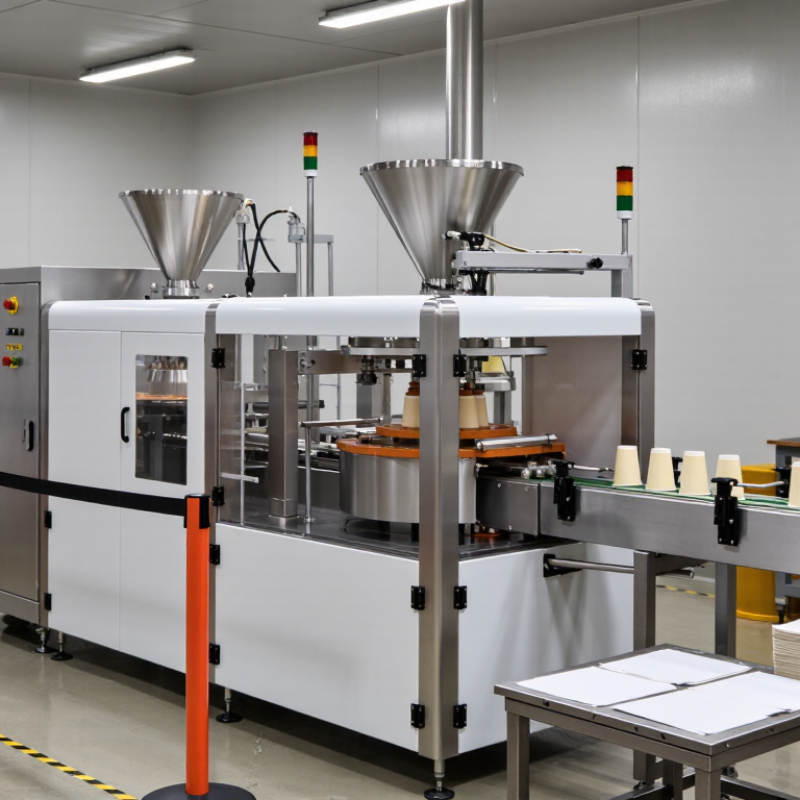
A small paper cup machine is a compact production system designed to form, seal, and finish disposable paper cups. It usually serves small factories, food-service suppliers, and businesses with limited floor space. It is not tiny. “Small” normally describes its capacity, footprint, or simpler operating structure.
The process begins with a printed or plain paper sheet coated with a moisture-resistant layer. A feeding unit moves the sheet into a forming station. There, heated tooling shapes it into a cup wall. A separate circular blank becomes the bottom. The machine then seals the side seam and attaches the base through controlled heat and pressure. A curling station rolls the top edge, creating a safer and more rigid rim. Sensors monitor paper position, temperature, and cup movement during production.
In practical operation, an operator loads paper reels, adjusts the cup size, and checks the first finished pieces. Small changes in heat can affect sealing quality. Excessive pressure may mark the paper. Too little pressure can create leaks. That distinction matters. Cleaning the forming tools also helps prevent uneven rims and paper dust buildup. Operators should inspect random cups for shape, odor, weak seams, and bottom leakage. Setup is rarely perfect on the first attempt. Material thickness, coating behavior, and room temperature can all change the result. Waste still matters, especially during size changes and trial runs.
A paper cup small machine forms flat, coated paper blanks into finished cups. The process usually includes sidewall shaping, bottom fitting, heat sealing, knurling, and rim curling. A compact machine may use servo motors, cams, or pneumatic parts to control these movements. Sensors check paper position and detect feeding errors. The operator loads printed paper blanks, adjusts the cup size, and monitors production through a simple control panel.
The main material is food-grade paperboard, often coated with polyethylene or a plant-based barrier layer. This coating helps prevent liquid leakage. The bottom piece may use a slightly thicker board for better stiffness. Water-based inks are commonly selected for printed surfaces, but the correct choice depends on the paper supplier and intended use.
Important components include a paper-feeding system, forming mold, heating unit, bottom feeder, sealing rollers, and curling tools. Temperature and pressure must match the coating. Small differences can cause weak seams or uneven rims. That part is easy to underestimate.
Tips:
Keep paper moisture stable before production. Store it away from heat and humidity. Test several cups after every size change. Check the seam, bottom seal, rim shape, and leakage resistance. Do not rely only on appearance. A cup can look clean and still fail after holding a warm drink. Maintenance also matters; dust on sensors or worn rollers may create inconsistent results. There is no perfect setting for every paper batch. Experience still requires careful observation.
A paper cup small machine converts coated paper into usable cups through several controlled forming stages. The process begins with fan-shaped sidewall blanks, usually cut from a printed paper roll. An operator loads these blanks into a feeding unit. The machine then guides each blank around a metal forming mould. Heat seals the overlapping edges, creating a firm side seam. Some machines use ultrasonic sealing instead of direct heat.
The bottom-forming stage requires careful timing. A circular paper disc enters the open sleeve and fits against the lower edge. The machine folds and seals this edge while rotating the cup body. This creates a leak-resistant base. A curling tool then rolls the upper edge outward, producing a smooth rim for drinking. The finished cup leaves the mould through a delivery system. Small adjustments matter. Even slight misalignment can cause wrinkles, weak seals, or uneven rims.
From practical machine operation, paper moisture, coating quality, and temperature affect forming results. A technician should check the seam, bottom seal, and rim regularly. A cup may look perfect but still leak under pressure. That is easy to miss. Operators sometimes increase heat when the real problem is poor paper positioning. This wastes energy and may damage the coating. Reliable production depends on steady feeding, accurate mould pressure, and frequent inspection rather than speed alone.
What Is a Paper Cup Small Machine and How Does It Work?
A paper cup small machine forms cups from printed, coated paperboard blanks. It first feeds the blank, shapes the sidewall, and seals the seam with heat or ultrasonic energy. A separate station then attaches the bottom disc and curls the rim. Sensors check paper position, temperature, and forming pressure during production.
Main Types and Features
Semi-automatic machines suit small workshops and flexible product testing. They usually require manual feeding, so labor costs remain higher. Automatic machines handle feeding, sealing, bottom fitting, knurling, and collection with fewer operators. High-speed models can produce several thousand cups per hour, but actual output depends on cup size, paper quality, and changeover time. Single-wall machines are simpler and lighter. Double-wall and ripple-wall machines provide better insulation for hot drinks, although they need more forming space and precise alignment.
Smithers reported that the global paper packaging market reached approximately 464.7 billion dollars in 2023. Its forecast suggests about 503.9 billion dollars by 2028. This growth supports demand for efficient converting equipment, but machine speed alone can mislead buyers. A high rated speed may drop sharply during inspection, cleaning, or material changes.
Tips: Check sealing consistency on every batch. Ask for tested output using your actual paperboard. Measure electricity use, compressed-air needs, waste rate, and operator workload. I would also inspect rejected cups by hand; small wrinkles often reveal larger setup problems.
| Machine Type or Stage | Primary Function | Typical Compatible Cup Range | Typical Output or Speed | Main Operating Principle | Key Features | Common Applications |
|---|---|---|---|---|---|---|
| Small Automatic Paper Cup Forming Machine | Converts pre-printed or plain cup blanks and bottom paper into finished paper cups. | Approximately 2–16 fl oz, depending on the mold and machine configuration. | About 35–80 cups per minute for compact equipment. | Paper feeding, side-wall forming, ultrasonic or heat sealing, bottom insertion, knurling, and cup ejection are performed in sequence. | Automatic feeding Servo or cam drive Cup counter Safety guards | Small-scale production, cafés, catering suppliers, test production, and local packaging businesses. |
| Semi-Automatic Paper Cup Machine | Forms cups while requiring manual loading, blank preparation, or periodic operator intervention. | Approximately 4–16 fl oz, with size changes usually requiring tooling adjustment. | About 15–40 cups per minute, depending on operator skill and cup design. | The operator supplies materials or transfers semi-finished parts, while the machine performs selected forming and sealing operations. | Lower purchase cost Simple controls Flexible setup Suitable for training | Workshops, small converters, educational facilities, and businesses with limited production volume. |
| Single-PE-Coated Cup Machine | Produces cups from paperboard coated on one side with polyethylene, commonly used for cold and many hot beverages. | Approximately 3–16 fl oz. | Roughly 40–80 cups per minute on compact automatic models. | Heat activates the polyethylene coating during side-seam and bottom sealing; mechanical forming creates the cup shape. | Good moisture resistance Heat-sealable surface Widely available material Moderate tooling cost | Water cups, soft drinks, coffee, tea, sampling, and takeaway beverage service. |
| Double-PE-Coated Cup Machine | Forms cups from paperboard coated on both sides for improved resistance to moisture and liquid migration. | Approximately 4–16 fl oz. | About 35–75 cups per minute, depending on wall thickness and sealing method. | Controlled heat and pressure seal the coated side seam and bottom while mandrels maintain cup geometry. | Higher leak resistance Suitable for cold liquids Improved exterior protection Requires accurate heat control | Cold beverages, ice cream portions, sauces, oily foods, and products needing extra moisture protection. |
| Hot Drink Paper Cup Machine | Produces cups designed to hold hot beverages while maintaining wall strength and seam integrity. | Approximately 6–20 fl oz, depending on tooling and paperboard grade. | About 35–70 cups per minute for small automatic systems. | Heat-resistant coated paperboard is shaped around a forming mandrel; the side seam and bottom are sealed and mechanically curled. | Heat-resistant materials Rigid side wall Insulating sleeve compatibility Stable rim curl | Coffee, tea, cocoa, soup, and other hot takeaway products. |
| Ripple-Wall or Double-Wall Cup Line | Produces insulated cups using a formed outer layer, a corrugated layer, or a second paper wall. | Approximately 8–20 fl oz. | About 20–50 cups per minute on small-scale equipment. | An inner cup is combined with an outer insulating layer using controlled feeding, positioning, and bonding or mechanical fitting. | Better hand protection Thermal insulation Premium appearance More material usage | Specialty coffee, premium beverages, delivery drinks, and applications where an external sleeve is not preferred. |
| Paper Cup Rim-Curling Unit | Creates a smooth, rounded rim that improves drinking comfort and strengthens the cup opening. | Compatible with the cup diameter and height specified by the forming tooling. | Often integrated into the forming cycle; standalone units may process approximately 30–100 cups per minute. | The cup rim is heated or conditioned and rolled around a forming tool to create a consistent circular curl. | Smooth lip Improved stiffness Consistent geometry Reduced sharp edges | Most beverage cups, tasting cups, portion cups, and food-service containers. |
| Paper Cup Bottom-Knurling and Sealing Unit | Secures the circular bottom disc to the cup wall and improves liquid tightness. | Determined by cup diameter, bottom-disc diameter, and wall height. | Normally synchronized with the main forming machine; typical compact systems operate at 35–80 cups per minute. | A bottom disc is inserted, heated or ultrasonically sealed, and pressed with a knurling tool to create a tight mechanical seal. | Leak prevention Pressure-controlled forming Replaceable tooling Bottom inspection possible | Hot and cold beverage cups, sample containers, and small food portions. |
| Control and Inspection System | Controls machine timing and monitors production conditions to maintain consistent cup quality. | Applies across different cup sizes when the correct tooling and recipes are selected. | Monitoring speed normally matches the rated machine cycle. | Sensors detect paper position, cup presence, temperature, pressure, and machine faults; a controller coordinates the drive and actuators. | Touchscreen interface Temperature alarms Fault detection Production counting | Quality control, material-saving operations, preventive maintenance, and operator safety. |
| Typical Small-Machine Utility Requirements | Provides the electrical, pneumatic, and environmental conditions needed for stable operation. | Varies by machine design and cup size. | Not an output stage; utility demand rises with speed and heating requirements. | Electrical power drives motors and heaters, while compressed air may operate cylinders, feeders, or reject mechanisms. | Commonly 220–380 V Approx. 3–12 kW Optional compressed air Dry indoor installation | Production rooms with suitable ventilation, stable power, clean materials, and adequate operator access. |
| Main Changeover Features | Allow one machine to produce different cup capacities or shapes. | Usually covers a limited range defined by the machine frame and interchangeable tooling. | Changeover commonly takes about 30 minutes to several hours, depending on design and operator experience. | Mandrels, molds, bottom tools, guides, and control parameters are adjusted or replaced for the new cup specification. | Quick-release tooling Recipe storage Adjustable guides Size-change indicators | Businesses producing multiple cup sizes, seasonal products, custom packaging, or short production runs. |
Note: Capacity, speed, power consumption, and compatible cup sizes are typical working ranges for compact equipment. Actual performance depends on paperboard thickness, coating type, cup dimensions, sealing method, operator settings, and maintenance condition.
A small paper cup machine converts coated paper into formed cups through feeding, heating, sealing, and shaping. The operator loads a paper roll and checks its alignment before starting the machine. The paper moves through a forming mold, where heat softens the coating and supports side sealing. A bottom disc is then inserted, sealed, and pressed into place. Finally, the rim is curled for strength and comfort.
Operating accuracy matters. Set the temperature, forming pressure, and production speed according to the paper material. Run several test cups before normal production. Check the side seam, bottom seal, rim shape, and cup height. A loose seam may indicate poor heating or incorrect pressure. In practice, the first setting is rarely perfect. Small adjustments often prevent large batches of waste. Keep hands away from moving molds and heated parts, even during minor checks.
Tips: Clean paper dust and coating residue after each shift. Let heated components cool before maintenance. Inspect belts, sensors, cutting edges, and sealing surfaces regularly. Apply only the recommended lubricant to marked points. Do not flood electrical areas with cleaning liquid. Record temperature changes, unusual sounds, and rejected cups. These notes help identify gradual problems, although operators sometimes overlook small changes until quality drops. Replace damaged parts promptly, and test the machine again at low speed.
A small paper cup machine forms printed or plain paper blanks into cups through paper feeding, side-wall sealing, bottom fitting, heating, knurling, rim curling, and cup collection. The chart shows typical nominal output for common cup sizes on compact forming equipment.
Typical nominal output: approximately 60–80 cups per minute. Actual production depends on cup volume, paperboard thickness, coating, sealing temperature, forming accuracy, changeover time, and machine condition.
It uses printed, coated paperboard blanks and circular paper discs.
The machine guides a fan-shaped blank around a metal forming mould.
A circular disc enters the open sleeve and meets the lower edge.
A curling tool rolls the upper edge outward.
Paper moisture, coating quality, temperature, pressure, and alignment affect results.
Semi-automatic machines need manual feeding and suit small workshops.
Inspect the side seam, bottom seal, rim, and cup height regularly.
Clean paper dust and coating residue after each shift.
Match temperature, pressure, and speed to the actual paper material.
A Paper Cup Small Machine is a compact production system designed to manufacture disposable paper cups efficiently in limited spaces. It typically uses food-grade paperboard coated with a moisture-resistant layer, along with components such as a paper feeding unit, sidewall forming section, bottom sealing system, heating elements, cup curling mechanism, and control panel. Compared with larger industrial equipment, it generally requires less floor space, lower investment, and simpler operation, making it suitable for small-scale production and customized cup sizes.
The forming process begins by feeding printed or blank paper into the machine, where it is shaped into a cylindrical sidewall and sealed. A circular bottom is then inserted and firmly bonded to the sidewall, followed by curling and edge finishing to improve strength and safety. Different models may offer automatic or semi-automatic functions, adjustable speed, and various cup capacities. Proper operation includes setting the correct temperature, checking material alignment, and monitoring production. Regular cleaning, lubrication, inspection of sealing parts, and timely replacement of worn components help maintain stable performance and extend service life.

Huan Qiang