In the highly dynamic consumer packaging industry, the transition from traditional circular containers to complex geometries represents a significant technological leap. Oval cup making machines and non-round container forming systems have transitioned from niche engineering products into mainstream manufacturing necessities. Driving this evolution is the global commercial push for brand shelf-differentiation, structural rigidity, shipping efficiency, and ergonomic design. Oval-shaped paper cups and structural packaging serve as high-margin assets for multinational FMCG brands, dairy processors, and takeaway foodservice giants.
Huanqiang Machinery (HQ Machinery) has established a 27-year engineering legacy, pioneering advanced solutions to address the inherent challenges of non-round paper forming. Forming asymmetric contours, variable radius curling, and consistent bottom knurling requires precise mechanical coordination, high-accuracy heat management, and advanced servo control. This industrial whitepaper analyzes the technical architectures, material challenges, global procurement landscape, and future innovations that define the modern oval cup manufacturing sector.
For nearly three decades, Huanqiang Machinery (HQ Machinery) has focused on a single engineering objective: developing fast, stable, energy-efficient, and structurally precise paper cup forming equipment. What began as a dedicated mechanical workshop in China has evolved into a global leader in paper container technology.
Our complete equipment lineup spans high-speed round cup machinery, complex square and oval container formers, paper bowl machines, and automated lid systems. Over 27 years, we have built a reputation for high-precision components and a commitment to R&D. We ensure that our global partners operate with a reliable manufacturing platform that translates directly into sustainable commercial competitive advantage.
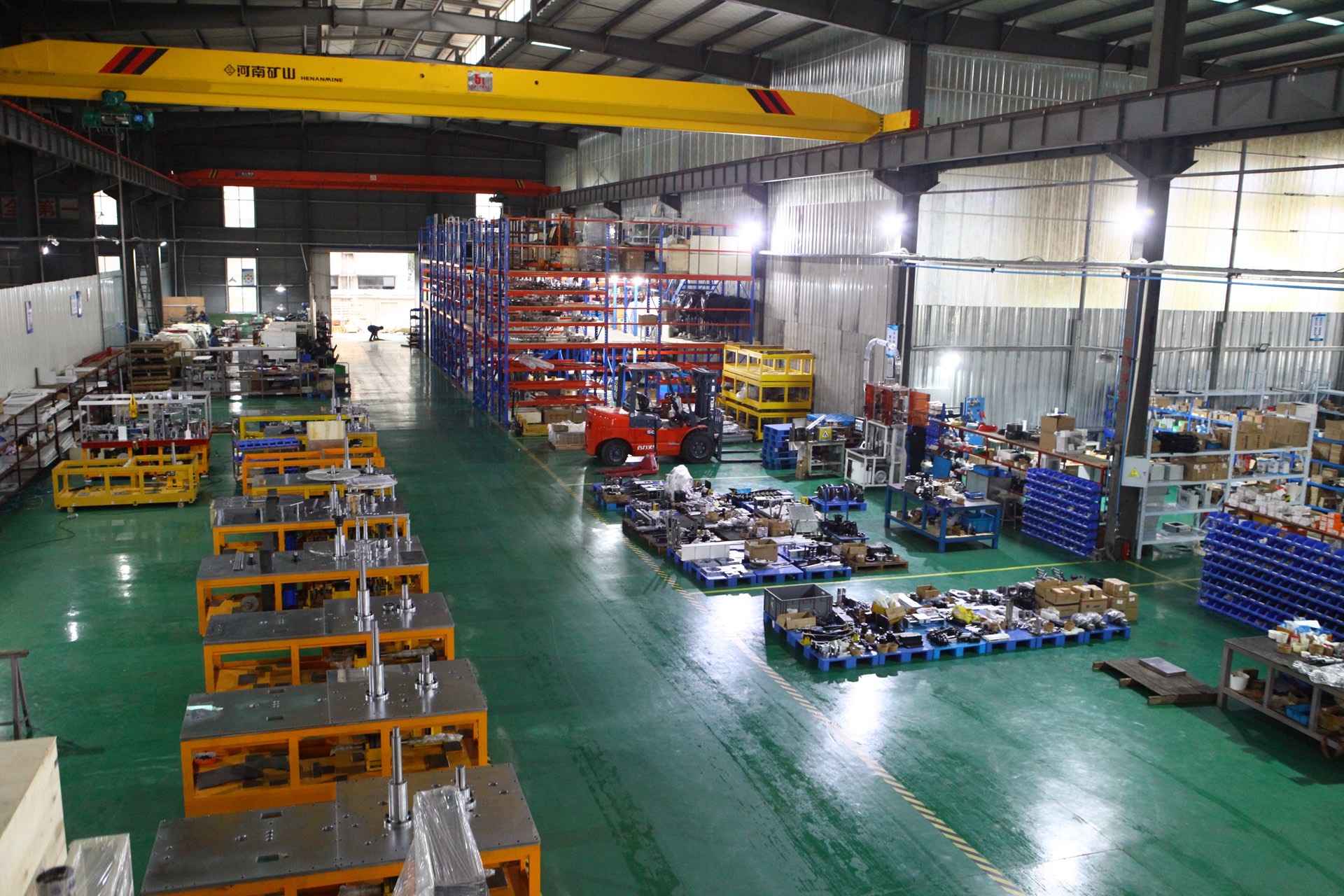
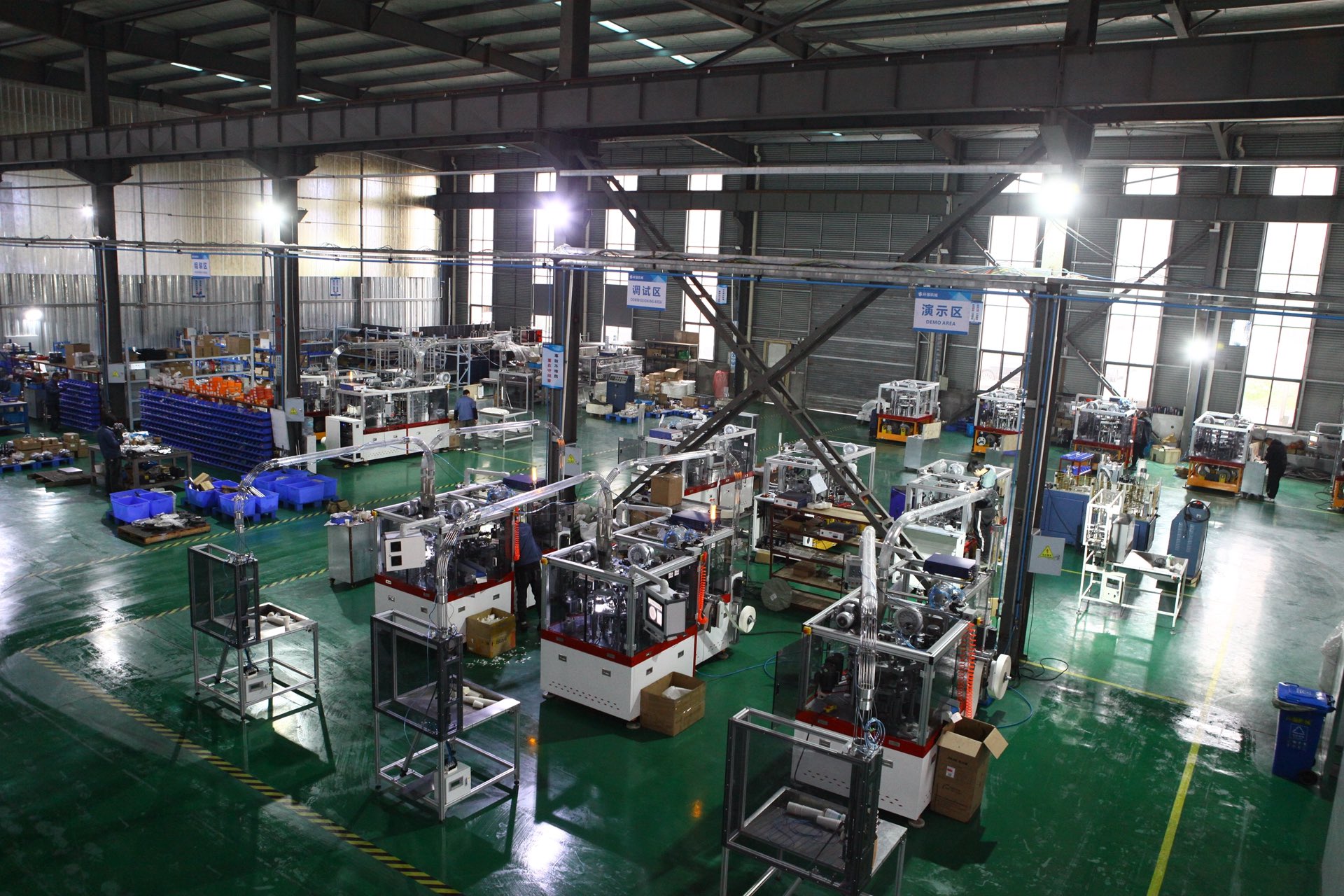
Our leadership in the global paper forming market rests on four vertical advantages designed to minimize operational downtime and reduce Total Cost of Ownership (TCO):
Led by senior mechanical design engineers, our independent R&D center integrates modular mechanical design, multi-axis servo coordination, real-time visual inspection, and remote maintenance tools.
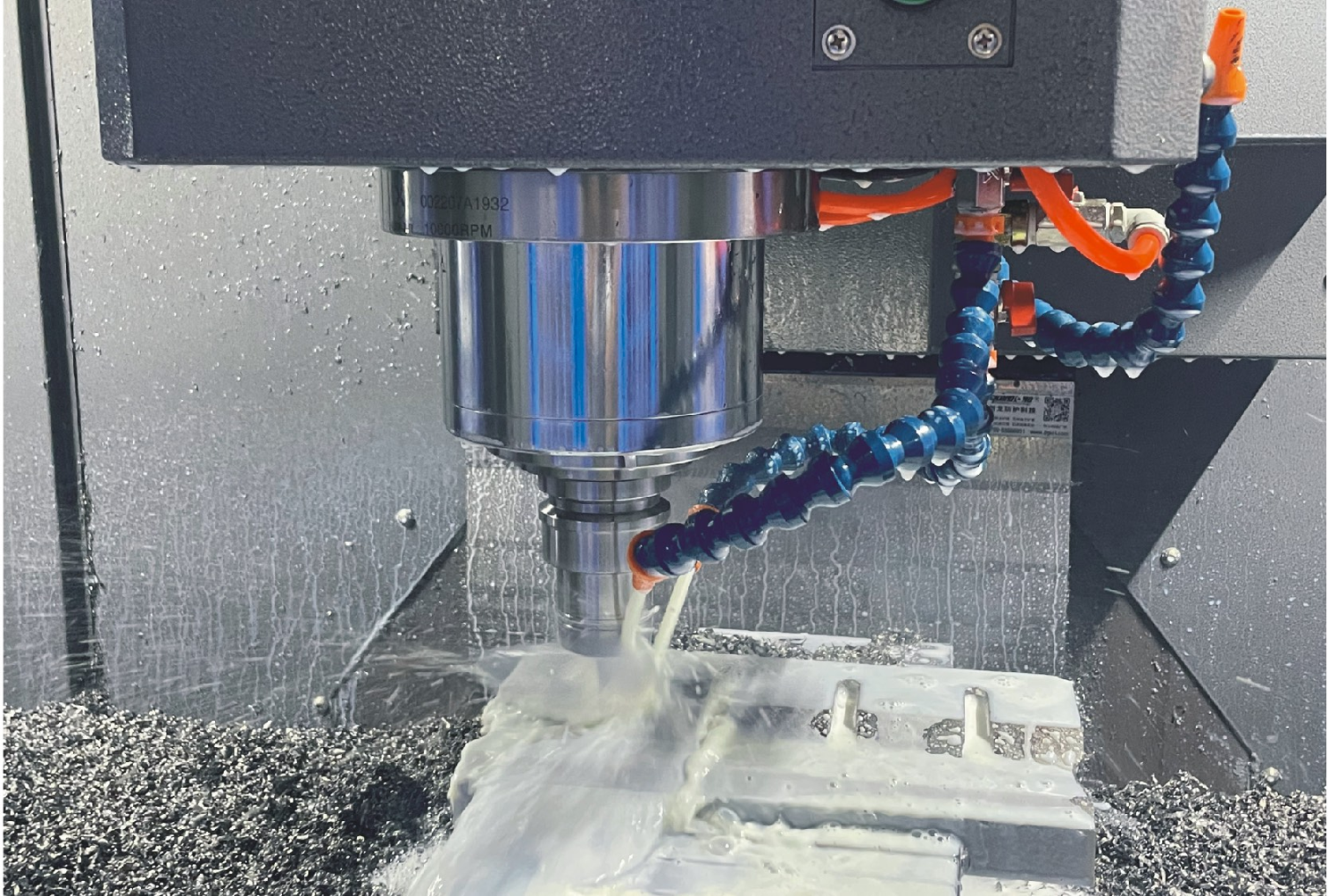
Every manufacturing step is monitored via 200 traceable inspection nodes. Using imported German 5-axis machining centers and round-the-clock structural fatigue platforms, we eliminate run-in time at the customer site.
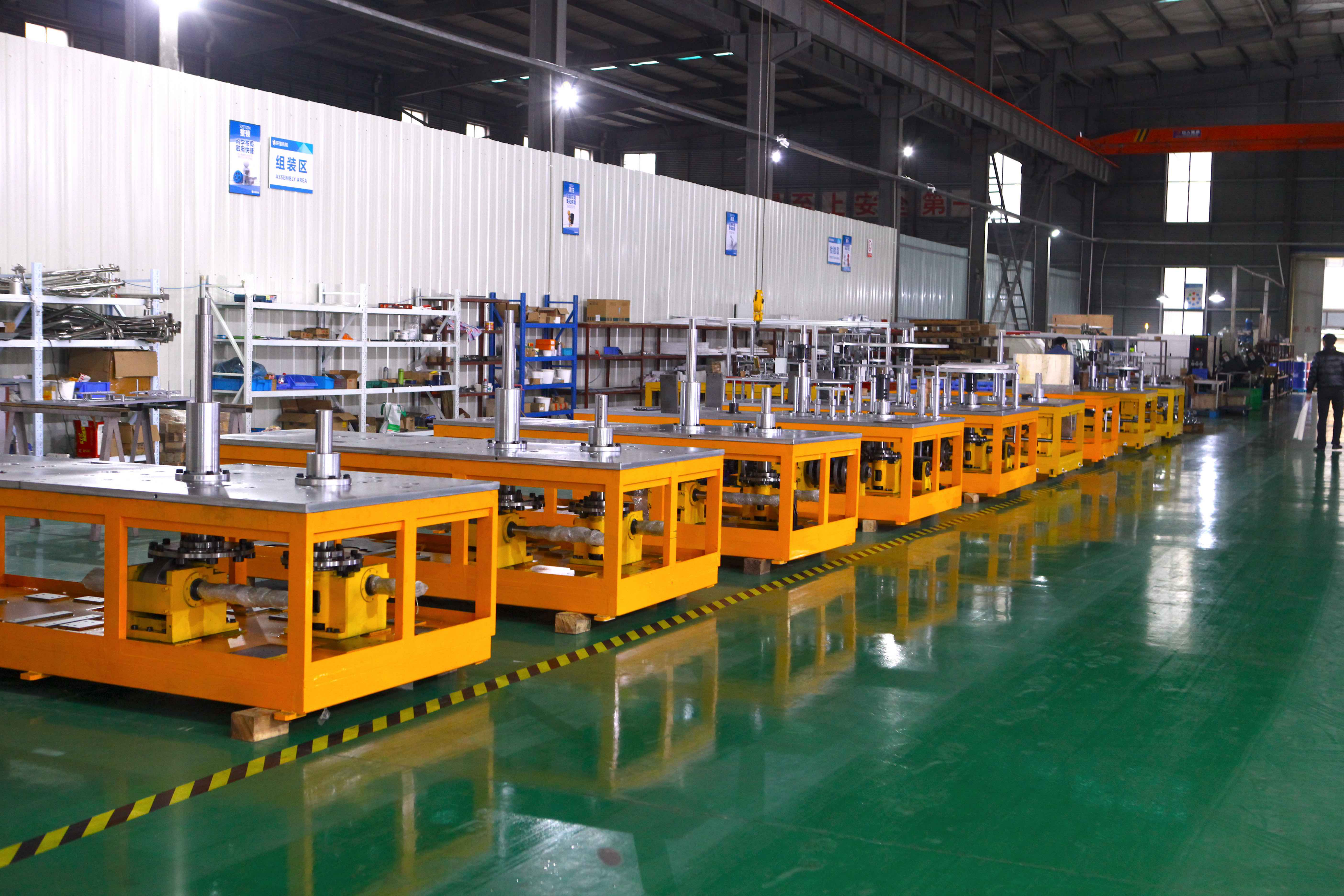
By keeping processing, thermal treatments, assembly, and testing in-house, we eliminate external delays. We offer competitive pricing, on-time delivery, and handle custom molds within 48 hours.
Our global assistance infrastructure provides round-the-clock responses. The integrated remote visual diagnostics program resolves up to 90% of calibration issues without requiring onsite technician dispatches.
Manufacturing round paper cups is relatively straightforward due to symmetric radial forces. The paper web can be wrapped around a conical mandrel with uniform pressure applied by rollers. However, forming oval, square, rectangular, or irregular geometries introduces significant engineering challenges. These include non-uniform tension distributions, uneven material drawing, and asymmetric folding profiles.
In an oval cup making machine, the side seam is formed on an asymmetric mandrel. Unlike circular shapes where hot-air or ultrasonic energy is distributed evenly, oval cups require multi-zone heat application. Over-heating causes thin polymer coatings (PE, PLA, or water-based barriers) to blister and degrade, while under-heating leads to seam delamination and leaks.
HQ Machinery solves this through zoned heater arrays and high-performance ultrasonic transceivers. These components target heat only at the overlapping seams, preventing structural deformation on the flat side sections.
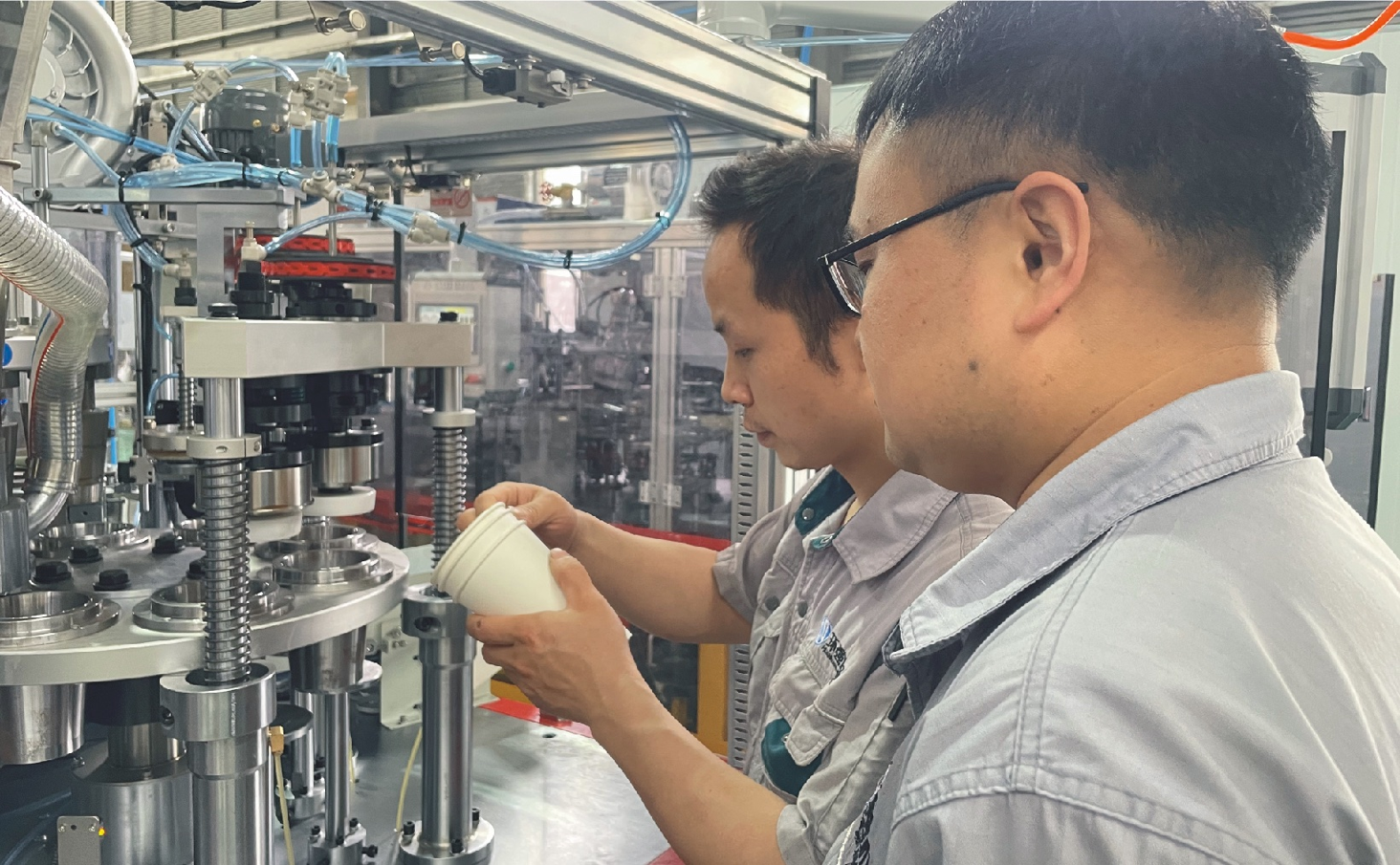
The top curl of a paper cup provides structural rigidity and a secure sealing surface for lids. For an oval cup, the lip-curling tool must handle both long, flat curves and tight, high-stress corners. Applying uniform rotational force to an oval lip typically causes paper wrinkling or tearing.
Our FCM200 series uses a multi-stage curling process driven by conjugate cams. This system applies variable radial pressure based on the changing profile, yielding a smooth, uniform curl without micro-tears in the paper.

The shift from purely mechanical link-driven machines to software-controlled multi-axis servo systems represents a major transition in paper container manufacturing. Both technologies offer distinct operational profiles for high-volume factories:
| Technical Characteristic | Mechanical Cam Linkage (Traditional) | Multi-Axis Servo Control (HQ FCM200 / CM300) |
|---|---|---|
| Tooling Changeover Time | 8 to 16 Hours (requires mechanical realignment) | 2 to 4 Hours (digital adjustment + modular molds) |
| Kinematic Profile Flexibility | Fixed mechanical path | Variable motion curves adjusted via HMI touchscreen |
| Wear & Maintenance Costs | High; requires regular lubrication and cam replacement | Low; fewer wear parts, digital overload protection |
| Forming Speed (Oval Containers) | 40 - 60 units per minute | 80 - 120 units per minute (dependent on geometry) |
| Integration with Inspection Systems | Manual or external add-ons | Built-in synchronization with Vision inspection systems |
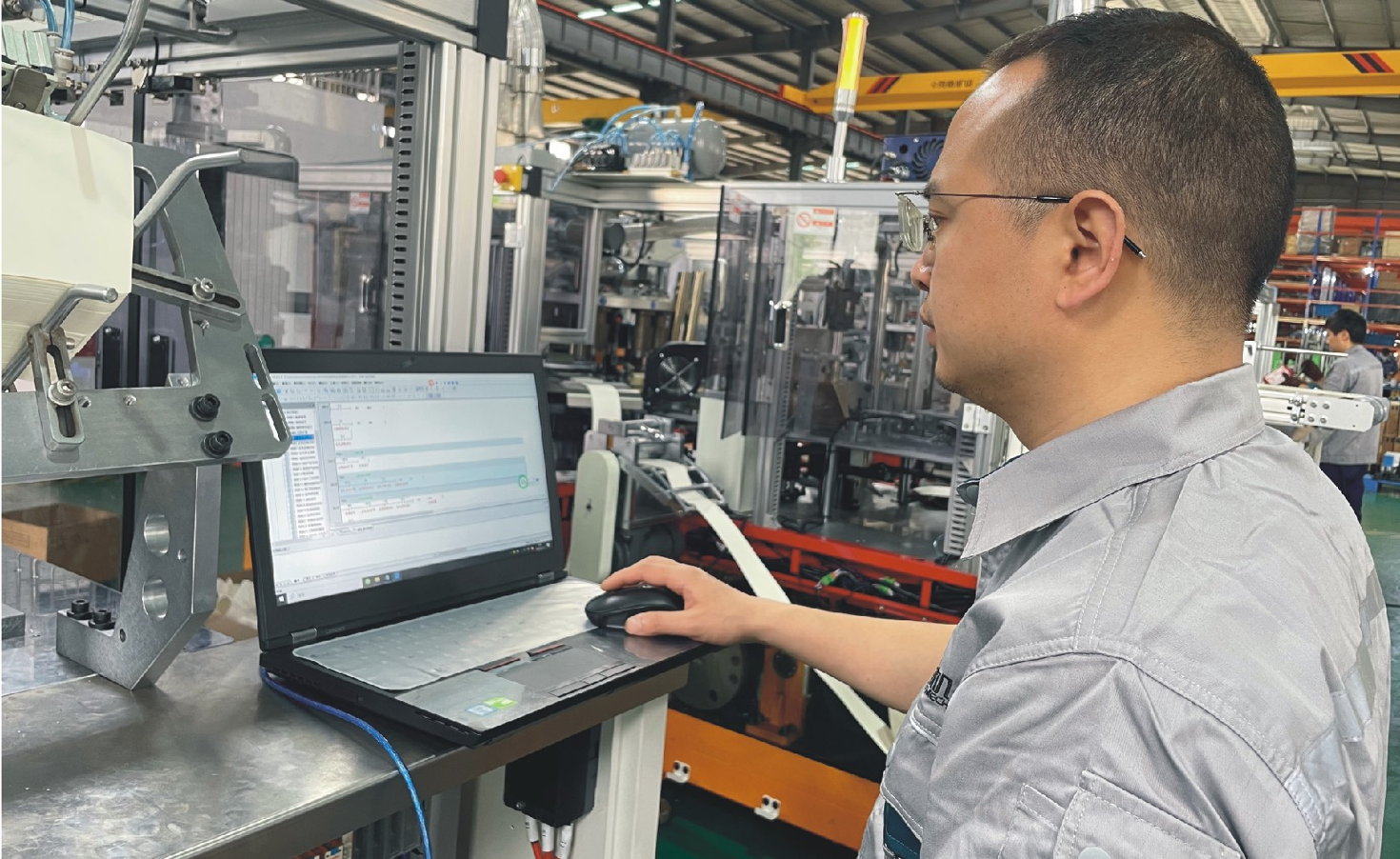
HQ Machinery integrates these two approaches based on production needs. We combine hardened, oil-immersed mechanical cams for primary indexing with precision servo motors for paper feeding, bottom punching, and rim forming. This hybrid design ensures long-term mechanical reliability while maintaining high speed and precision.
At Huanqiang Machinery, our engineering work is driven by three core principles:
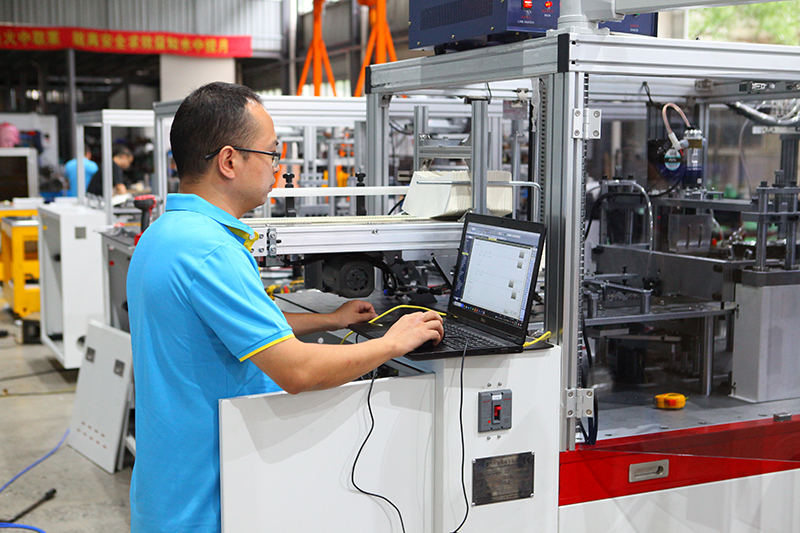
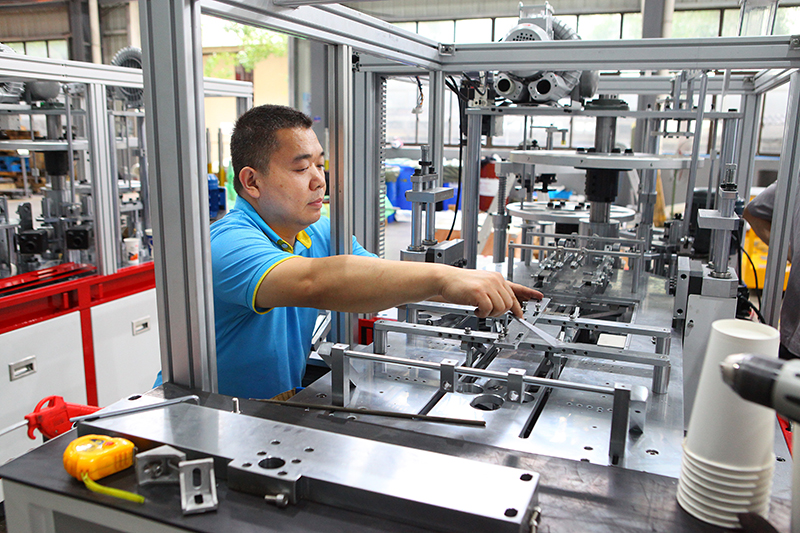
"We believe that a high-speed paper cup machine must be built for decades of continuous operation. Our commitment goes beyond delivery—we help clients scale production, reduce waste, and transition smoothly to sustainable materials."
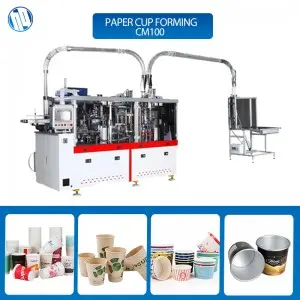
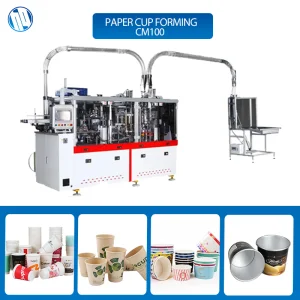
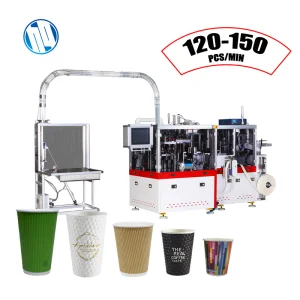
The CM100 is designed for high-speed, stable production of single and double PE-coated round cups. Operating at 90-110 cups per minute, it features an advanced indexing drive system, automatic lubrication, and multi-stage heating. It serves as an excellent foundation for packaging factories looking to establish a highly reliable round-cup baseline.
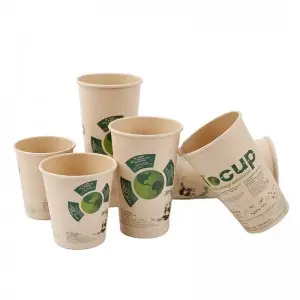
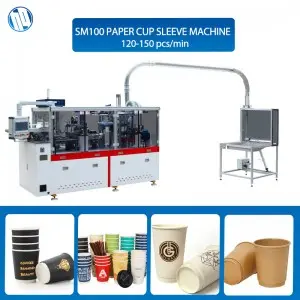
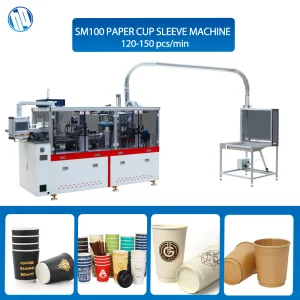
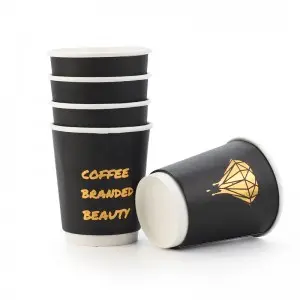
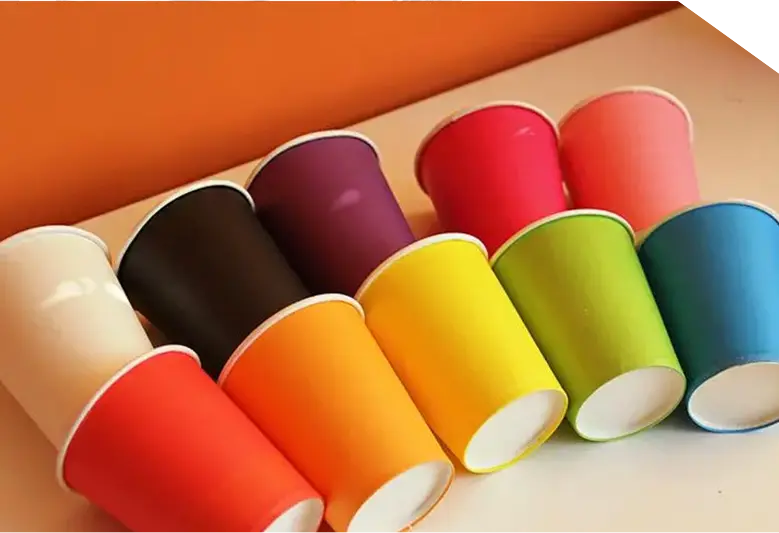
The SM100 applies outer sleeves to form double-wall, insulated, or ripple cups. This machine is essential for handling hot beverages, providing an insulating layer that protects the end user. It features precise glue application systems and registration sensors, ensuring outer wrap positioning aligns perfectly with pre-formed cups.
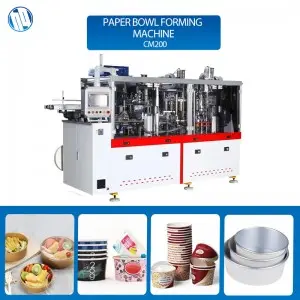
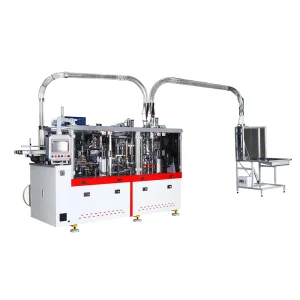
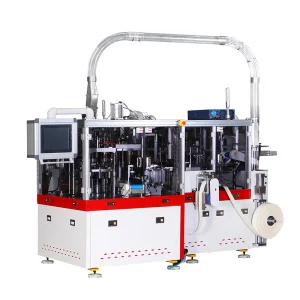
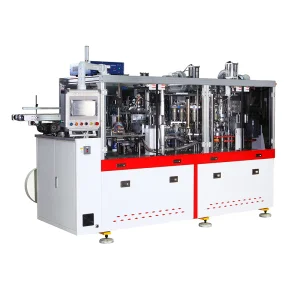
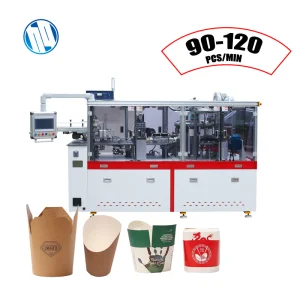
The FCM200 is our specialized solution for oval cups, square containers, rectangular tubs, and irregular geometries. Using a servo-driven feeding system and multi-axis tooling head, it handles asymmetrical folding challenges, variable radius curling, and non-uniform bottom sealing.

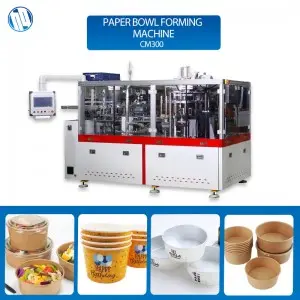
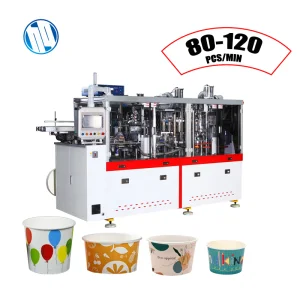
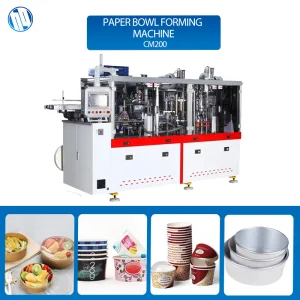
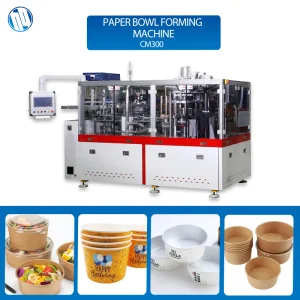
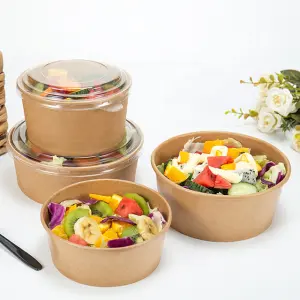
The CM300 is built for large-format paper bowls, takeaway salad containers, and wide-mouth vessels. It handles heavy cupstock paper grades and applies robust sealing parameters to prevent leaking at the bottom rim, meeting the durability demands of commercial food delivery.
The packaging market has seen growing demand for hybrid cups like the "Desto Cup" (handled by our CM100 Desto Cup machine). These designs combine a thin plastic inner liner with a structural cardboard outer wrap. This hybrid design reduces plastic content by up to 60% compared to pure plastic containers, while retaining complete barrier properties.
Our machinery folds and glues these multi-material structures at speed. The outer cardboard sleeve provides print-friendly marketing space and thermal insulation, while the inner cup maintains containment.
For procurement managers and factory owners, purchasing capital machinery involves evaluating more than just initial costs. Total Cost of Ownership (TCO), mechanical longevity, compliance with safety standards, and aftermarket support are all critical factors.
All HQ Machinery platforms, including the CM100, SM100, and FCM200 series, are built to meet CE and international safety standards. The electrical control cabinets feature components from reputable brands like Schneider, Siemens, and Omron, ensuring easy component replacement and local electrical compliance.
Before leaving our facility, every machine undergoes a strict testing protocol. We run the equipment continuously at target production speeds using the client's specific paper materials. This testing helps ensure the machine arrives at your site ready to produce with minimal setup time.
Oval cup and non-round container forming require precise tooling configurations. HQ Machinery maintains a digital library of all manufactured mandrels, heaters, and curling plates. If you need to introduce new sizes or replace worn tools, our CNC centers can fabricate and ship replacement parts quickly, helping minimize machine downtime.
The FCM200 Non-Round Container Forming Machine operates at speeds ranging from 70 to 100 units per minute, depending on the dimensions, material weight, and geometry of the container. Simple oval designs can run at higher speeds, while complex configurations with sharp corner radii may require slightly lower speeds to maintain clean folds.
Yes. Many of our platforms feature a modular design that allows for tooling changeovers. However, switching between round and oval formats requires replacing the entire mold set, including mandrels, side-wall folders, bottom-cutting dies, and top-rimming cams. Changeovers typically take between 3 to 6 hours for experienced technicians.
Traditional PE coatings are relatively easy to seal because they melt over a broad temperature range. Eco-friendly alternatives like PLA, PBS, and water-based barrier coatings have narrower thermal windows. Our machines address this by using multi-zone heating and variable ultrasonic sealing profiles, ensuring solid seals without compromising machine speeds.
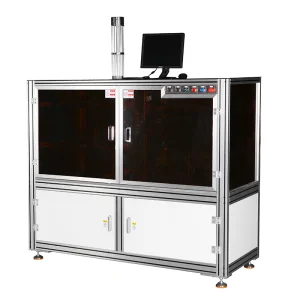
Our Visual Cup Inspection Machine uses high-resolution cameras and real-time processing to inspect the top rim, internal surfaces, and bottom seals of each cup. The system automatically rejects cups with defects, visual spots, or structural issues, helping ensure zero-defect packaging reaches your clients.
All Huanqiang machines are built to meet CE certification standards. We configure our control panels to match local voltages (such as 380V, 415V, or 480V) and integrate safety features like interlocked guard doors, optical light curtains, and emergency stop systems to ensure a safe working environment.
Our control systems include an Ethernet/Wi-Fi connection module. With the operator's permission, our support engineers can access the machine's PLC interface to diagnose issues, check sensor status, and update operating software remotely. This approach helps resolve approximately 90% of operation and calibration queries without requiring onsite support.
The CM300 is designed for heavy container applications and handles paper weights from 180 gsm up to 450 gsm. It is suitable for manufacturing thick single-wall soup bowls, wide-format salad containers, and double-wall insulated food packaging.
The SM100 SM100 Paper Cup Sleeve Machine receives pre-formed inner cups and wraps a secondary cardboard or corrugated sleeve around them. The machine uses hot melt glue to bond the sleeve, creating a dead-air space between the layers. This double-wall design provides excellent heat insulation and a cool-to-touch exterior for hot drink containers.
 Huan Qiang