Discover Huanqiang Machinery's leading machinery setups, engineered for exceptional structural stability, compliance, and optimized manufacturing cycles.
The global packaging landscape is undergoing a structural transition. Single-use plastic regulations, such as the EU's Single-Use Plastics Directive (SUPD), alongside carbon reduction mandates, have fast-tracked the adoption of paper-based and bio-coated alternatives. In this eco-conscious landscape, circular containers no longer meet the demands of modern delivery networks.
Non-round containers (rectangular, square, and custom polygonal formats) have become the gold standard for premium food delivery services. Their geometry optimizes transport volume, fitting seamlessly into secondary insulation bags and delivery boxes while maximizing branding area. However, forming high-barrier, non-round paper containers requires sophisticated engineering. Managing material stress at sharp corners, maintaining flange flatness for hermetic heat sealing, and ensuring consistency across varying paper grammages present unique manufacturing challenges.
Huanqiang Machinery addresses these manufacturing complexities with advanced, high-performance machinery. By integrating intelligent index drives, servo-controlled mechanical cams, and precision thermal components, our systems enable converters to scale up production of complex polygonal containers with minimal downtime.
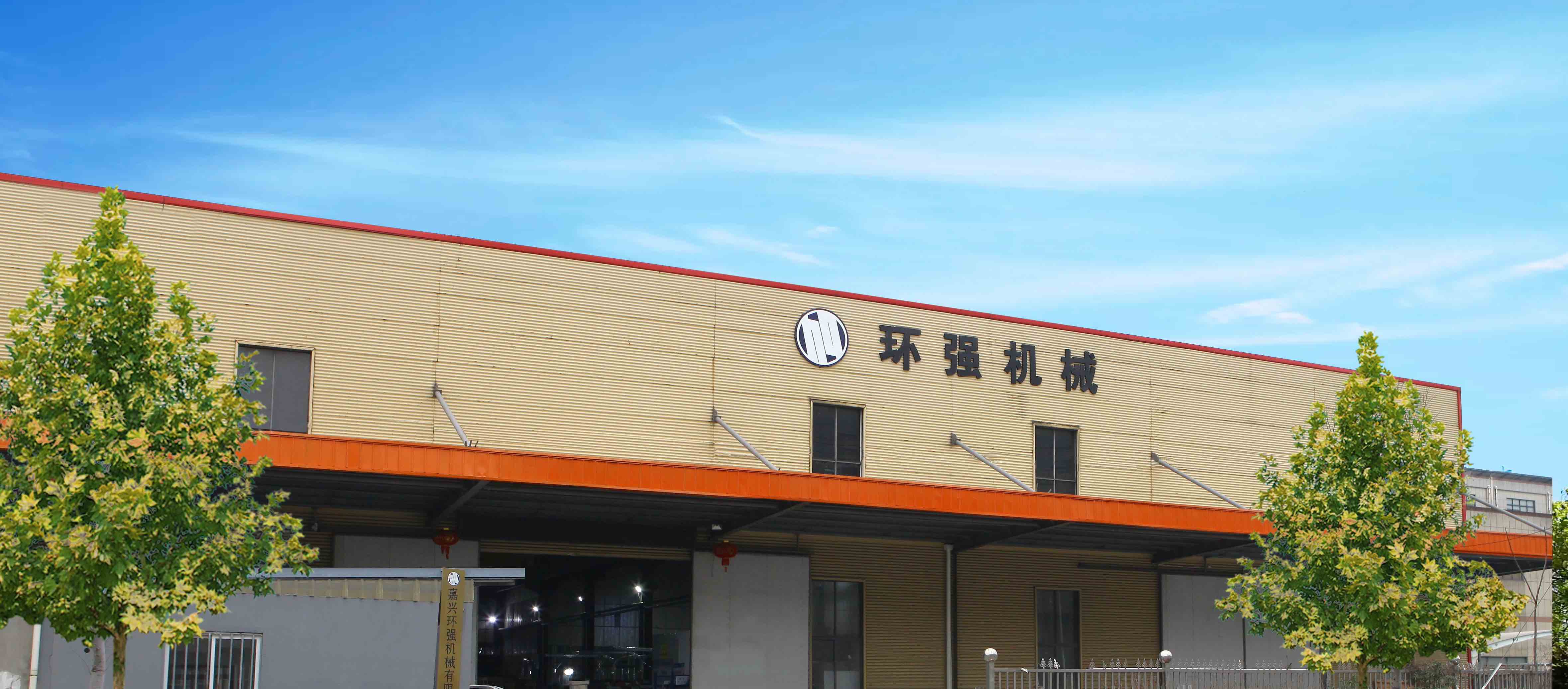
For nearly three decades, we have focused on a single objective: building high-speed, stable, and safe paper container packaging machinery for global converters.
Led by experienced engineers with decades of industry experience, we operate an independent R&D center with complete intellectual property rights. We have pioneered technologies in modularization, servo control, inline testing, and remote diagnostics, making equipment upgrades as straightforward as updating software.
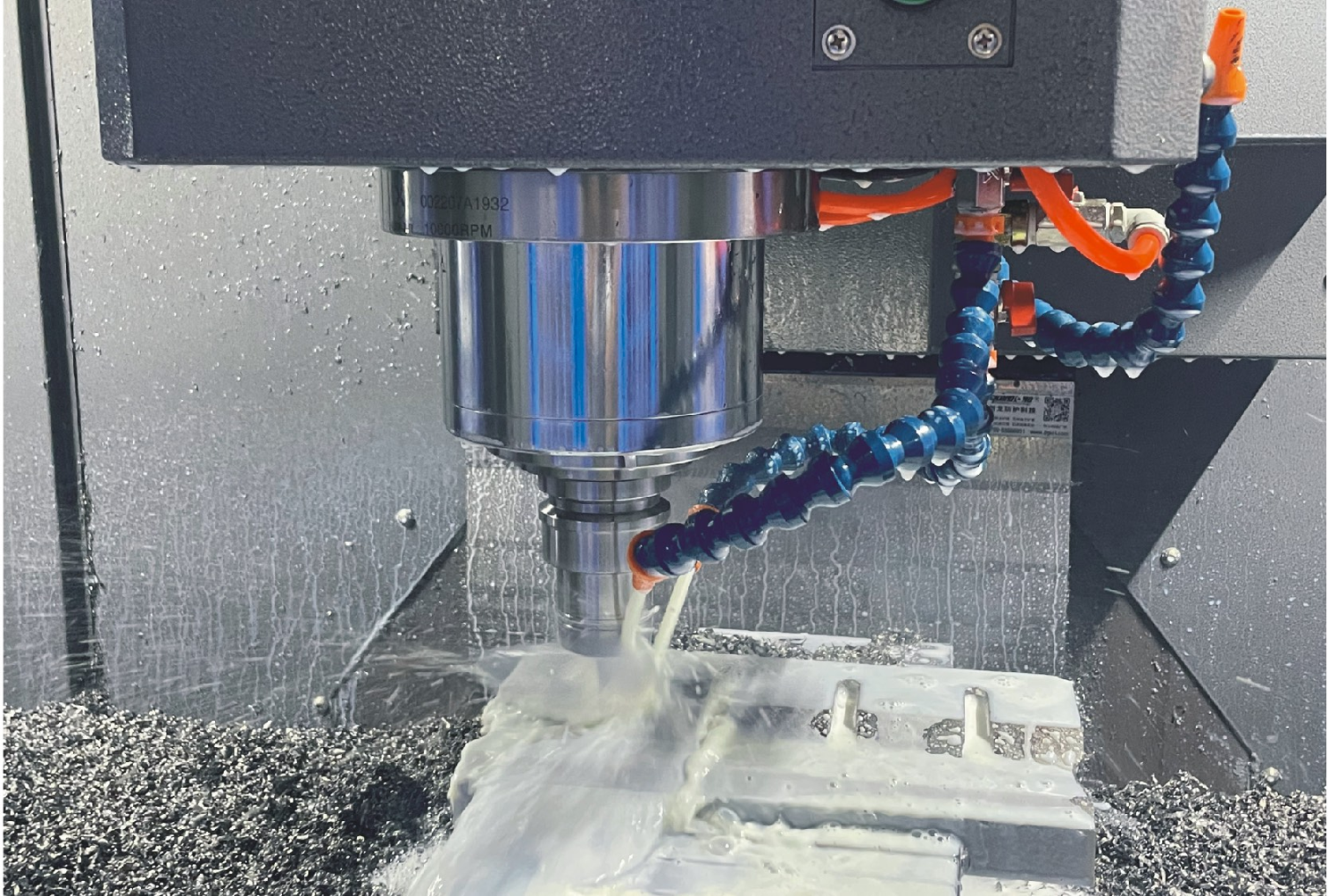
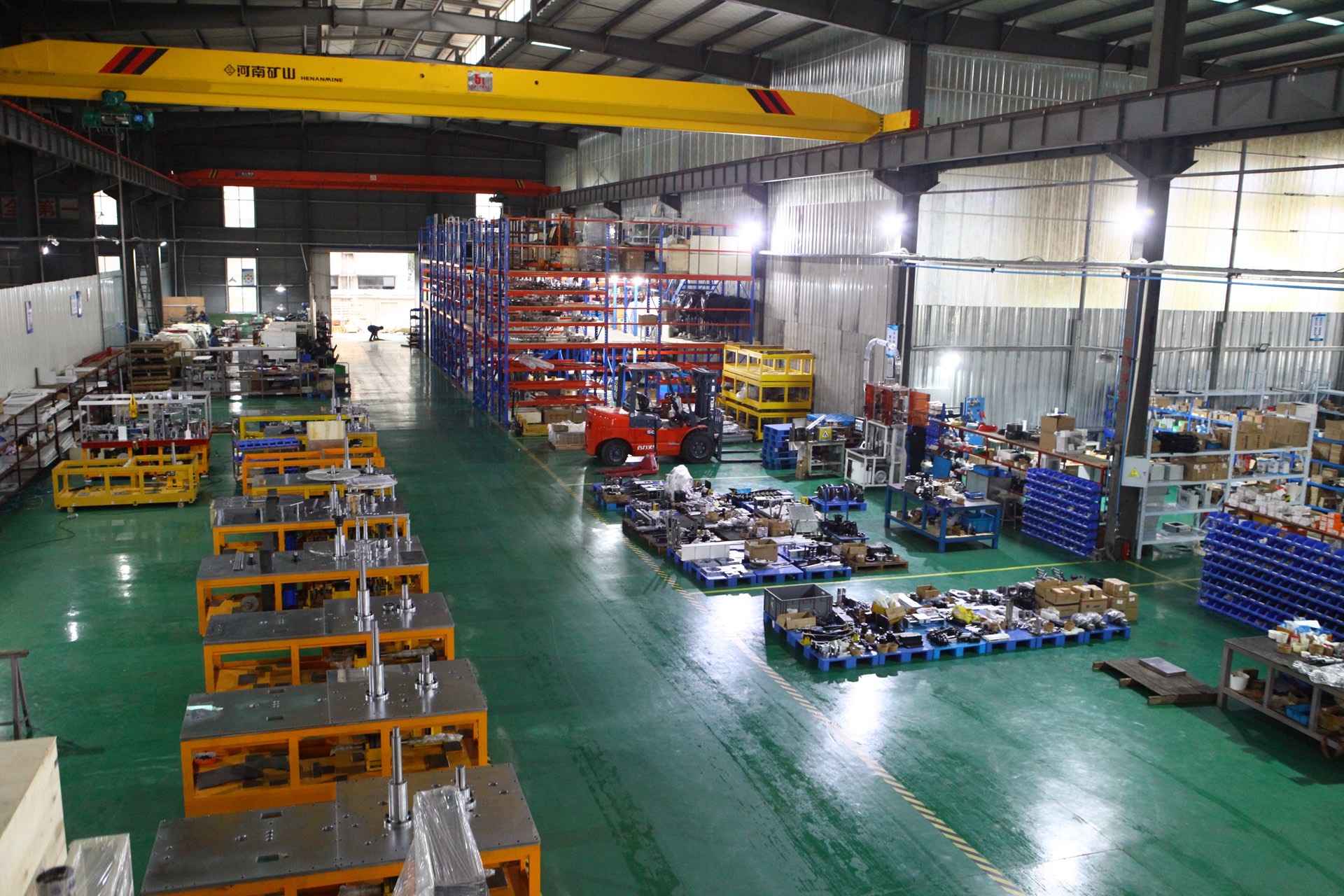
Our stringent "HQ Standards" govern production from raw materials to finished assemblies. With over 200 fully traceable inspection nodes, imported German five-axis machining centers, and 24/7 mechanical fatigue testing platforms, we ensure that every machine arrives production-ready at the customer's site.
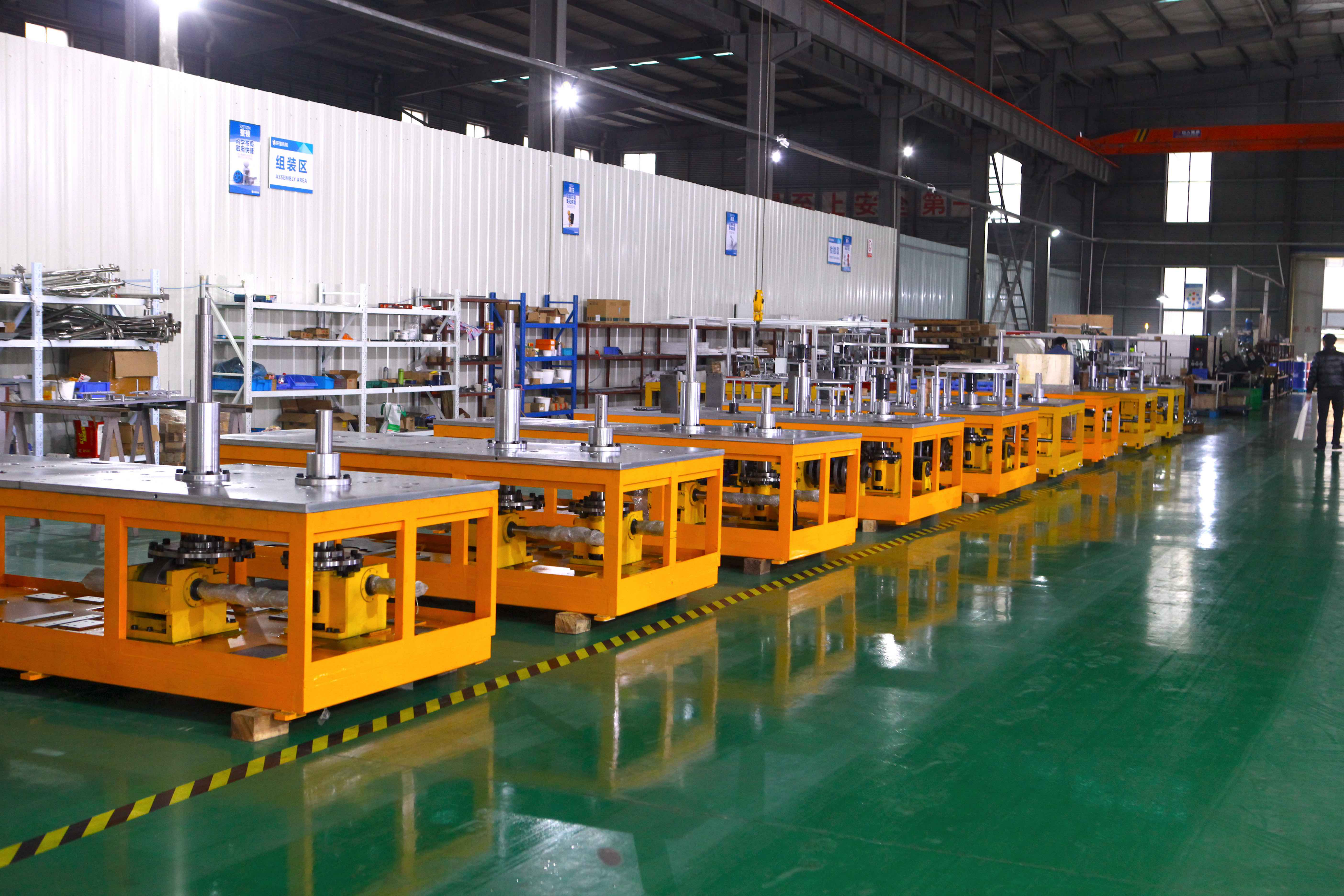
By managing fabrication, sheet metal processing, machining, and final assembly entirely in-house, we eliminate third-party delays. This vertically integrated process ensures competitive pricing and on-time delivery. Additionally, our flexible production line can accommodate custom orders within 48 hours.
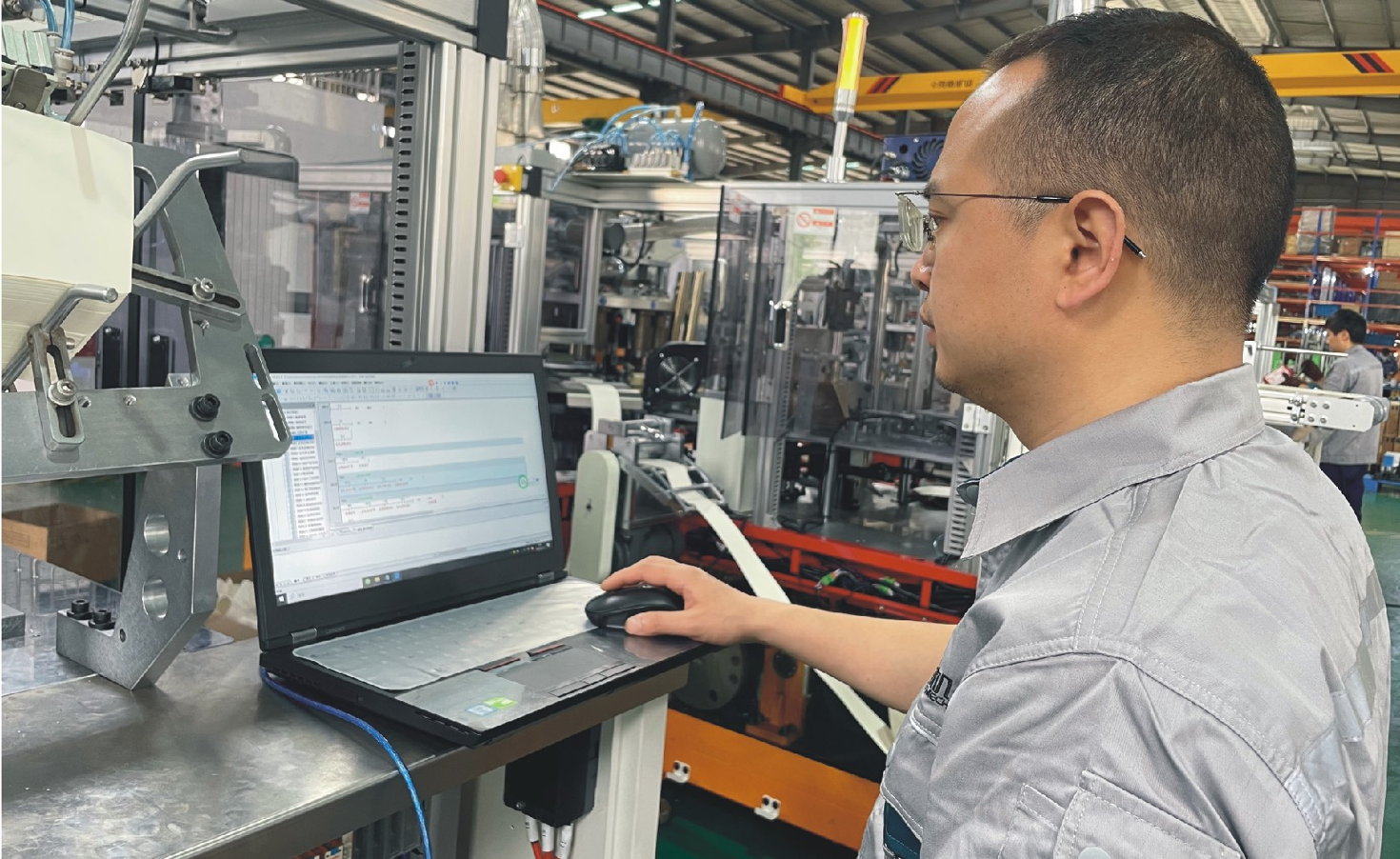
Our comprehensive sales and engineering infrastructure provides 24/7 technical assistance. Supported by secure IoT remote diagnostic links, our factory-trained technicians can resolve up to 90% of operating faults online, minimizing downtime.
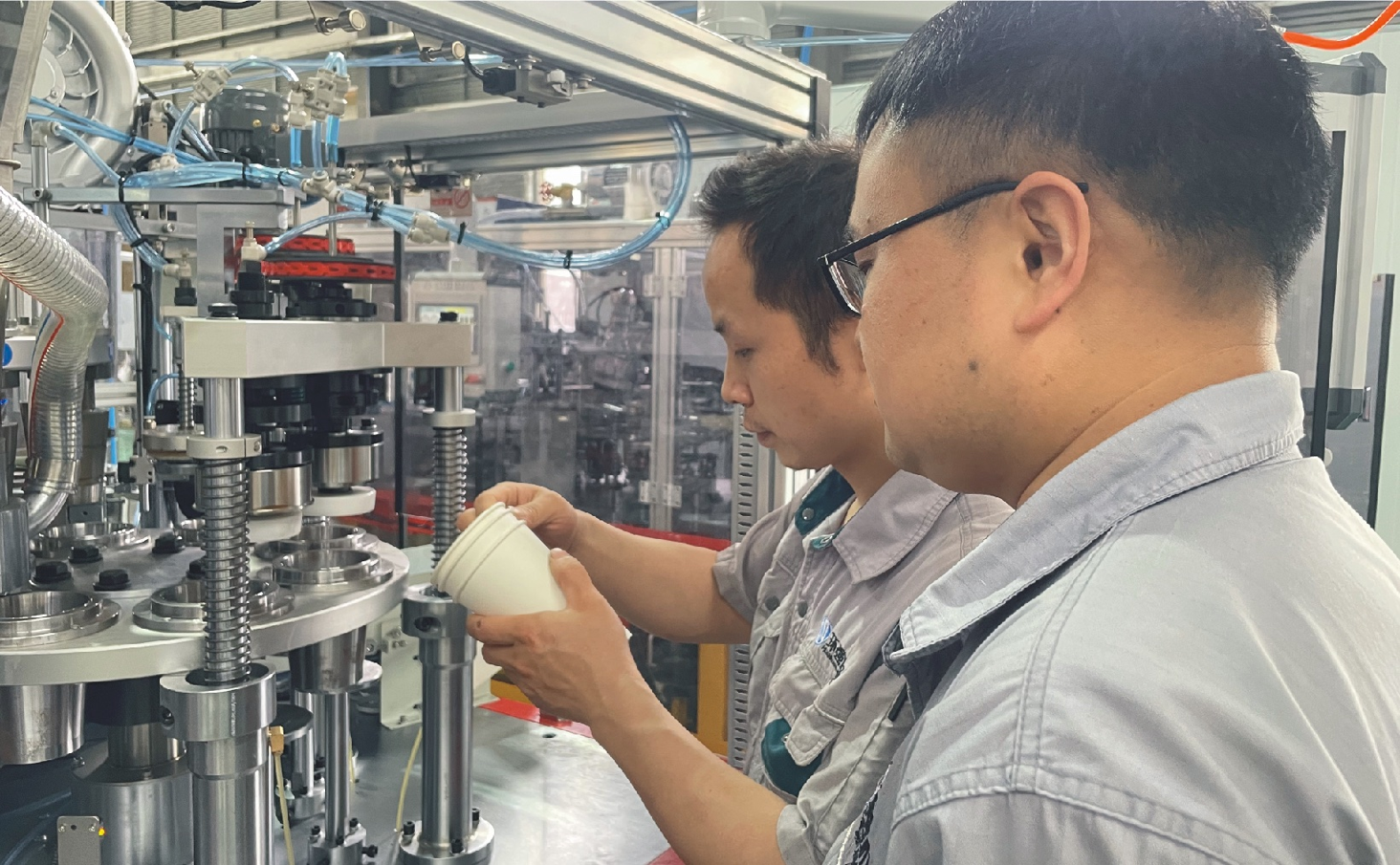
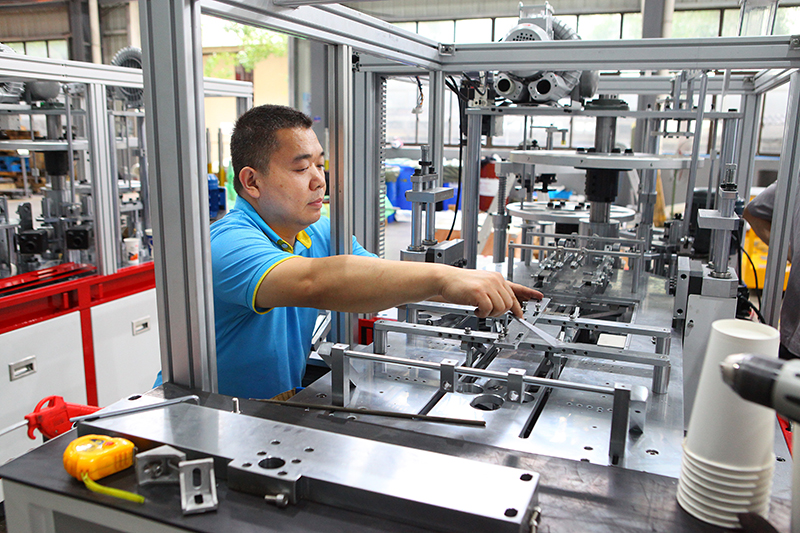
We design and construct our machines with close attention to detail. Every component—from the mechanical cams to the pneumatic actuators—is optimized to limit vibration, extend service life, and ensure consistent output during continuous operation.
We partner with clients from concept through to production. Whether adjusting for specific paper coatings or designing complex container shapes, our team supports you from initial drawings to final tool testing and manufacturing integration.
Forming circular cups relies on symmetrical radial forces. By contrast, forming non-round containers—such as rectangular, square, or hexagonal profiles—introduces irregular shear stresses across the paper web. Without precise force control, the substrate is prone to tearing at corners, wrinkling along sidewalls, or developing uneven flanges that compromise heat sealing.
To address these challenges, our machinery features localized pressure adjustments and independent tooling control. High-wear mechanical components are fabricated using CNC machinery, ensuring consistent alignments over long production cycles.
We also deploy high-frequency ultrasonic sealing heads alongside multi-stage contact heating units. This combination provides clean, leak-resistant seams on both standard PE laminates and biodegradable PLA or water-based dispersion barriers.
At HQ Machinery, we are guided by a dedication to quality, innovation, and precise engineering. These core values dictate how we design our machinery, work with our suppliers, and support our global clients. By maintaining high engineering standards and a clear purpose, we help our partners secure a competitive advantage in the packaging market.
Sustainability is central to our R&D efforts. The packaging industry is transitioning away from plastic-heavy configurations to eco-friendly, recyclable, and bio-degradable alternatives. We actively collaborate with raw material suppliers to test and refine forming systems compatible with next-generation papers, ensuring our clients can adapt to changing market requirements.
We invite converters to collaborate with our engineering team on new product designs, navigating the path from concept and structural drawings to prototype testing and full-scale factory deployment.
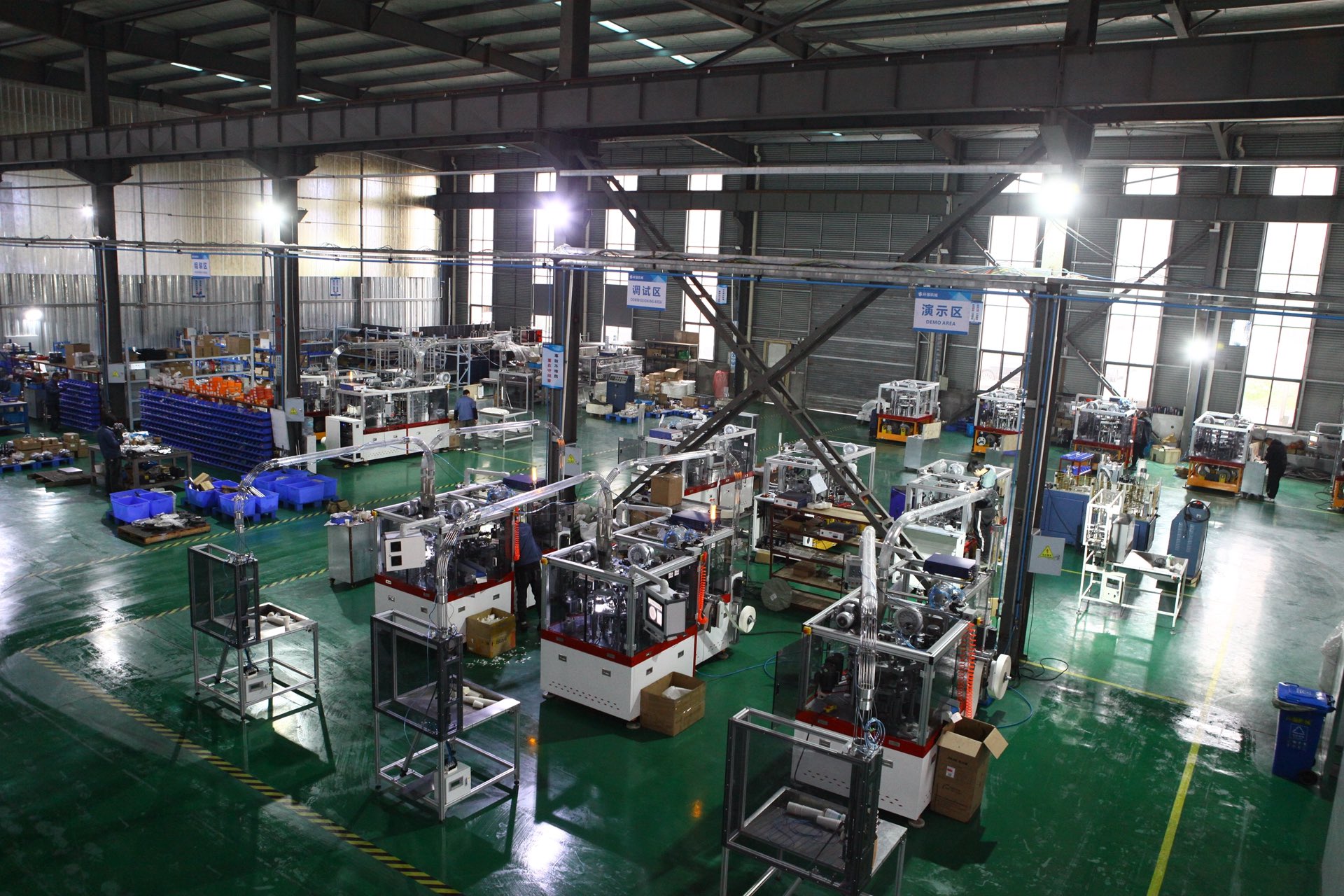
Detailed mechanical options engineered for diverse converting requirements, including high-speed tall cups, double-wall insulation, and non-round container forming.
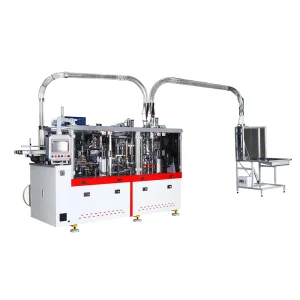
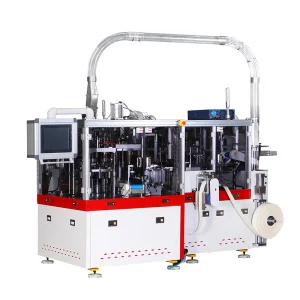
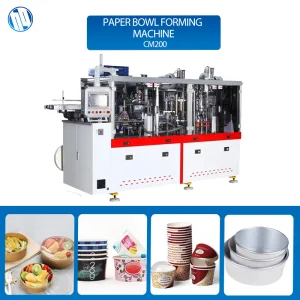
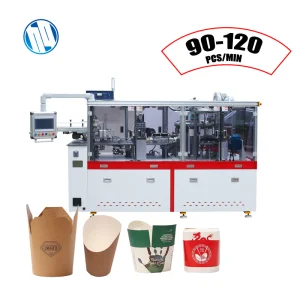
The FCM200 is designed specifically for non-round paper containers. It handles challenging geometries, including rectangular salad bowls, square take-away tubs, and polygonal boxes. Equipped with independent servo drives, it ensures precise paper placement and reliable bottom folding.
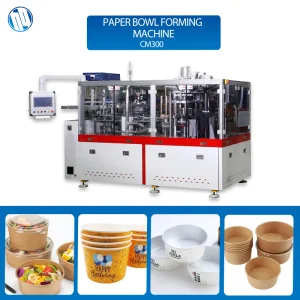
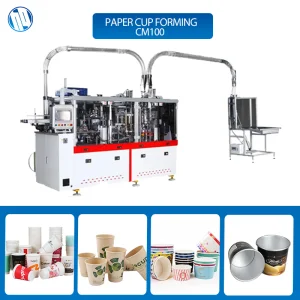
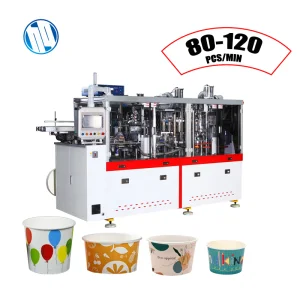
The CM100 and CM300 form the foundation of our high-speed converting solutions. The CM100 focuses on standard to mid-sized beverage cups, while the CM300 is optimized for wide-mouth soup bowls and large-capacity food service containers.
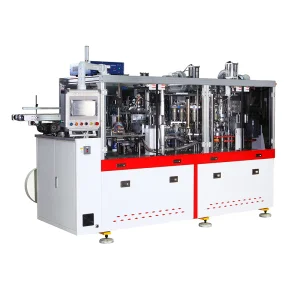
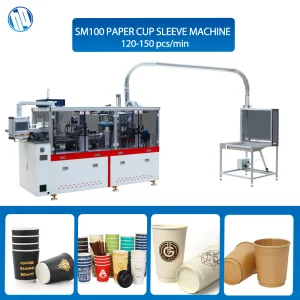
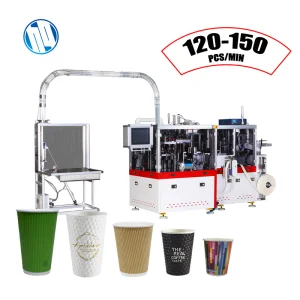
The SM100 is engineered to apply outer sleeves to paper cups. It produces insulated double-wall and ripple cups, delivering reliable thermal protection for hot beverages and demanding take-away applications.
How our manufacturing infrastructure helps global packaging operations balance capital efficiency and technical performance.
Eastern China's precision manufacturing clusters provide a robust ecosystem for machinery production. By sourcing high-grade cast iron, steel, and electronic components locally, we optimize production lead times. Our in-house manufacturing covers sheet metal work, machining, and heat treatment, reducing exposure to external supply chain disruptions.
This direct oversight of production keeps our machinery cost-competitive without sacrificing quality. Over 27 years, we have built relationships with leading global component suppliers, integrating premium control components into our standard production lines.
To ensure reliable performance in continuous, high-volume production, we subject our machinery to intensive testing. Before shipping, each machine runs continuous production trials under load at our testing facilities. This setup simulates field conditions, helping to verify alignment, mechanical timing, and heat consistency.
Our QA process includes laser tracking to verify indexing precision and coordinate measuring machines to inspect tooling tolerances. This detailed preparation ensures that when a machine is delivered, it can quickly reach standard production speeds with minimal startup adjustments.
Packaging applications vary by region due to local food service habits and recycling policies. Our machinery is engineered to adapt to these regional differences, processing a wide variety of substrates and coatings:
Additionally, our modular tooling allows operators to adjust forming parameters based on regional humidity and temperature changes. This maintains shape consistency and tight bottom curls, even when working with varying qualities of paper stock.
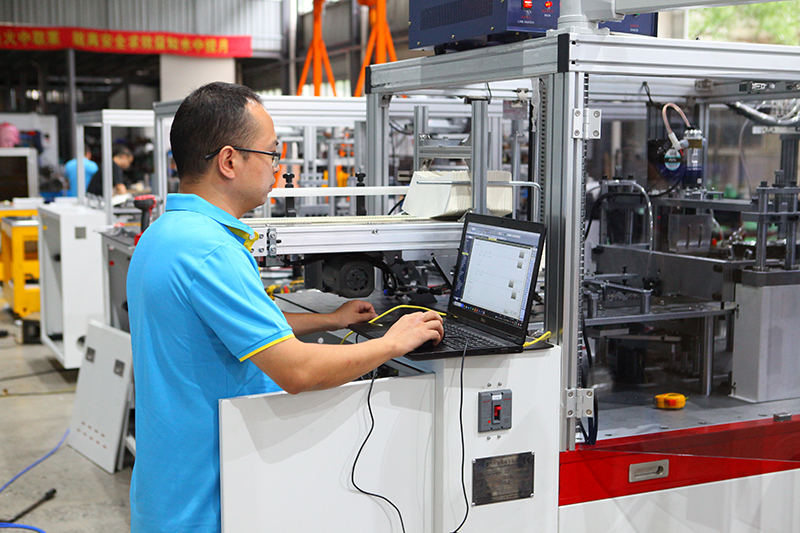
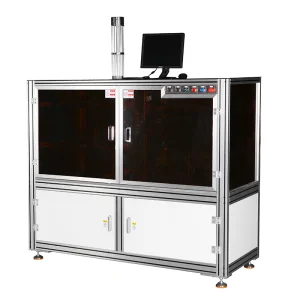
Modern high-speed converting lines require automated quality control to prevent defective containers from reaching packaging lines. HQ Machinery addresses this need by integrating real-time imaging systems, such as our Visual System Cup Inspection Machine, directly into production workflows.
These systems use high-speed cameras to inspect every container for blemishes, oil stains, malformed rims, or incomplete bottom seals. Defective units are flagged and pneumatically rejected at full production speeds without interrupting the line.
Furthermore, our control architectures support IoT connectivity. This allows production managers to monitor key telemetry—such as temperature variations, heater duty cycles, and drive loads—helping them plan maintenance ahead of time to avoid unscheduled downtime.
Detailed technical and commercial answers from our engineering team to help you navigate machine selection, tooling adjustments, and material compatibility.
Explore our equipment options and select the configuration that matches your target container sizes, materials, and production speeds.
 Huan Qiang