Explore our foundational range of high-efficiency paper container forming systems engineered to satisfy rigorous packaging tolerances.
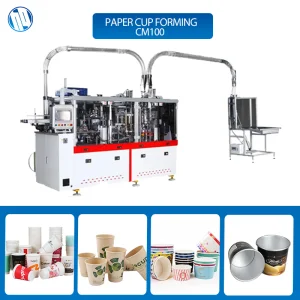
The core workhorse for single and double PE coated paper cups. Configured with an integrated indexing gear transmission system.
Learn More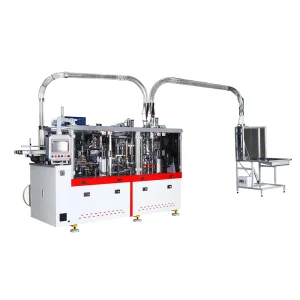
Engineered for lightweight paper-plastic hybrid Desto cups, balancing rigidity, insulation, and material cost optimization.
Learn More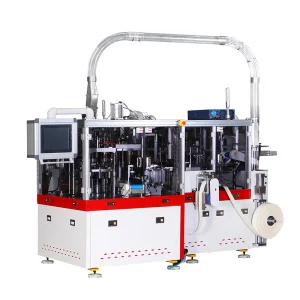
Optimized stroke design for extreme heights. High stability during bottom punching and folding cycles on heavy-duty packaging.
Learn More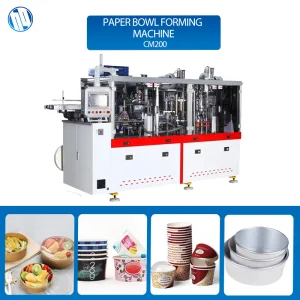
Pioneering design for multi-shaped, polygonal, square, and oval containers utilizing custom-molded tooling assemblies.
Learn More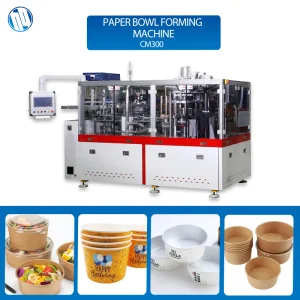
Robust machine layout for soup bowls and large instant-noodle packaging. Engineered to handle high grammage paperboards.
Learn More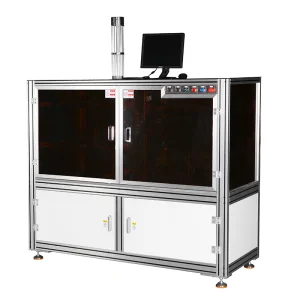
AI-driven visual sorting line that monitors internal contamination, bottom defects, and dimensional anomalies in real-time.
Learn More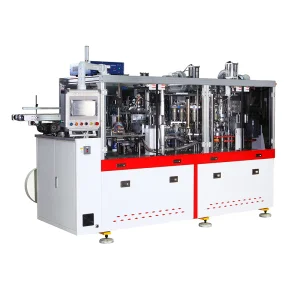
Industrial-scale performance for medium-to-large capacity cups, delivering precise knurling and high uptime efficiency.
Learn More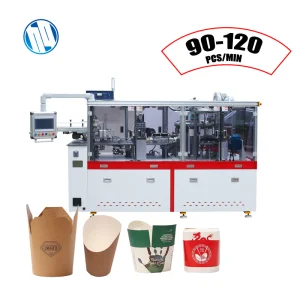
Specially customized layout for take-away packaging, aligning precise side-seam sealing with robust continuous operation.
Learn MoreYears Industry Experience
Inspection Traceability Nodes
CE & Quality Certified
Remote Online Diagnosis
A strategic analysis of modern consumer preferences, engineering limitations, and procurement requirements for oval cup manufacturing lines.
In the highly competitive Fast-Moving Consumer Goods (FMCG) market, packaging is no longer just a vessel; it is a primary brand differentiator. Across Europe, North America, and Asia-Pacific, consumers are steering away from traditional round cups. The demand for oval cup forming machines, square paper tubs, and polygonal takeaway containers has surged by over 38% since 2021. Why is this shift happening?
First, retail shelf optimization is paramount. Oval and non-round containers offer a broader billboard facing area. This maximizes front-of-pack brand exposure, giving products a larger optical appearance on supermarket shelves compared to standard round alternatives. Furthermore, oval configurations maximize pallet utilization by removing "dead zones" of empty space during secondary transport packaging. Manufacturers report a 12% to 15% reduction in carbon footprint across logistics operations when changing package geometry from round to nested oval shapes.
Forming an oval paper container is far more complex than processing a standard round cup. In round cups, forces and pressures during folding, side sealing, and bottom knurling are distributed symmetrically. An oval geometry, however, introduces variable radii: the tight curves at the ends contrast with the flat, parallel sections on the sides. This variable geometry leads to two primary mechanical issues: uneven paper tension and irregular heating curves during side-wall sealing.
To overcome these issues, a premium non-round container forming machine like the FCM200 utilizes multi-axis servo systems instead of mechanical cams. Indexing movements must be micro-adjusted to slow down near sharp curvatures and speed up along flat spans. Bottom heating systems must also be zoned, distributing different temperatures to prevent localized blistering or inadequate sealing. This process ensures leak-free cups for liquid applications, such as yogurt, hot soup, and margarine.
A Chinese Manufacturing Expert with 27 Years of Focus on Paper Cup Forming Equipment
For 27 years, we've focused on one thing: making paper cups faster, more stable, and safer for the world.
From our first paper cup machine to our current comprehensive intelligent production lines covering round cups, square cups, special-shaped cups, paper bowls, and paper lids, Huanqiang Machinery has consistently driven innovation and prioritized quality, providing one-stop paper container solutions for customers worldwide.
Innovation and exploration into sustainable packaging is a top priority for us. The HQ team is committed to meeting your requirements as well as helping you to create new markets. One of our goals is to develop alternatives to replace traditional, non-renewable, or non-recyclable packaging to meet the needs of today's industry.
We also offer the option to work together on the development of new products, from brainstorming to drawings and from sample production through to final realization. Get in touch today and discover how your company can benefit from HQ Machinery.
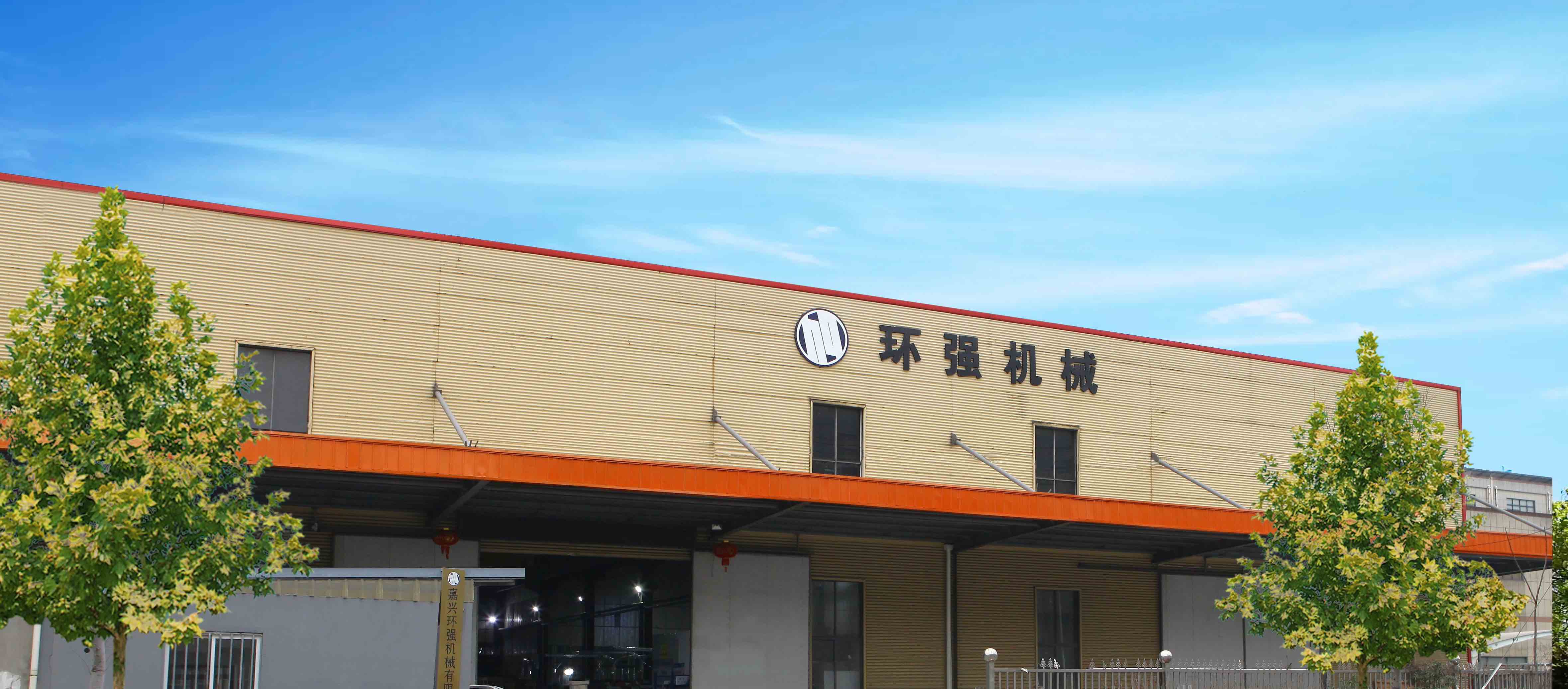
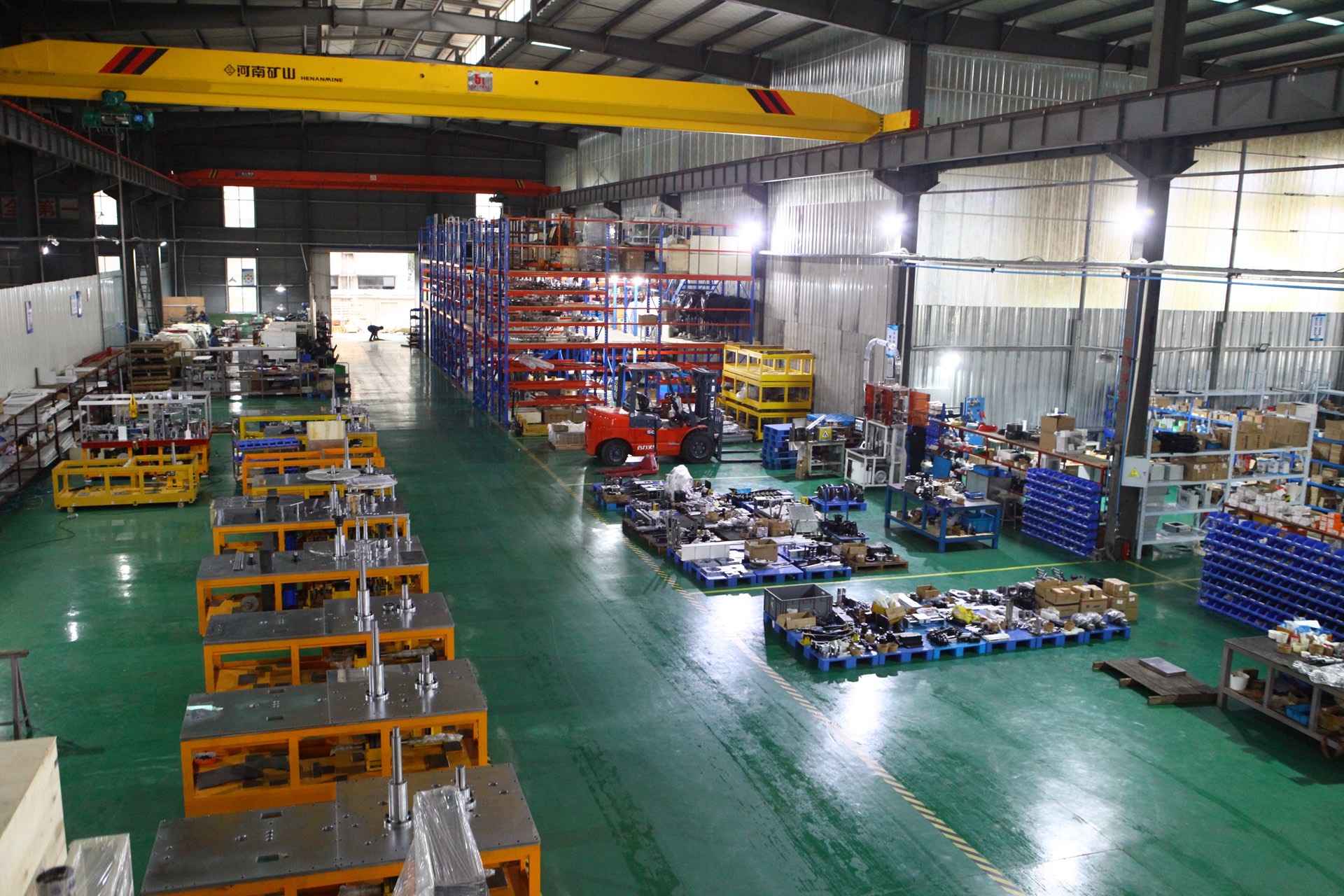
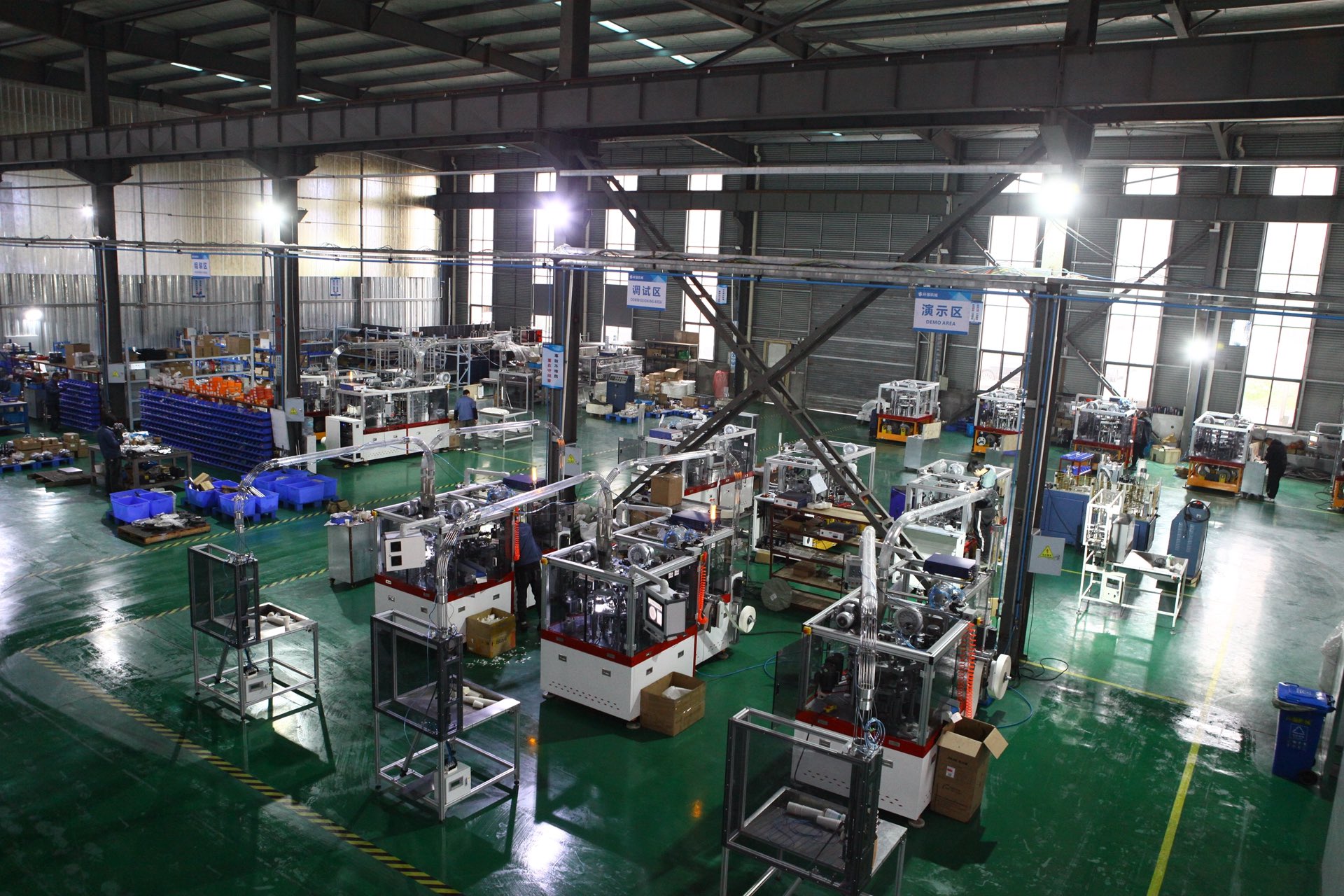
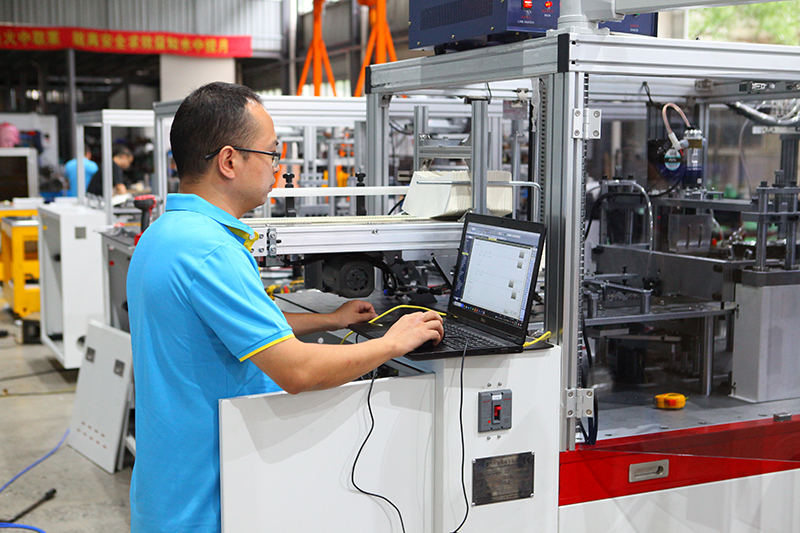
Why Tier-1 Packaging Manufacturers Choose Huanqiang Machinery for Complex Forming Infrastructure
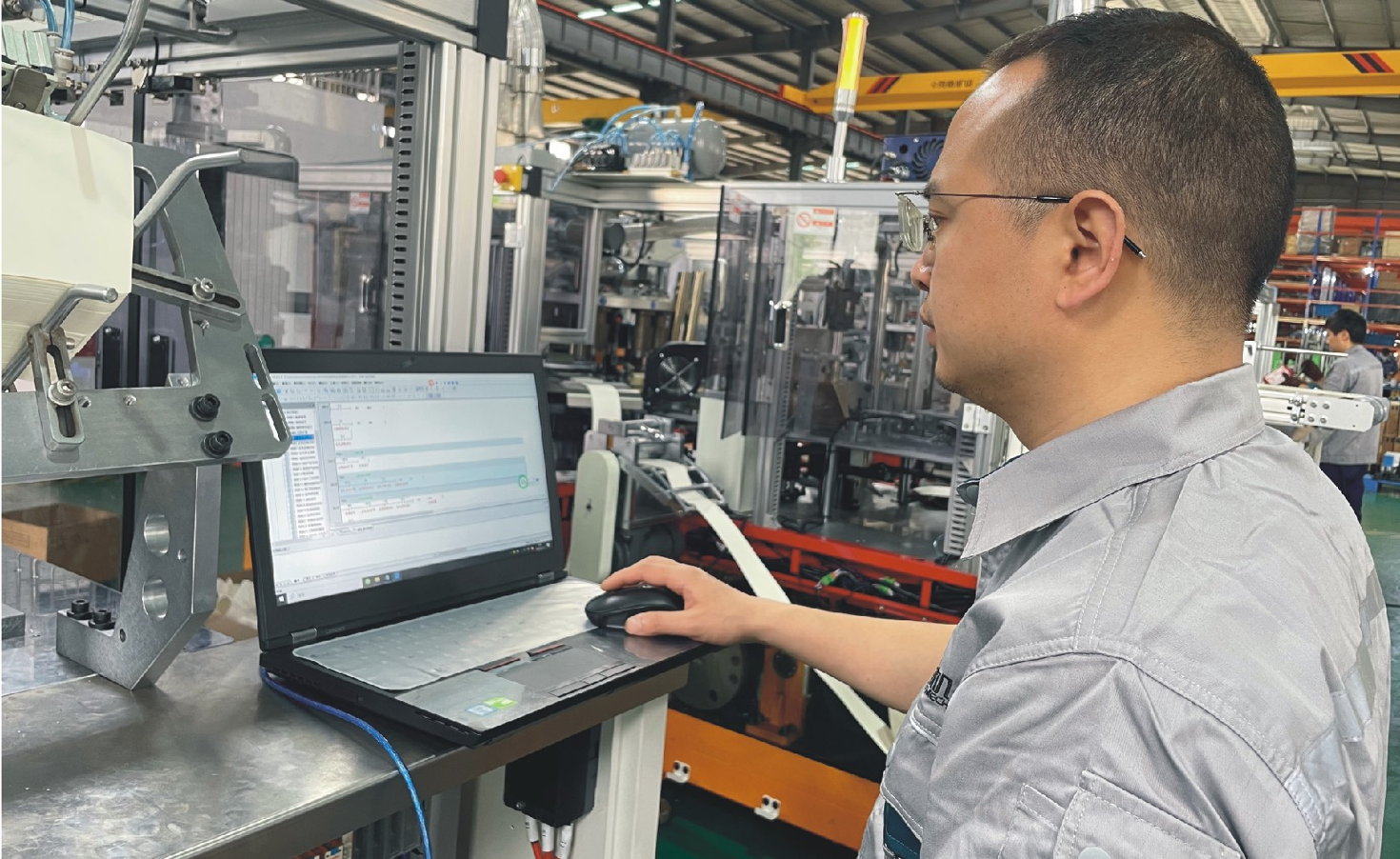
Led by experienced engineers with decades of industry experience, we have an independent R&D center and complete intellectual property rights. Annual R&D investment consistently exceeds the industry average, pioneering modularization, servo control, online testing, and remote operation and maintenance.
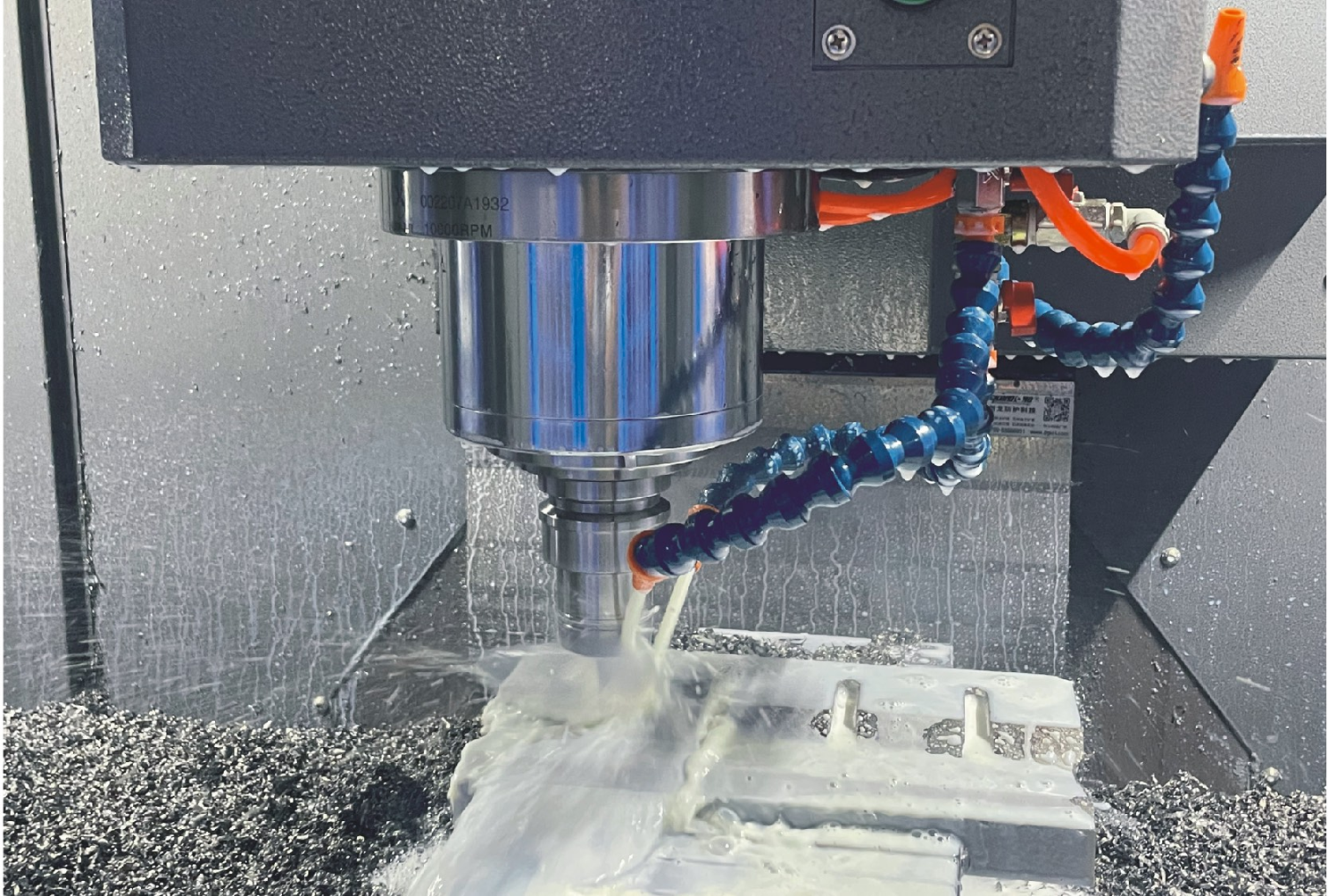
We maintain our stringent "HQ Standards" across all stages of production. From raw materials to finished products, over 200 inspection nodes are fully traceable. Standardized production workshops, imported German five-axis machining centers, and 24/7 fatigue testing platforms ensure machines arrive zero run-in ready.
From sheet metal processing and machining to final assembly, we complete everything in-house. This eliminates middleman costs and guarantees on-time delivery. Our flexible production lines can accommodate custom orders within 48 hours to meet diverse manufacturing schedules.
Integrated R&D, production, sales, installation, and after-sales service with 24/7 response times. Our integrated remote diagnostic systems resolve up to 90% of technical faults online, keeping your plant operational with minimal downtime.
From the beginning, our company was focused on developing a culture of quality, innovation, and excellence. We live by our Core Values - Precision, Innovation and Passion for engineering. They guide how we treat each other, our customers, and how we tackle our work. With strong Core Values and a clear purpose, our company achieves better performance.
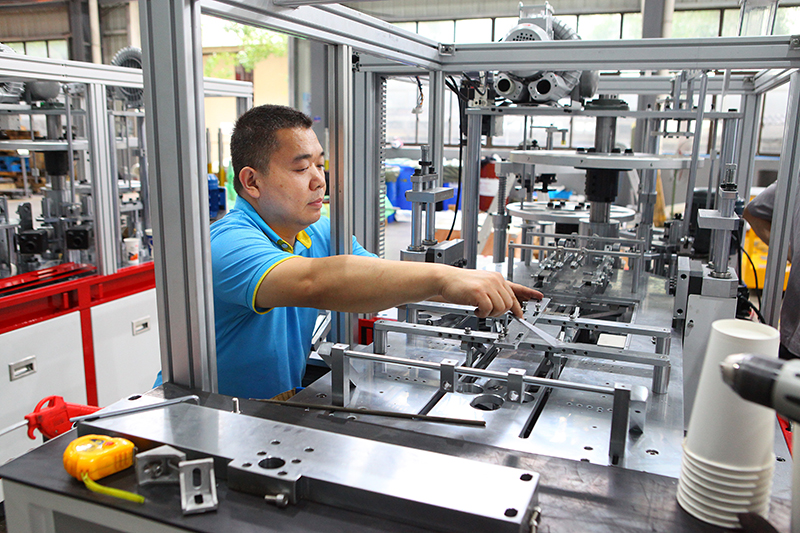
How we apply engineering precision to non-standard requirements and complex component processing
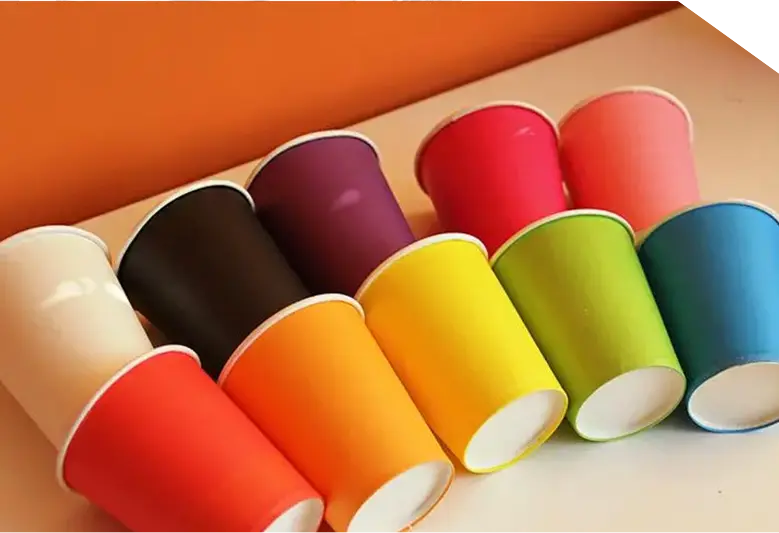
We are committed to providing our partners with quality, reliable machinery and services, as well as innovative custom solutions.
The Huanqiang team has been engaged in quality paper cup machinery manufacturing in China for decades, engineering custom non-standard flange components to meet specific mechanical load tolerances.
For custom non-round and polygonal cups, the Huanqiang team designs specific shaped flanges that ensure smooth transmission cycles and dynamic clamping stability across all forming indexes.
A deep-dive whitepaper analysis on engineering parameters, material compatibility, and compliance standards for procurement directors.
When procuring paper container forming equipment, global brand owners and tier-1 packaging companies prioritize three key factors: production yield rates, technical safety compliance, and raw material compatibility. For international operations, machines must conform to the EU Machinery Directive 2006/42/EC and carry official CE Certification. This is particularly true for heavy-duty modules like the CM300 paper bowl forming machine and the SM100 double-wall ripple cup machine, where high mechanical forces demand robust safety enclosures, emergency stops, and dual-safety monitoring relays.
Material compatibility is also shifting. With global regulations targeting single-use plastics, cup forming equipment must process more than standard Polyethylene (PE) coatings. Modern machines must successfully form cups using biodegradable coatings like Polylactic Acid (PLA), Polybutylene Succinate (PBS), and water-based dispersion barrier coatings. These coatings have narrower heating ranges, requiring digital temperature profiling and hot-air sealing stations to prevent seal failures.
In high-speed production environments running at 100 to 140 cups per minute, human visual inspection cannot catch microscopic defect rates. Real-time quality verification requires the integration of inline optical systems, such as the Visual System Cup Inspection Machine. These inspection lines are positioned directly after the bottom-forming and rim-rolling stations. They use high-resolution cameras with industrial LEDs to inspect each cup's interior and exterior.
The system uses AI algorithms to analyze and eject defective cups within milliseconds, checking for issues like bottom seam pinholes, rim deformation, oil staining from drive mechanisms, and insect contamination. This automated step allows plants to guarantee defect rates under 15 PPM (parts per million), which is a key requirement for supplying major quick-service restaurant (QSR) chains.
Unlike typical light-duty machines, the HQ CM100 and FCM200 series use open cylindrical cam transmissions coupled with oil-bath lubrication systems. This configuration reduces friction wear by 40% compared to traditional gear-link designs. This directly extends tooling life, maintains tight forming tolerances over years of operation, and reduces annual maintenance expenses.
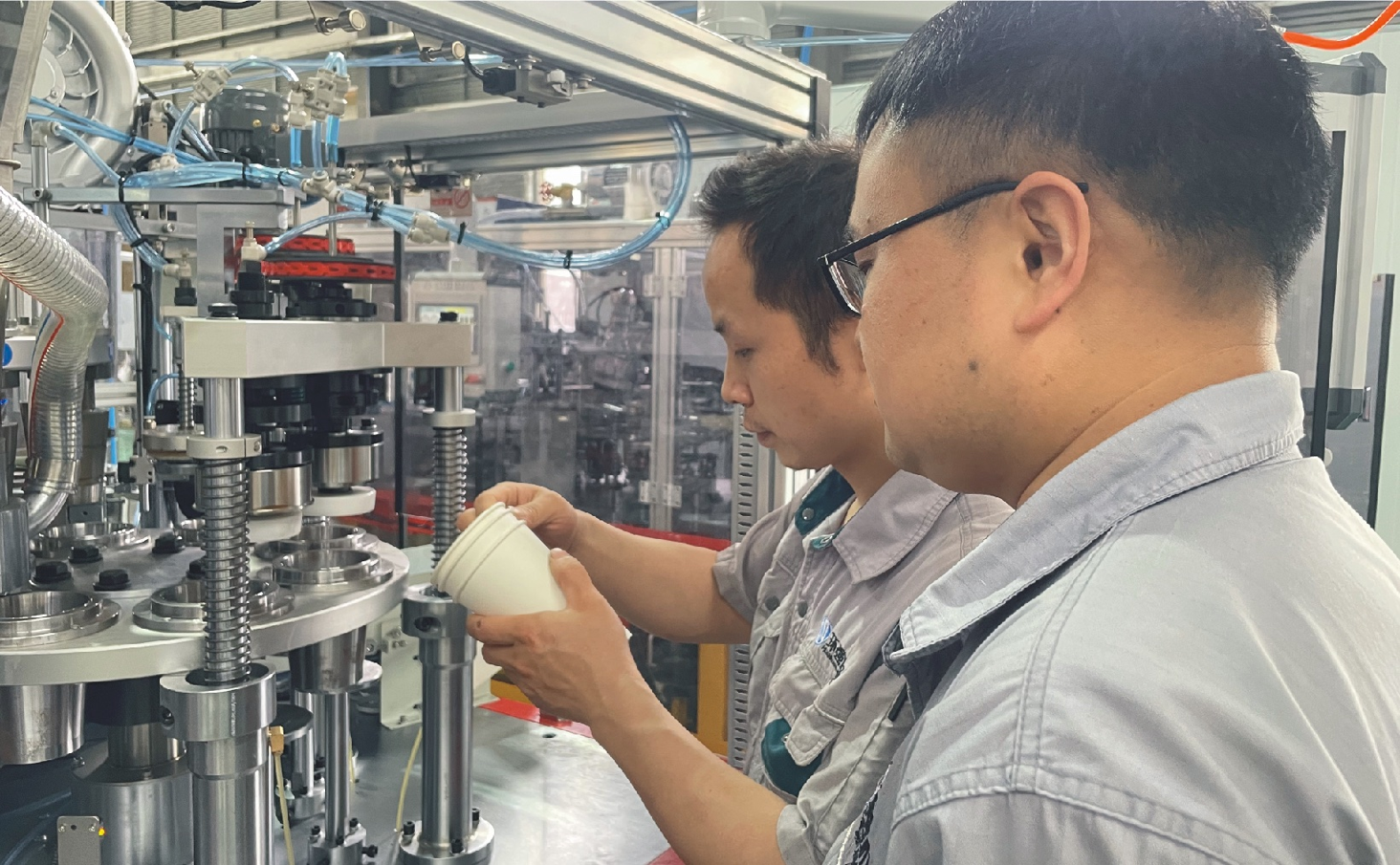 Mold Profile A
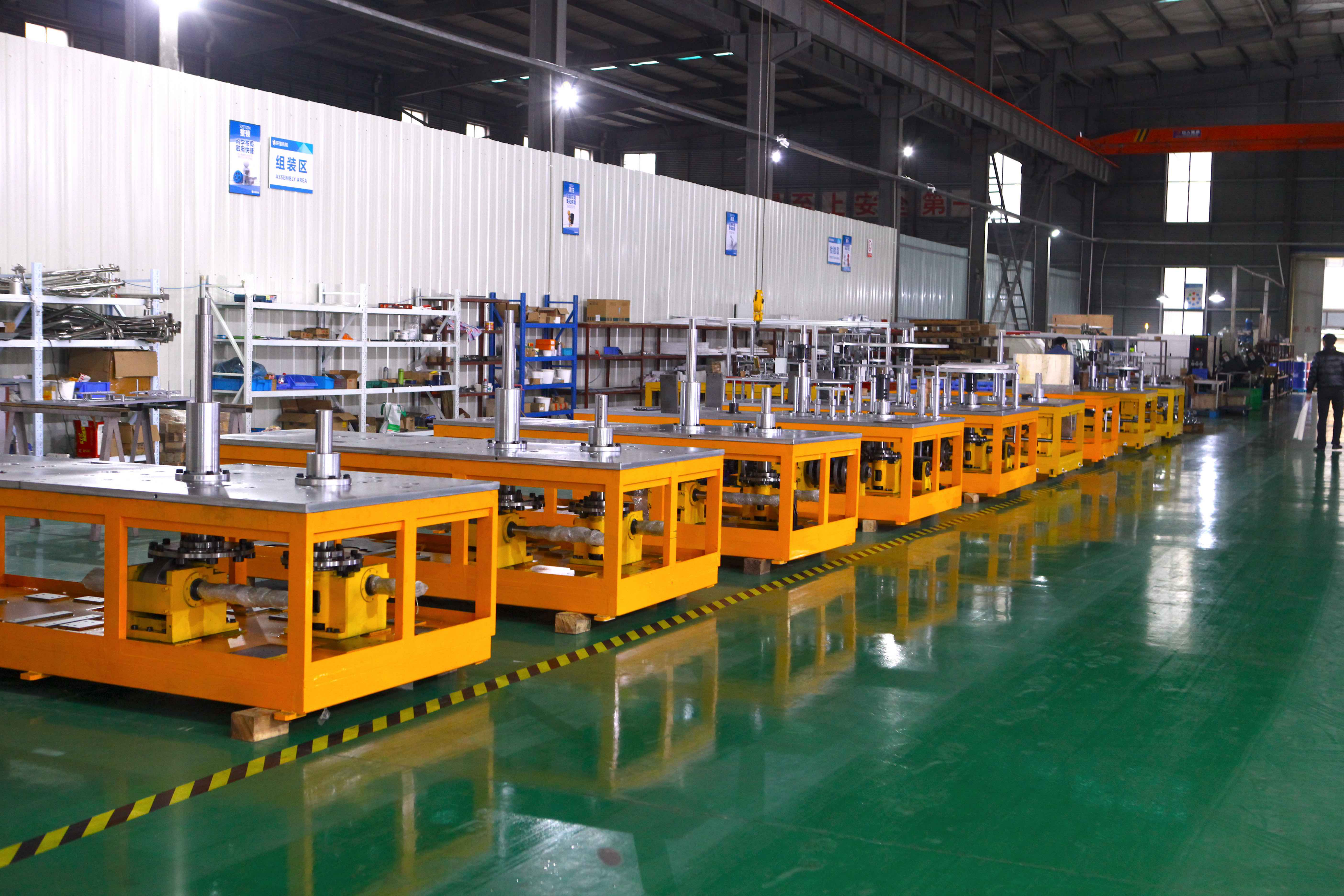 Mold Profile B
 Mold Profile C
 Mold Profile D
 Comprehensive Dies Assembly System
Addressing the core technical, mechanical, and operational queries of packaging directors and procurement engineers.
Yes. All latest HQ series machines, including the CM100 and FCM200, support PLA, PBS, and water-based barrier coatings. We customize the hot air sealing stations and ultrasonic welding frequencies to match the specific thermal characteristics of bioplastics, ensuring clean, leak-free seams without burning the substrate.
The FCM200 features a modular design. Tooling assemblies (including forming molds, rimming dies, and bottom punch units) can be swapped out. A complete tooling changeover and recalibration takes approximately 4 to 6 hours by trained technicians, allowing factories to run multiple cup sizes on a single machine platform.
The CM300 is built for heavy-duty containers, like soup bowls and instant-noodle tubs. It runs at stable production speeds of 80 to 110 bowls per minute, depending on the paper weight and geometry. It features heavy-cast base frames and automatic oil-circulating lubrication systems to handle these workloads.
Our quality control process covers material testing, dimensional checks on CNC-machined parts, assembly alignment, and final pre-shipment fatigue tests. Every critical machine component has a unique ID code. This allows us to trace its manufacturing parameters and QC approval history throughout its service life.
Every machine can be configured with an IoT gateway module. If a fault occurs, our engineering team in China can connect to the machine's PLC. We can analyze alarm logs, adjust servo parameters, and update software controllers. This solves over 90% of operational faults without needing a technician on-site.
Examine the full scope of our packaging machinery, including heavy bowl forming units, double wall sleevers, and automated visual quality systems.
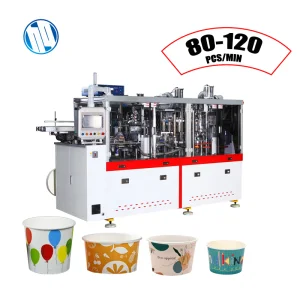
Medium-range bowl forming machine. Combines high throughput with low maintenance overheads for regional food brands.
Learn More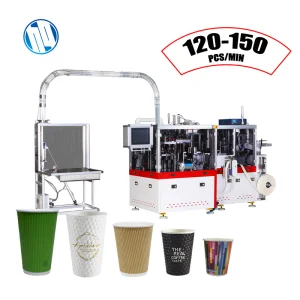
Forms insulation layers and ripples for hot beverage cups, using a precise gluing system for secure sleeve placement.
Learn More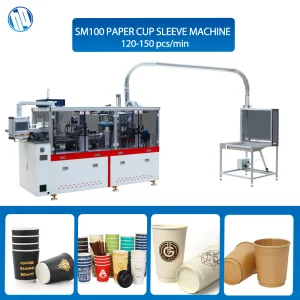
High-speed, CE-compliant sleeving line that automates flat blank feeding, wrapping, and gluing on existing round cups.
Learn More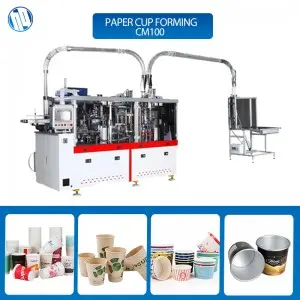
Original CM100 specifications. High stability forming with an indexing system, ideal for small to medium packaging plants.
Learn More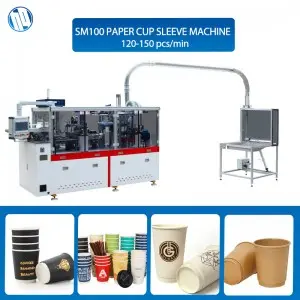
Original SM100 specifications. Designed for wrapping outer sleeves on paper cups for enhanced thermal protection.
Learn More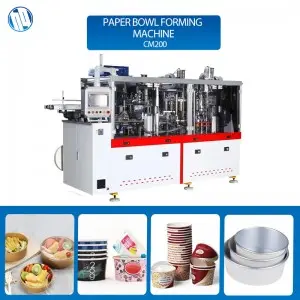
Original FCM200 specifications. Engineered to manufacture oval, square, and rectangular food packaging tubs.
Learn More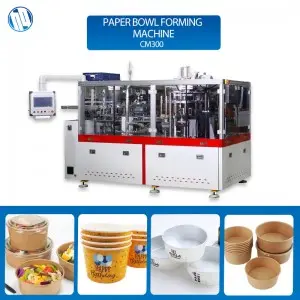
Original CM300 specifications. High-capacity structural assembly tailored for instant noodle and hot soup bowls.
Learn More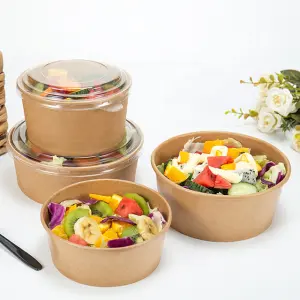
Tooling details and configuration settings for high-volume instant food packaging plants.
Learn More Huan Qiang