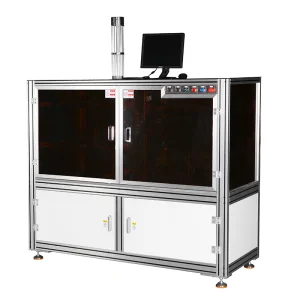
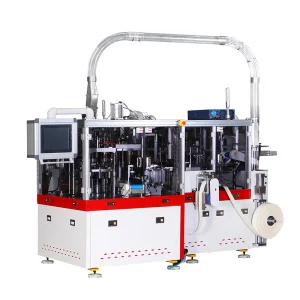
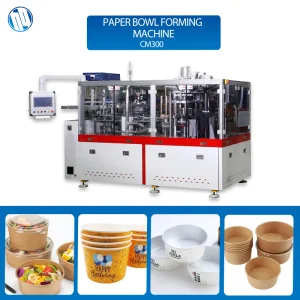
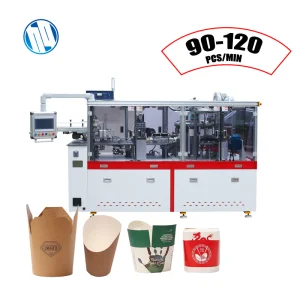
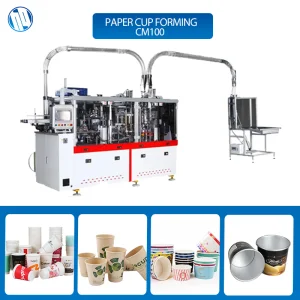
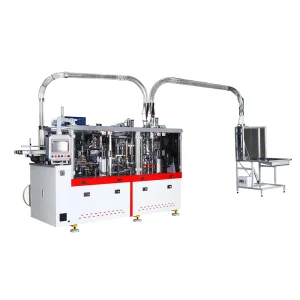
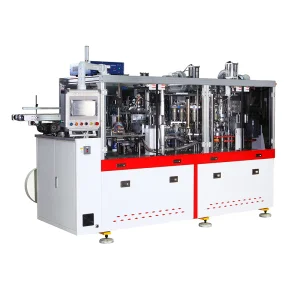
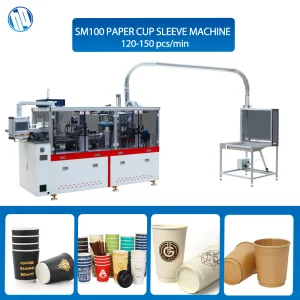
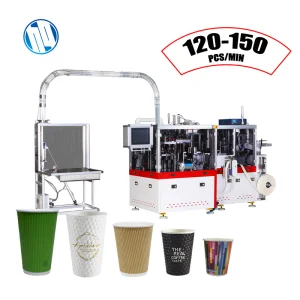
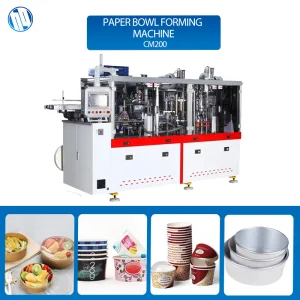
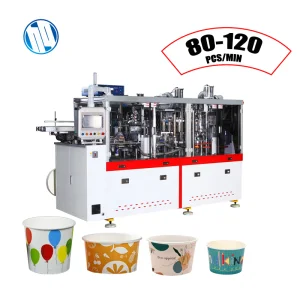
Our CE certified machinery utilizes next-generation thermodynamic heat control and high-pressure mechanical cams to produce structural cups and eco-friendly containers with maximum efficiency.
The global manufacturing ecosystem is witnessing an unprecedented convergence of mechanical engineering, thermodynamic optimization, and compliance protocols. From high-grade polymer textile processing for intimate apparel to green bio-polymer structural container forming, the fundamental engineering challenge remains identical: consistent, stress-free material deformation under thermal energy.
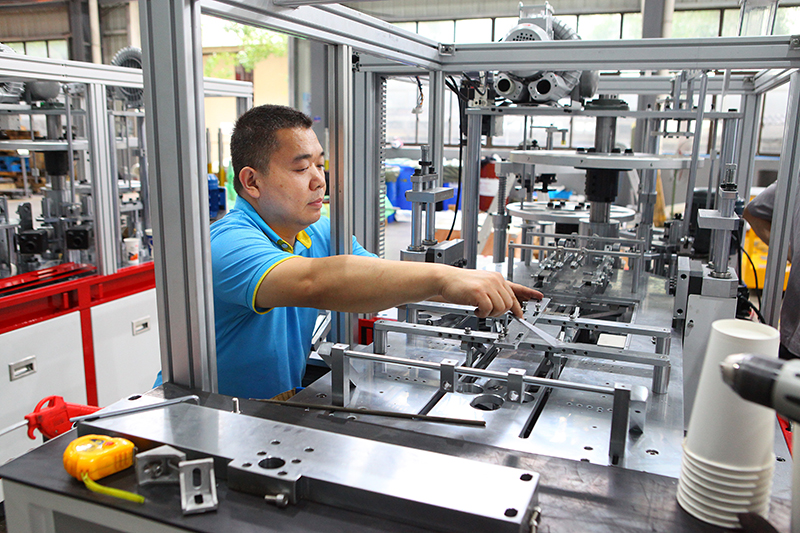
Industrial factories today require versatile machinery capable of holding micron-level tolerances. Our CE-certified multi-station forming systems offer specialized solutions for automotive interiors, medical foam structures, eco-friendly rigid containers, and high-precision bra cup thermal processing. By integrating multi-zone heating components, mechanical cams, and intelligent servo-driven feeds, we assist global factories in reducing scrap rates, increasing throughput, and ensuring full compliance with European safety regulations.
In the realm of textile laminates and polyurethane foams, precise thermodynamic control prevents degradation, discoloration, and structural variance. Our industrial solutions optimize the heating and compression curves, ensuring that finished products retain their shape, elasticity, and dimensional stability through thousands of cycles.
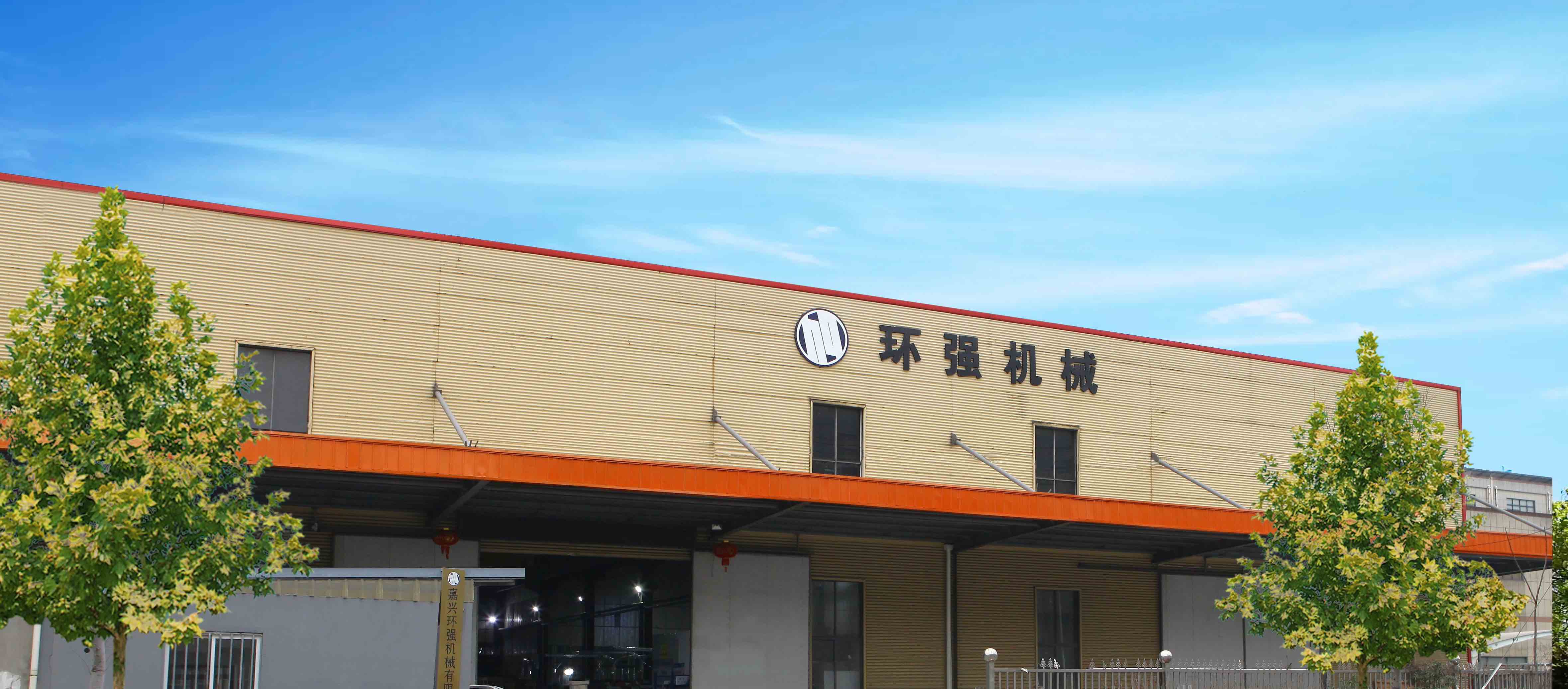
A Chinese Manufacturing Expert with 27 Years of Focus on Cup Forming Technologies & Advanced Precision Mechanical Engineering.
Led by industry pioneers with decades of practical expertise, our independent R&D center is backed by complete intellectual property rights. Annual investments consistently exceed industry benchmarks, allowing us to pioneer modular servo control, online vision testing, and automated thermal profile modeling.
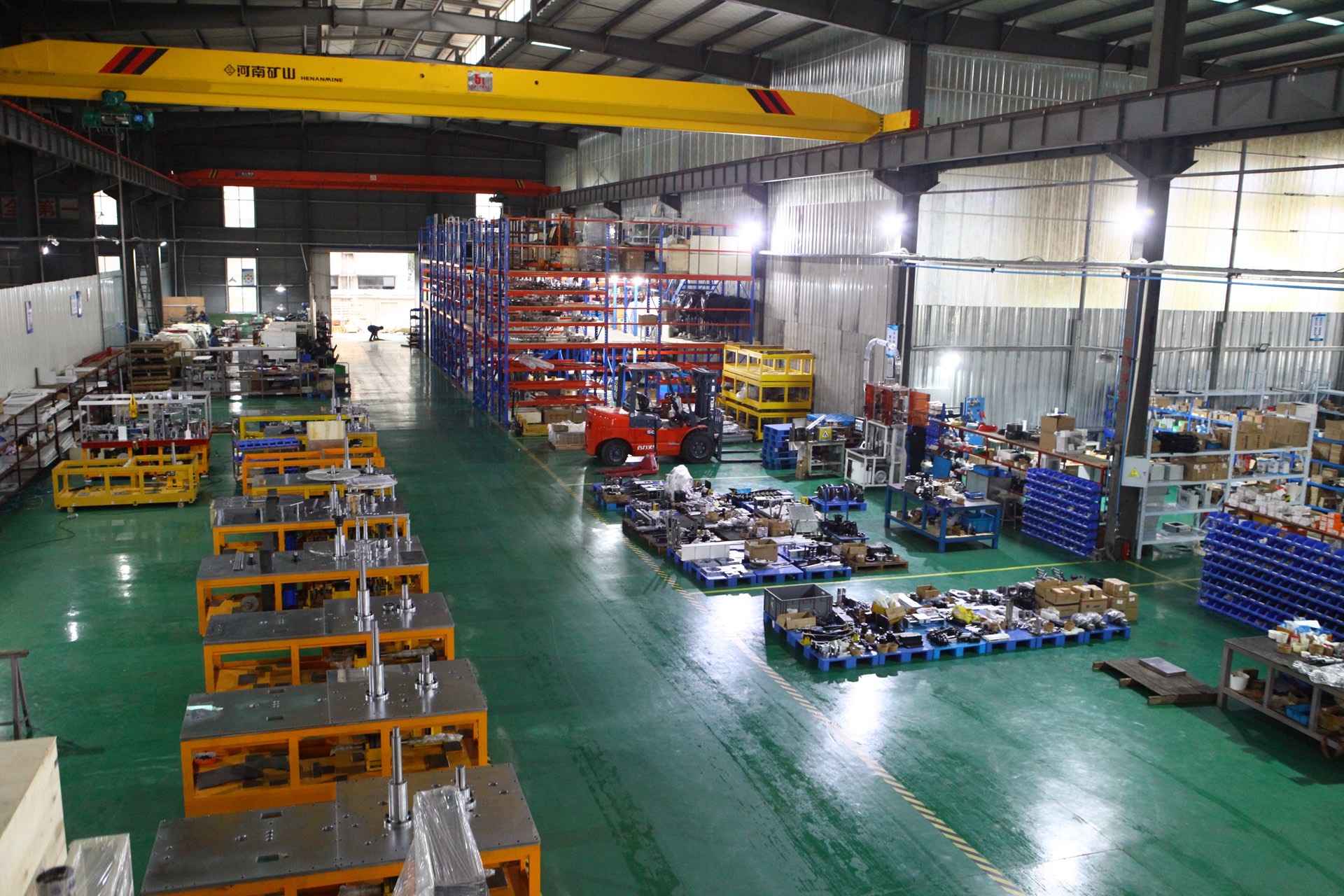
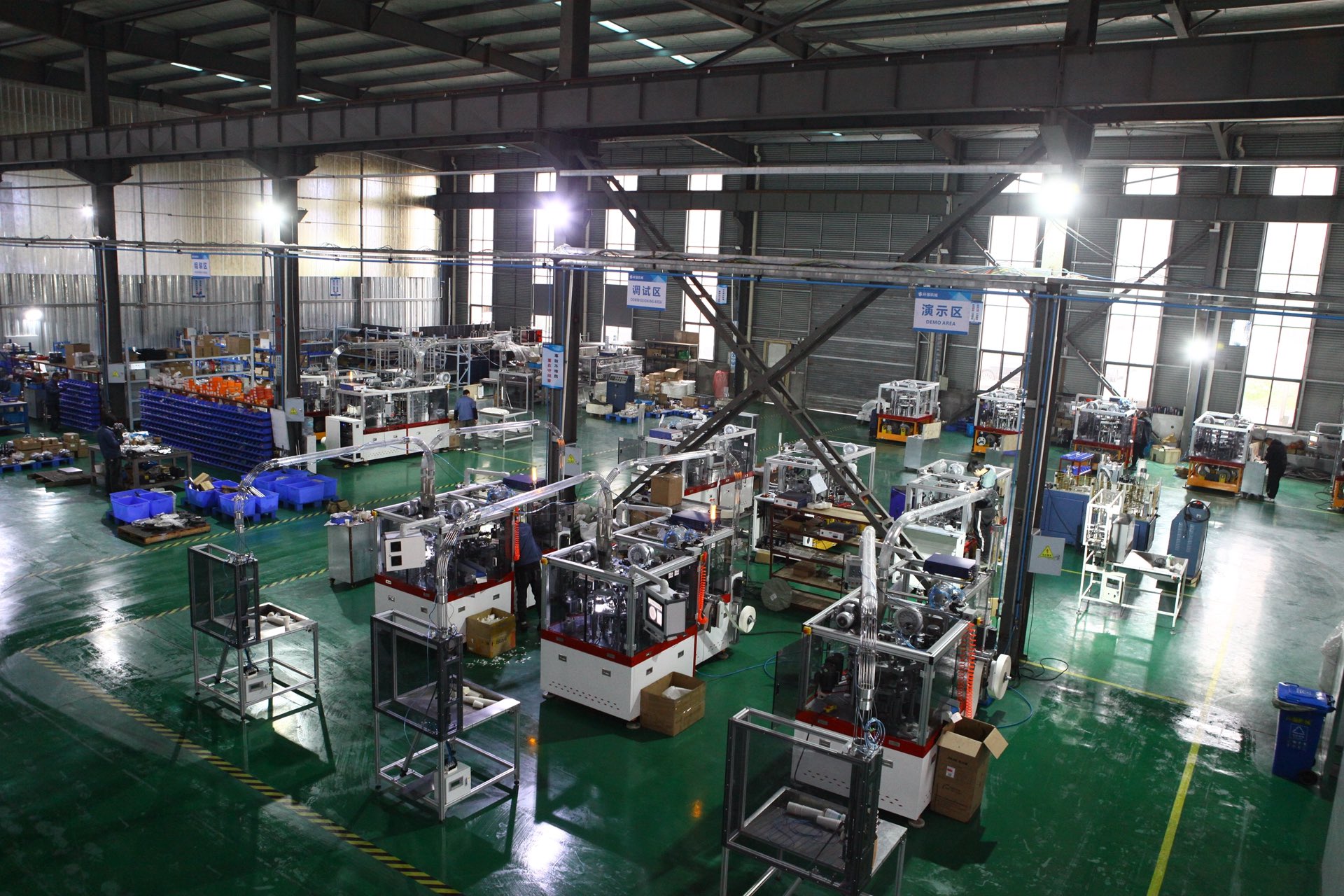
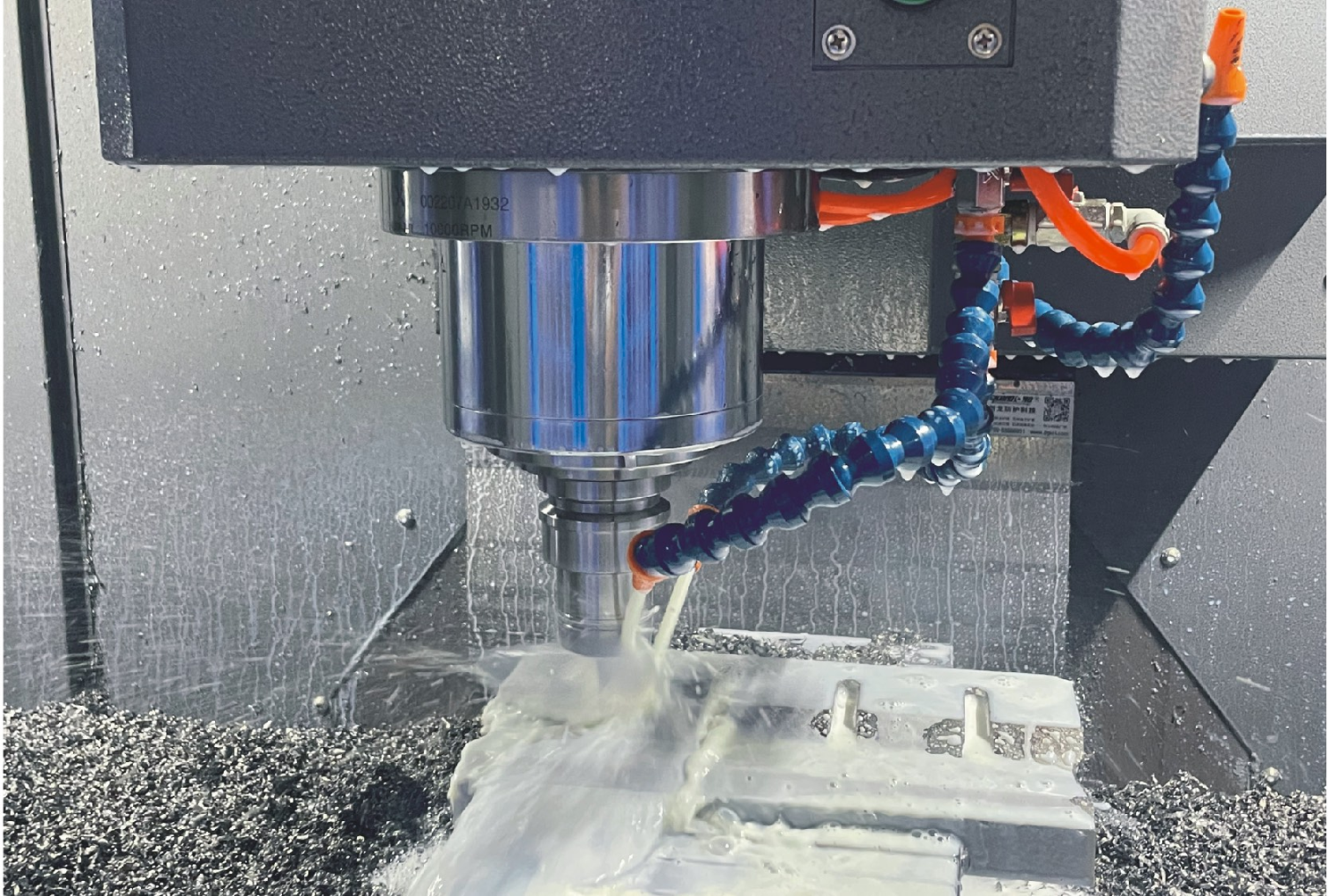
From metallurgical selection of mechanical shafts to thermodynamic calibration of heating platens, over 200 quality nodes are tracked. Standardized workshops featuring German five-axis machining centers ensure that every machine component achieves exact design tolerances.
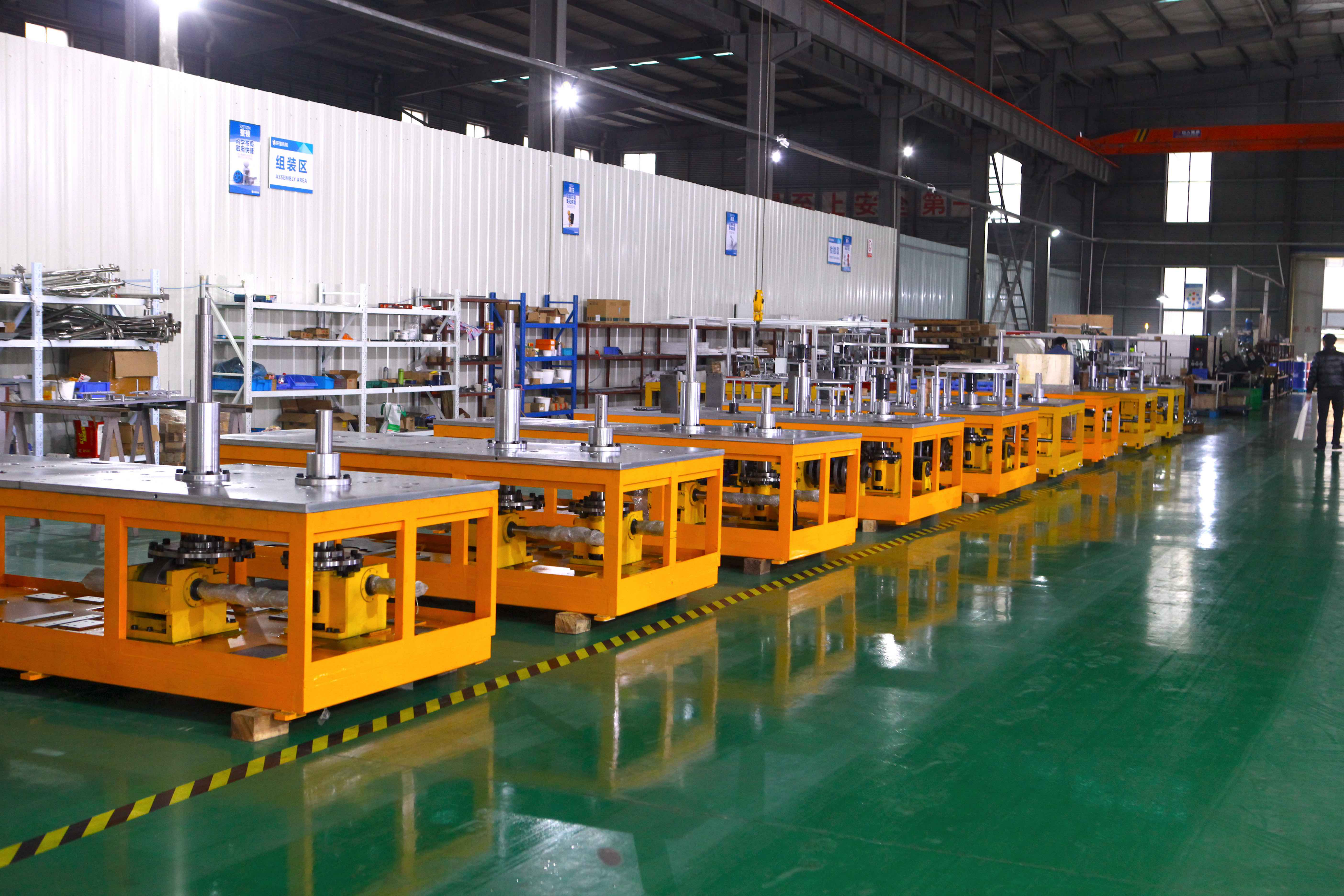
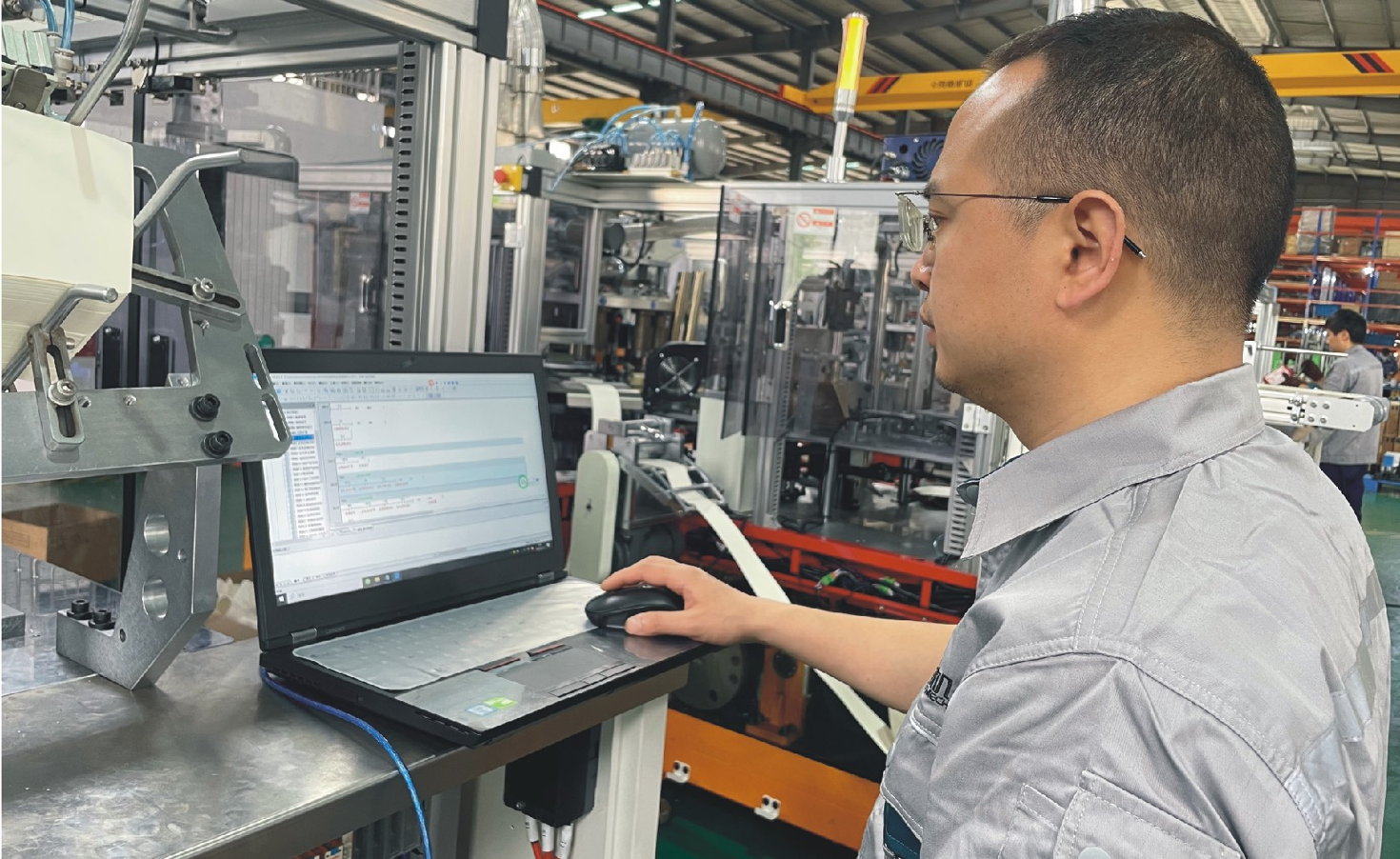
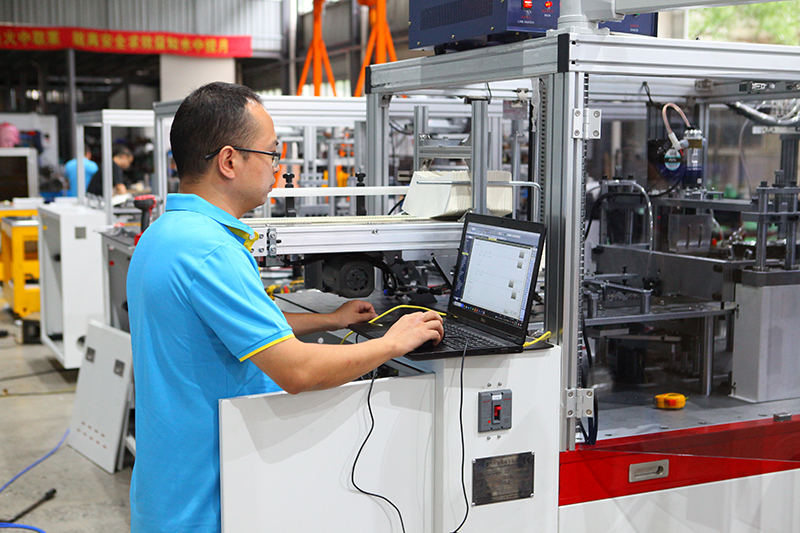
By keeping structural sheet metal fabrication, precision CNC machining, and final alignment testing entirely in-house, we eliminate outsourced delays. Our digital support infrastructure incorporates live PLC remote diagnostics, resolving 90% of field operations without delay.
Huanqiang Machinery (HQ Machinery) does not merely assemble equipment; we design sustainable production platforms. Whether engineering high-output paper container systems or customizing specialized thermoforming molds, our dedication to structural stability and safety is verified by extensive CE and ISO certifications.
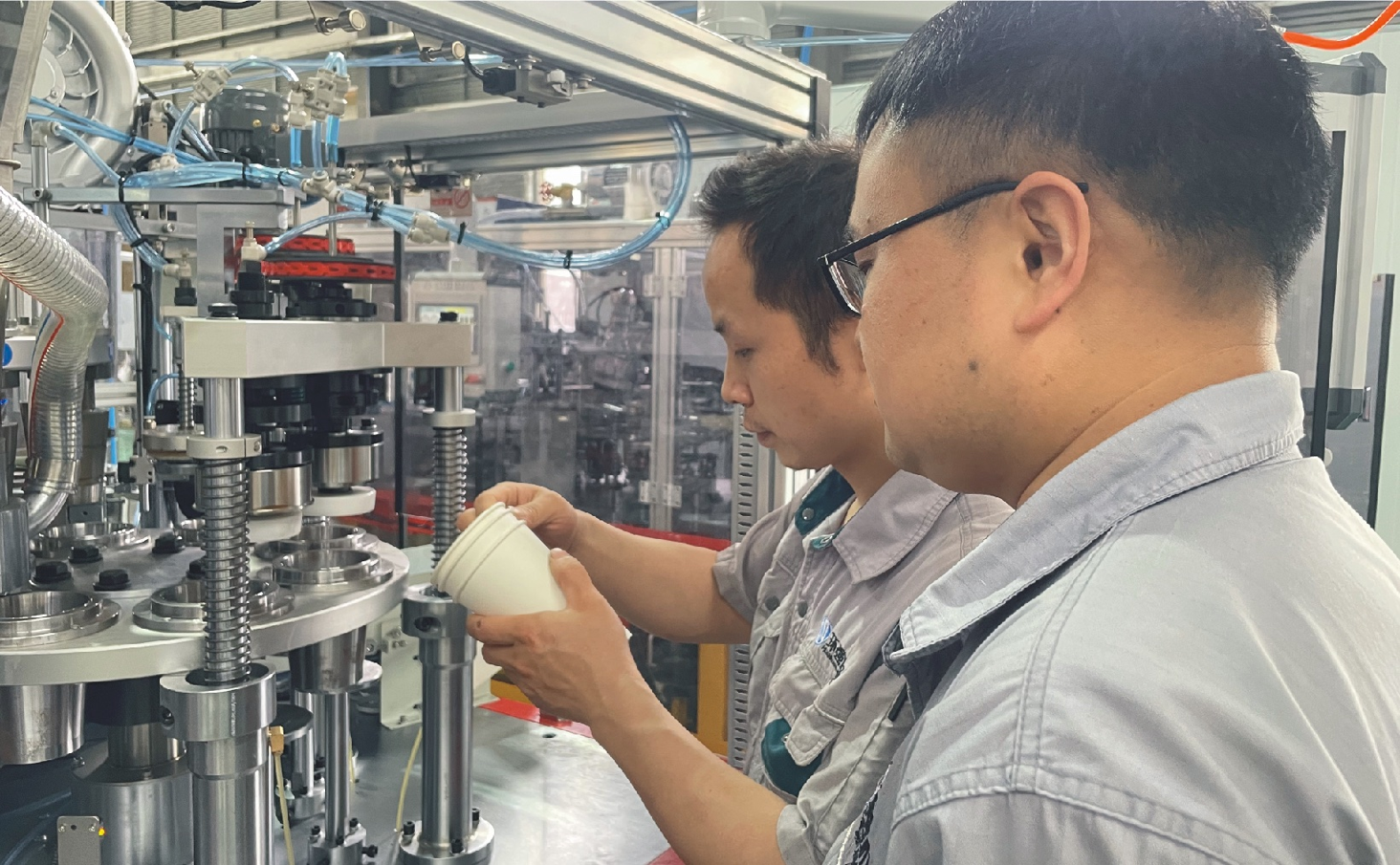
High-efficiency thermoforming demands exact synchronization between heat transference and mechanical clamp pressure. In both bra cup making machines and container forming machinery, material deformation occurs within narrow thermal windows. If the mold temperature fluctuates by even 2°C, synthetic fibers face thermal shock or structural collapse, while paper/polymer barrier films suffer from micro-tears.
1. Closed-Loop Thermodynamic Temperature ManagementOur CE certified machinery features independent multi-zone PID heating arrays. Each zone utilizes embedded thermocouple sensors to measure thermal energy directly at the mold boundary. Solid-state relays adjust the voltage outputs in real time, maintaining consistent thermal distribution across complex 3D curved surfaces.
2. Mechanical Cam Driving SystemsIn contrast to standard hydraulic systems that suffer from pressure drift as fluid temperature rises, our machines are designed around robust, heavy-duty mechanical cams. This mechanical linkage guarantees repeatable clamp pressures up to 10 tons, ensuring zero variance in density, thickness, and structural resilience of the molded cup.
3. Dynamic Air-Extraction and Vacuum Auxiliary systemsTo eliminate air entrapment during deep-draw cup forming, the molds incorporate micro-porous venting channels. Integrated vacuum pumps extract trapped air within milliseconds of mold closure, pulling the raw material precisely against the tooling contours for flawless surface finishes.
Navigating international safety directives is vital for high-volume industrial factories. Our machinery is engineered to meet strict CE directives, ensuring operator safety and structural reliability.
CE Certification represents more than a compliance label; it is a structural validation of the machine's safety, thermodynamic reliability, and electrical architecture under heavy industrial load. For factories operating within the European Economic Area (EEA) and global markets requiring strict risk management, our machinery adheres to the following directives:

From sustainable consumer goods packaging to precision textile manufacturing, our machinery is configured to meet diverse regional demands.
A premier global apparel manufacturer faced high reject rates due to inconsistent heating patterns in their polyurethane foam molding lines. The traditional machines struggled to balance heat distribution, causing foam discoloration and mechanical failure under prolonged heat exposure.
HQ Machinery designed and delivered a custom multi-station thermoforming line equipped with closed-loop PID control and heavy-duty mechanical cam linkages. This configuration provided:
This localized upgrade resulted in a 40% increase in output speed and lowered foam scrap rates from 8% to below 0.5%, illustrating the value of high-precision thermal control.
Industrial molding is shifting toward fully automated, self-correcting cyber-physical systems. The next phase of HQ Machinery's development is centered on three core fields:
1. Machine Learning Predictive MaintenanceBy embedding vibration sensors along the mechanical cams and current sensors on the servo drives, our next-generation machines compile run-time telemetry. AI models analyze this data to predict tool wear, lubrication requirements, and potential failures before downtime occurs.
2. Automated Quality Control & InspectionIntegrating our specialized Visual System Cup Inspection technology directly into the molding stations allows for real-time inspection. High-resolution CCD cameras capture surface finishes and edge contours immediately after demolding, alerting operators or sorting defective products automatically.
3. Eco-Material Processing CapabilitiesAs regulations tighten around single-use plastics and non-biodegradable synthetic fibers, we are redesigning mold thermal profiles. Our machines are built to process natural fibers, PLA, and bio-polymer substrates, which require precise thermal controls to prevent material degradation.
Direct technical answers to critical manufacturing, compliance, and customization inquiries.
Select from our range of high-capacity forming machines, designed for international shipping, high durability, and simple maintenance.
 Huan Qiang