Explore our core high-efficiency machinery series engineered with strict Conformité Européenne compliance, serving paper cup factories globally.
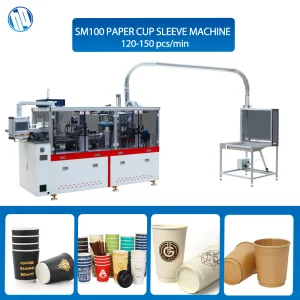
High-speed dual-wall sleeve applicator with heat-sealing stability.
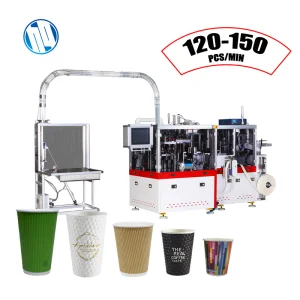
Precision ripple forming station for superior thermal protection cups.
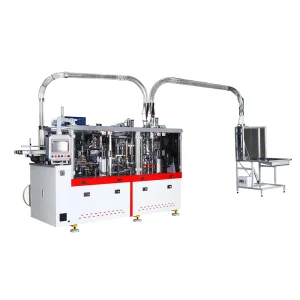
Hybrid hybrid plastic/paper cup forming line with modular controls.
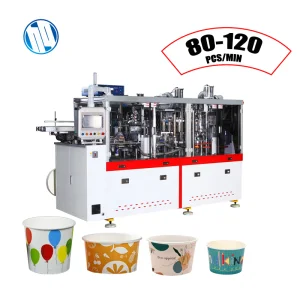
Heavy-duty bowl formation system for multi-size catering packaging.
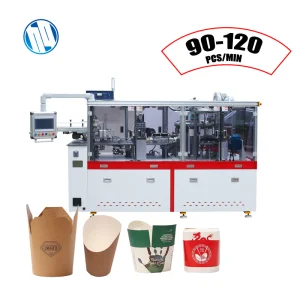
High-speed packaging line engineered for sustainable take-away box formats.
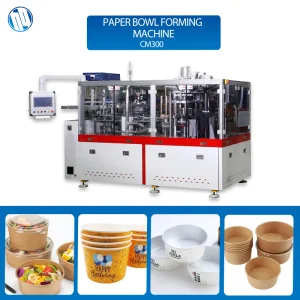
Ultra-fast heavy-gauge bowl former with intelligent servo synchronization.
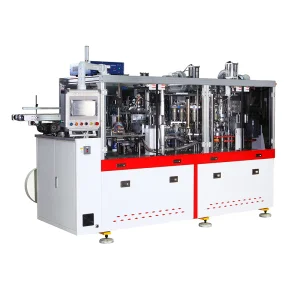
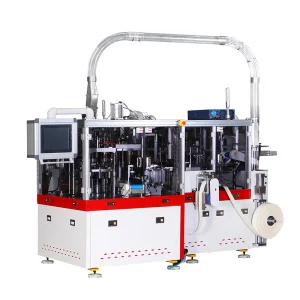
Advanced high-speed cup machine featuring dynamic heating indexes.
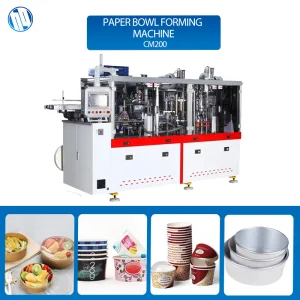
Special-shape container maker utilizing multi-axis indexing geometry.
Within the highly regulated sectors of global manufacturing, conforming to safety and operational directives is paramount. A paper cup forming machine is a complex kinetic mechanism, involving high-frequency thermal sealers, pneumatic lifters, mechanical indexing cams, and high-speed mechanical cutting units. CE (Conformité Européenne) Certification confirms that the equipment conforms to European health, safety, and environmental protection standards. However, maintaining compliance during equipment maintenance and component replacement presents challenges for manufacturers worldwide.
For factories running round-the-clock lines, machinery repair is not simply about fixing a broken gear or heating element. Under the EU Machinery Directive 2006/42/EC, any major modification or repair using non-compliant components can void the machine's CE certification, shifting liability to the operator. Therefore, sourcing certified replacement parts and relying on engineers trained in European standard safety interfaces (such as dual-channel safety relays, automated interlocks, and low-voltage command circuits) is essential to preserve production integrity and avoid penalties.
"When a high-speed line stops, the cost is measured in minutes. Sourcing repairs from a certified manufacturer ensures that the machine's structural integrity, electromagnetic compatibility (EMC), and functional safety are restored to original design limits."
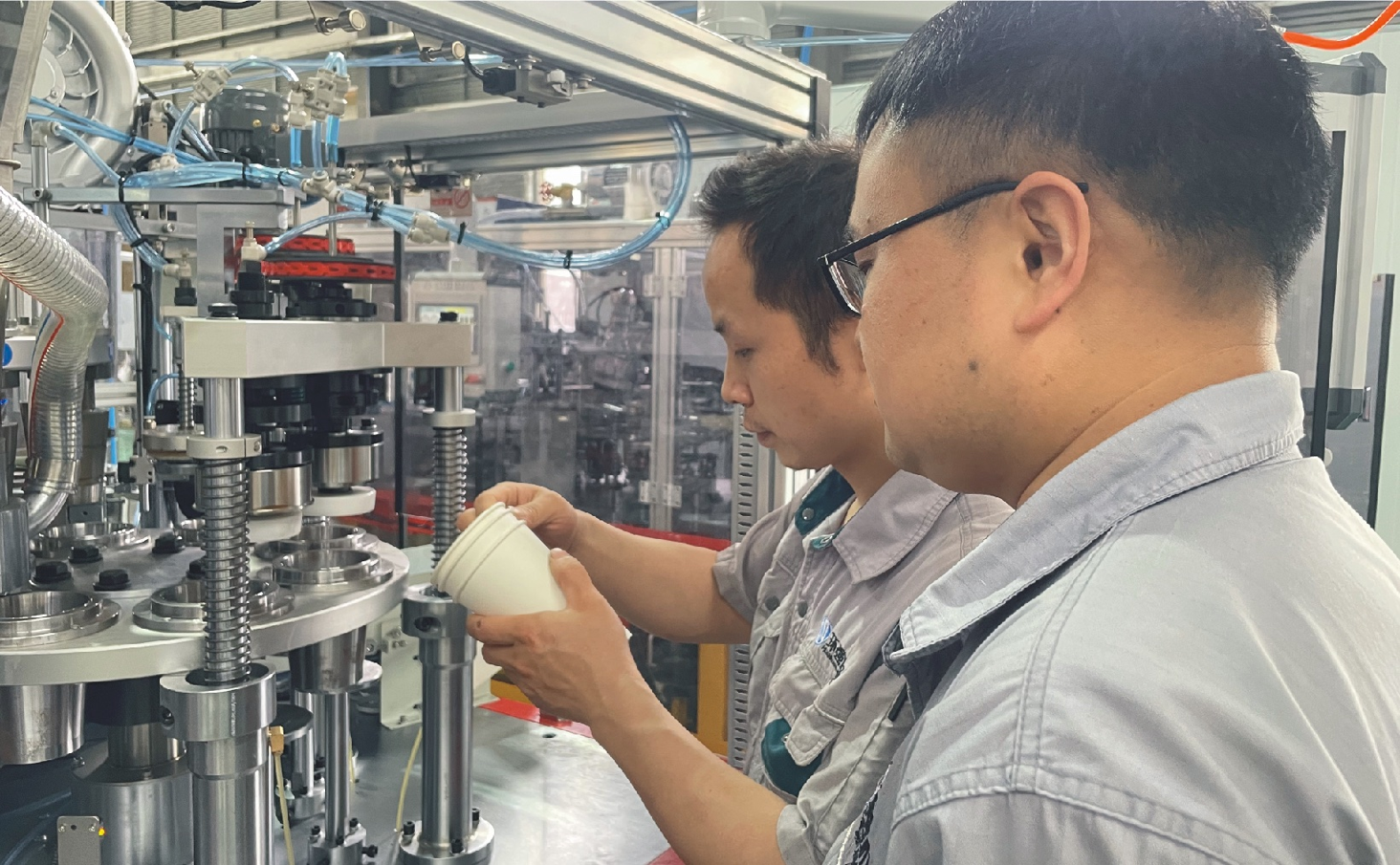
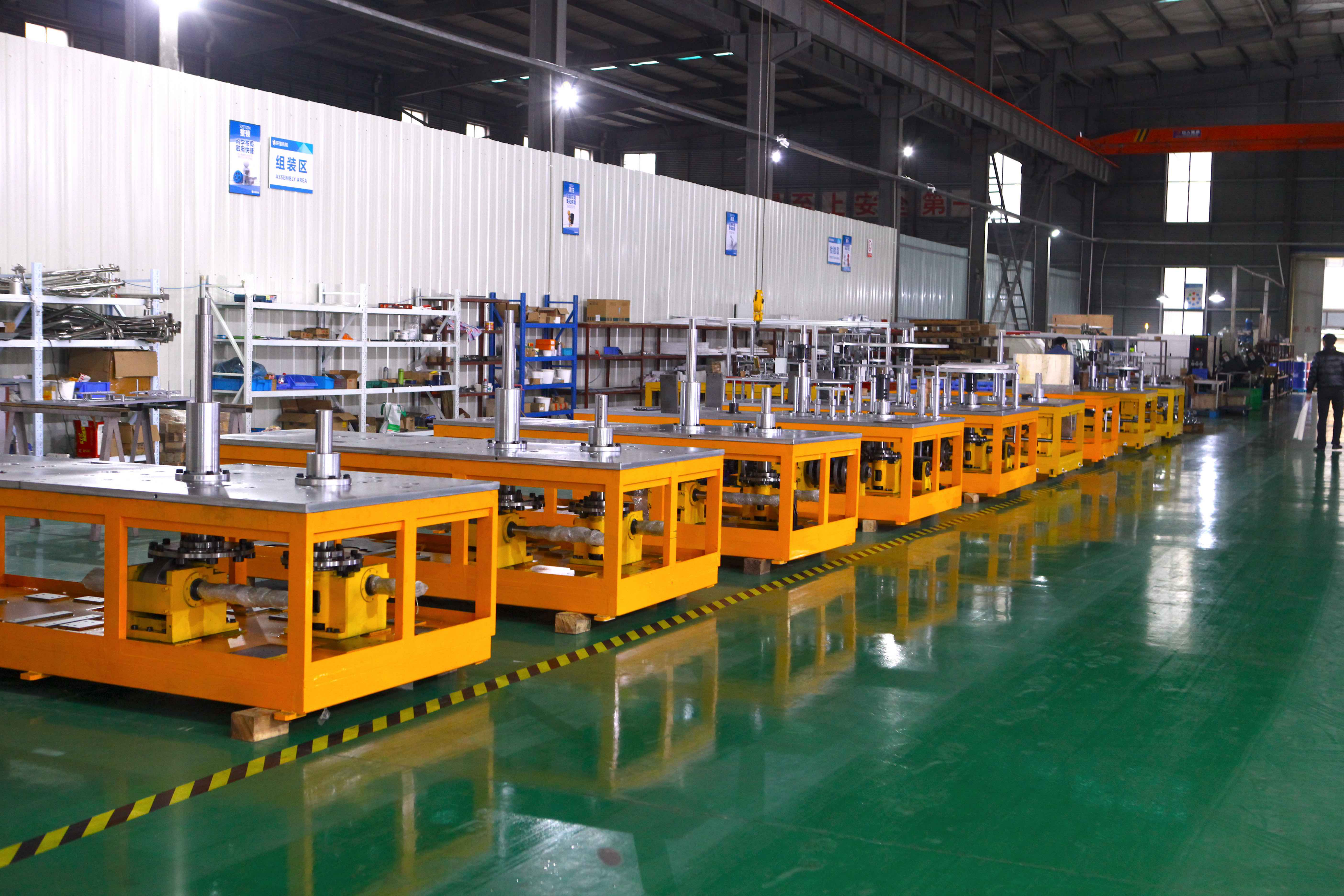
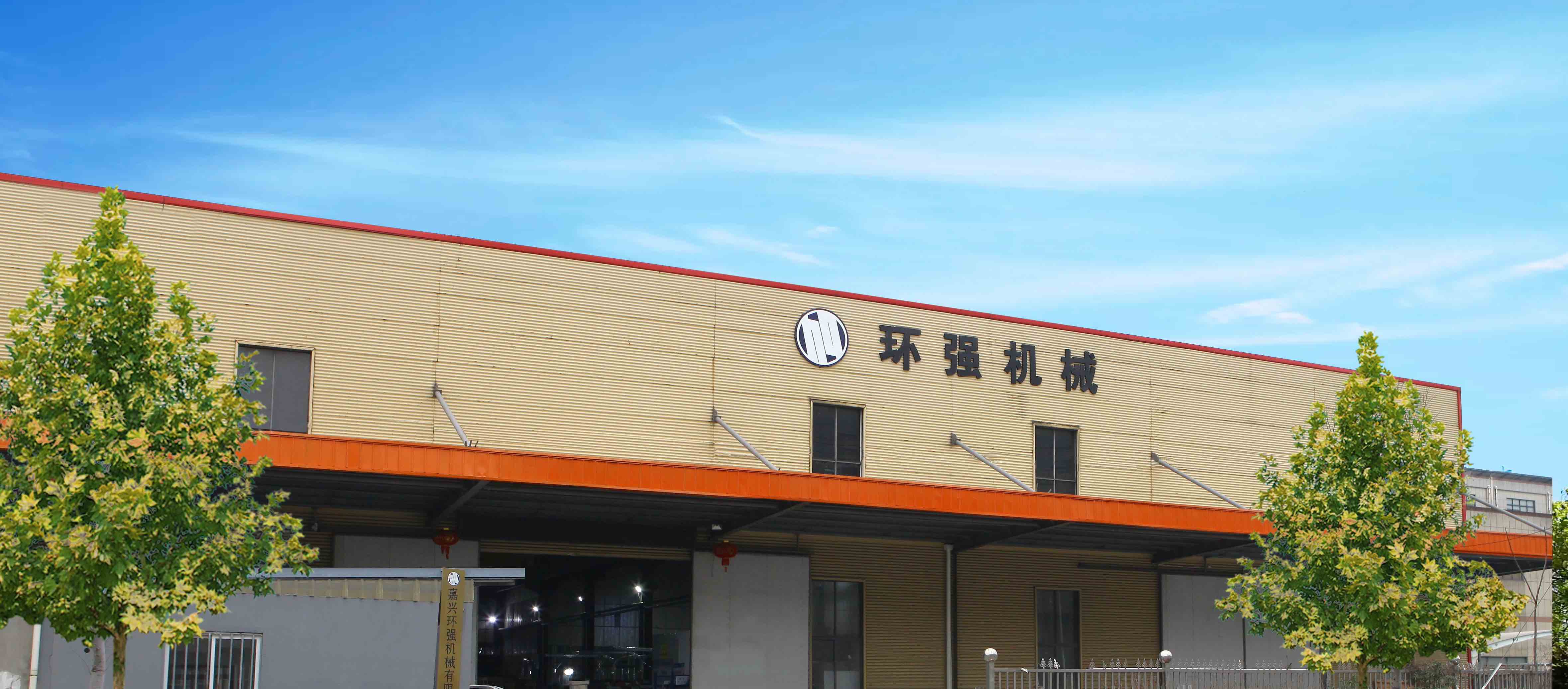
For 27 years, Huanqiang Machinery has focused on manufacturing fast, stable, and safe paper cup equipment. What began as a localized workshop in China has developed into an expert in the paper container machinery sector. Today, HQ Machinery supports production lines worldwide, offering solutions that span standard round cups, double-wall ripple cups, square containers, desto formats, and biodegradable paper lids.
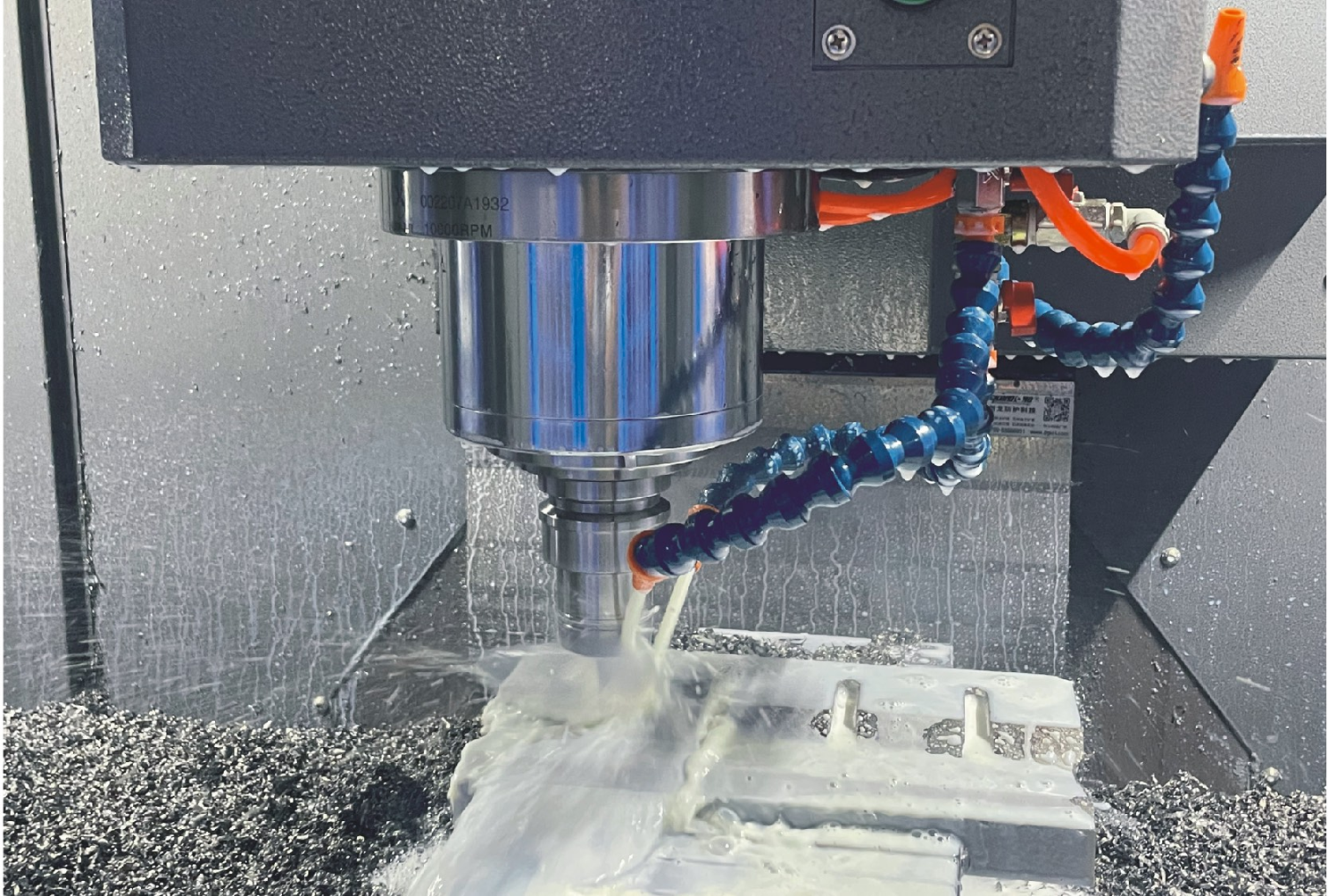
A key aspect of HQ Machinery's capability is our in-house control over the manufacturing process. Rather than relying on external sourcing for mechanical sub-assemblies, we set up our own CNC parts process center to produce the majority of the mechanical and tooling parts directly. By processing these components internally, our technical staff can control tolerances, alignment parameters, and heat treatment cycles. This precision translates into improved machine longevity, reduced vibration wear, and predictable repair operations when replacement parts are installed.
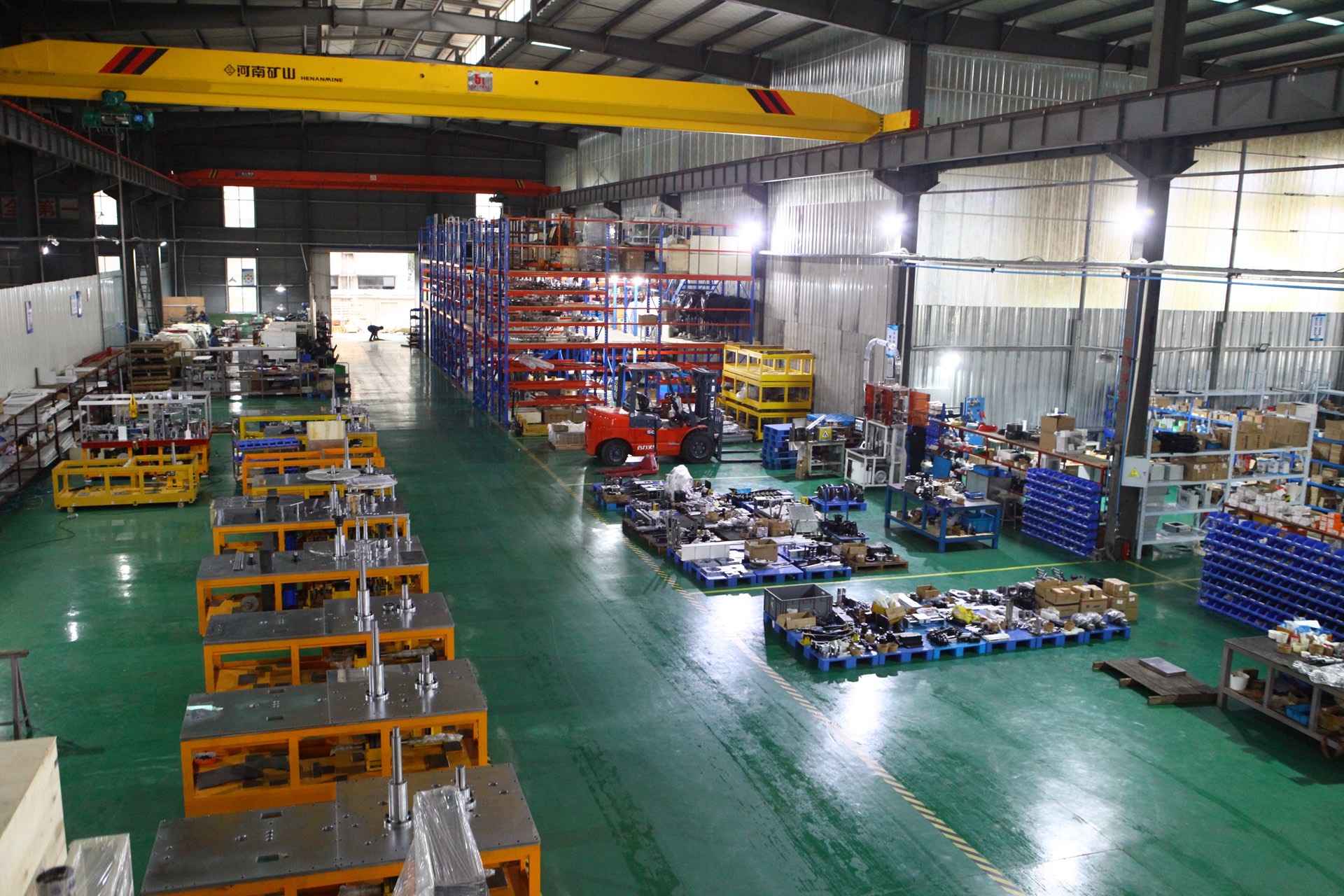
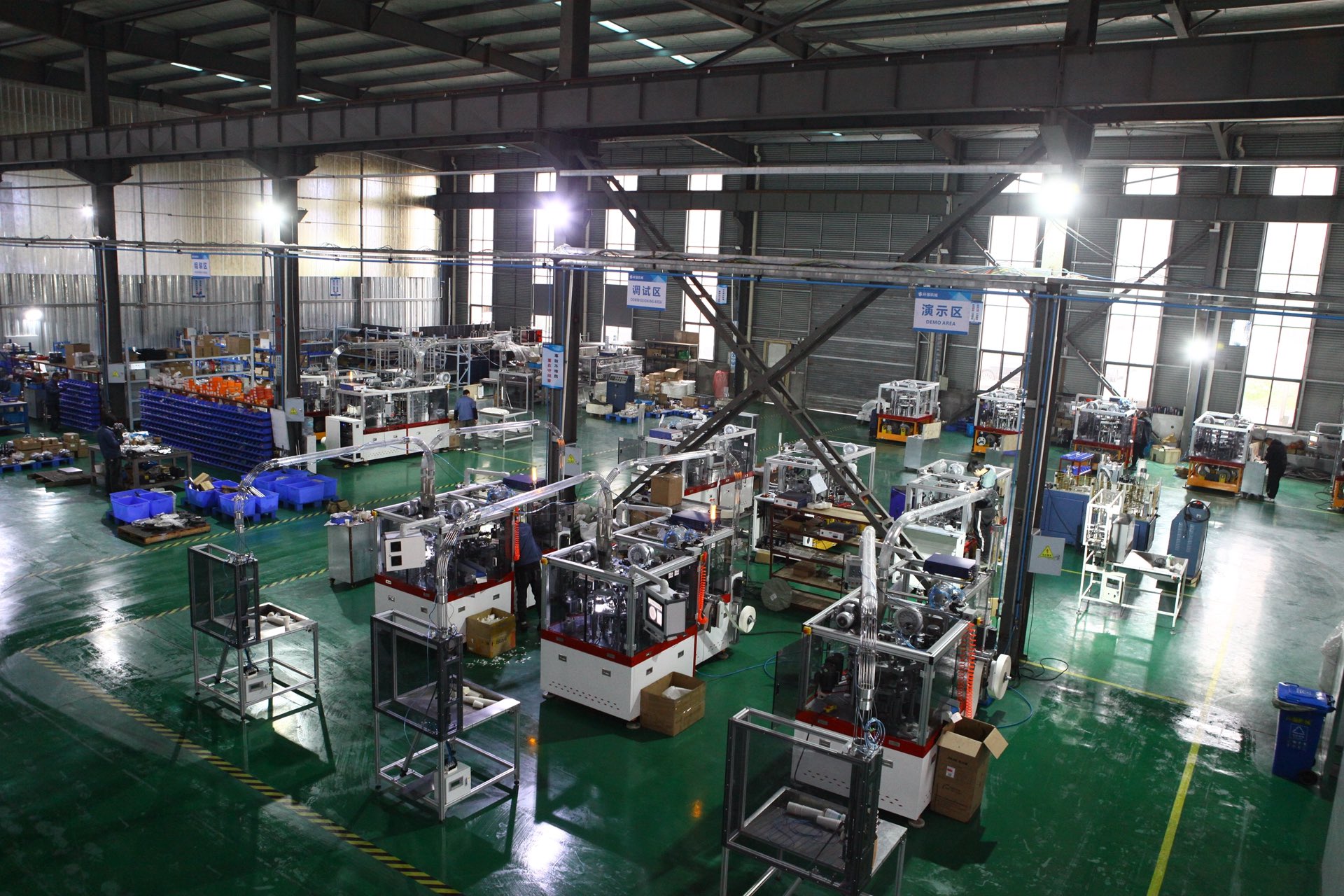
A detailed breakdown of critical sub-system maintenance for high-speed paper cup forming equipment, focusing on CE standards and mechanical safety.
The indexing plate coordinates the motion of paper feeding, wall pre-heating, and bottom knurling. Wear on the conjugate cams can lead to mechanical backlash and misalignment. Repair protocols require micro-dial gauge positioning and cam profile inspection to maintain zero-backlash operation.
High-speed side-seaming relies on stable ultrasonic frequency generators (usually operating at 20kHz). Fluctuations in voltage or horn wear can cause incomplete seals, leading to leaks. Maintenance involves rebuilding the transducer assemblies and calibrating electronic power levels.
Proper bottom adhesion is essential to prevent cup leakage. Over time, the heating rings and flanging dies develop carbon build-up. We clean tooling surfaces and replace heating cartridges, maintaining temperature variations within a ±1°C range.
The paper packaging industry is shifting toward sustainable materials, which impacts how machinery is operated and repaired. Modern factories are moving away from traditional PE coatings and adopting PLA (Polylactic Acid) and water-based dispersion barriers. These materials have distinct heat absorption rates and physical properties, requiring precise thermal regulation and mechanical handling on the production line.
Consequently, repair practices are adapting. Standard mechanical adjustments are being replaced by programmable servo-driven setups. Instead of replacing worn physical cams, technicians can update motor profiles via PLC control software. The integration of high-speed vision systems allows for the detection of minor defects in real-time, reducing waste and minimizing tool damage.
Huanqiang Machinery addresses these trends by implementing remote diagnostic capabilities on our newer systems. When technical issues arise, our engineering team can access the machine's PLC interfaces online, analyzing sensor outputs and operational data to resolve up to 90% of software or configuration issues remotely.

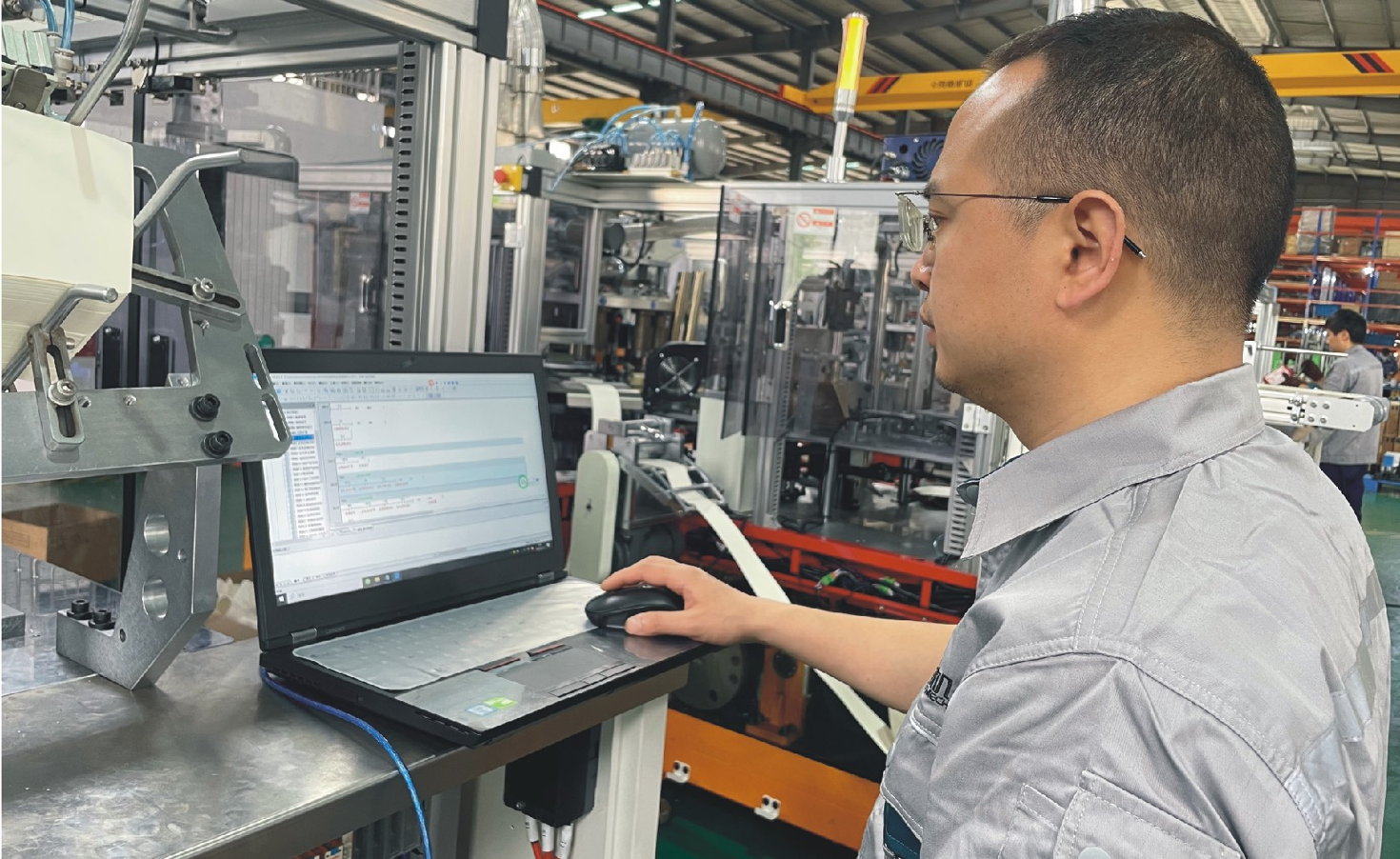
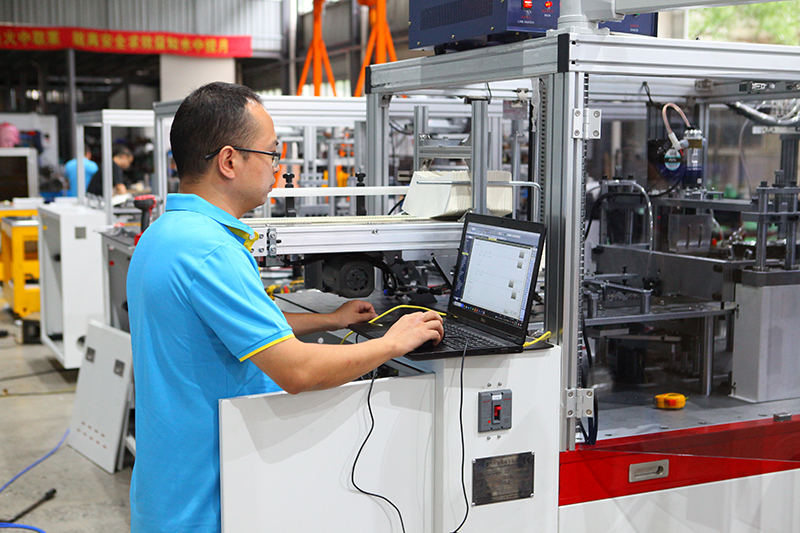
We work to foster a culture of precision, innovation, and quality across our engineering teams. We view after-sales support and preventive maintenance as key parts of our equipment delivery. This approach helps us build long-term relationships with customers, focusing on operational reliability and joint product development.
We work closely with clients from initial concept through to pilot production. This collaborative process allows us to design custom molds, flange configurations, and handling systems that integrate with existing factory processes. We help manufacturers adapt to regional requirements and adopt sustainable materials, ensuring their production lines remain productive and compliant.
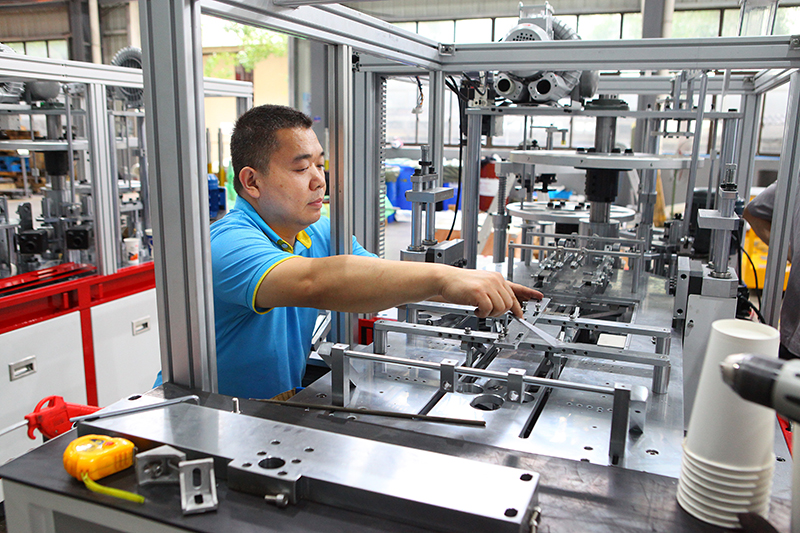
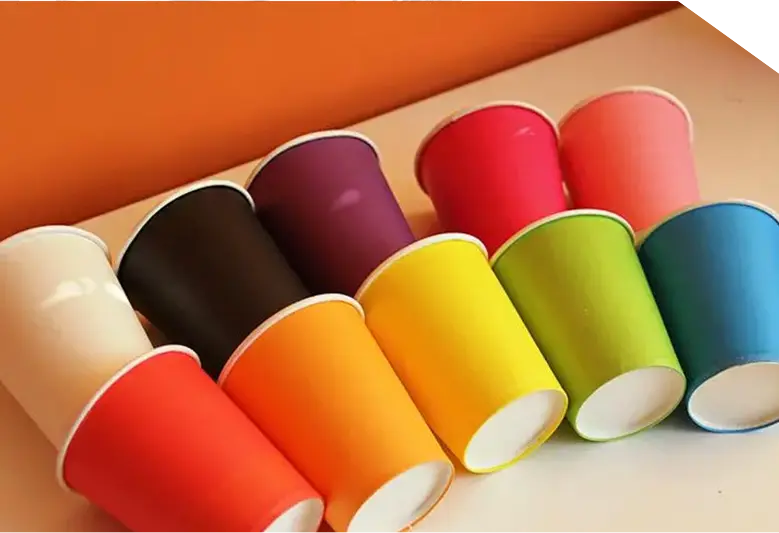
Custom engineering of complex metal flanges for high-pressure machine junctions and custom bowl formats.
Common technical questions, diagnostics, and repairs for CE-certified paper container equipment.
CE compliance requires that any replacement parts do not change the machine's safety profile. Sourcing parts from certified manufacturers ensures mechanical tolerances, electrical safety, and insulation ratings meet original design specs, protecting the operator's compliance status.
Bottom leaks are often caused by poor temperature control, worn knurling rollers, or misalignment of the bottom feed system. Repairs involve cleaning carbon deposits from heaters, resetting the pressure on knurling springs, and checking cam indexing synchronization.
PLA and water-based coatings have lower heat resistance and narrow sealing windows. Converting a line for these materials requires updating the ultrasonic sealing profiles, upgrading the hot-air heaters to use PID temperature controllers, and modifying the cup handling mechanisms.
Regular checks of the gear oil levels, cam surface wear, and chain tension are necessary. Indexing systems require inspection at fixed operational intervals to confirm mechanical alignment remains within tolerances.
Yes, many older machines can be retrofitted. Typical upgrades include adding PLC control modules, updating mechanical cams to servo drives, and integrating digital vision sensors to monitor cup dimensions and alignment dynamically.
A selection of our paper container machinery, visual inspection systems, and special-format forming machines.
Heavy-duty bowl former with high-temperature bottom sealing stations.
Advanced folding and sealing machinery for rectangular and square lunchboxes.
Fast large-capacity bowl machine with micro-controlled lubrication blocks.
Precision mechanical cup former with stable operating speeds up to 120-150 CPM.
Engineered for oval, square, and polygonal paper containers with tight side seams.
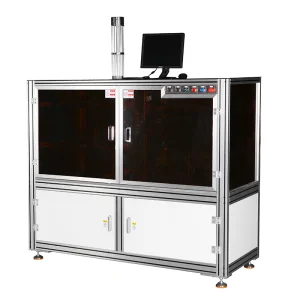
CCD camera inspection system for high-speed detection of stains, dust, and deformation.
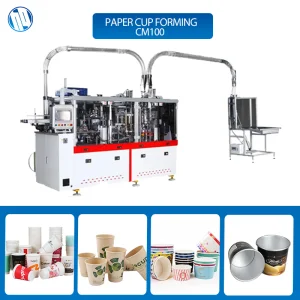
Standard single-PE and double-PE paper cup forming machine with a reliable bottom system.
Customized high-stroke mold configurations for oversized cups and deep packaging formats.
 Huan Qiang