Intelligent paper container forming and inspection lines engineered to guarantee zero-defect operational output.
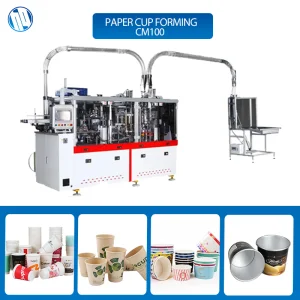
Precision-manufactured machinery for uniform, consistent high-speed hot and cold beverage cup forming.
Learn More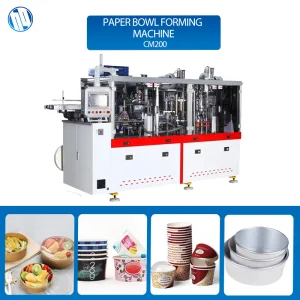
Designed for modern non-round takeaway containers, offering specialized structural forming processes.
Learn More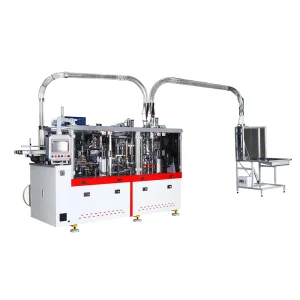
Advanced hybrid packaging technology combining lightweight plastic inside sleeves and supportive outer paperboards.
Learn More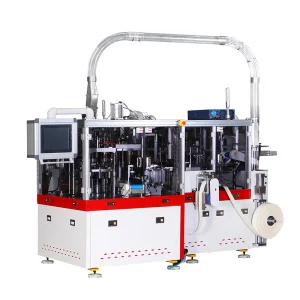
Optimized deep-forming mechanics specifically built for large volume and tall beverage container specifications.
Learn More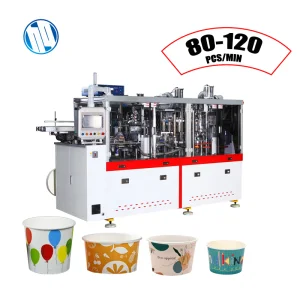
Ideal for multi-purpose takeaway bowls, incorporating robust heating and precise bottom sealing.
Learn More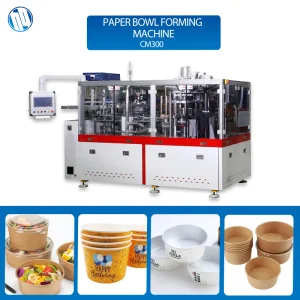
Heavy-duty, high-output structural forming platform for deep-drawn bowls and food containers.
Learn More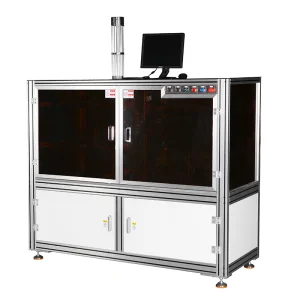
Real-time intelligent machine-vision optical system to monitor defect rates, rim accuracy, and surface contaminants.
Learn More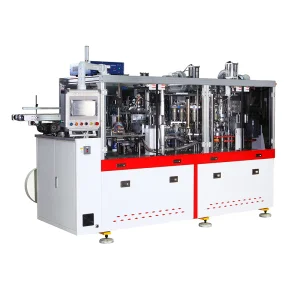
Standard-setting structural design prioritizing speed, low vibration, and mechanical durability over 24/7 cycles.
Learn MoreBridging the gap between flexographic registration, variable sheet tension, and web-fed die-punching engineering.
Modern packaging workflows demand a paradigm shift from multi-step manufacturing sequences to single-pass, inline systems. Historically, paper container manufacturing required a separate roll flexography stage, curing time, off-line transport, and eventual feeding into a mechanical punching bed. This introduced variables in substrate moisture levels, registration errors, and heavy logistical footprints.
By combining high-speed printing and punching systems into a streamlined, servo-regulated architecture, manufacturers are reducing total production times by up to 40%. Continuous web-fed operations ensure constant material tension control, minimizing shear and tracking errors. For global production plants, this integration represents an optimization vector targeting zero-defect yields under the tightest operational margins.
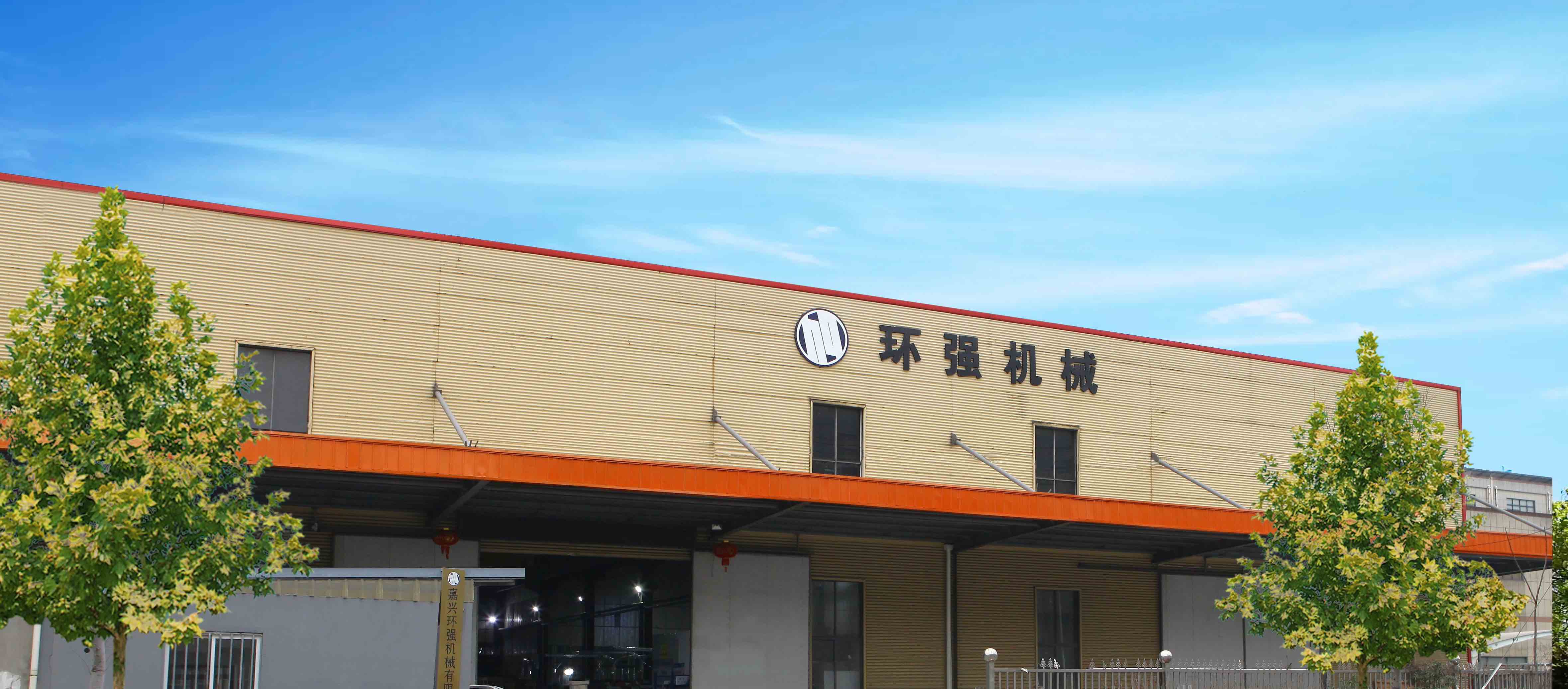
Underpinned by 27 years of dedicated research and continuous development in paper packaging equipment.
Decoupling European Directives to ensure absolute compliance, workplace safety, and seamless market access.
Every paper cup forming and punching machine conforms to the strict requirements of Directive 2006/42/EC. This covers mechanical safety interlocks, emergency stop loops, physical sound dampening barriers, and safe working layouts to prevent manual interaction hazards during high-speed strokes.
Electrical control cabinets utilize globally certified components (Schneider, Siemens, Omron). Wiring topologies isolate control signals from high-power distribution buses. Heavy-duty magnetic filters mitigate electromagnetic interference, keeping high-frequency noise well within limits outlined by Directive 2014/30/EU.
Risk assessments are documented during design. Critical joints, fast-moving parts, heating zones, and punch tool configurations undergo failure mode analysis to prevent industrial mishaps, ensuring the safety of your floor operators and production teams.
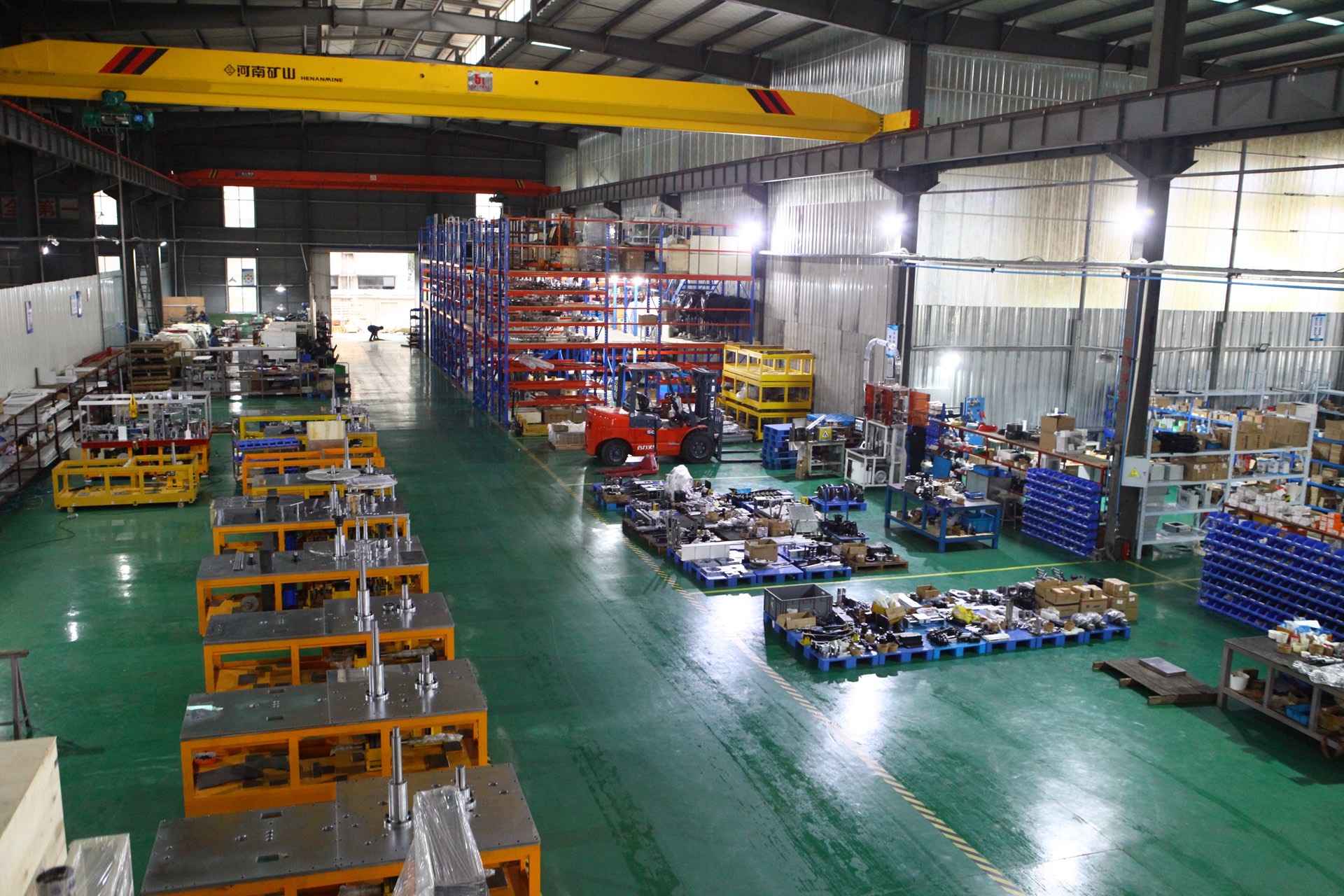
Huanqiang Machinery (HQ Machinery) has been engaged in quality paper cup machinery manufacturing in China for decades. Quality comes first. To maintain total control over dimensional tolerances and structural integrity, we set up our own CNC parts process center to produce most of the mechanical and tooling parts ourselves.
Skilled technical staff are well trained to control the precision of machine assembly and adjustment processes. By eliminating external machining suppliers, we protect component quality and guarantee prompt delivery schedules.
As a company, we pride ourselves on our relationship with our clients and our ability to consistently deliver value. We prefer to treat our customers as partners rather than clients. Their success is as important to us as our own. We are committed to serving our customers in the best way possible.
Innovation and exploration into sustainable packaging is a top priority for us. One of our goals is to develop alternatives to replace traditional, non-renewable, or non-recyclable packaging to meet the needs of today's industry. We also offer the possibility to work together on new product development; from brainstorming and drawings to sample production and final realization.
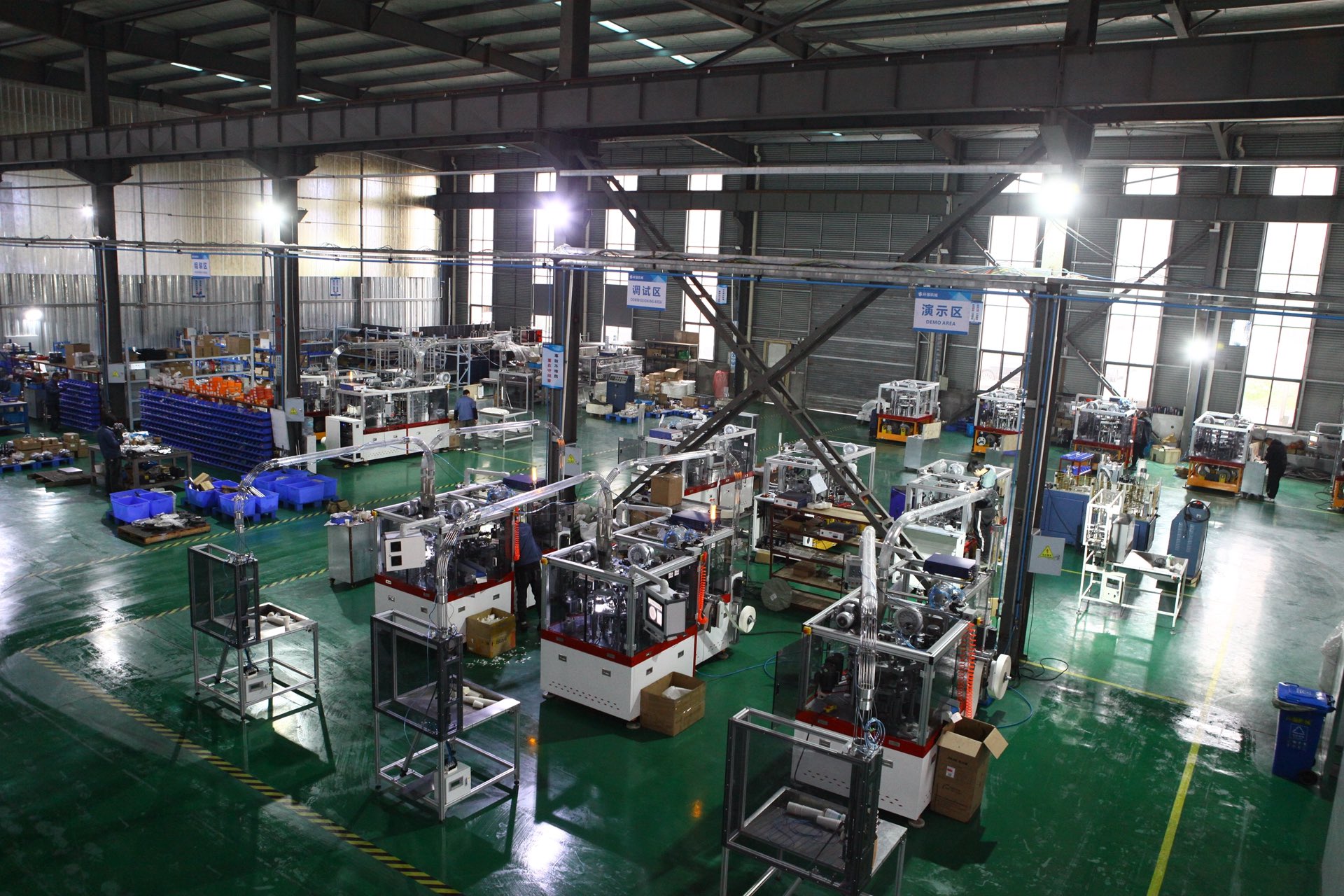
How our core design principles convert into operational cost advantages for international container plants.
Led by senior engineers, we maintain an independent R&D center. Annual investments fund modularization, multi-servo controls, online visual inspections, and remote system telemetry updates.
Over 200 traceable inspection nodes monitor our processes. Our five-axis machining center and automated fatigue testing platform ensure plug-and-play installation with minimal run-in time at your site.
In-house metal processing, machining, and final assembly keep pricing competitive and lead times short. Flexible manufacturing scheduling can accommodate custom specifications rapidly.
Our integration spans design, production, sales, installation, and after-sales support. We resolve 90% of operational faults online via integrated remote diagnostics.
The packaging market is transitioning from PE plastic laminations to sustainable alternatives like Polybutylene Succinate (PBS), Polylactic Acid (PLA), and water-based aqueous coatings. These materials have distinct thermal and friction profiles:
To manage these differences, our machines use precise temperature controllers and variable contact pressure mechanisms. This setup allows operators to easily switch parameters between materials, helping plants stay adaptable as environmental rules change.
Deciding between rotary die cutting and reciprocating flatbed punching involves balancing output speed, tooling costs, and production run lengths:
Reciprocating flatbeds offer low tooling costs and quick setup times, making them suitable for short to medium runs. However, high-speed lines benefit from rotary punching, which maintains constant web tension for consistent registration accuracy. Our high-precision indexing drives and hardened tool steels are built to handle structural packaging substrates with minimal downtime.
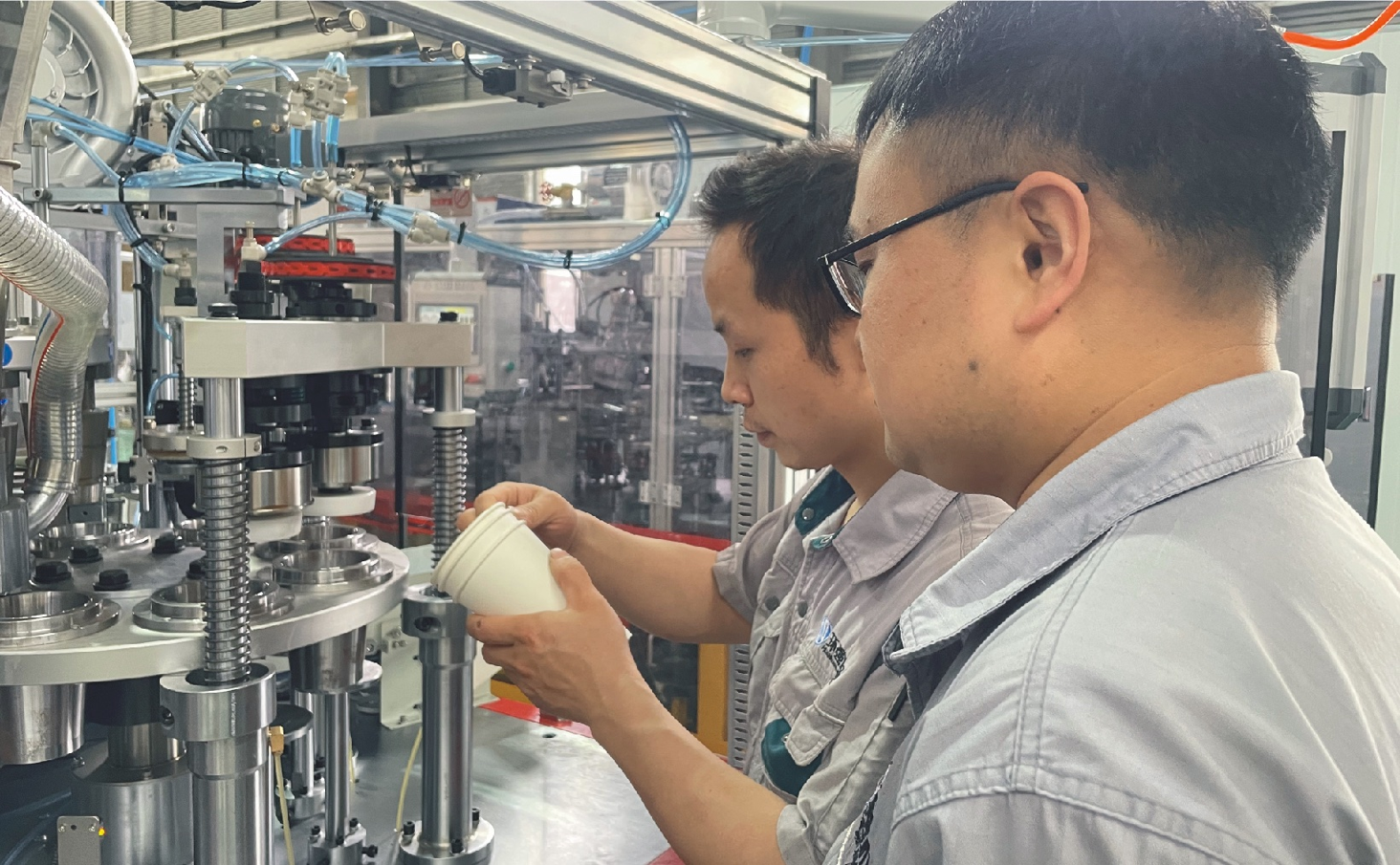
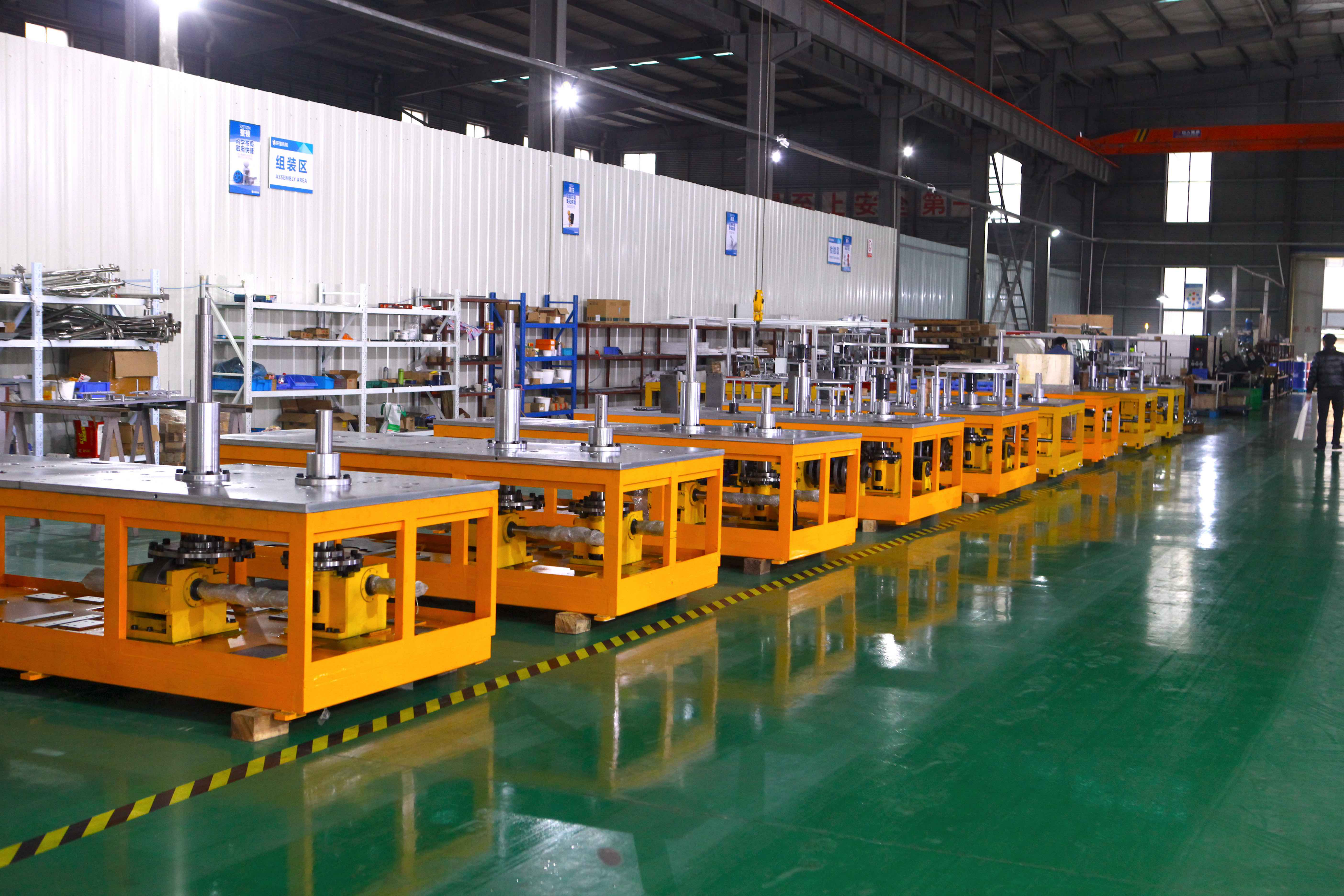
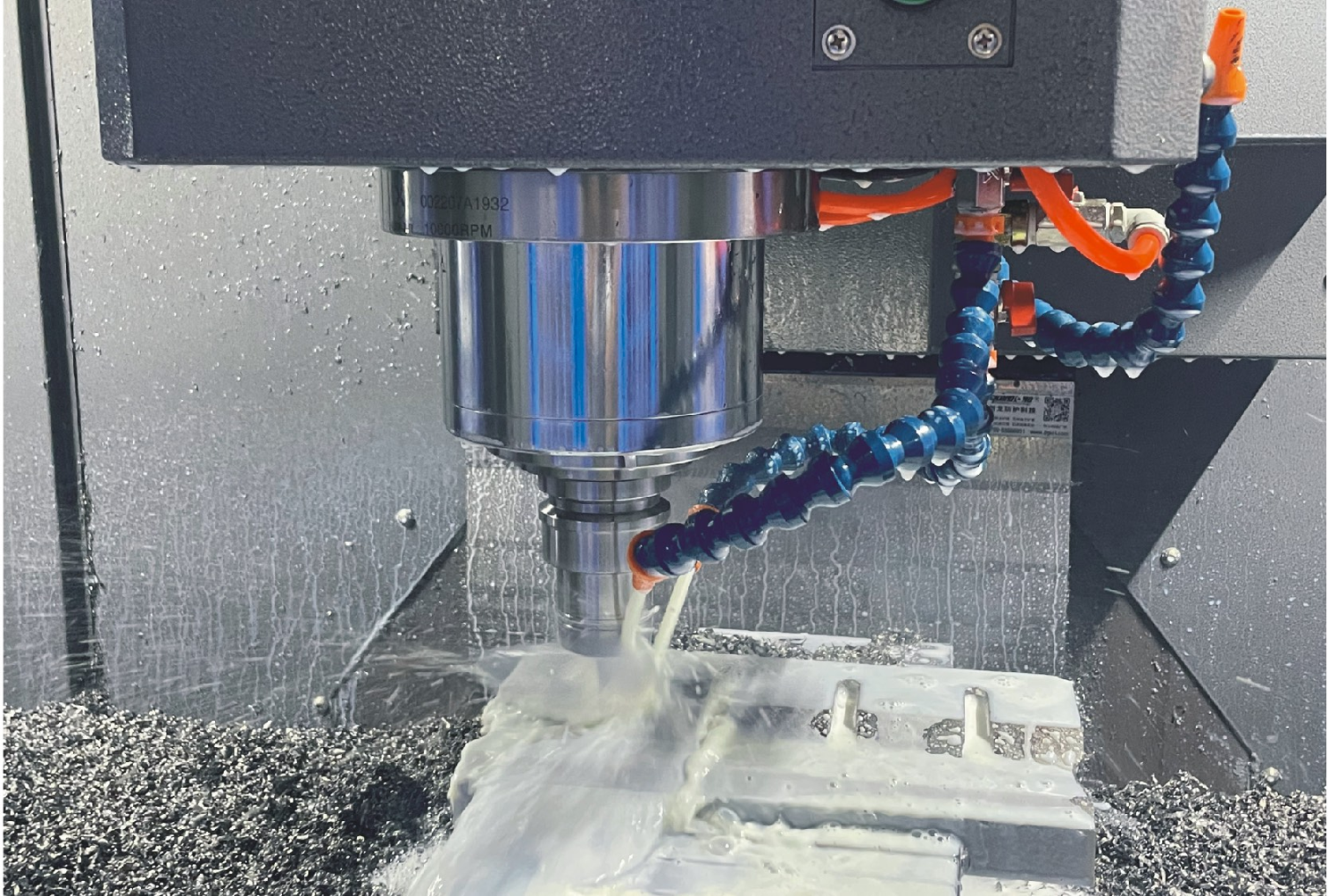

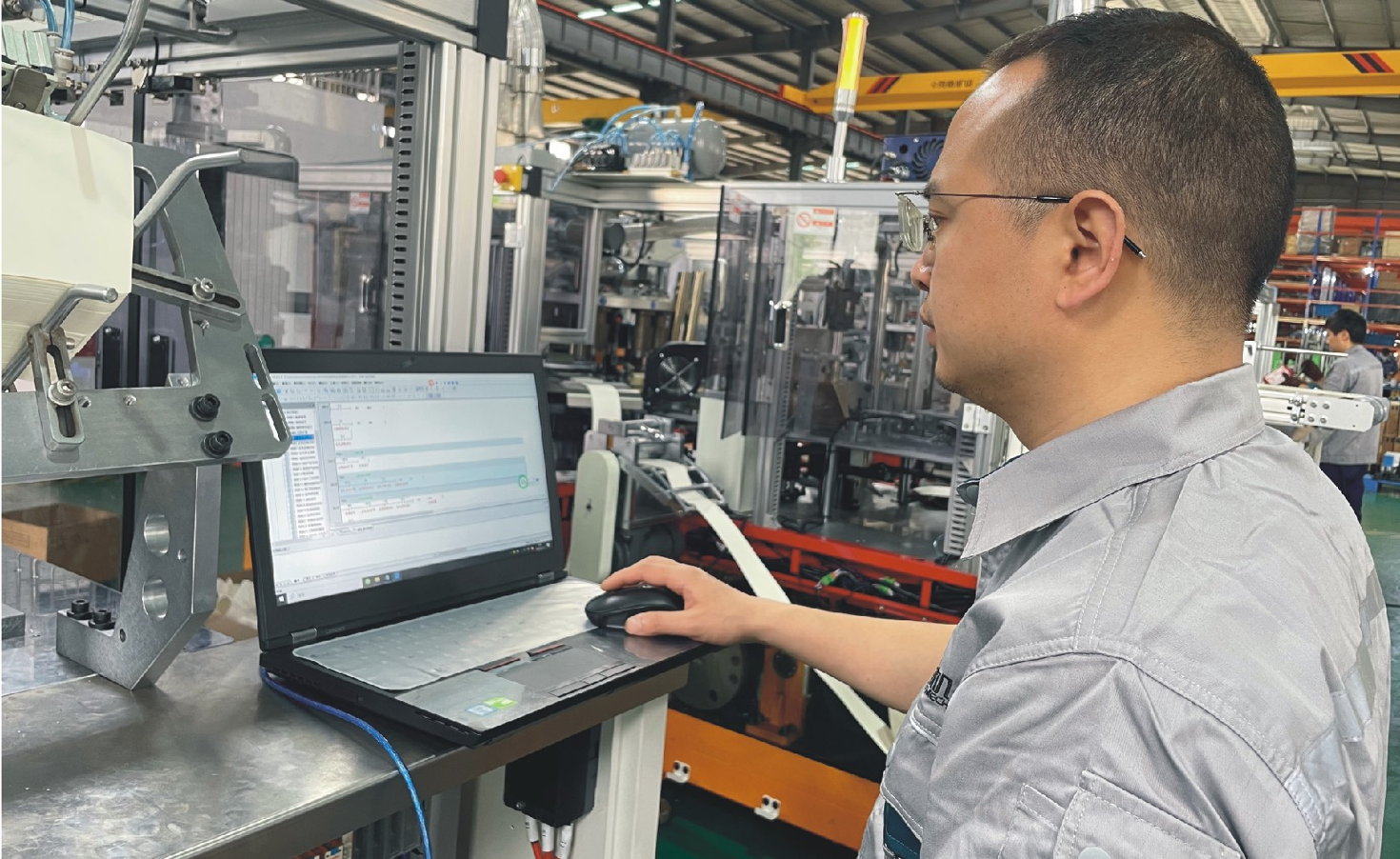
From the beginning, the company was focused on developing a culture of quality, innovation, and excellence. We live by our Core Values - Precision, Innovation and Passion for engineering. They guide how we treat each other, our customers, and how we tackle our work. With strong Core Values and a clear purpose, our company is positioned to perform better.
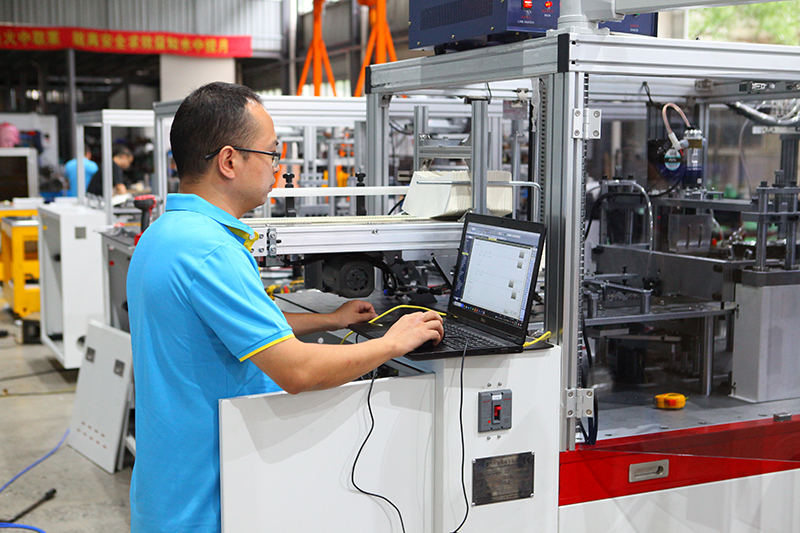
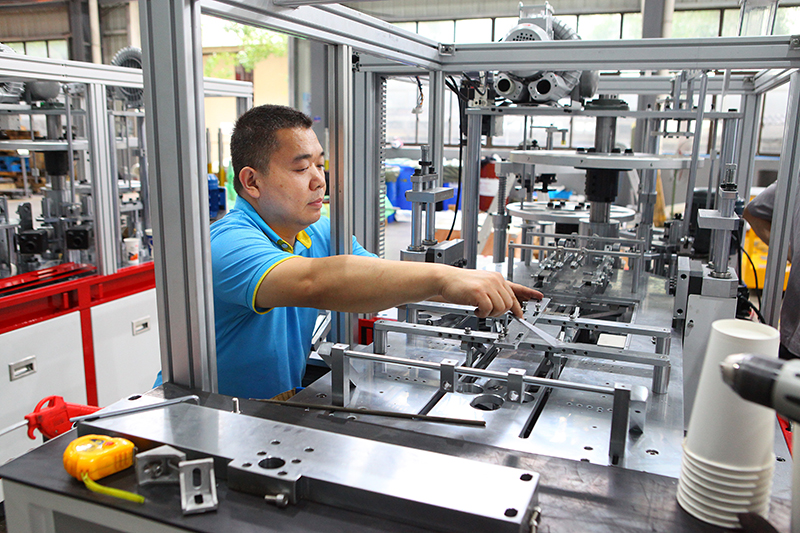
Precision engineering must be supported by responsive service. We structure our service delivery on key performance indicators:
A close look at our mechanical assembly, drive components, and structural design choices.
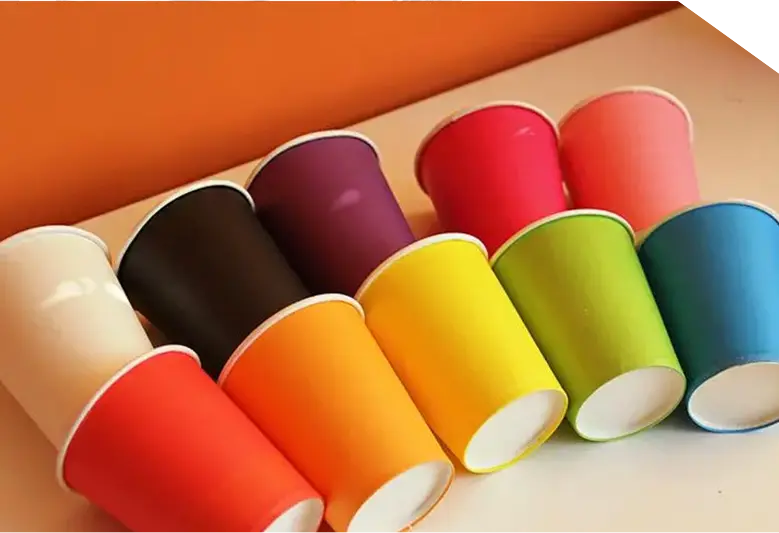
High production output depends on robust tooling. We process custom molds in-house using precise grinding and heat treatments. This ensures clean cuts, minimal paper waste, and smooth, consistent cup rims.
Traditional drive systems rely on complex linkages and chain drives, which can wear out and lead to timing shifts. We utilize direct-drive servo motors synchronized via high-speed EtherCAT protocols. This design reduces maintenance, lowers noise, and allows operators to adjust speeds and stroke profiles directly from the HMI screen.
Detailed answers to common engineering, procurement, and compliance questions.
Select options for double walling, sleeve applications, and automated vision inspections.
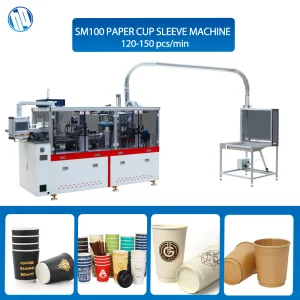
Designed to apply outer insulating sleeves to double-wall and corrugated cups.
Learn More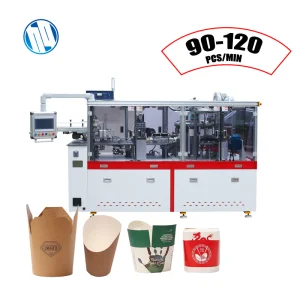
Forms sturdy, leak-resistant paperboard takeout containers at high speeds.
Learn More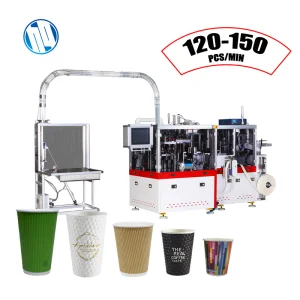
Processes corrugated sleeves to provide heat insulation for hot coffee cups.
Learn More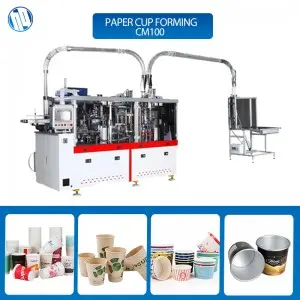
A heavy-duty version featuring oil-bath lubrication and robust cam drives.
Learn More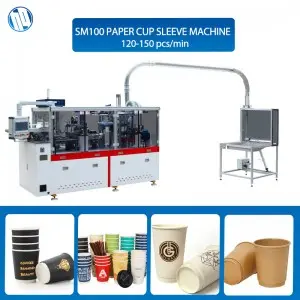
Provides fast sleeve gluing and wrapping for double-wall cups.
Learn More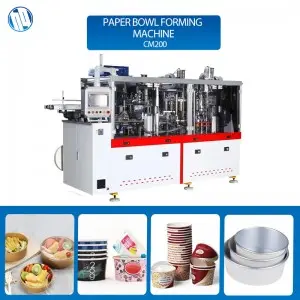
Optimized for processing custom rectangular and square food tubs.
Learn More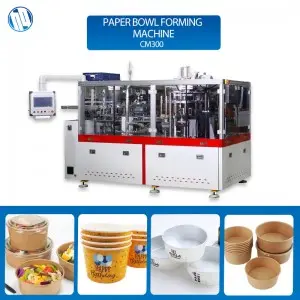
Built to produce deep soup bowls and high-volume takeaway packaging.
Learn More
Checks for leakage defects and rim deformities on the production line.
Learn More Huan Qiang