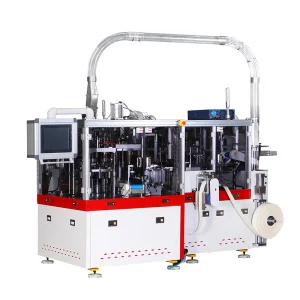
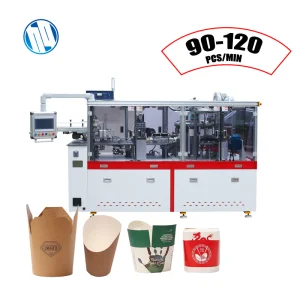
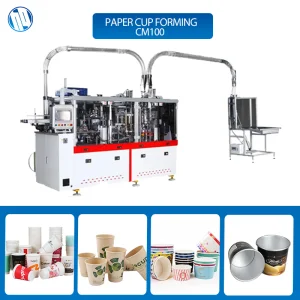
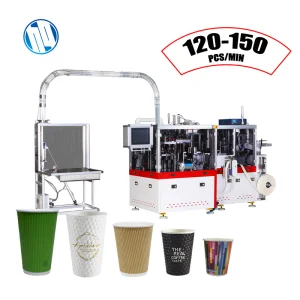
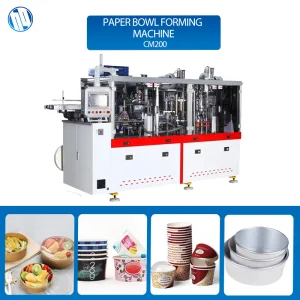
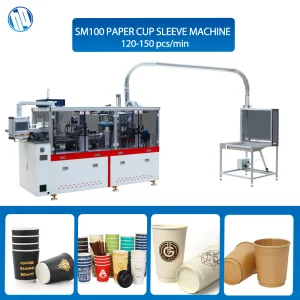
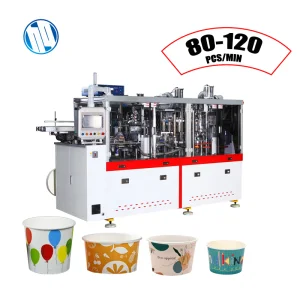
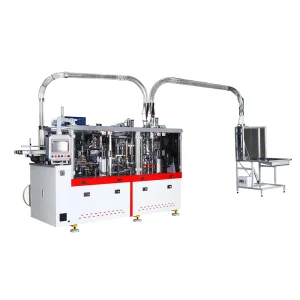
Explore our top-performing CE-certified machinery lines. Engineered for speed, structural accuracy, and operational reliability across global packaging supply chains.
The global food packaging industry is undergoing a significant structural shift. Traditional round packaging, while mechanically simple to manufacture, exhibits clear inefficiencies in modern logistics, shelf-space utilization, and stackability. Enter the Square Bowl Making Machine. This piece of industrial machinery represents a major leap in non-round mechanical engineering, addressing the limitations of radial geometry by utilizing complex corner-folding mechanisms and non-circular rotary toolsets.
Unlike standard paper cup machines that apply uniform radial stress when rolling paperboard, square bowl forming requires precise control over non-symmetrical boundary stresses. At the four corners of a square bowl, paperboard undergoes localized compression. Without high-end mechanical calibration, this localized stress leads to micro-wrinkles, structural weak spots, and subsequent fluid leakage.
Analyzing the material innovations, design optimizations, and legislative mandates pushing global packaging manufacturers to upgrade their machinery fleets.
Single-use plastics restrictions (such as the EU's SUP Directive) have accelerated the abandonment of traditional PE linings. Global food brands now demand containers made with bio-coatings like PLA (Polylactic Acid), PBS (Polybutylene Succinate), and water-based dispersion barrier coatings. HQ Machinery's square bowl machines feature specialized hot air and ultrasonic sealing assemblies capable of processing these high-melting-point materials without blistering or degrading the coating barrier.
Square bowls improve retail shelf utilization by approximately 22% compared to circular containers of the same volume. In the frozen food and cold chain logistics sectors, this efficiency reduces shipping costs and minimizes empty space in transport packaging. Retail giants such as Costco, Aldi, and Lidl actively preference square-format ready-meal containers from their co-packers.
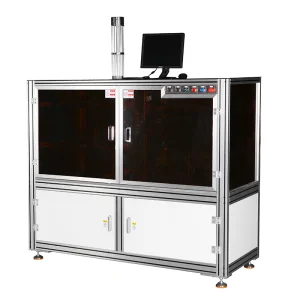
Quality control is no longer manual. Global buyers require inline visual detection systems capable of identifying dust, insects, oil marks, deformation, and bottom seam defects at production speeds up to 150 containers per minute. Our integrated Visual System Cup Inspection Machine uses multi-camera AI algorithms to reject defective products automatically, ensuring 100% compliance before packaging.
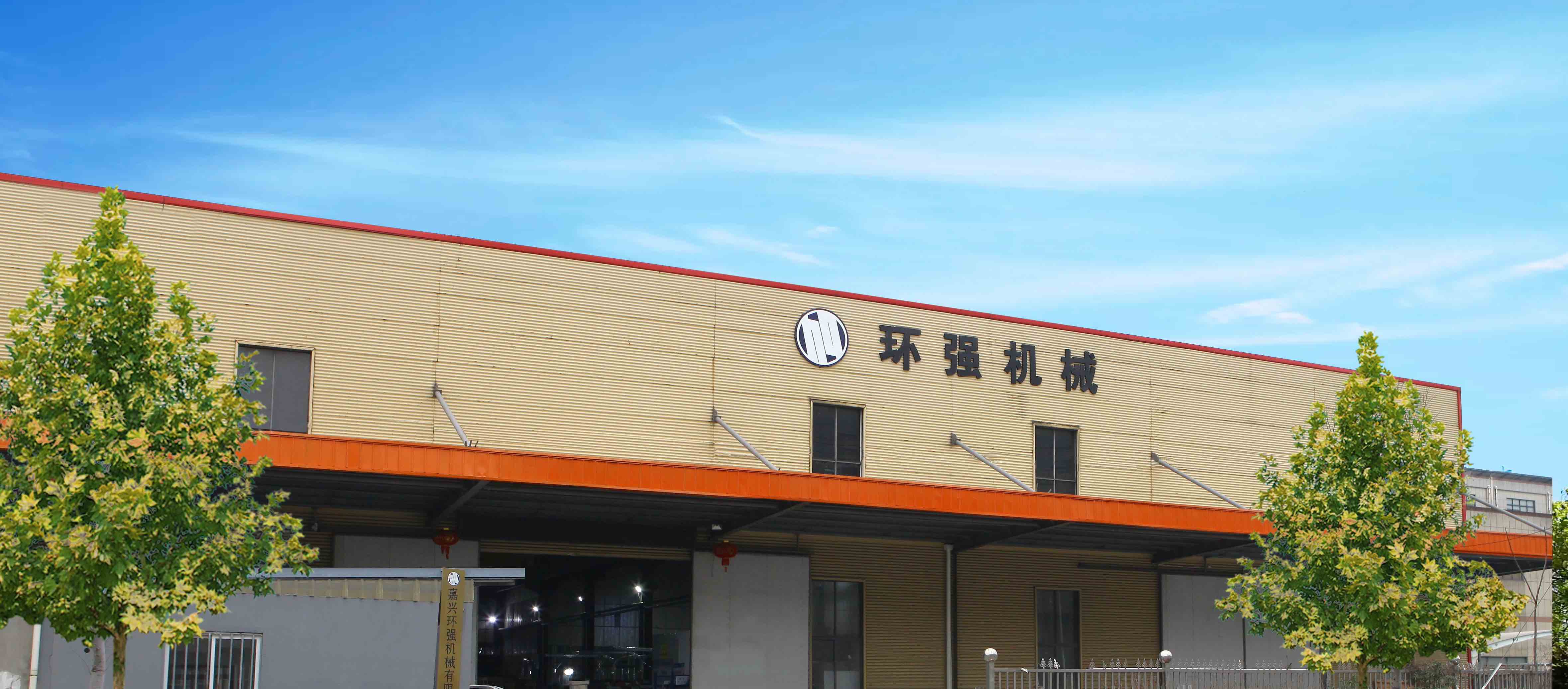
For 27 years, we’ve focused on one thing: making paper cups and containers faster, more stable, and safer for the world. What started as a mechanical workshop has evolved into a leading international enterprise specializing in intelligent cup-forming machinery, square bowl forming platforms, and end-of-line packaging automation systems.
At HQ Machinery, our R&D center is staffed by senior engineers with decades of experience in high-speed mechanical dynamics and thermodynamic design. We invest a percentage of revenue into R&D that consistently exceeds the industry average. This focus has yielded core intellectual property patents in high-speed cam design, non-standard mechanical indexing, and ultrasonic bonding technologies.
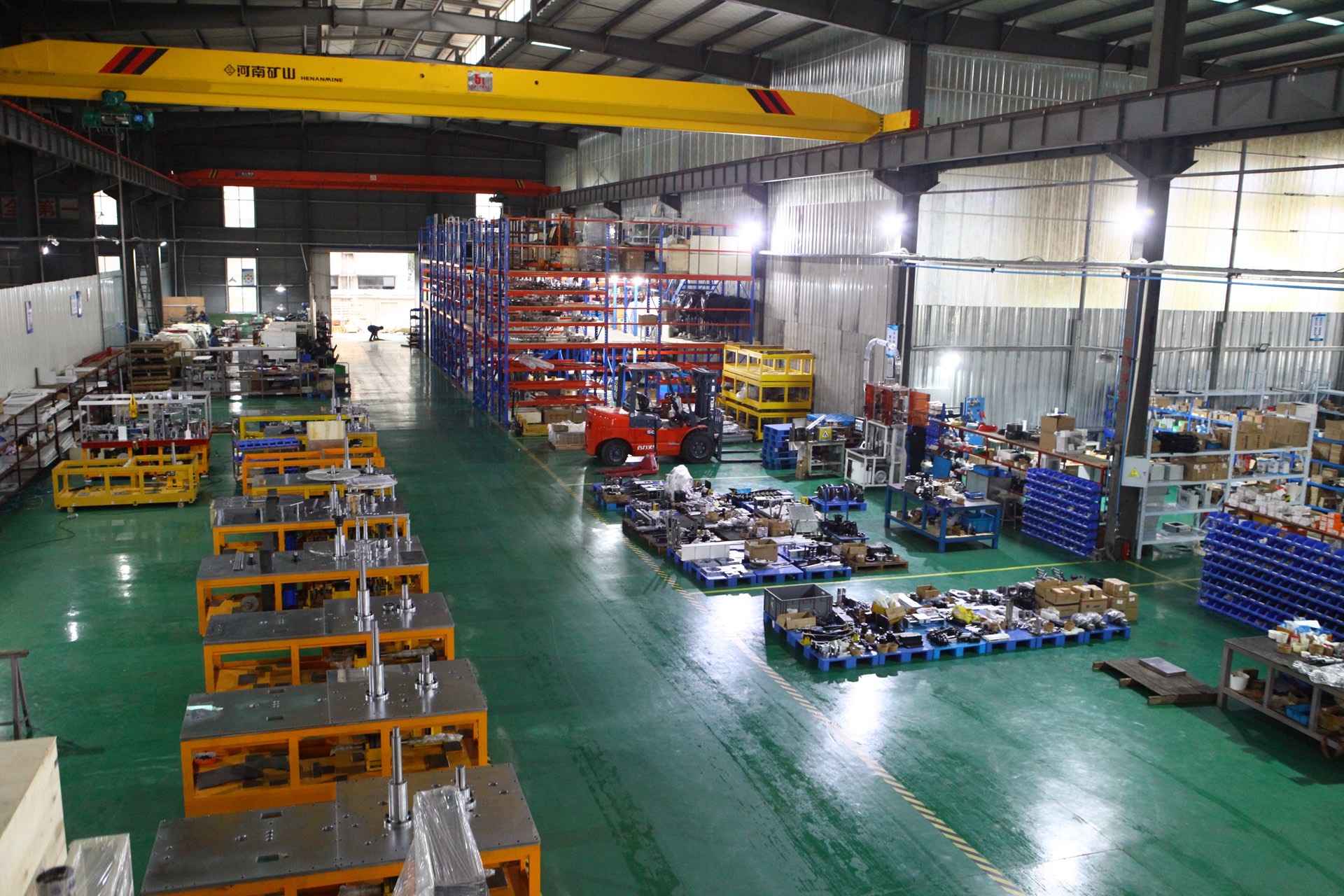
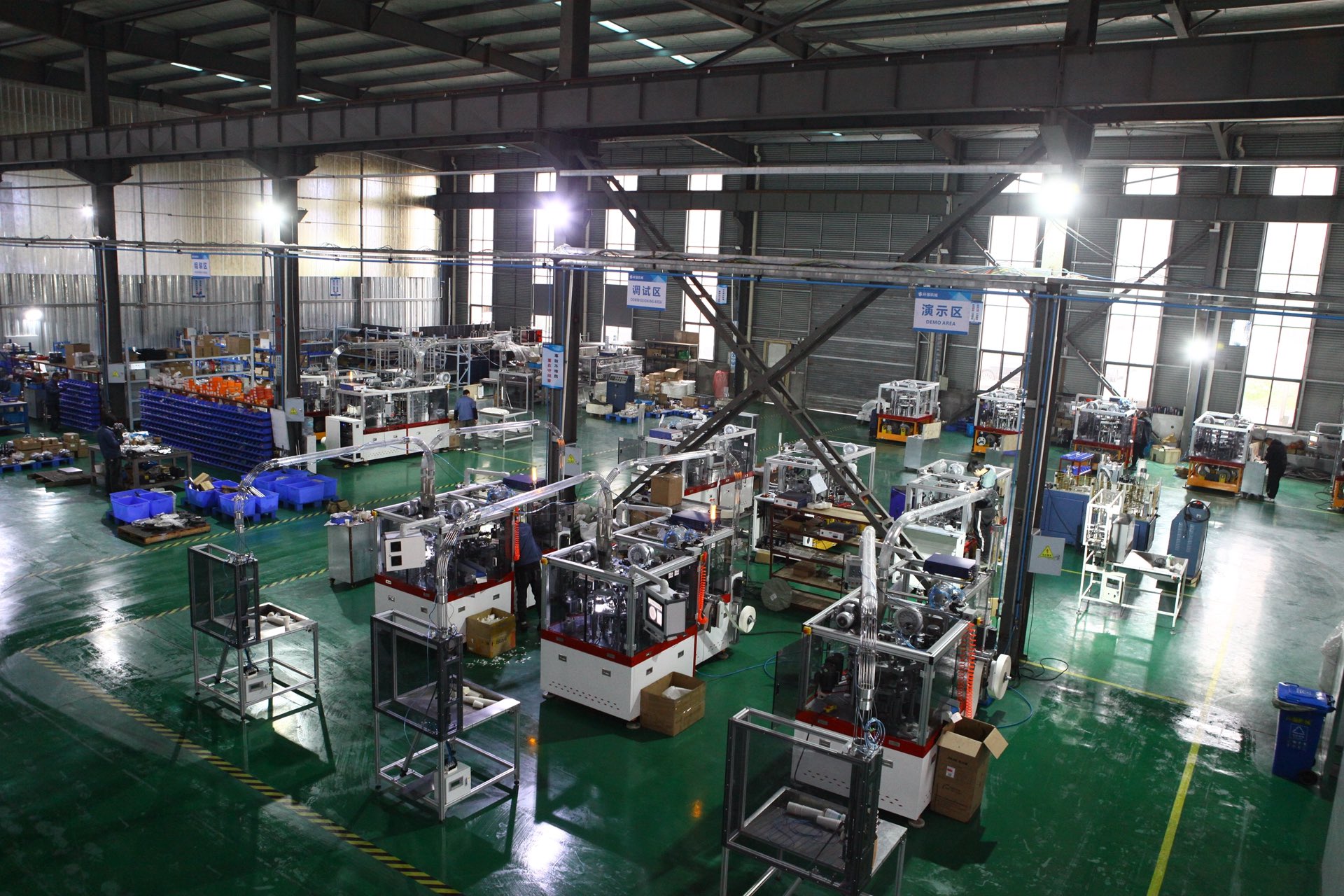
The performance of a Square Bowl Making Machine Factory is defined by its supply chain. In our manufacturing facility in Wenzhou, China, we operate on a vertical integration model. By producing critical components (such as cams, gears, and frames) in-house, we eliminate external delays and quality variance.
Our raw materials consist of high-tensile structural steel alloys, which undergo stress-relieving heat treatments to prevent mechanical distortion over decades of high-frequency operation. Our electrical control panels integrate globally supported components (PLC modules from Siemens or Delta, sensors from Omron, and contactors from Schneider). This design ensures that clients can easily source replacement parts locally when necessary.
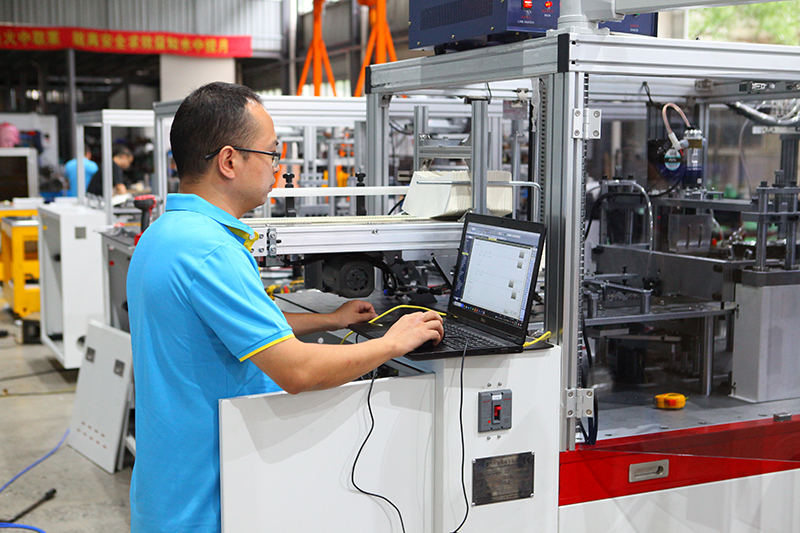
How different food retail sectors leverage our square bowl and non-round container technology to streamline operations.
Fast-food chains are transitioning from plastic containers to high-barrier square paper bowls. The square design provides stable nesting for delivery riders, reducing spills during transport. Heavy-grade double PE or PLA linings prevent sauce leakage and oil seepage over extended holding periods.
Ready-to-eat salads, pasta, and frozen meals require vacuum or modified atmosphere packaging (MAP). The square bowl must feature a perfectly flat rim for top-sealing lidding films. HQ Machinery's hot-pressing rim rolling unit ensures a smooth sealing surface, preventing seal failures.
High-volume instant noodle packaging lines run 24/7. They require high-speed square container forming machines that feed directly into filling lines. The machines must maintain speeds of 100+ cycles per minute with low scrap rates.
Detailed mechanical parameters to help packaging engineers select the appropriate model for their production requirements.
| Model Designation | Suitable Container Types | Speed (pcs/min) | Paper Range (gsm) | Max Bowl Dimension | Main Drive Control |
|---|---|---|---|---|---|
| CM100 | Standard Paper Cups | 80 - 100 | 150 - 350 gsm | Top Dia: 110mm | Mechanical Index / Cam |
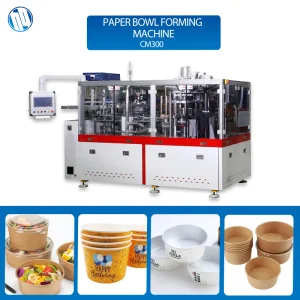
| CM300 | Large Paper Bowls / Buckets | 60 - 80 | 180 - 380 gsm | Top Dia: 180mm | Hybrid Gear & Servo Drive |
| HCM100 | Super Tall & Specialty Cups | 70 - 90 | 160 - 350 gsm | Height: up to 200mm | Synchronized Linkage Drive |
| FCM200 | Square & Non-Round Containers | 50 - 70 | 180 - 400 gsm | Max: 200 x 200mm | Full Multi-Axis Servo Control |
| SM100 | Double Wall / Ripple Sleeves | 80 - 110 | 200 - 380 gsm | Fits 8oz - 24oz cups | Integrated Glue System & Cam |
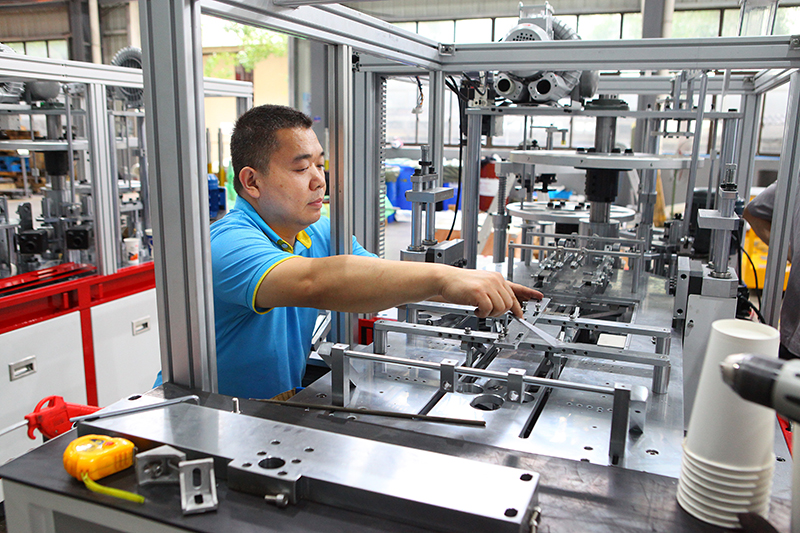
HQ Machinery uses high-precision gear-driven designs in place of chain drives to eliminate timing slop caused by chain elongation over time. Every station of our square bowl machinery is governed by hardened indexing cams. Under 24/7 operating loads, this assembly maintains positioning repeatabilities of ±0.02mm, which prevents offset bottom seams and irregular corner geometries.
An engineering breakdown of the production sequence from flat blank to finished square container.
Answers to common engineering questions from production managers, procurement officers, and quality assurance leads.
A: Corner wrinkling is caused by paper compression as flat sheets conform to 90-degree corners. HQ Machinery addresses this issue in our FCM200 model through three main design features: First, our custom tooling profiles distribute paper displacement over a wider corner radius. Second, we use multi-stage preheating to soften coatings and fibers before mechanical folding. Third, we employ independent servo-actuated press rollers that adjust bonding pressure dynamically at each corner to prevent wrinkling and ensure a smooth seal.
A: Our machinery is certified compliant with the European Union's Machinery Directive 2006/42/EC, Low Voltage Directive 2014/35/EU, and Electromagnetic Compatibility (EMC) Directive 2014/30/EU. This compliance includes safety features such as safety switches on all access doors, photoelectric light curtains in manual loading areas, emergency stop circuits, and electrical enclosures designed to resist water ingress during cleaning cycles.
A: Yes. Traditional machines designed only for PE-coated paperboard often blister alternative coatings because they rely on single-temperature hot air heaters. HQ Machinery’s square bowl machines use multi-zone heaters alongside high-frequency ultrasonic sealing heads. This setup allows operators to adjust sealing temperatures and dwell times to match the melting point of alternative barriers like PLA, PBS, and water-based coatings, preventing delamination or leak paths.
A: Standard mechanical indexers can require 8 to 12 hours for a full mold changeover. In contrast, HQ Machinery’s modular design allows a team of two technicians to complete a changeover in 3 to 4 hours. The changeover process is streamlined by our quick-release mandrels, tool-less clamping systems, and pre-saved PLC recipes that automatically adjust height and stroke parameters.
A: We use oil-immersed main drive cams that operate inside a sealed housing to minimize wear. The automatic oil-recirculation system pumps filtered lubricant to all major friction points. We recommend checking the oil filter every 1,000 operating hours and changing the gear oil annually. Under normal conditions, our cams are rated for a service life exceeding 50,000 hours.
A: The inspection machine uses three high-definition cameras positioned to capture the rim, interior, and outer bottom seam of each container. An integrated industrial PC processes these images in real-time using edge-detection algorithms to identify defects down to 0.5mm² at speeds up to 150 containers per minute. Non-compliant units are automatically rejected into a waste bin by a pneumatic blast.
Reviewing our legacy engineering projects, customized flange designs, and heavy-duty paper forming platforms.
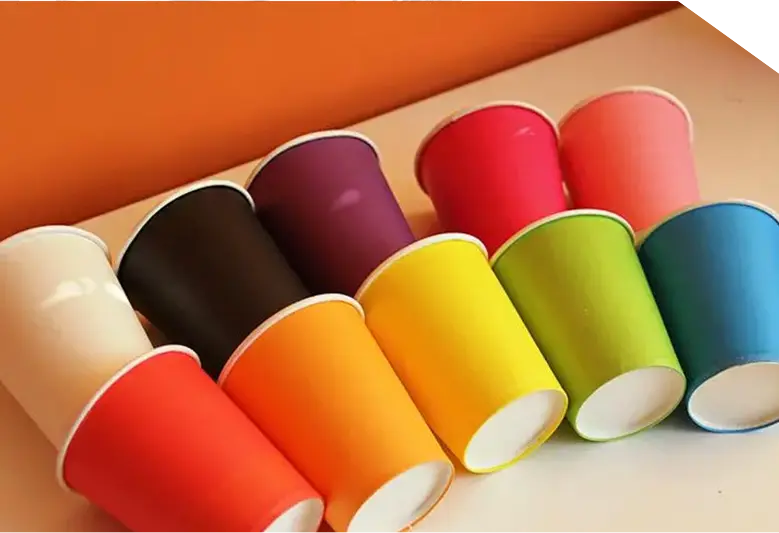
Huan Qiang's team has designed and manufactured high-quality paper cup machinery in China for decades. Beyond our standard square bowl forming lines, we engineer non-standard and custom-shaped flanges. This tooling flexibility allows customers to develop unique container designs, including oval containers, hexagonal salad bowls, and irregular-shaped takeout tubs, helping them differentiate their products in competitive markets.
From single-wall cup formers to complex double-wall sleeve application systems, browse our machinery catalog below.
 Huan Qiang