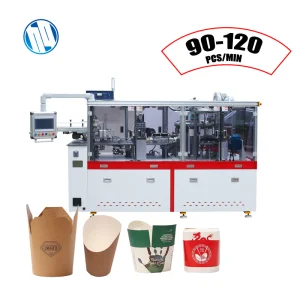
Engineered for high efficiency, speed consistency, and compatibility with eco-friendly barrier materials.
As global sustainability initiatives accelerate and consumer markets shift away from fossil-fuel-derived single-use plastics, the food service industry is undergoing a structural transition. The demand for paper packaging containers—specifically noodle boxes, paper pails, and non-round takeaway containers—is experiencing unprecedented growth. Large food brands, retail chains, and processing facilities worldwide require packaging that meets both functional criteria (leak resistance, thermal retention, grease barriers) and environmental standards (recyclability, compostability).
Historically, square-bottomed and non-round containers presented major manufacturing hurdles. Unlike standard round cups, folding and sealing rectangular corners requires exact mechanical control. Without it, structural integrity suffers, resulting in leaking corners or inconsistent seams during high-speed production.
Modern high-speed paper box forming machinery addresses these engineering issues directly. By combining multi-stage mechanical indexing, intelligent thermal management, and advanced ultrasonic welding, today's machines run at high output rates. They work seamlessly with traditional polyethylene (PE) coatings as well as bio-sourced alternatives like polylactic acid (PLA) and water-based barrier coatings.
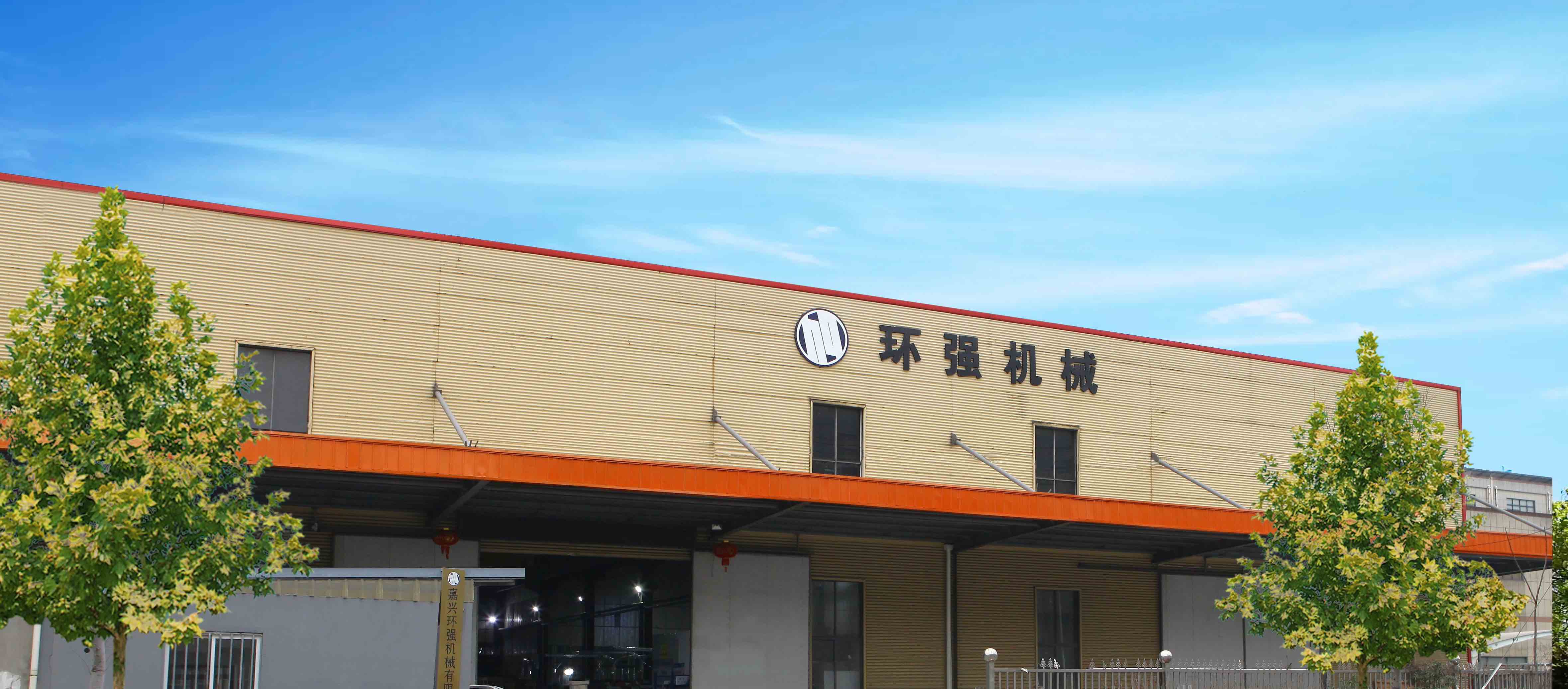
A Chinese Manufacturing Expert with 27 Years of Focus on Paper Cup and Container Forming Equipment
For nearly three decades, Huanqiang Machinery has focused on a single commitment: making paper container forming equipment faster, more stable, and safer for global operators. Starting with basic mechanical cup makers, we have grown into a major Chinese engineering and manufacturing supplier. Our lines now produce round cups, square cups, non-round food buckets, paper lids, and custom takeaway containers.
Our corporate philosophy is rooted in precision engineering, ongoing innovation, and proactive customer support. Rather than offering basic off-the-shelf equipment, we deliver integrated, sustainable manufacturing setups designed to keep our clients competitive in their markets.
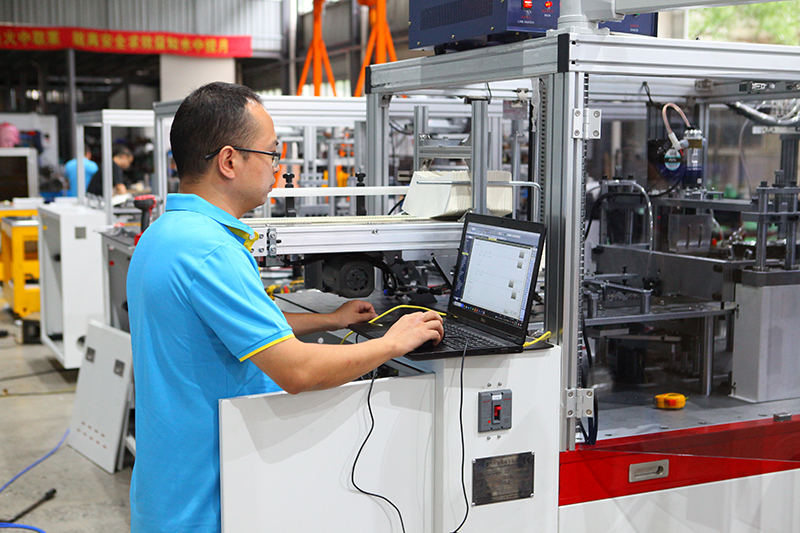
Led by engineers with decades of industry experience, our independent R&D center holds complete intellectual property rights. Annual R&D investments consistently exceed the industry average. We develop advanced features like servo-driven indexers, integrated vision inspections, and online diagnostics to make software-level adjustments quick and simple.
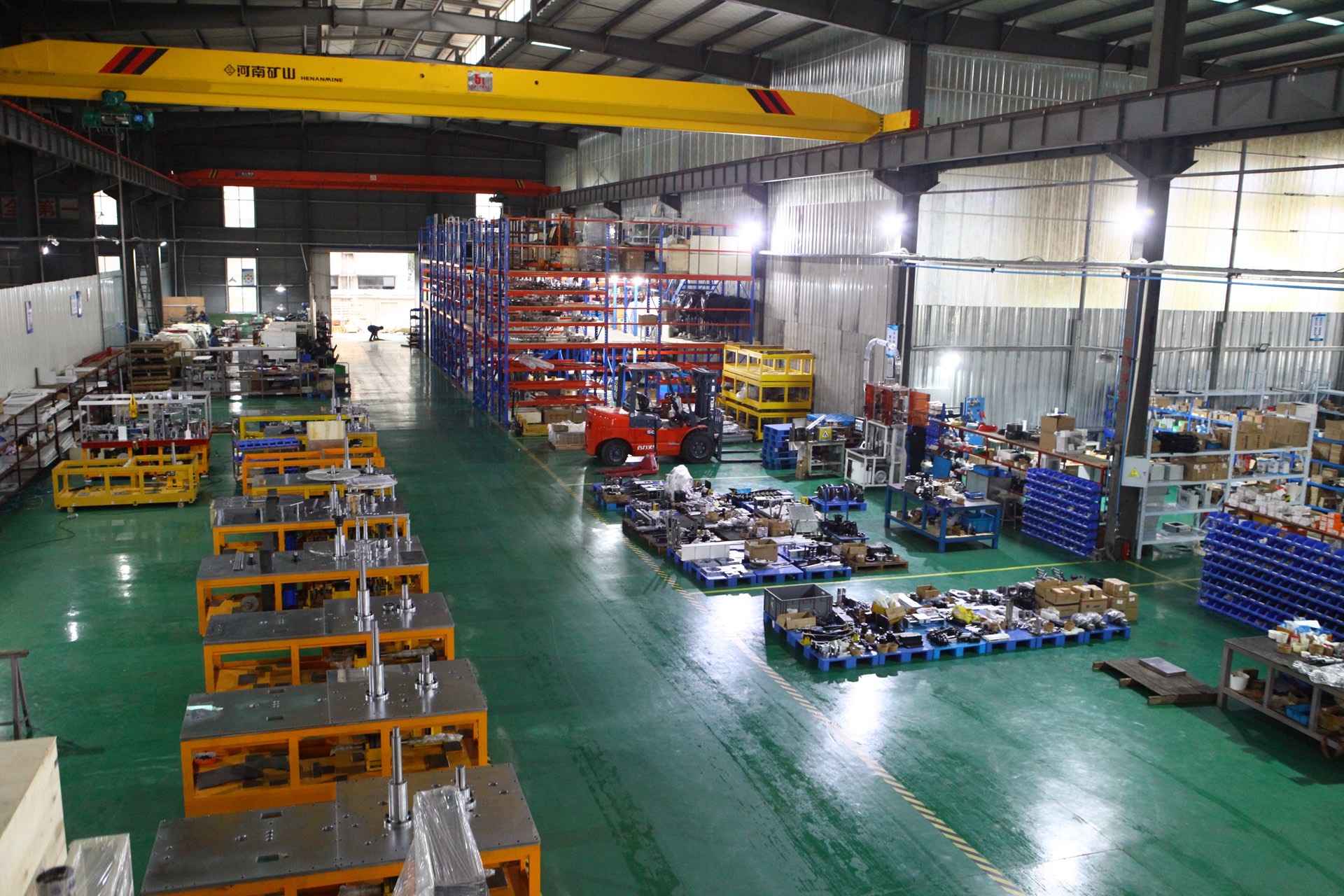
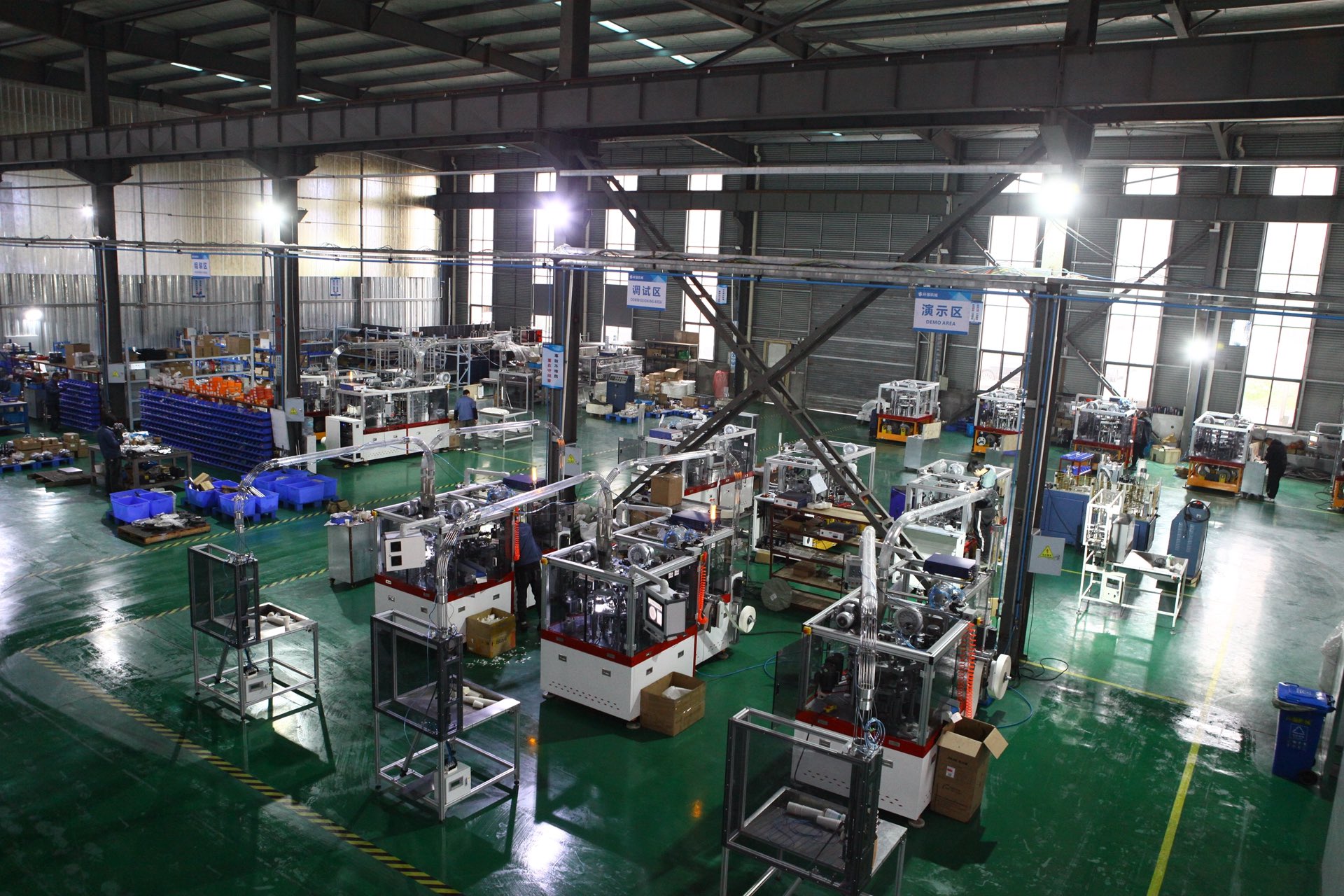
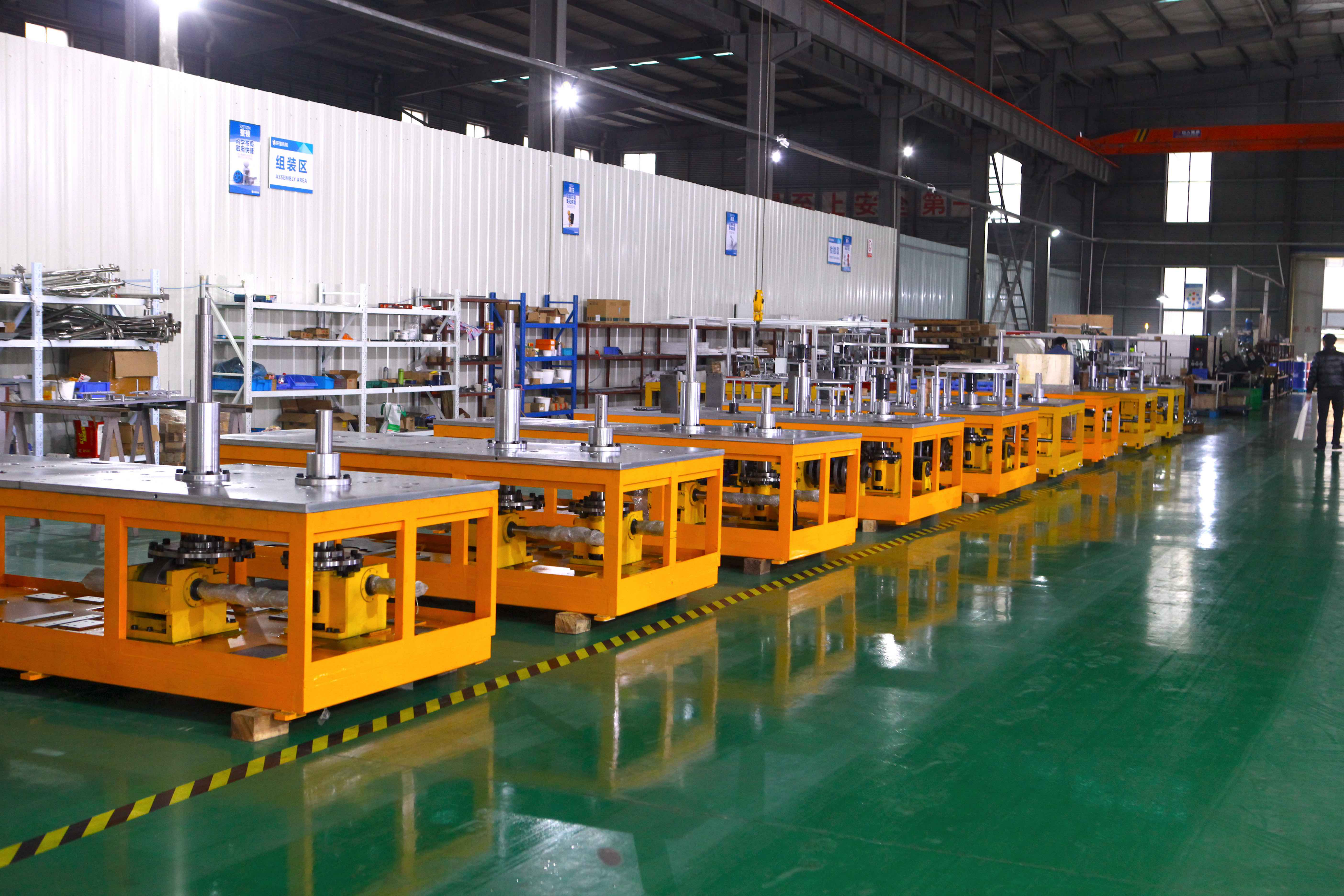
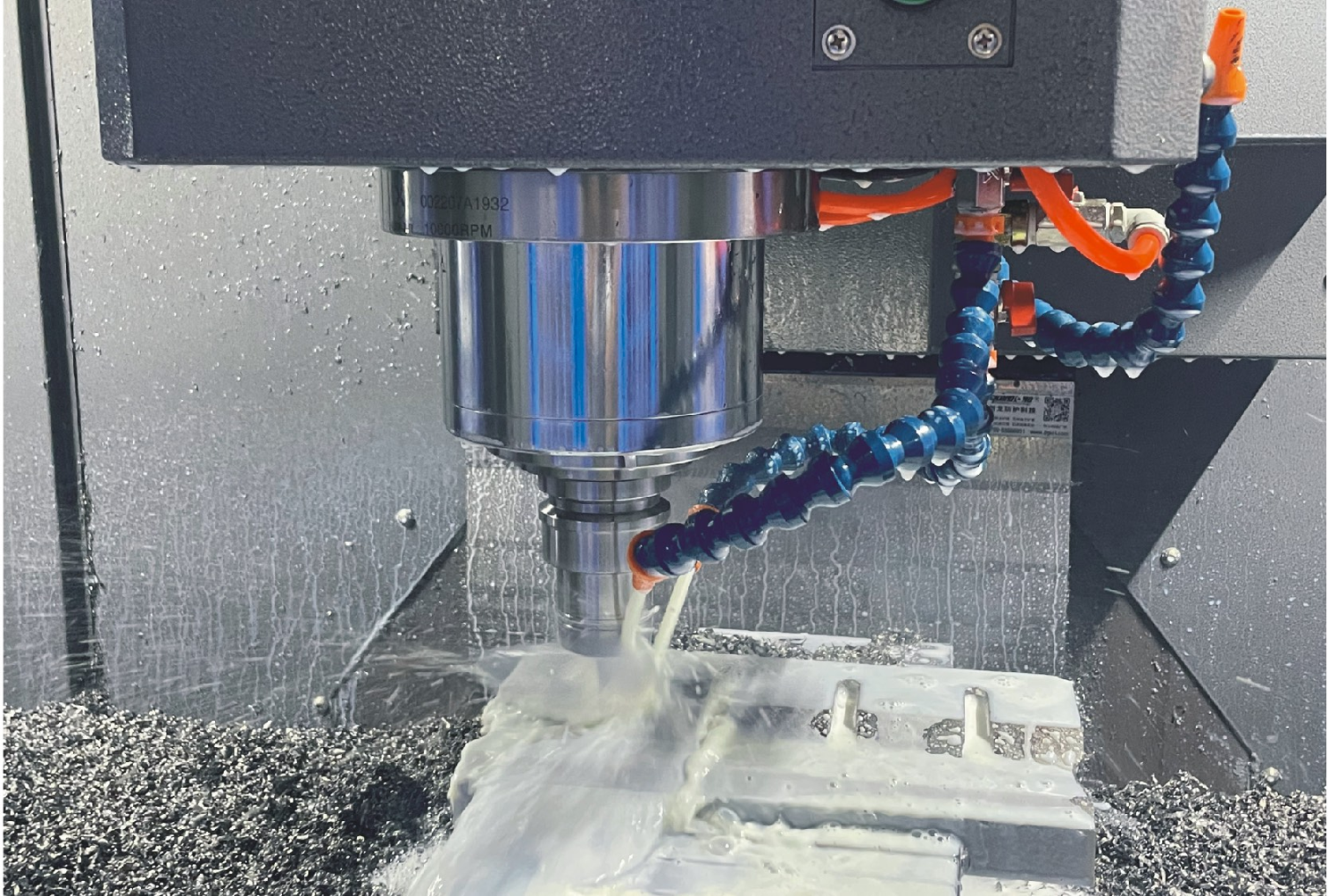
Our "HQ Standard" ensures strict quality control across the production process. We trace every stage from raw materials to finished machines across 200 verification points. Components are processed on high-precision imported five-axis machining centers, and every completed assembly undergoes continuous run-in testing before delivery.
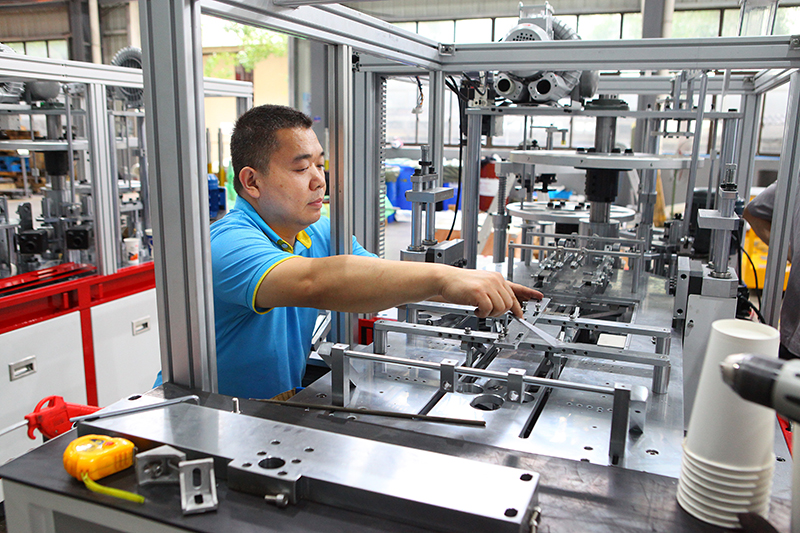
By handling machining, sheet-metal work, and assembly in-house, we eliminate third-party delays. This centralized approach guarantees on-time shipments, competitive direct-factory pricing, and the ability to process mechanical changes or customize tooling within short timelines.
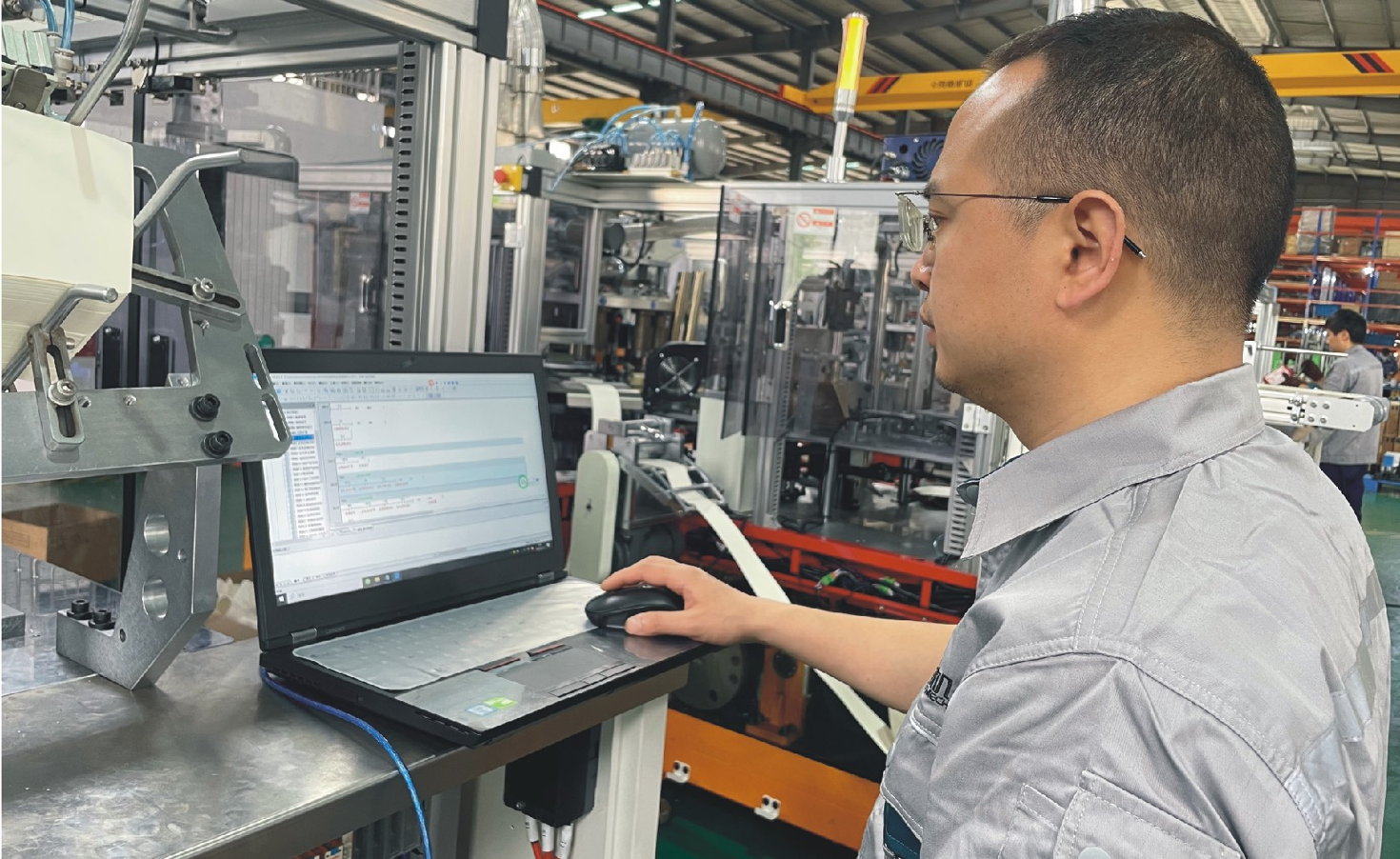
Our technical support team provides global assistance for installation, operation training, and maintenance. Many diagnostics and software updates are resolved directly online via integrated PLC network links, keeping machine down-time to a minimum.
Explore the specialized capabilities of our signature packaging lines designed for various container geometries.
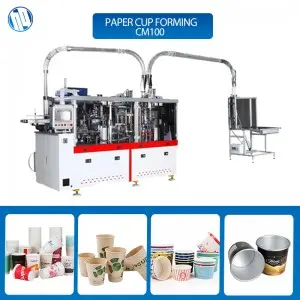
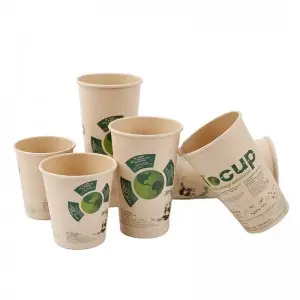
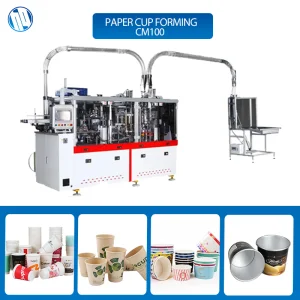
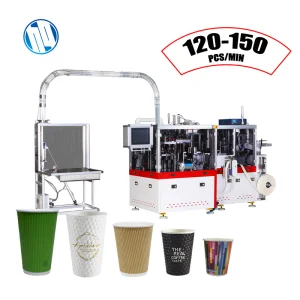
The CM100 is designed for round cups and small food containers. It utilizes a reliable vertical shaft drive and indexing mechanism to handle double-PE and bio-coated paper stock, running consistently at medium-to-high speeds.
Output Speed: up to 90-110 pcs/min
Paper Weights: 150 - 350 gsm
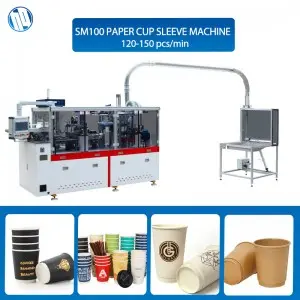
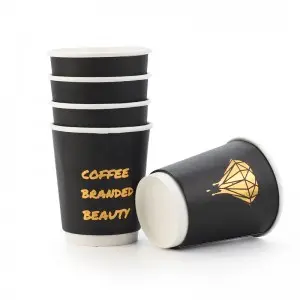
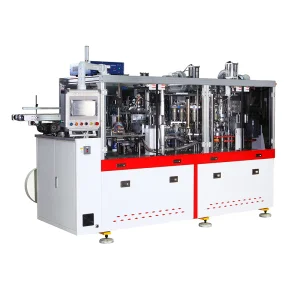
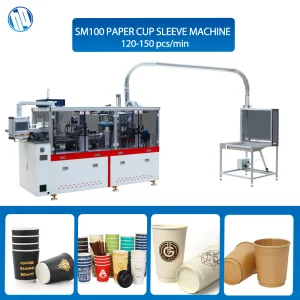
The SM100 adds external protective sleeves to single-wall cups, creating hollow or ripple-wall double barriers. This secondary process improves heat insulation, perfect for hot soup containers and takeaway noodle cups.
Process Capability: Ripple & Hollow Sleeves
Insulation Type: Air-gap heat retention
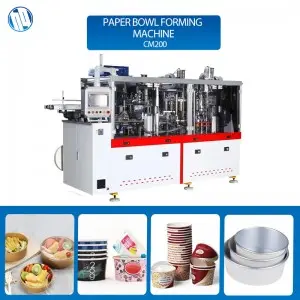
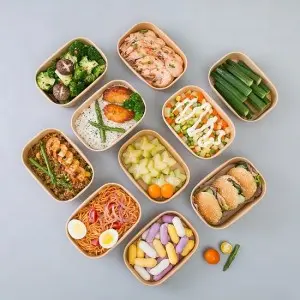
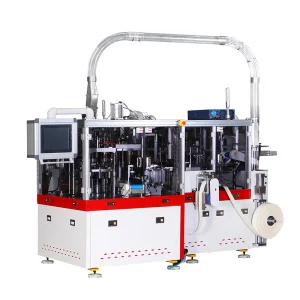
The FCM200 is built specifically for square containers, rectangular takeaway boxes, and classic Chinese/Asian noodle boxes. It replaces conventional circular indexing with specialized non-round folding and side-welding stations.
Specialization: Rectangular, Oval, Square Pails
Sealing System: Hot Air & High-Frequency Ultrasonic
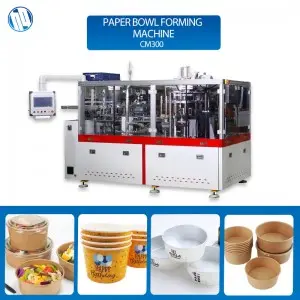
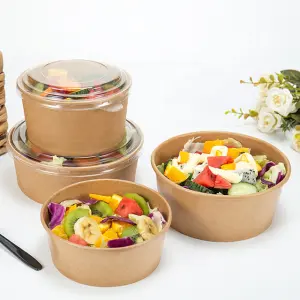
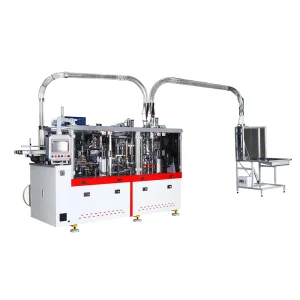
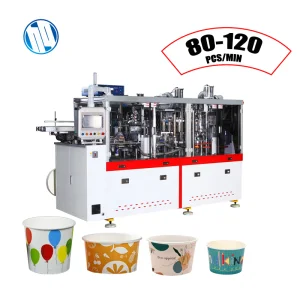
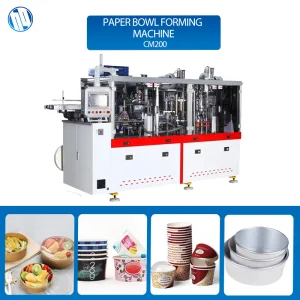
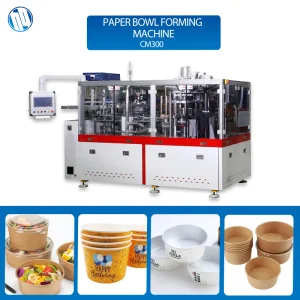
Designed for high-capacity food bowls, instant noodle cups, and large take-away soup tubs. Its robust frame and heavy-duty drive components ensure smooth rim-curling on larger diameters and heavier paper stocks.
Bowl Size Range: up to 50 oz / 1500 ml
Mechanical Drive: Closed-loop lube open cam
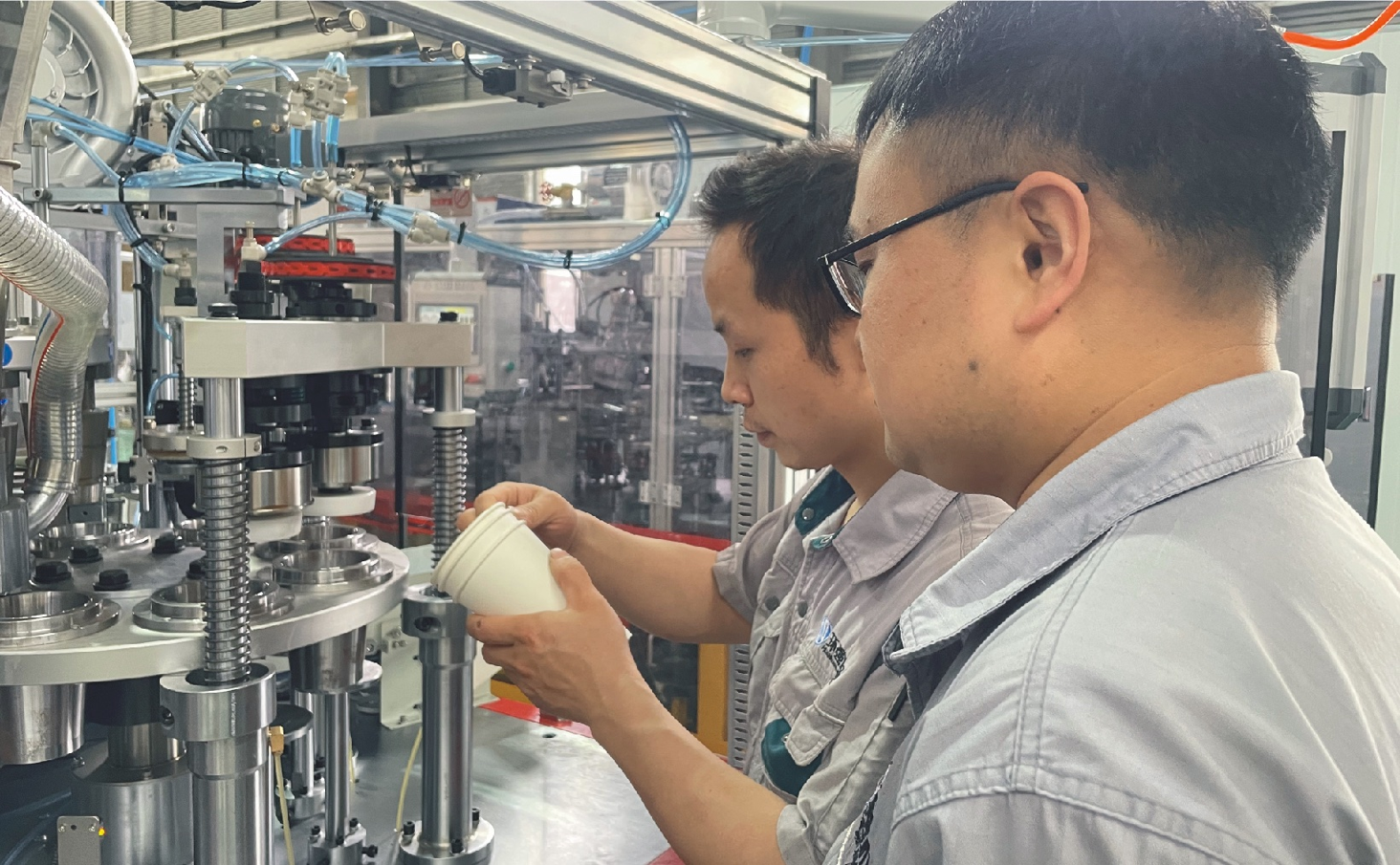

Understanding the transition from a flat paper blank to a secure, leak-proof food container.
Forming a leak-proof noodle box requires precise timing across several mechanical stages. The process begins with blank feeding, where double-coated or single-coated paper blanks are separated and fed into the machine via a suction arm. This stage must handle varying paper densities without double-feeding.
Next is the side-welding station, where the container's main body is wrapped around a mandrel and sealed. For eco-friendly materials like PLA or water-based barrier coatings, ultrasonic welding is used instead of standard heating. This applies high-frequency vibration directly to the seam, bonding the coating molecules instantly without overheating the paper substrate.
The bottom-forming process then cuts a separate bottom blank, places it inside the sleeve, and crimps or folds it to create a reliable seal. In square and rectangular containers (such as those made by the FCM200), mechanical folding arms fold the four corner tabs in a precise sequence. The bottom is then knurled under high pressure to prevent liquid seepage.
Finally, the top rim is curled. This process must handle tension evenly across the container edge to prevent tears, ensuring a smooth, round finish that accepts standard lids securely.
| Technology System | Technical Implementation | Operational Advantages |
|---|---|---|
| Open-Cam Driving System | Heavy-duty carbon-hardened steel CAM plates running in a semi-sealed, central oil lubrication layout. | Superior mechanical timing compared to traditional chain drives, reducing vibration at high speeds. |
| Ultrasonic Sealing | 15kHz / 20kHz high-frequency digital ultrasonic generators paired with titanium alloy horns. | Strong side-seam sealing on PLA, PE, and water-based barrier coatings without thermal damage to paper. |
| Multi-Station Indexing | High-precision indexing gearboxes designed to distribute torque smoothly to rotating mandrels. | Precise dwell times for folding and curling, which helps reduce scrap rates below 0.3%. |
| PLC & Sensor Control | Industrial control systems paired with photoelectric safety sensors at key stations. | Automatic machine shut-down in case of jams or misfeeds, preventing mechanical damage and reducing down-time. |
How HQ Machinery solved custom container profiling requirements for an international food packaging provider.
A major food service supplier approached us with a challenge: they needed a line of large, non-standard rectangular containers with distinct rim configurations. Standard production tooling was causing paper wrinkling at the tight corners of the container's rim.
Our engineering team designed a custom set of shaped mechanical flanges and specialized forming mandrels. This modified system controlled tension on the paper blank throughout the folding and curling cycles, preventing stress concentrations at the corners.
By adjusting the cam profile and optimizing the multi-station folder, the customer achieved a stable production speed of 85 containers per minute, with scrap rates falling well below their target limit.
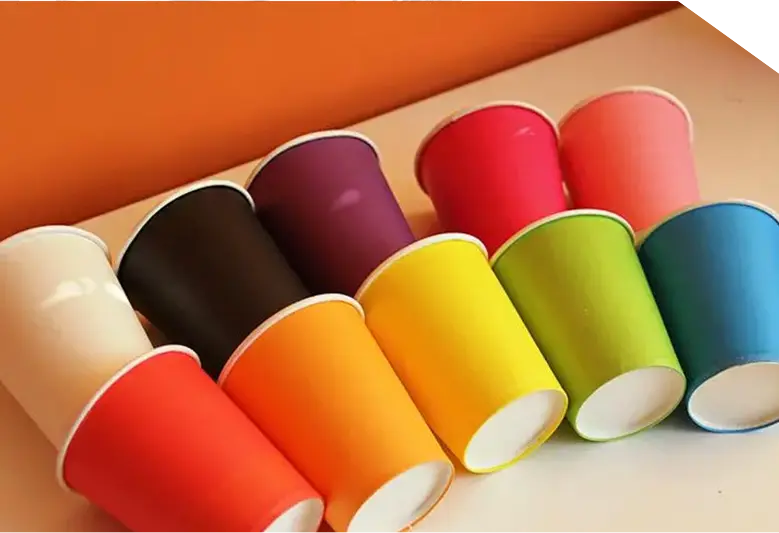
Integrating sustainable materials and automated quality checks into modern packaging production.
The shift toward bio-plastics and water-based barrier coatings requires precise thermal and pressure management. Standard heat-sealing methods can burn these sensitive materials, causing weak seams and leaking boxes.
Our latest machines feature adjustable-frequency ultrasonic welding. This allows operators to fine-tune energy output to match the melting point of the barrier coating, ensuring clean, strong seals on materials like PLA, PBS, and recyclable water-based barriers.
Manual inspection cannot keep pace with high-speed manufacturing lines running at 100+ units per minute. Integrated optical inspection systems are now critical for maintaining consistent quality.
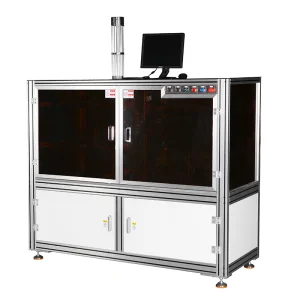
Our vision system uses high-speed cameras to inspect every container for cosmetic defects, incorrect folds, or contamination before packaging. Out-of-spec products are automatically rejected via pneumatic ejectors, ensuring that only good containers reach the shipping carton.
Unplanned downtime is costly for high-volume packaging lines. Modern B2B operations require predictive maintenance tools to monitor machine health and schedule service before issues occur.
By connecting our machine PLC to secure industrial networks, our service team can remotely monitor key parameters like temperature profiles, mechanical timing, and oil pressure. This allows us to resolve up to 90% of operation issues online, reducing the need for on-site technician visits.
Answers to common questions regarding machine capabilities, tooling customization, and global deployment support.
Traditional cup machines use circular mandrels and rotation-based curling wheels. The FCM200 Non-Round Container Forming Machine uses a specialized non-circular indexing system. It folds, wraps, and curls rectangular and square profiles with precise mechanical actions. This prevents creasing or structural weakness at the corners, ensuring a flat, leak-proof bottom.
Yes. Our machines are designed to run standard PE coatings as well as PLA, PBS, and water-based barrier options. For non-PE materials, we equip the side-seam and bottom stations with digital ultrasonic welding. This provides precise bonding without overheating the paperboard substrate.
We follow our strict "HQ Standards." This includes tracing raw materials, machining components in-house using five-axis CNC centers, and inspecting parts across 200 verification points. Every completed machine undergoes continuous dry-run testing before shipping to verify mechanical reliability.
For standard configurations, machines are generally ready within 30 to 45 days. If a customer requires custom tooling for a unique box size or shape, our engineering team can complete design work, generate prototypes, and produce final molds within 45 to 60 days.
We provide comprehensive post-sale support, including on-site commissioning, operator training, and preventative maintenance planning. Our machines feature integrated network connectivity, allowing our engineers to perform remote troubleshooting and diagnostics. In most cases, operations issues are resolved online within a few hours.
Robust forming machines and automated inspection systems built to minimize waste and maximize operational uptime.
 Huan Qiang