High-performance automated solutions engineered for raw material optimization, minimized downtime, and rapid ROI.
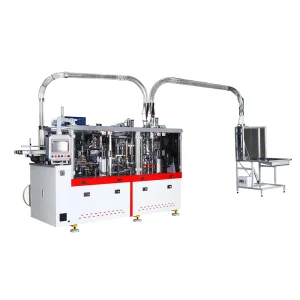
Specialized hybrid paper-plastic assembly system for premium double-walled Desto cups with superior heat preservation.
Learn More ➔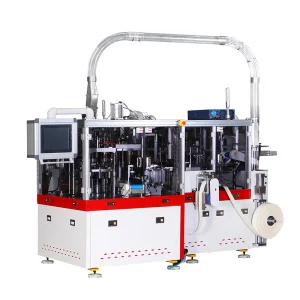
High-speed production machinery optimized for deep drawing and extra tall paper cup formats with stable bottom index.
Learn More ➔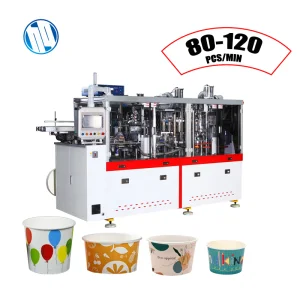
Mid-to-large caliber forming platform engineered for continuous output of instant food and salad bowls.
Learn More ➔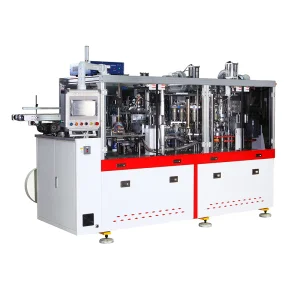
Industry flagship high-speed paper cup forming line featuring a cylindrical indexing cam drive system.
Learn More ➔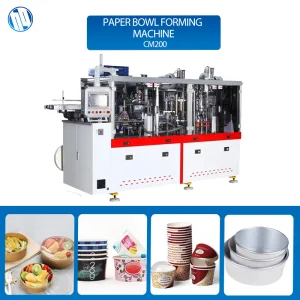
Designed for high-precision forming of square, oval, rectangular, and customized polygonal food grade packaging containers.
Learn More ➔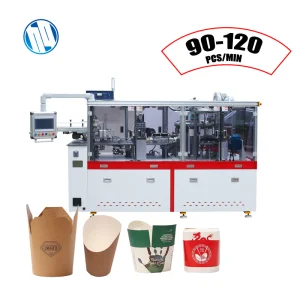
Rapid thermo-mechanical forming unit custom-tailored for single/double PE and bio-coated takeaway containers.
Learn More ➔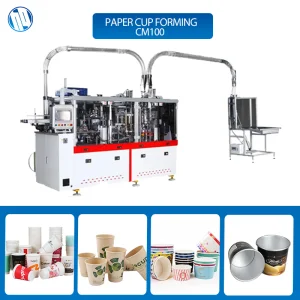
High stability vertical design with automatic sensor control, ideal for producing everyday hot coffee cups.
Learn More ➔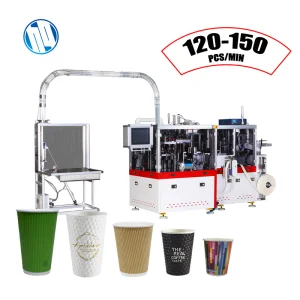
Secondary-sleeve wrap integration machine for thermal ripple insulation cups with precise gluing control.
Learn More ➔The global packaging paradigm is undergoing a massive structural transformation. Driven by stringent sustainability regulations—such as the European Union’s Single-Use Plastics Directive (SUPD), plastic taxes, and international ESG mandates—beverage brands are rapidly phasing out expanded polystyrene (EPS) and fossil-fuel-based polyethylene (PE) linings. The demand has shifted towards advanced paper containers equipped with eco-conscious barriers, including Polylactic Acid (PLA), Polybutylene Succinate (PBS), and Aqueous Dispersion water-based coatings.
For modern cup-making facilities, this transition is not merely a material swap; it represents a major engineering challenge. Alternative coatings exhibit narrow thermal sealing margins compared to traditional PE. Traditional high-heat mechanisms can easily scorch bio-based polymers or fail to provide hermetic seals, resulting in structural failures. Consequently, global manufacturers are demanding intelligent, multi-zone temperature-regulated forming machinery equipped with advanced ultrasonic side-sealing systems and precise bottom-knurling controls.
HQ Machinery responds to these dynamics. For 27 years, our R&D efforts have integrated multi-servo control systems, allowing converters to process both traditional polymers and the latest bio-barriers with minimal changeover time. By reducing scrap rates to under 0.5% and maintaining production speeds of up to 150 cups/minute, we are enabling global factories to transform regulatory compliance into long-term commercial competitiveness.
A Chinese Manufacturing Expert specializing in high-speed, stable, and safe paper container forming solutions.
For nearly three decades, Huanqiang Machinery has maintained a singular focus: engineering paper cup production lines that deliver speed, stability, and operator safety. Founded on the principles of mechanical integrity and precision engineering, we have evolved from a regional machine builder into an international industrial partner. Our portfolio spans a complete range of automated solutions, including cylindrical and rectangular cup-forming units, double-wall ripple sleeve machines, non-round food container forming lines, and integrated paper lid manufacturing systems.
Unlike assemblers who procure off-the-shelf components, HQ Machinery retains full command of our internal manufacturing value chain. We operate our own dedicated CNC processing center, utilizing imported German five-axis machining centers to manufacture high-load indexing cams, bottom-punch dies, and structural gears. This setup allows us to keep mechanical tolerances strictly below 0.02 mm, minimizing the wear-and-tear that causes mechanical failure during high-speed, 24/7 continuous operations.
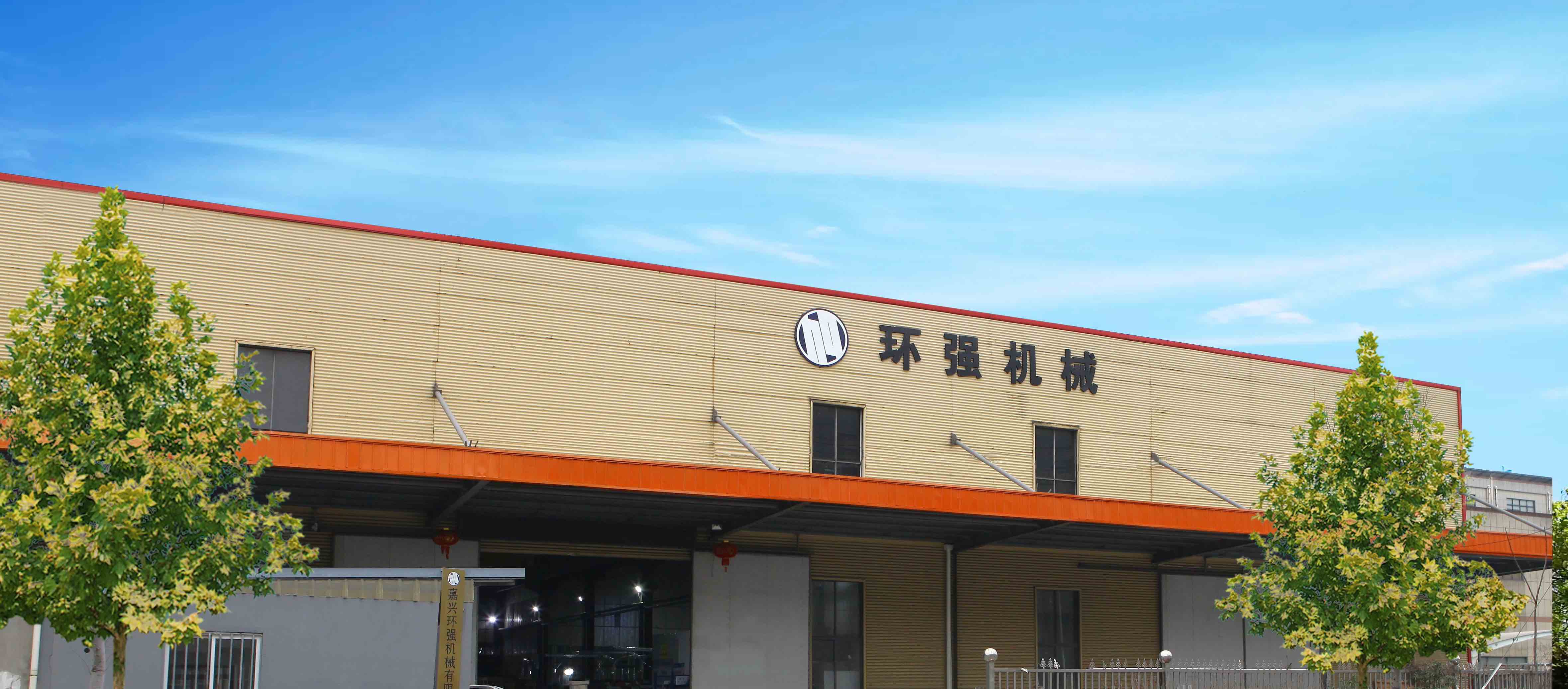
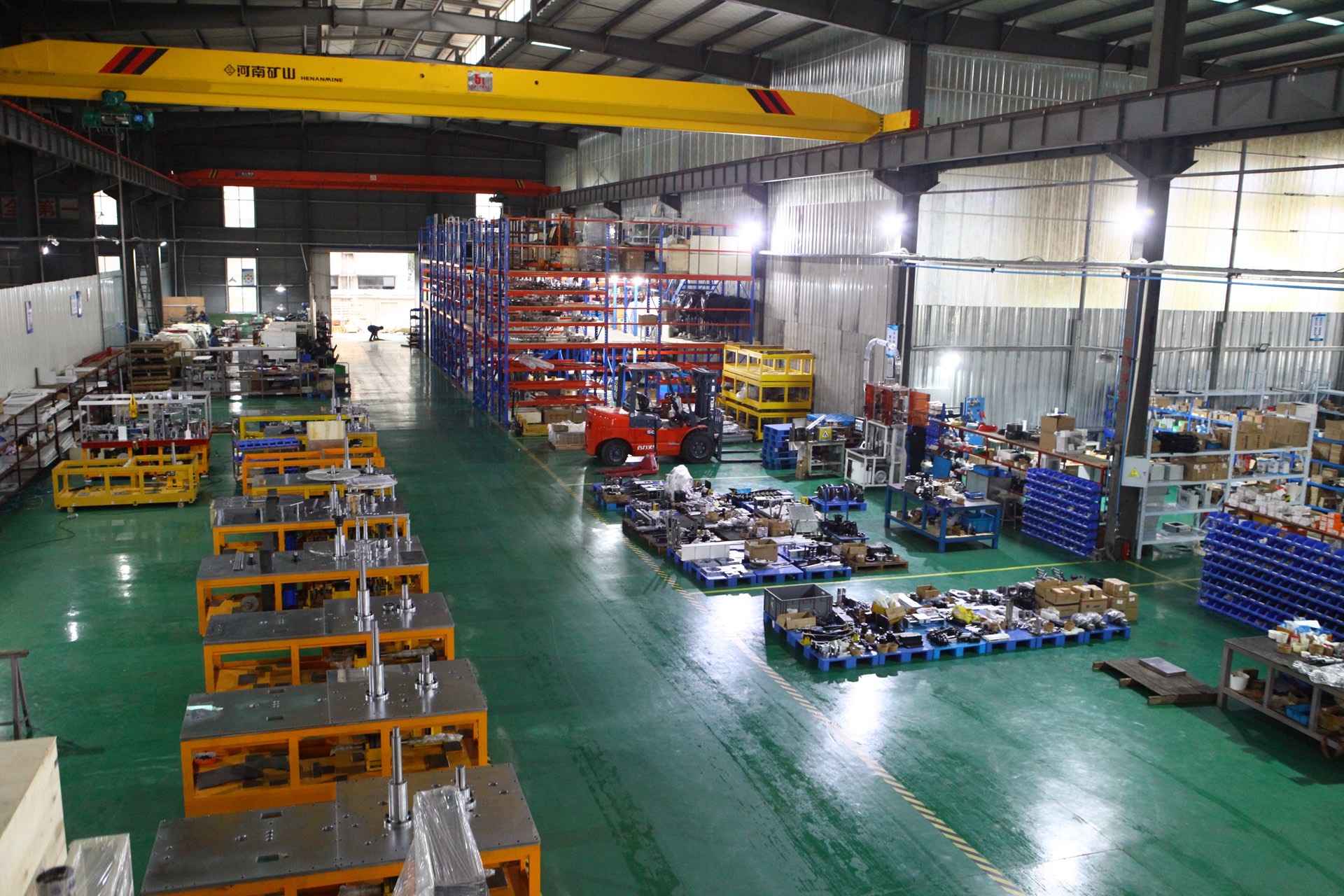
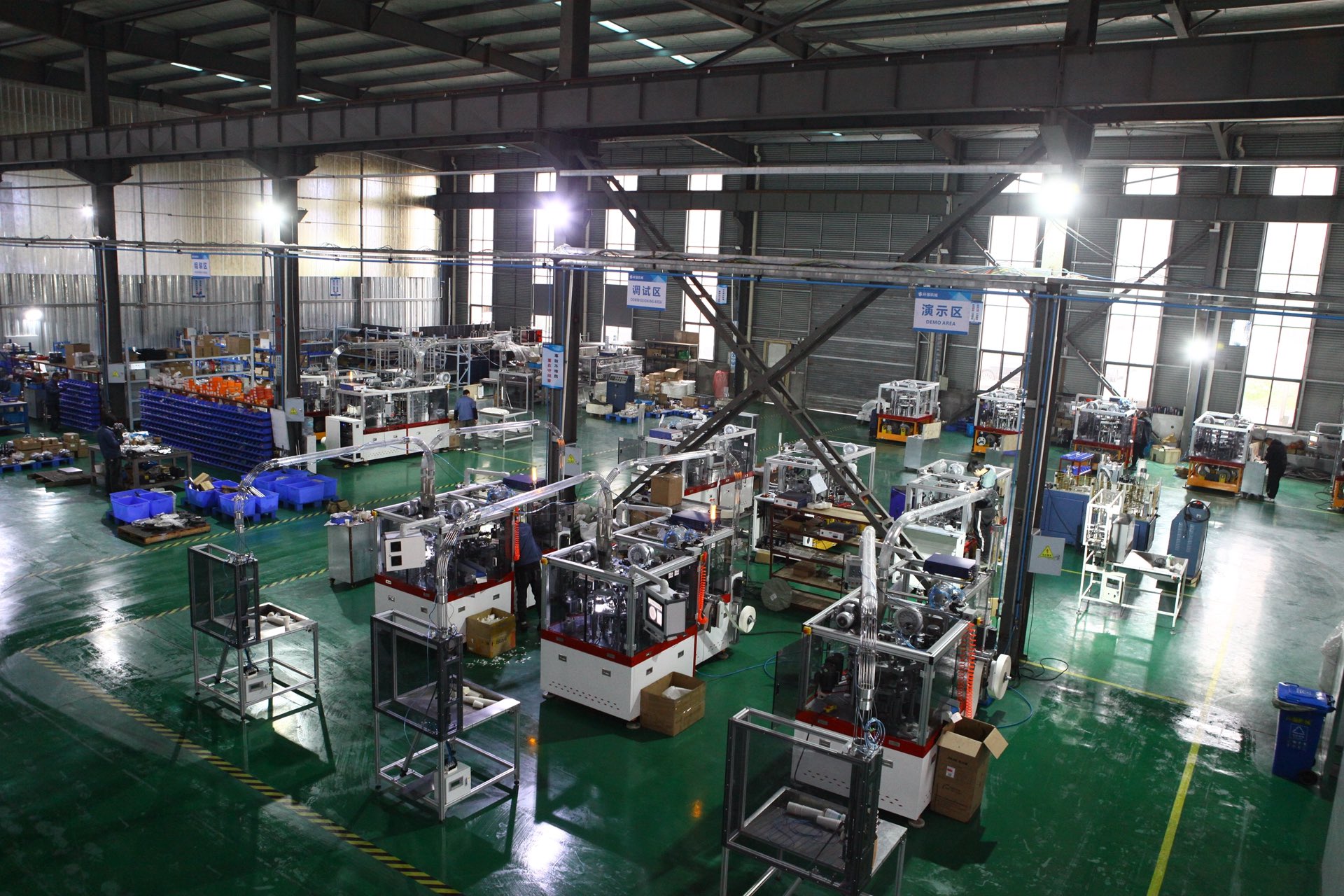
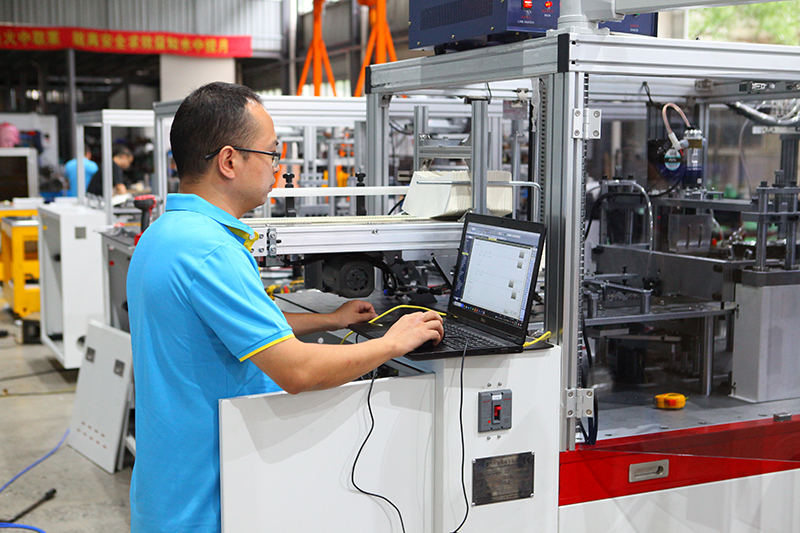
Led by veteran mechanical engineers, our dedicated R&D center holds numerous proprietary patents. We pioneered the application of multi-servo drives, real-time temperature feedback loops, and automated bottom blank feeders.
Our internal 'HQ Standards' involve more than 200 quality inspection checkpoints. From raw material sourcing to structural fatigue simulation, every machine undergoes a continuous 72-hour stress-test before shipment.
By housing fabrication, machining, assembly, and testing in-house, we eliminate external supplier delays. This guarantees highly competitive pricing and reliable shipping lead times for our global partners.
Our machinery features integrated remote diagnostic modules, resolving approximately 90% of operational faults online. We maintain spare-parts inventory depots globally to minimize on-site maintenance delays.
At the heart of HQ Machinery is a commitment to precision. We operate under three core values: Preciseness, Practical Innovation, and Integrity. Rather than following industry trends, we design our machinery from the ground up to solve real-world factory floor issues. These include reducing paper-web tension, preventing bottom fold leakage, and minimizing thermal shock to modern dispersion coatings.
Our machinery is built for continuous, high-load operational cycles. By replacing traditional, wear-prone drive chains with structural gearboxes and oil-immersed cam systems, we eliminate micro-backlash and ensure precise timing across all mechanical actions: from the initial bottom disk punch and wall pre-heating to side ultrasonic welding, bottom knurling, and cup lip curling.
We work closely with paper mills and barrier chemists worldwide to verify how new biodegradable coatings perform under high pressures and varying thermal conditions. This collaboration helps us configure custom heating and pressure zones for clients working with local virgin or recycled fiber feedstocks.
Watch the high-speed paper cup forming line in operation: precision mechanical synchronization and automated discharge handling.
A closer look at the design principles of our key systems: CM100, SM100, FCM200, and CM300 series.
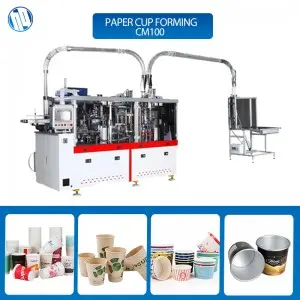
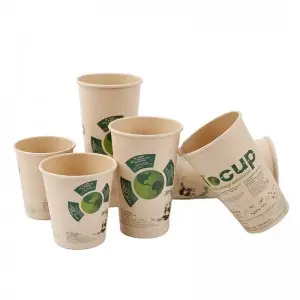
The CM100 series represents the core of our mid-speed, high-stability production lines. Developed to handle both single and double PE coated paperboards, it is popular among regional packers and beverage brands looking for a reliable, easy-to-operate workhorse.
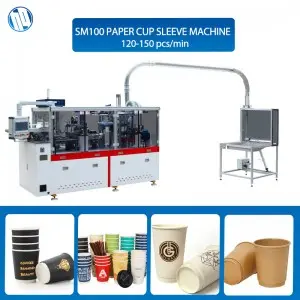
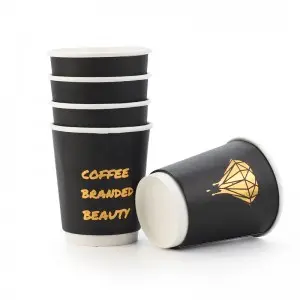
Designed for the secondary application of insulating outer sleeves. It processes both ripple sleeves and hollow double-wall designs, forming a secure bond without damaging the inner cup's graphics.
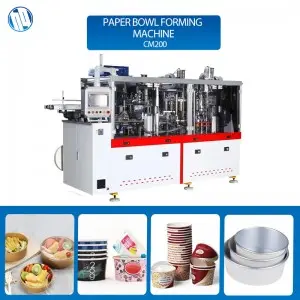
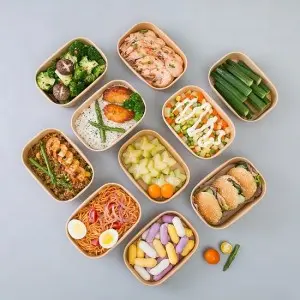
The FCM200 is built for non-round containers. It addresses the sealing and corner-curling challenges of square, rectangular, oval, and polygonal profiles. Ideal for premium noodle bowls and fast-food containers.
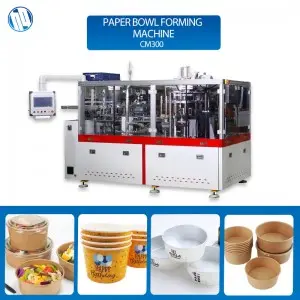
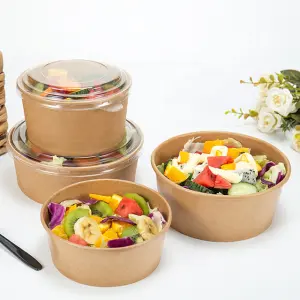
Engineered for large-volume industrial packaging, the CM300 features robust mechanics, dual-stage heating, and automated bottom sealing to easily process thick paperboards used in heavy bowls.
Solving mechanical problems through customized engineering solutions for complex shapes and non-standard packaging profiles.
Many high-volume factories struggle with standard tooling when forming paper containers with non-standard flanges. Standard tools often cause micro-creases, leading to localized structural failure or weak adhesive bonds. HQ Machinery provides custom flange configurations and specialized tooling to address this issue.
Leveraging our in-house CNC machining capability, we design, iterate, and produce custom tooling paths for non-standard flanges in-house. This ensures that custom orders run with the same high efficiency as standard formats.
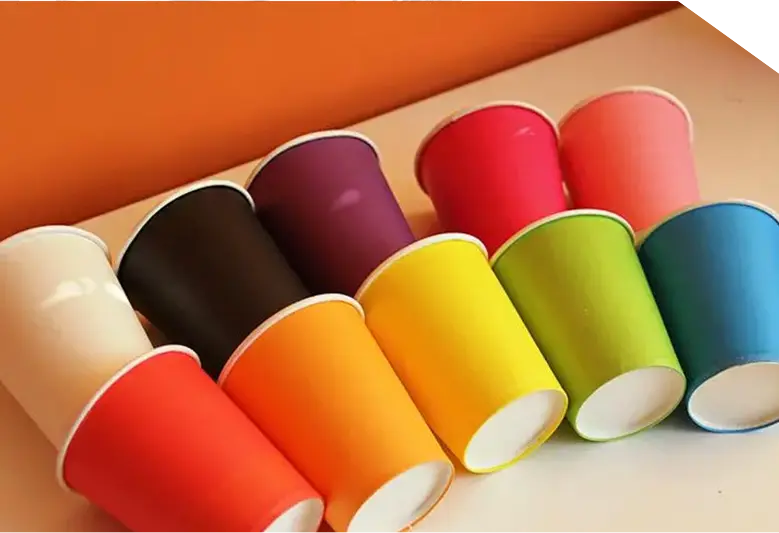
Huanqiang custom shaped flange tooling: engineered for high seal-integrity across non-standard container contours.
Our development vision centers on three pillars: absolute sustainability, digital-twin monitoring, and high-speed mechanical stability.
We are refining our bottom-feed kinematics to reduce skeleton scrap. Our newest bottom-disc punch mechanisms reduce edge waste by up to 8% per paper reel. Additionally, we are developing tooling specifically optimized for lightweight, low-gsm biodegradable base papers.
To meet the zero-defect standards of global brands, our machinery integrates with inline vision inspection systems. Using high-resolution CCD cameras and deep-learning models, it scans every container at high speed, instantly rejecting cups with print blemishes, oil stains, or sealing folds.
HQ Machinery's remote support modules track real-time telemetry from servo motors, heating rods, and oil pumps. The system uses edge analytics to detect anomalies—such as a 2-degree heat deviation or minor motor lag—allowing operators to schedule preventive maintenance before failure occurs.
Detailed answers to technical and operational questions frequently asked by plant managers and procurement leads.
From small tasting cups to large container systems, we engineer forming machinery for every application.
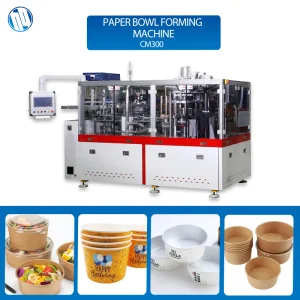
Certified for the European Union market, this heavy-duty machine is optimized for wide-caliber soup and salad bowls.
Learn More ➔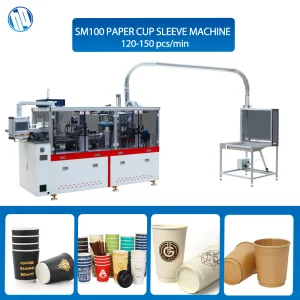
Meets rigorous European safety standards. Designed for high-speed application of thermal outer sleeves on hot drink cups.
Learn More ➔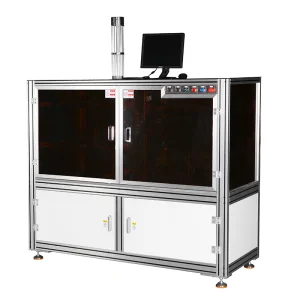
Features high-speed cameras and real-time vision algorithms to detect internal and external defects at line speed.
Learn More ➔
High-efficiency hybrid container wrapping system designed for Desto-style double wall cardboard applications.
Learn More ➔
Specially designed for deep-draw cups and large drink formats with automated stack discharge.
Learn More ➔
High stability platform for medium-to-large capacity paper bowls, fast-food packs, and salad bowls.
Learn More ➔
For high-speed production of square, rectangular, oval, and polygonal food containers.
Learn More ➔
Engineered for quick-service takeaway containers using eco-friendly barrier board stocks.
Learn More ➔ Huan Qiang