Industrial-grade configurations for high-volume takeout and foodservice carton conversion.
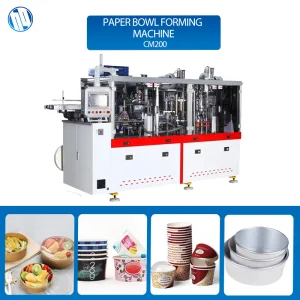
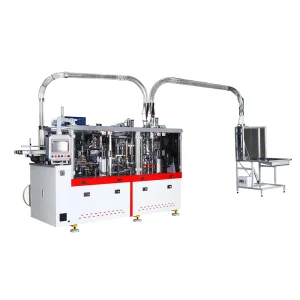
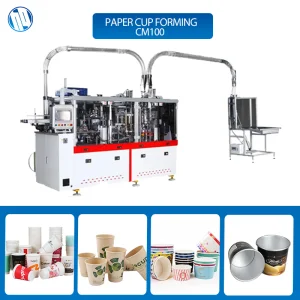
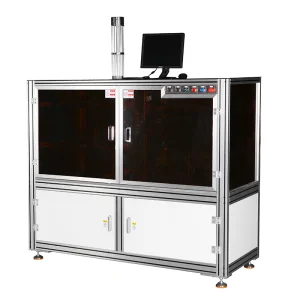
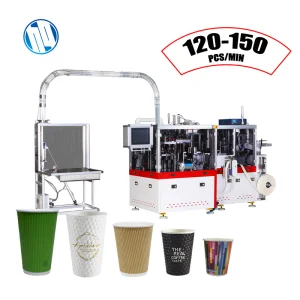
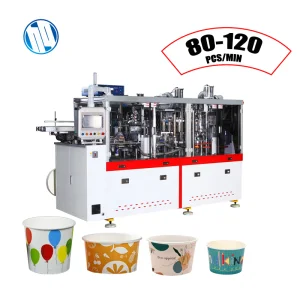
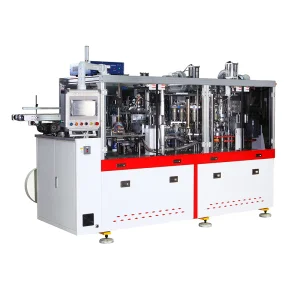
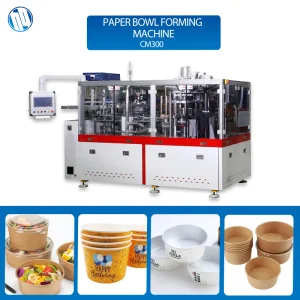
The global takeaway food packaging sector is experiencing a historic architectural evolution. Historically, circular paper bowls dominated container shapes due to mechanical limitations in simple rotary forming machinery. However, modern logistics, shelf-space planning, and meal presentation dynamics have made the rectangular takeaway container forming machine the critical manufacturing technology for high-volume conversion plants worldwide.
As governments across North America, the European Union, and Asia-Pacific escalate bans on single-use plastics and expanded polystyrene (EPS), multi-national fast-food chains, ready-meal suppliers, and grocery retailers are transitioning to solid bleached sulfate (SBS) paperboard alternatives. This shift is not merely about sustainable materials; it is about packaging geometry. Rectangular containers offer up to 22% greater space efficiency in storage and shipping cartons, minimizing carbon footprints throughout the cold and hot supply chains.
Furthermore, food delivery apps and online ordering demand optimized thermal distribution and structural integrity. Standard circular bowls tend to roll or collapse under top loads, whereas rectangular structural designs, engineered with precision radiused corners, offer superior vertical compression resistance (BCT - Box Compression Test values). Consequently, the global acquisition rate for machinery capable of executing precise non-round (oval, rectangular, square) container forming has surged by more than 35% year-on-year.
Forming a non-round container presents mechanical challenges far exceeding those of conventional cup wrapping. Standard circular cups feature symmetrical radial tension across the blank during wrapping and bottom insertion. In contrast, rectangular containers exhibit highly asymmetrical tension, with four concentrated 90-degree corners separated by straight side walls.
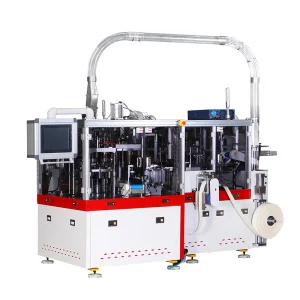
To overcome this challenge, equipment like the FCM200 non-round container forming machine utilizes an advanced modular servo-mechanical architecture. Below are the core technical systems required to achieve zero-defect, leak-proof rectangular container production:
Instead of relying on single-cam drives, advanced rectangular formers employ independent servo motors to control the bottom punching, blank positioning, and wrapping tools, adapting to asymmetric resistance in real-time.
Corner areas require localized thermo-softening before folding. Systems utilize hot-air and ultrasonic heating stages focused specifically on the radius coordinates to prevent polymer barrier micro-cracks.
To ensure a watertight seal, the bottom rim folding mechanism must apply progressive pressure to the corners, avoiding localized paper creasing or tearing that would compromise the barrier coating.
Huanqiang Machinery (HQ Machinery) has solved these challenges through 27 years of iterative mechanical refinement. The company's engineering team has optimized the relationship between paperboard grammage (typically ranging from 190 gsm to 400 gsm) and forming speeds. By maintaining uniform tension control, HQ machines prevent structural defects such as vertical seam splitting, corner delamination, and top lip wrinkling—ensuring a clean aesthetic suited for premium food brands.
For 27 years, we've focused on one thing: making paper cups faster, more stable, and safer for the world.
From our first paper cup machine to our current comprehensive intelligent production lines covering round cups, square cups, special-shaped cups, paper bowls, and paper lids, Huanqiang Machinery has consistently driven innovation and prioritized quality, providing one-stop paper container solutions for customers worldwide.
Innovation and exploration into sustainable packaging is a top priority for us. The HQ team is committed to meeting your requirements as well as helping you to create new markets. One of our goals is to develop alternatives to replace traditional, non-renewable, or non-recyclable packaging to meet the needs of today's industry.
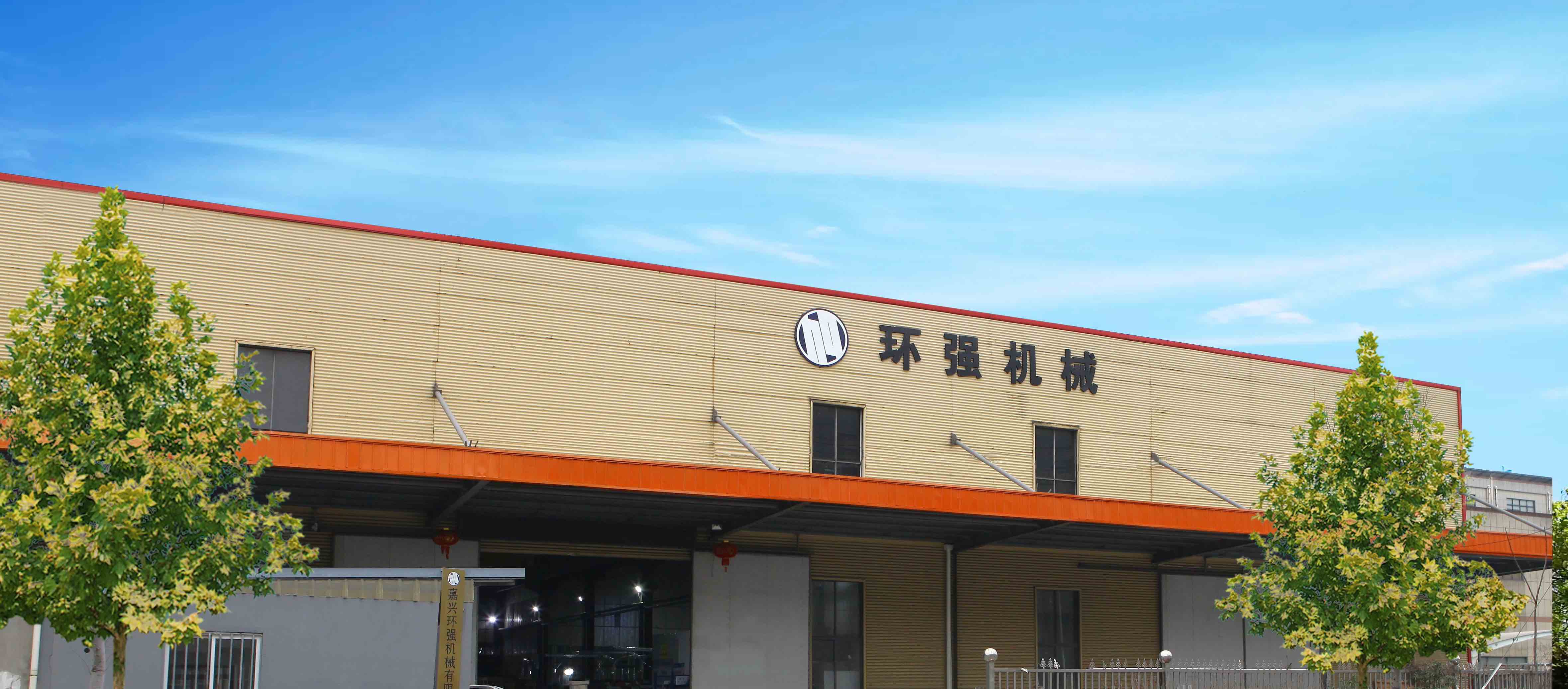
From the beginning, the company was focused on developing a culture of quality, innovation, and excellence. We live by our Core Values - Precision, Innovation and Passion for engineering. They guide how we treat each other, our customers, and how we tackle our work. With strong Core Values and a higher Purpose, our company performs better.
We stand for, and pride ourselves on:
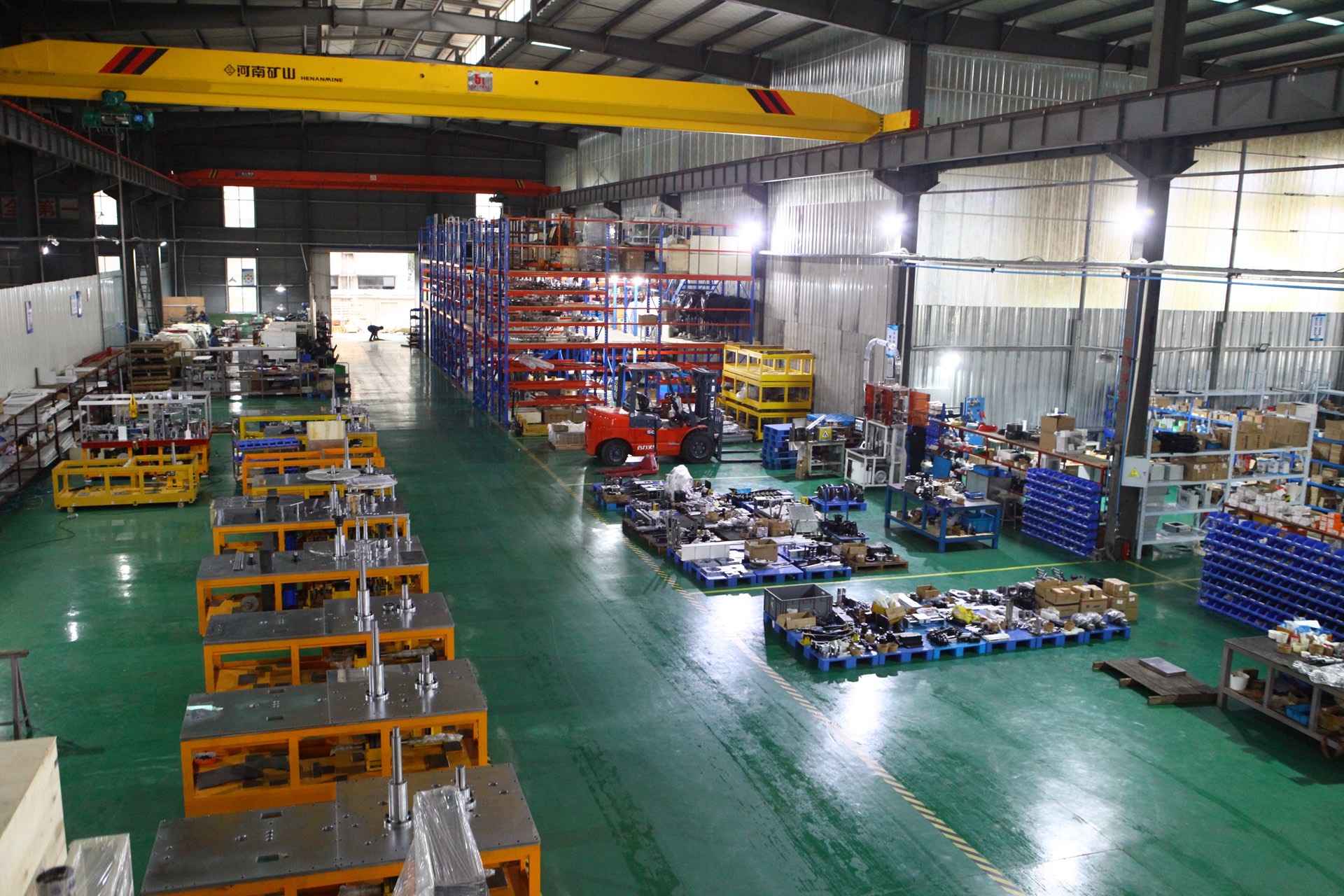
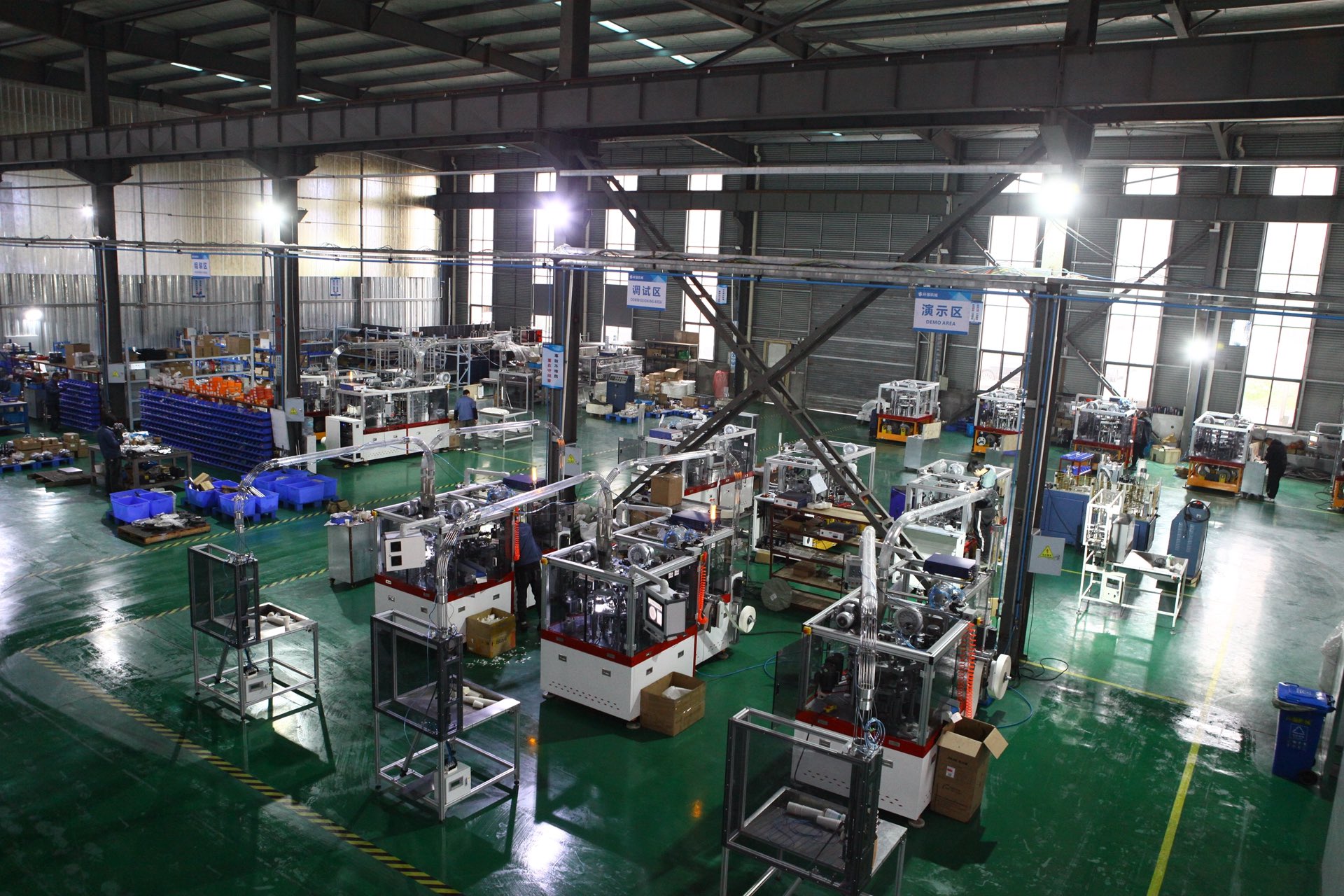
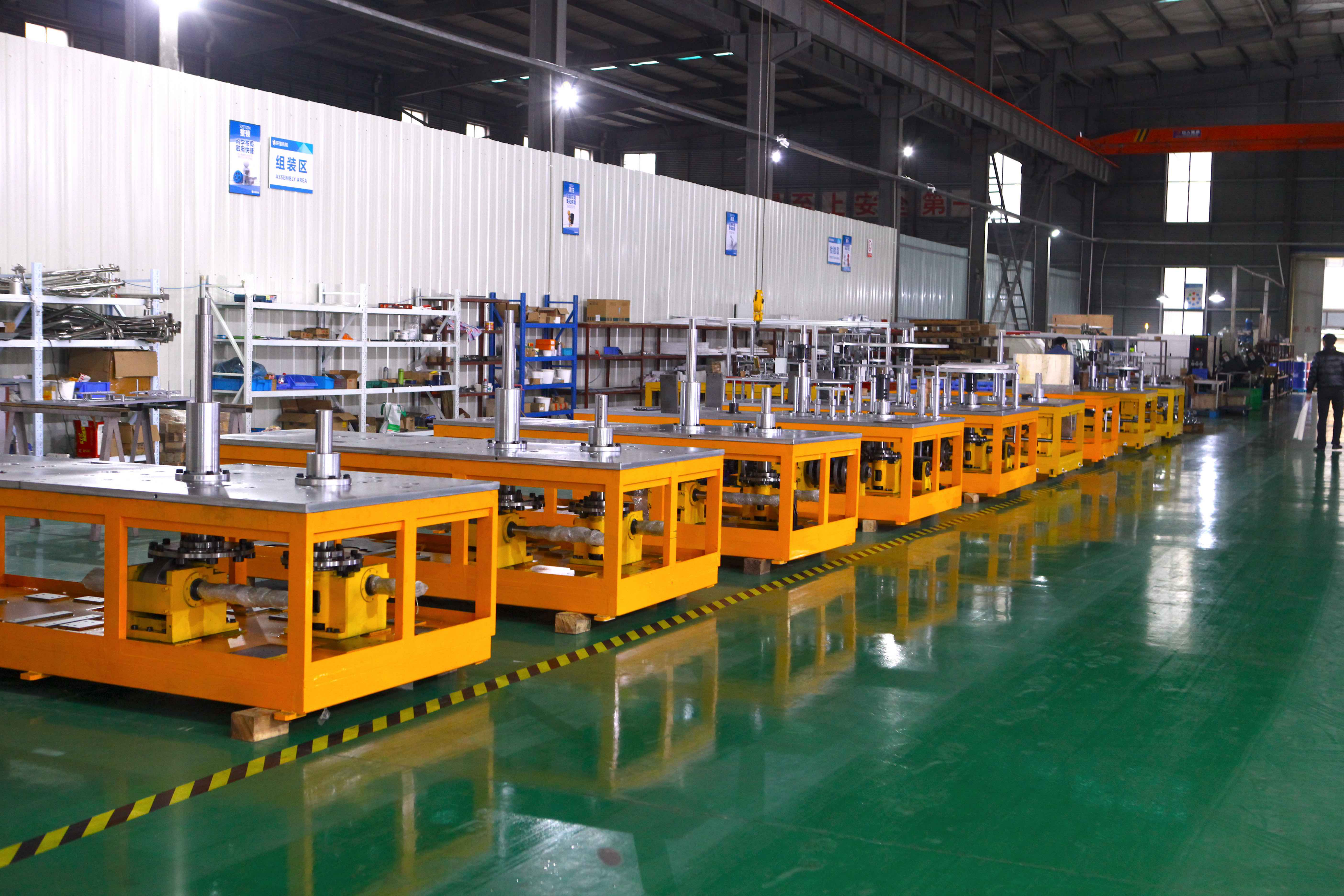
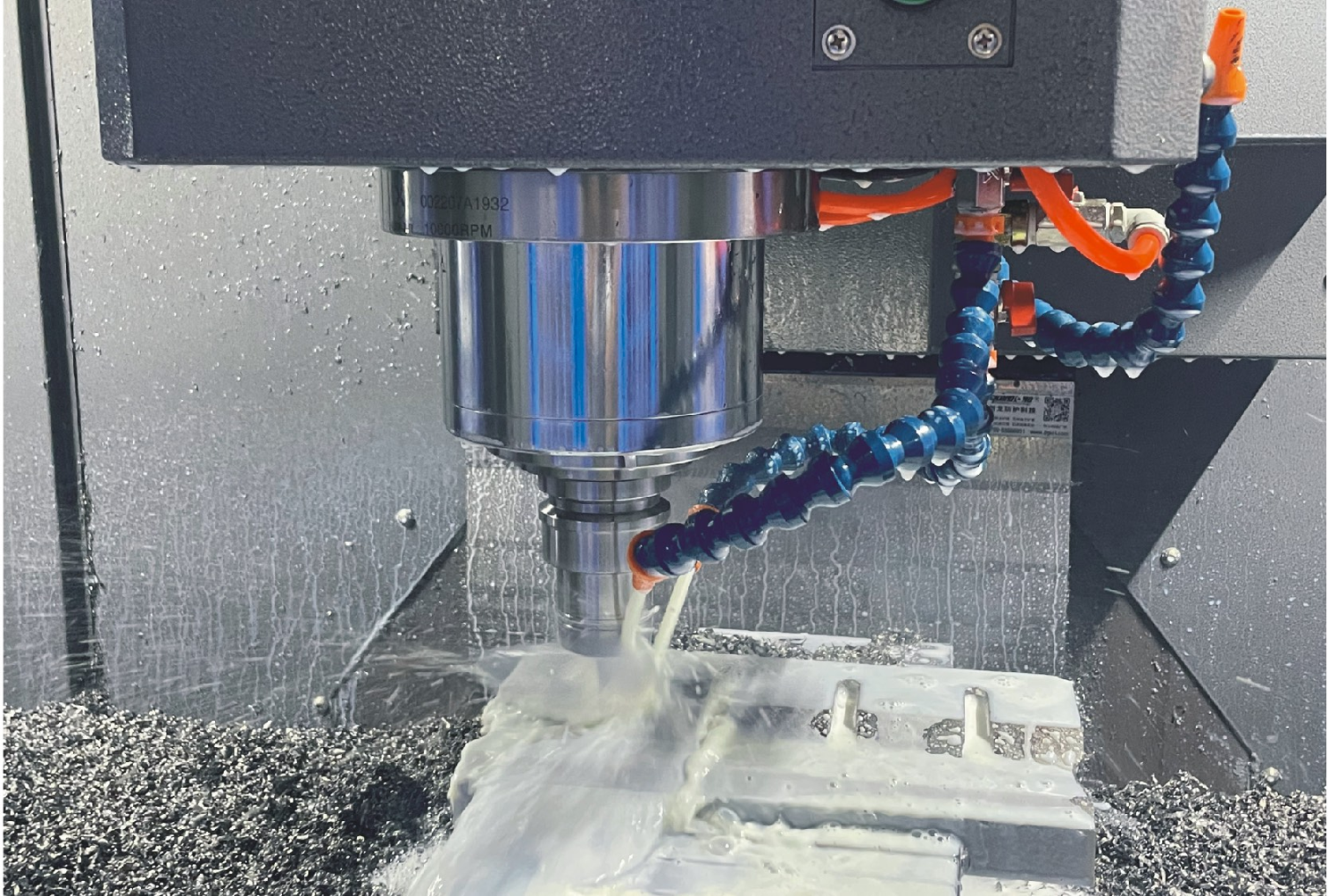
When selecting a supplier for complex non-round or rectangular container formers, the primary business risk centers on long-term mechanical reliability and precision parts replacement. Huanqiang Machinery mitigates this concern through its integrated Factory 4.0 infrastructure in China, balancing competitive capital costs with high-end machining accuracy.
Unlike assembly-only shops, HQ Machinery controls the entire production cycle. Below are the key manufacturing advantages that contribute to the reliability of our machinery:
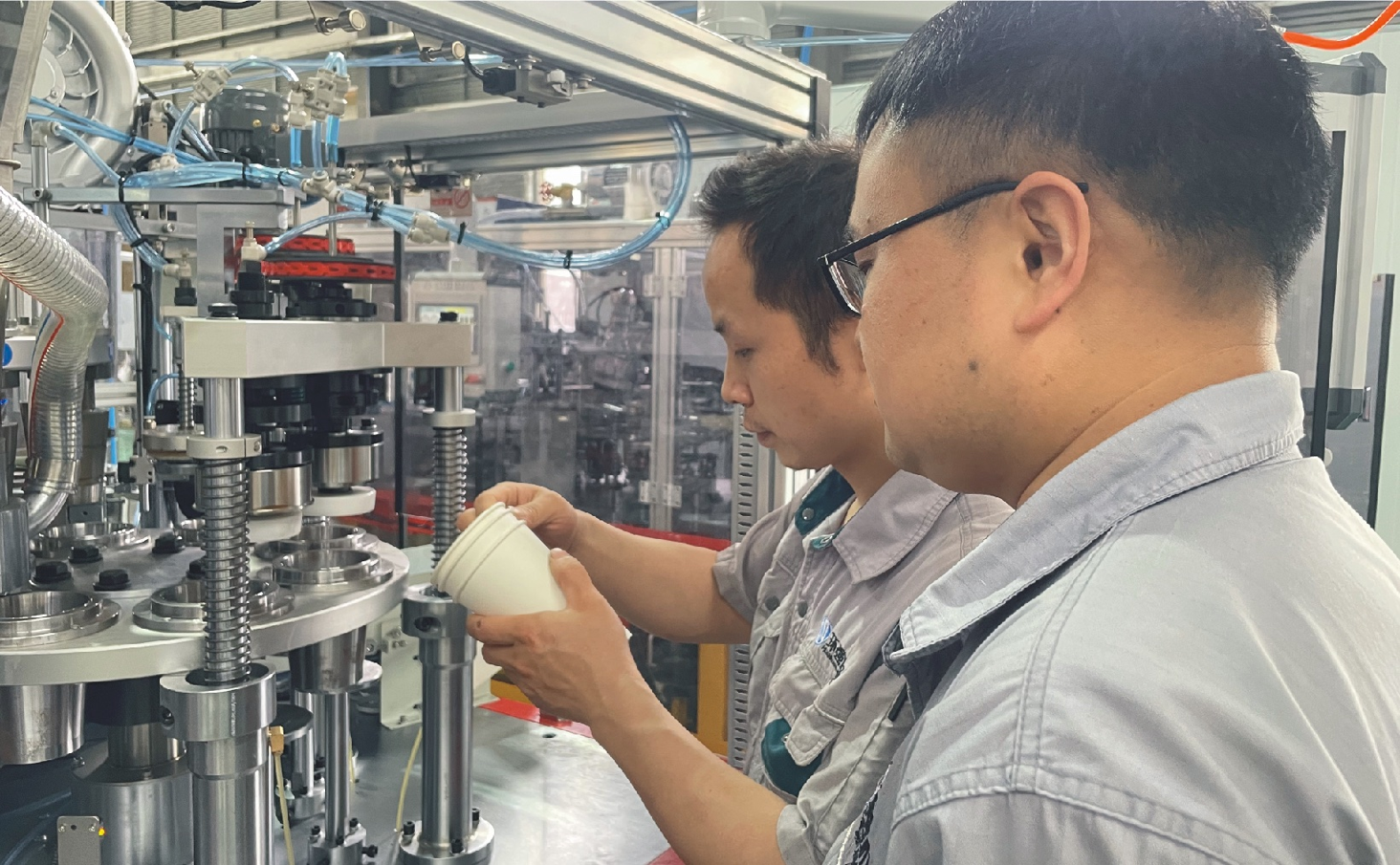

The operational profile of a takeaway container forming machine varies depending on its geographic and regulatory environment. Procurement directors must assess how localized demands affect their equipment setup:
In the US and Canadian markets, container sizes are typically larger (ranging from 24oz to 48oz rectangular containers). These applications require high-stiffness paperboard blanks. Furthermore, with the rapid phase-out of traditional fluorinated barrier coatings (PFAS-free initiatives), machines must process newer water-based (aqueous) and bio-polymer (PLA/PHA) dispersion coatings without causing adhesive issues or heat-sealing failures at the seams.
European converters focus heavily on structural optimization, aiming to reduce paperboard grammage while maintaining top-load strength. European facilities often integrate their forming lines directly with upstream flexo-printing and downstream automated cartoning lines. Under these conditions, the CM100 and CM300 series, equipped with online visual inspection systems, prevent defective containers from entering automated packaging systems, avoiding costly line stoppages.
In Asian packaging plants, manufacturing flexibility is a primary requirement. A single machine must often produce multiple container lengths and widths with minimal changeover time. HQ Machinery's quick-change tooling designs allow operators to swap mold sets and reprogram PLC profiles within a single shift, reducing downtime compared to older mechanical machines.
At HQ Machinery, we work closely with partners from initial brainstorming to sample production and final machine realization. Below is an example of our custom engineering capabilities:
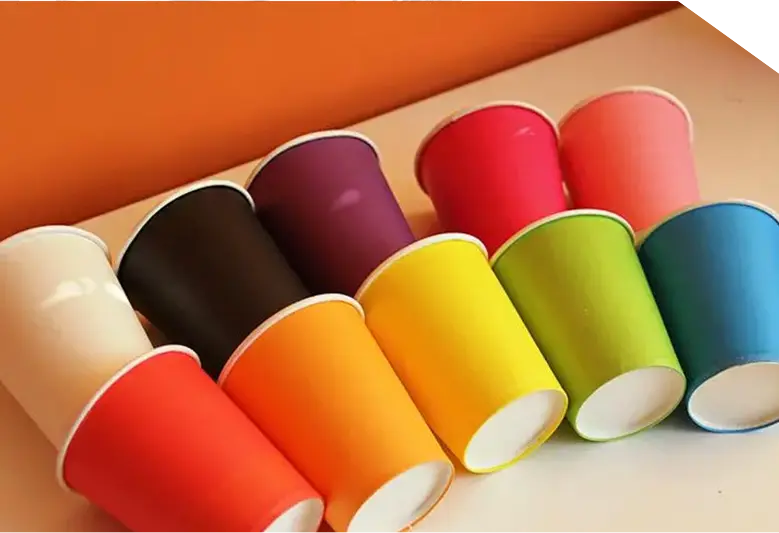
A global packaging supplier partnered with HQ Machinery to design a high-efficiency production line for non-standard, shaped container flanges. The project presented unique challenges regarding paperboard tension and alignment.
Non-standard flanges: The Huanqiang engineering team drew on decades of paper packaging experience to design custom tooling and guide systems that feed uneven container rims without causing wrinkles.
Shaped flanges: Through careful testing, the team optimized the folding cycles, ensuring consistent compression across all shaped corners and providing a reliable seal for high-temperature takeaway applications.
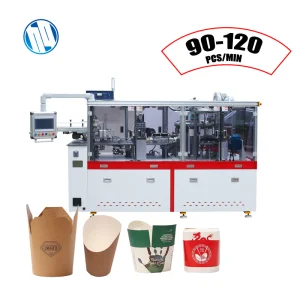
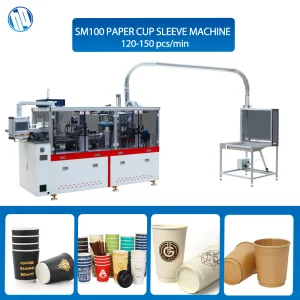
Choose the appropriate model for your paper cup, sleeve, and non-round container production lines.
 Huan Qiang