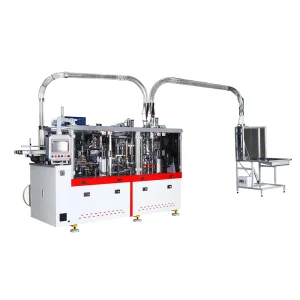
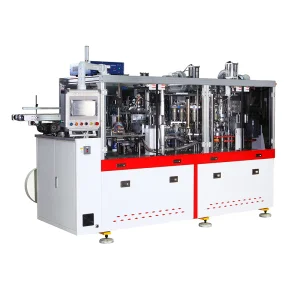
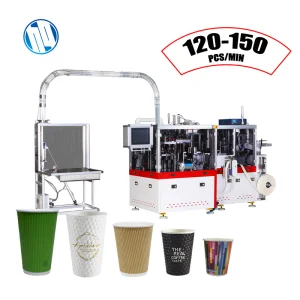
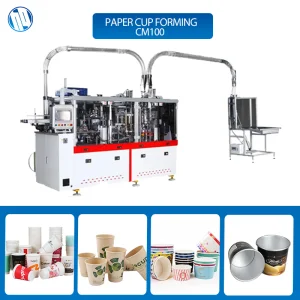
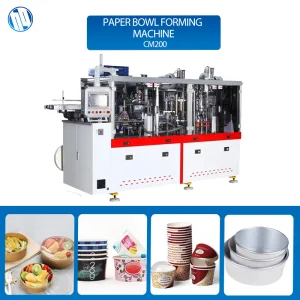
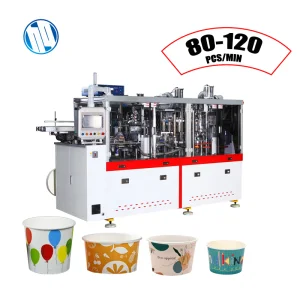
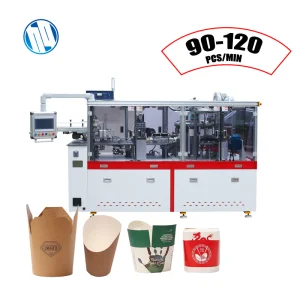
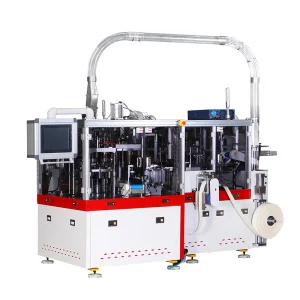
Explore our leading collection of small and specialized cup making machinery, engineered for high reliability and clean mechanical runs.
Advancing Global Paper Container Tech since 1997
For more than 27 years, our corporate objective has remained clear and singular: making paper cup and bowl manufacturing faster, more stable, and ecologically reliable on a global scale. From our initial generation of mechanical cup machines to our modern portfolio of servo-driven, high-speed container production lines, Huanqiang Machinery (HQ Machinery) has set international benchmarks for design stability, high-tolerance tooling, and production line uptime.
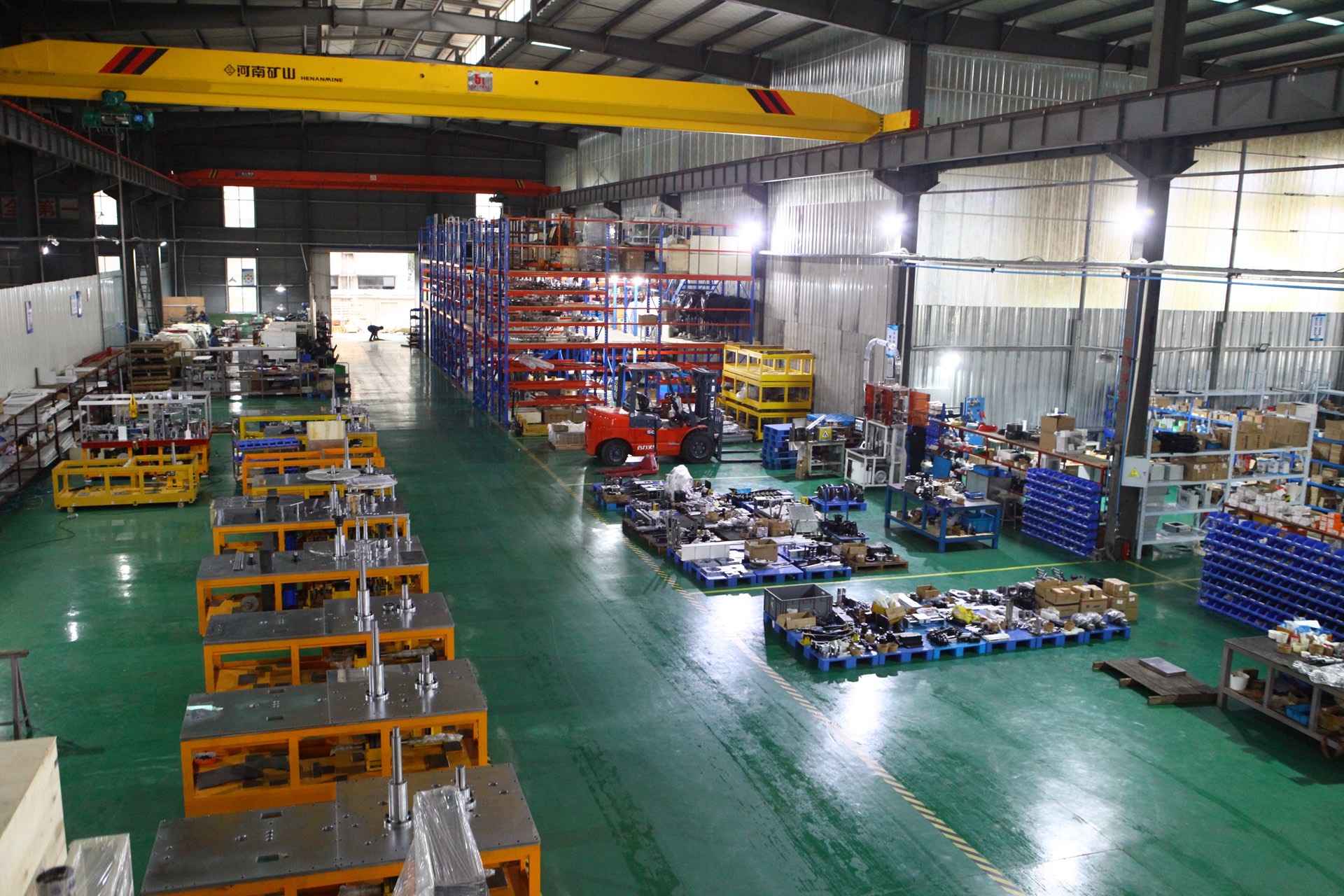
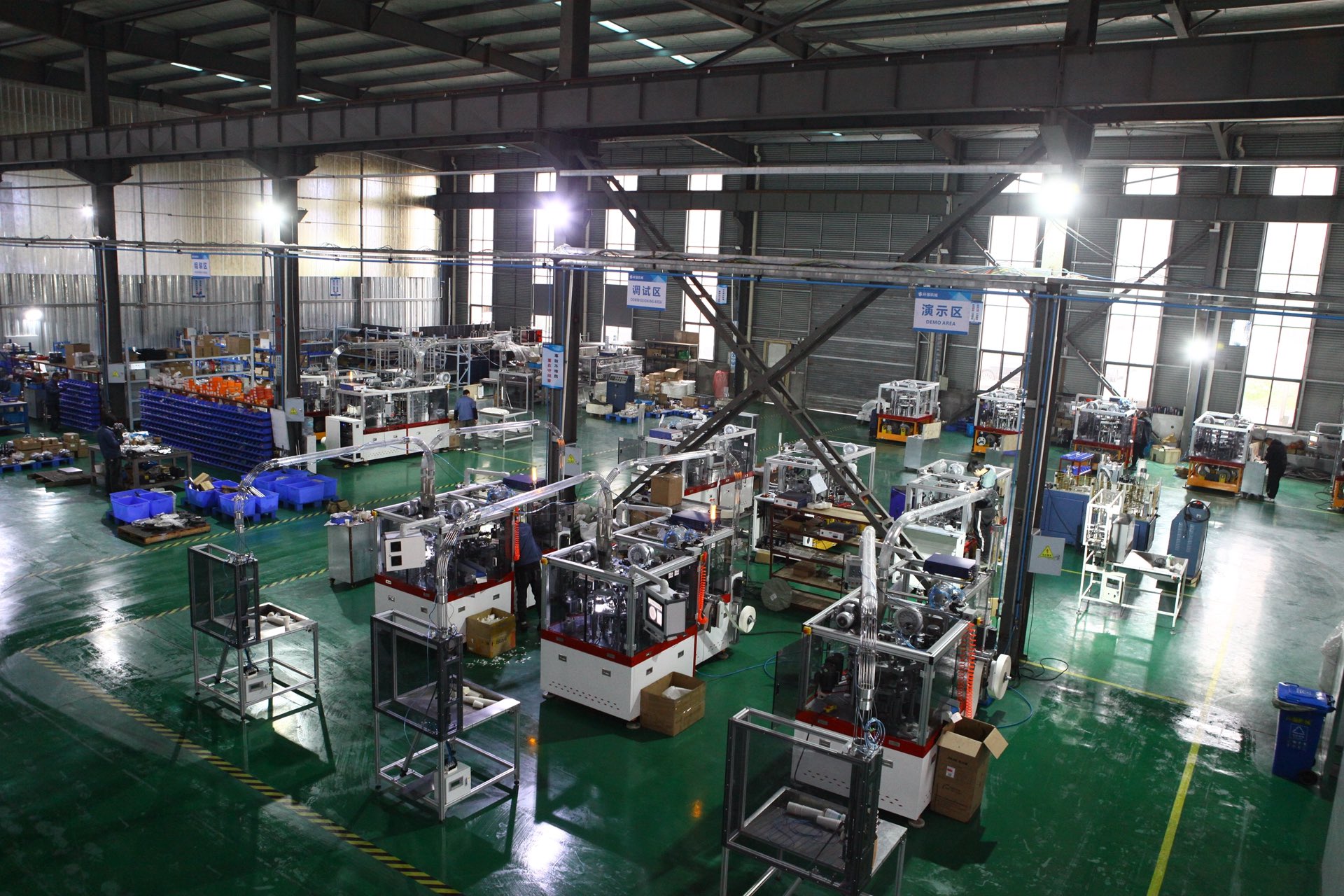
Our complete machinery portfolio spans round cups, square cups, complex non-round containers, double-wall ripple cups, and heavy-duty paper bowls. By integrating advanced production systems and CNC custom milling in-house, we eliminate reliance on third-party mechanical assembly houses, guaranteeing consistent quality control from raw castings to finished gear systems.
An in-depth look at regulatory shifts, manufacturing challenges, and market demands driving high-speed machinery adoption.
The global small paper cup market (typically spanning 2 oz to 12 oz containers used for espresso, tasting samples, water dispensers, and vending machines) is undergoing a major technological transformation. Regulatory changes targeting single-use plastics—such as the European Union’s Single-Use Plastics Directive (SUPD)—are forcing a shift from traditional Polyethylene (PE) lined paper to bio-based coatings like Polylactic Acid (PLA) and water-based, dispersion-coated barrier layers (aqueous coatings).
For machine operators, transitioning to these new barrier coatings presents significant mechanical challenges. Bio-based plastics and water-based barrier coatings have narrower thermal sealing windows compared to standard PE. Traditional, low-cost cup machines often cause localized thermal degradation or incomplete bonding at these high speeds. HQ Machinery addresses this issue by integrating advanced multi-stage heating systems and high-efficiency ultrasonic sealing units into our small paper cup forming lines, ensuring reliable, leak-free seals on all modern eco-friendly materials.
Advanced hot air configurations and precision temperature controls allow seamless switching between PE, PLA, and water-based barrier coatings without changing mechanical setups.
Our heavy-duty mechanical open-cam indexers run with minimal vibration, reducing operational wear and prolonging tool life even at continuous cycle speeds above 120 RPM.
Integrated micro-gap bottom-feeding units minimize paper waste down to 0.5%, significantly lowering material costs across high-volume production runs.
How global manufacturers configure HQ Machinery to serve local commercial regulations, packaging preferences, and niche market demands.
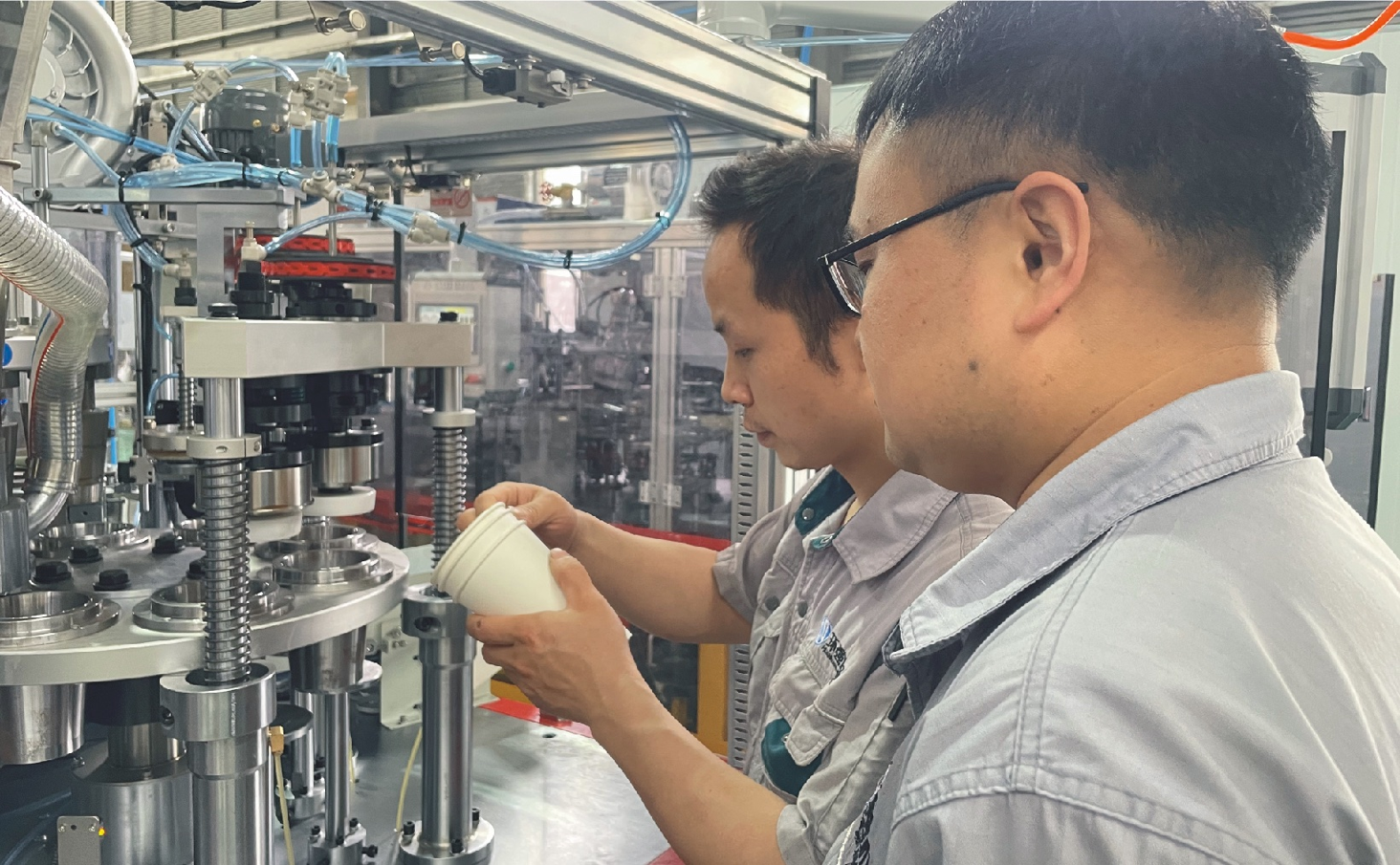
In highly regulated European markets, paper cup manufacturers operate under strict plastic tax structures and product dimensions. The demand for 4 oz espresso cups and 7 oz/8 oz vending machine cups requires high consistency in cup rim curl diameters and bottom dimensions to prevent jams in automated dispensing machines. Our CM100 and HCM100 forming lines are equipped with precision rim-rolling modules that produce clean, uniform, and round rims on both light and heavy paper weights (150 gsm to 350 gsm).
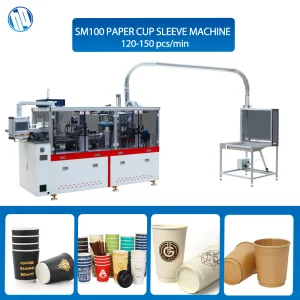
North American quick-service restaurants (QSR) require large, high-speed runs of double-wall insulated cups and heavy-duty paper bowls for hot soups and takeaway salads. The SM100 Ripple Sleeve machine operates inline with our primary cup forming lines to deliver high-quality double-wall insulated cups. These machines feature precise glue application patterns, protecting the structural integrity of the outer sleeve during transport and handling.
In hot and humid regions of Southeast Asia, cup manufacturers face issues with paper humidity variation, which can affect consistency during the blank feeding stage. HQ Machinery addresses this challenge by equipping our feed sections with specialized pre-heating rails and modern multi-stage vacuum suction cups. This setup ensures reliable sheet separation and precise feeding even with highly flexible or moisture-dense paper blanks.

Why Vertical Integration Ensures Stability and Better Pricing
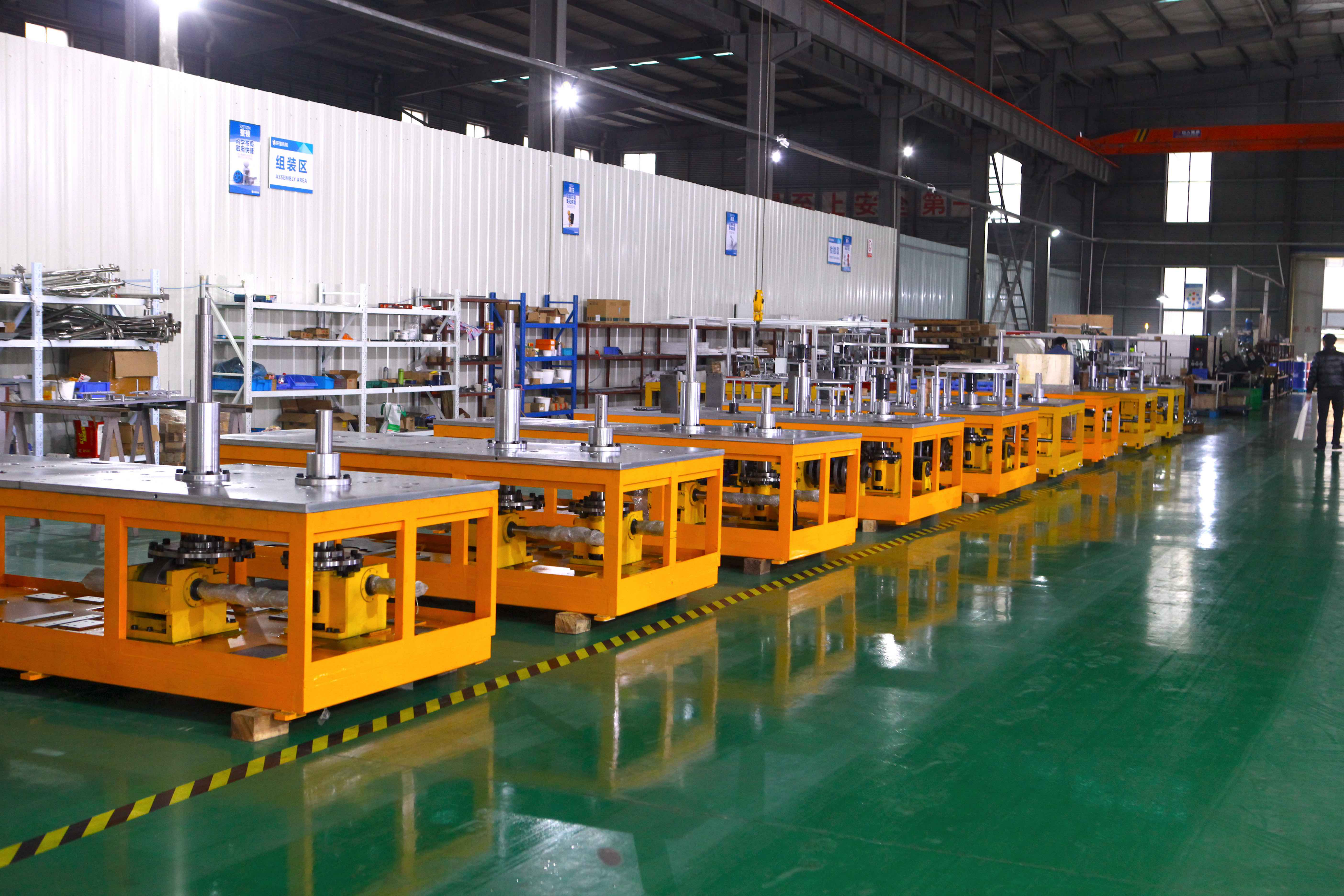
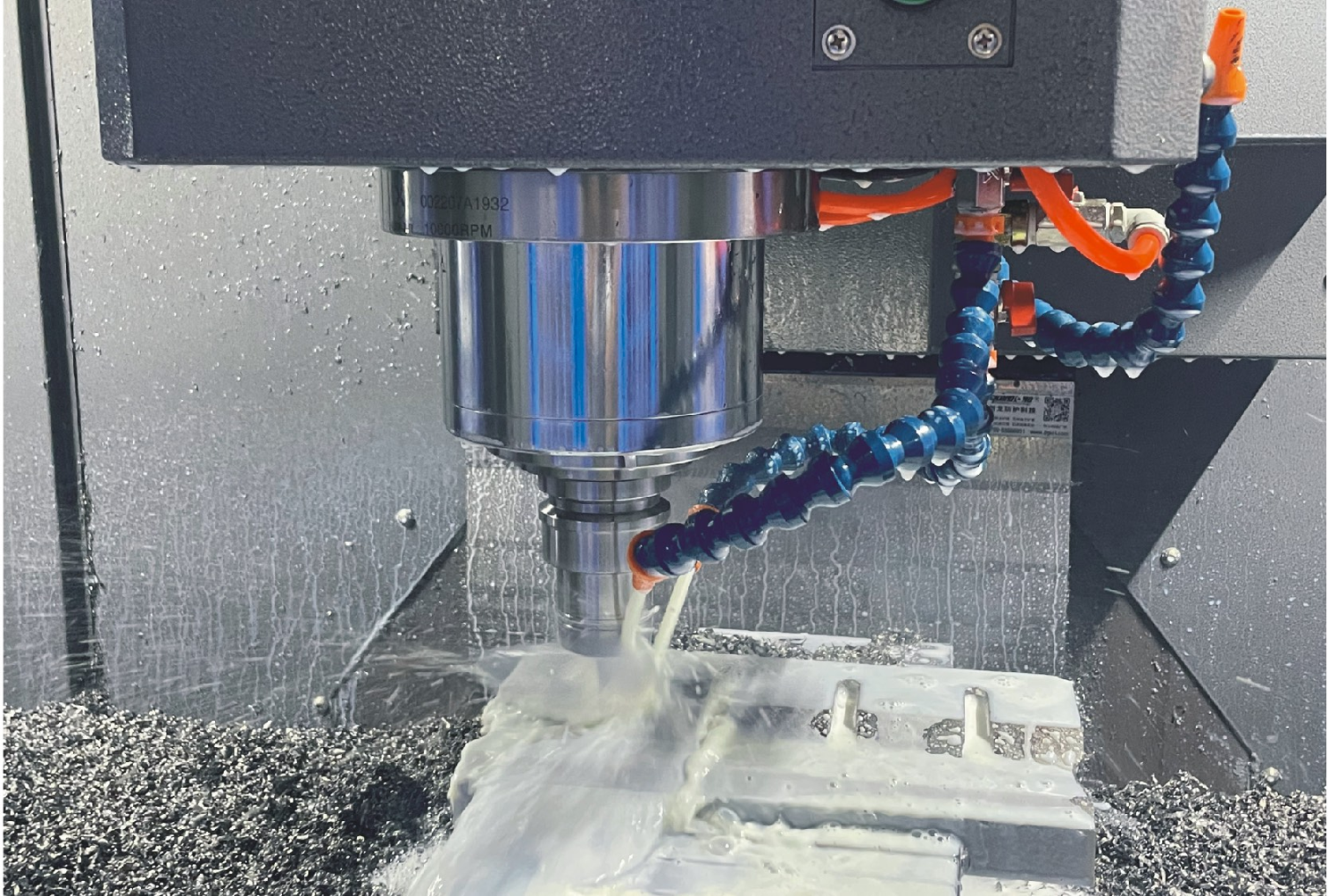
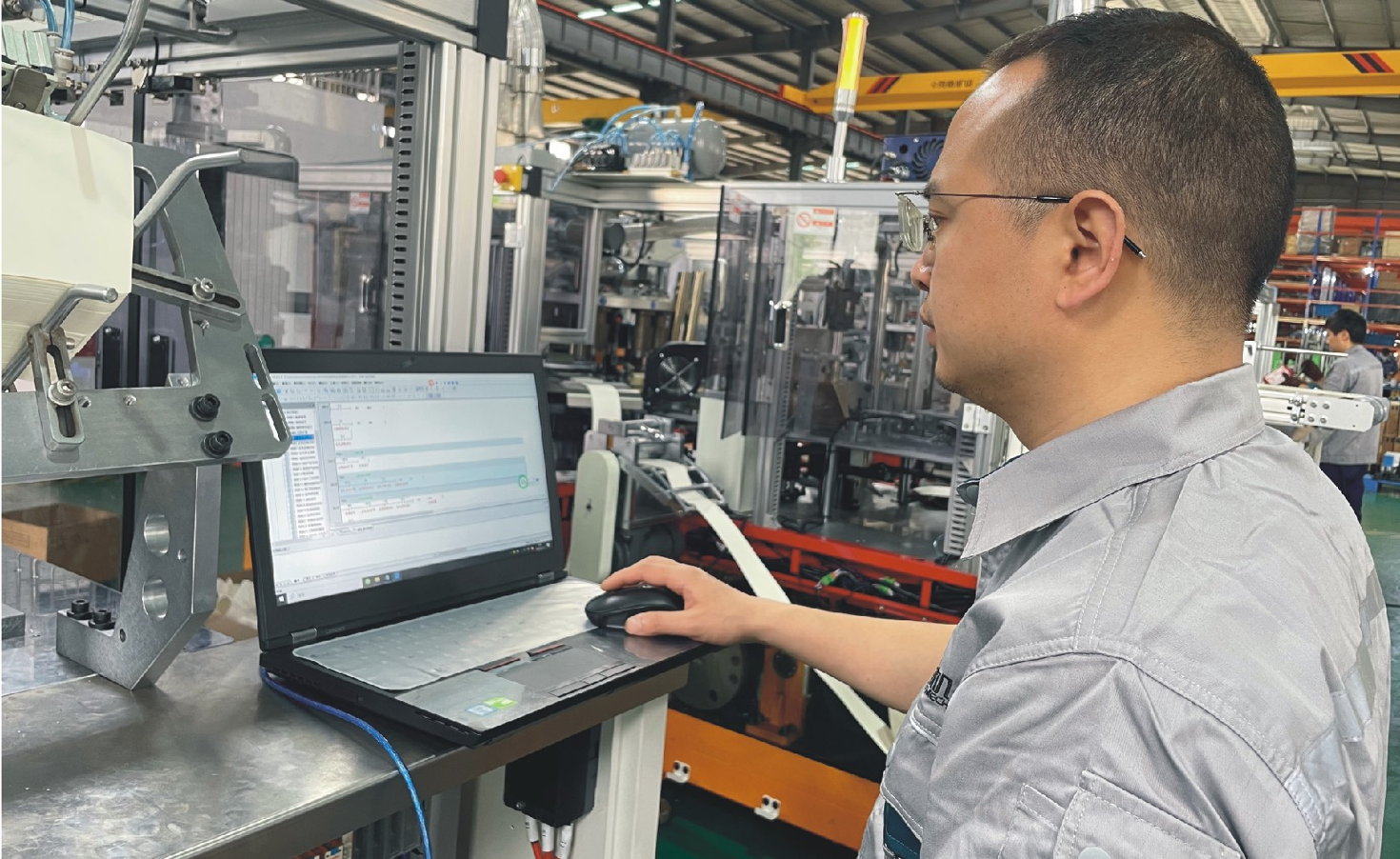
Unlike many machinery assembly operations that source critical parts from third-party suppliers, HQ Machinery maintains complete control over the manufacturing process. We operate our own CNC machining centers, manufacturing the majority of mechanical parts, cams, shafts, and tooling elements in-house. This level of vertical integration offers two main advantages:
Our philosophy is that quality service extends far beyond the initial sale; we aim to build long-term relationships that support our clients' manufacturing efficiency for decades.
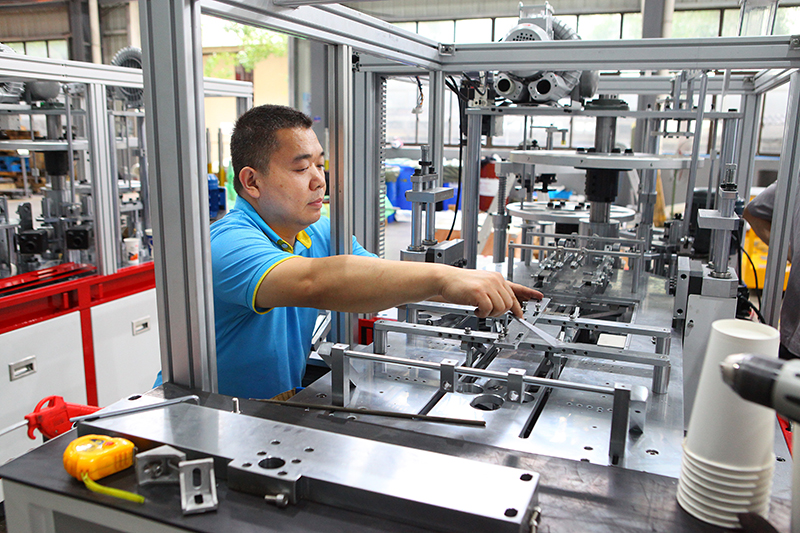
Watch our high-speed paper cup forming machines in operation, showcasing sheet feeding, sealing, and rim curling cycles.
Our development plan for intelligent, sustainable, and highly automated container production lines.
Replacing old-style internal gear structures with heavy-duty open-cam indexers. This update reduces mechanical backlash, lowers maintenance requirements, and increases production speeds to 100-120 cups per minute.
Integrating independent servo drives for bottom paper feeding, wall positioning, and knurling systems. This replaces mechanical linkages, allowing operators to adjust cup sizes and parameters directly through human-machine interface (HMI) screens.
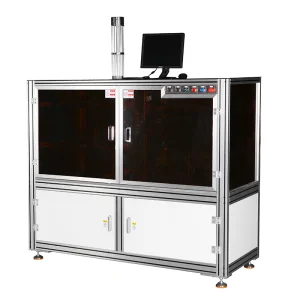
Integrating inline CCD cameras to check every cup in real-time. This system automatically identifies and ejects containers with dirt, bottom sealing issues, or poor rim shapes without stopping the main machine.
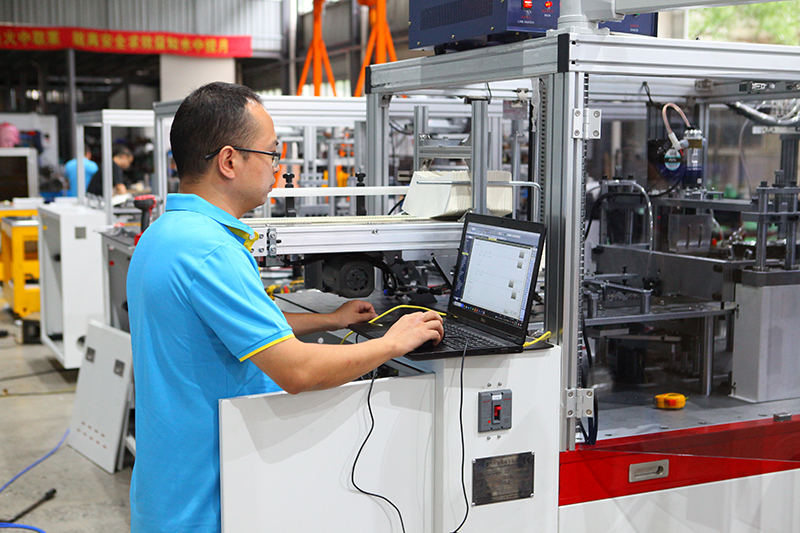
Enabling secure online access for diagnostic support. HQ engineers can check PLC status, update software, and troubleshoot operations remotely, resolving 90% of configuration issues online.
Ensuring your manufacturing floor meets all local safety, industrial, and ecological guidelines.
HQ Machinery designs all equipment to comply with international industrial guidelines. Our machinery lines are CE certified, featuring protective shielding, safety interlocks, and emergency stop systems to ensure operator safety and meet strict local labor standards.
To support global installations, we provide customized tooling packages tailored to local paper stock variations. We work closely with our clients to test specific regional paper brands and bio-coated materials at our facility before shipping, helping to ensure smooth installation and startup on your factory floor.
"HuanQiang Machinery does not just supply equipment; we deliver long-term production reliability. Choosing HQ means partnering with a team backed by 27 years of engineering experience and a commitment to operational efficiency."
Answers to common technical and operational questions regarding high-speed small paper cup machinery.
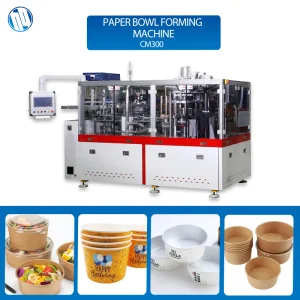
Review our specialized paper container forming and inspection machinery to expand your production capabilities.
 Huan Qiang