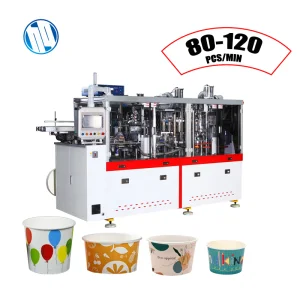
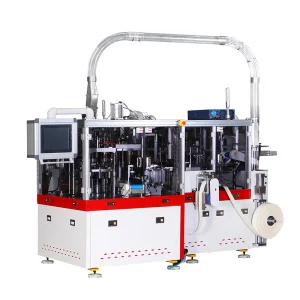
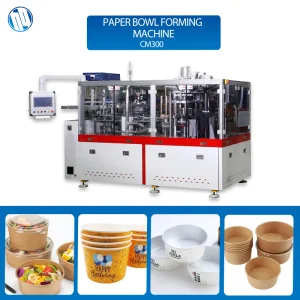
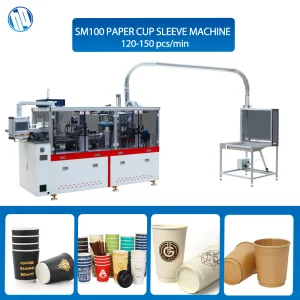
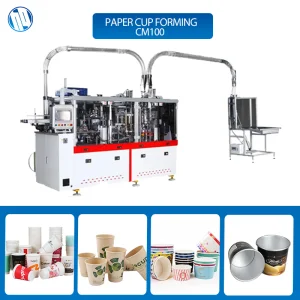
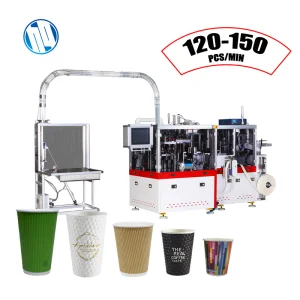
Explore our core intelligent machinery, engineered for high reliability, speed, and sustainability.
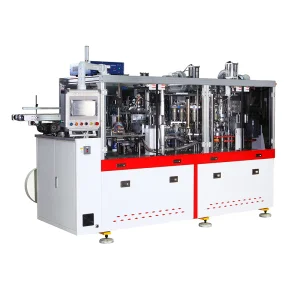
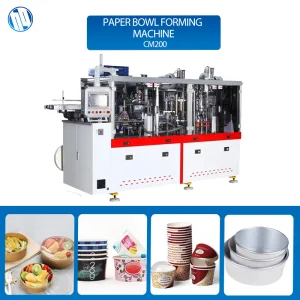
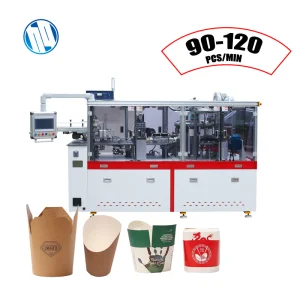
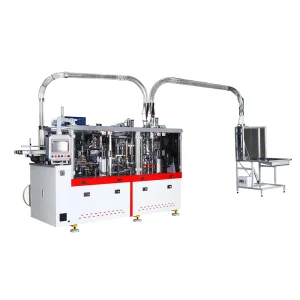
The global food packaging sector is undergoing a fundamental structural transition. Driven by both evolving consumer aesthetics and aggressive plastic-reduction legislation (such as the EU Single-Use Plastics Directive and North American municipal bans), packaging manufacturers are moving rapidly toward biodegradable paperboard substrates. Among these transitions, the Square Bowl Forming Machine has emerged as the high-barrier, high-complexity system of choice for advanced brands.
Unlike conventional circular cups, producing square, rectangular, and non-round containers introduces significant mechanical dynamics and thermoforming friction challenges. Circular structures distribute tension and sealing pressure uniformly. Conversely, square containers present distinct 90-degree corners, flat sidewalls, and intricate bottom folds that require precise control over material tension, heat application, and mechanical compression.
Strategic Value: Square packaging designs optimize shelf space in supermarkets by up to 33% and increase space utilization inside delivery bags, making them highly sought after by rapid-delivery food networks and premium supermarket deli sections.
To achieve reliable, leak-proof bottom sealing on a square bowl, a supplier must control the micro-seconds of contact time and localized temperature gradients. Conventional cam-driven machines often suffer from mechanical backlash, which translates to micro-cracks in the PE, PLA, or PBS coating at the sharp corners of the container.
Our current generation of Square Bowl Forming Machines leverages a multi-servo configuration. Independent servo motors drive the bottom-feeding, wall-wrapping, and corner-crimping motions. By decoupling these movements from a single mechanical shaft, we can program specific acceleration/deceleration profiles for the corners, resulting in zero stress-cracking and an absolute hermetic seal.
Replacing traditional enclosed gearboxes with heavy-duty open index cams ensures smoother high-speed performance, simplified maintenance accessibility, and outstanding structural endurance.
Automated lubrication systems supply pressurized, filtered oil directly to the primary bearing arrays, preventing heat build-up and eliminating human maintenance errors.
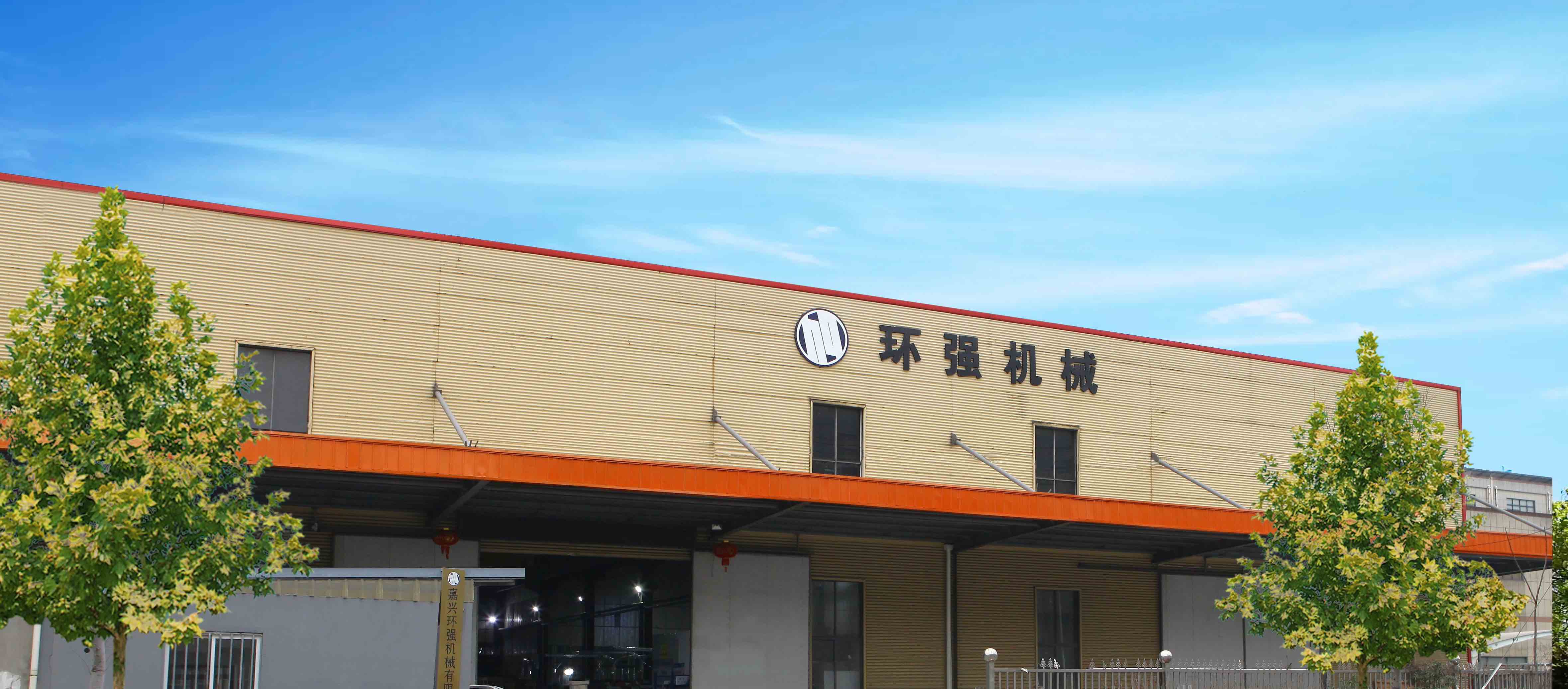
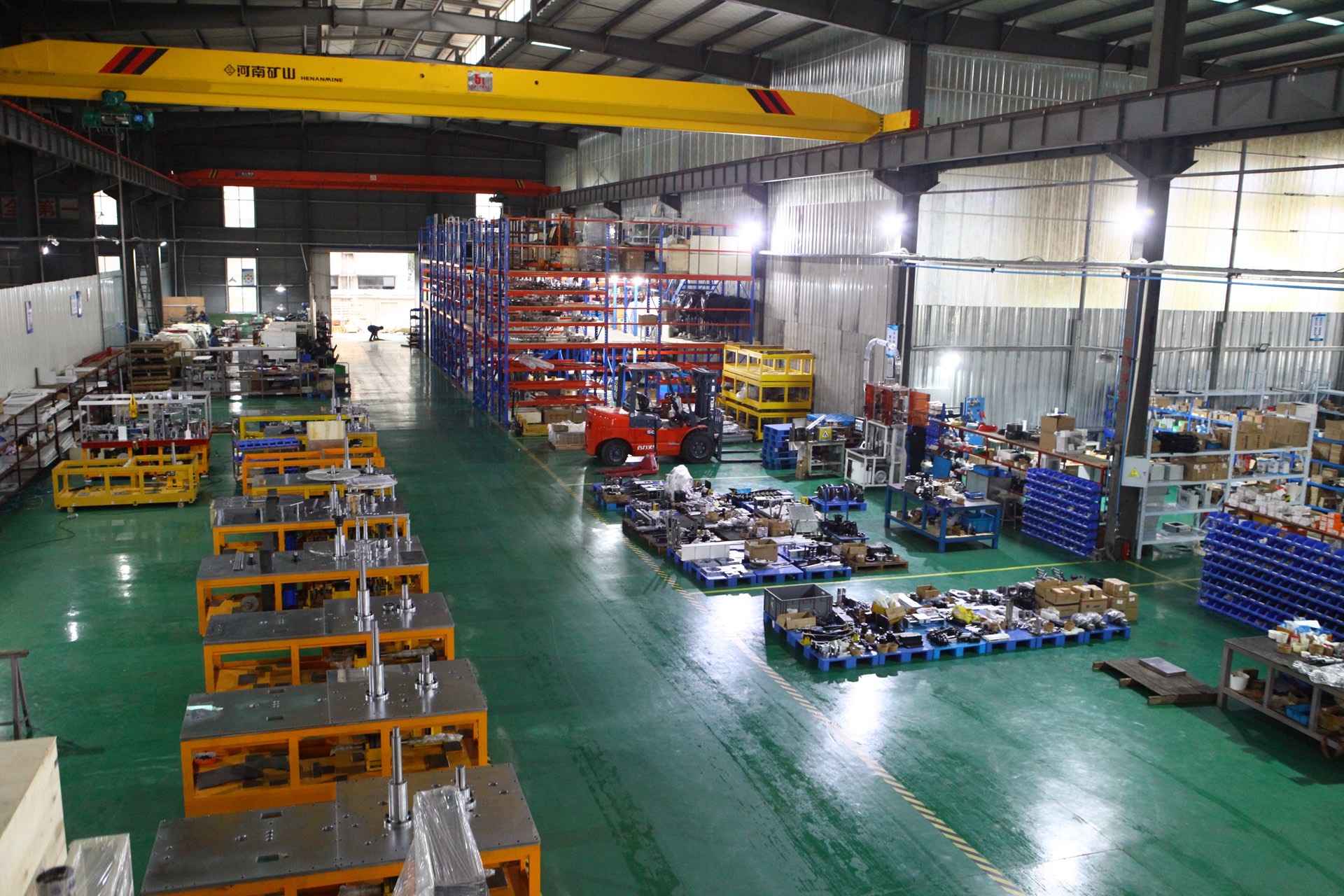
For 27 years, we've focused on one thing: making paper cups faster, more stable, and safer for the world. From our first paper cup machine to our current comprehensive intelligent production lines covering round cups, square cups, special-shaped cups, paper bowls, and paper lids, Huanqiang Machinery has consistently driven innovation and prioritized quality, providing one-stop paper container solutions for customers worldwide.
Our core driving philosophy has always centered around developing a culture of quality, innovation, and excellence. We live by our Core Values – Precision, Innovation and Passion for engineering. They guide how we treat each other, our customers, and how we tackle our work. With strong Core Values and a higher Purpose, our company performs better.
What we stand for and pride ourselves on:
★ Preciseness and detail focused
★ Competitive pricing
★ Lead time that works for the customer
★ Innovative and customized service for unique needs
★ An unmatched level of on-sale and after-sale services
Led by experienced engineers with decades of industry experience, we have an independent R&D center and complete intellectual property rights. We've pioneered technologies such as modularization, servo control, online testing, and remote operation and maintenance.
Our stringent "HQ Standards" track over 200 inspection nodes. Outfitted with imported German five-axis machining centers and 24/7 fatigue testing platforms, we guarantee zero break-in delays at installation.
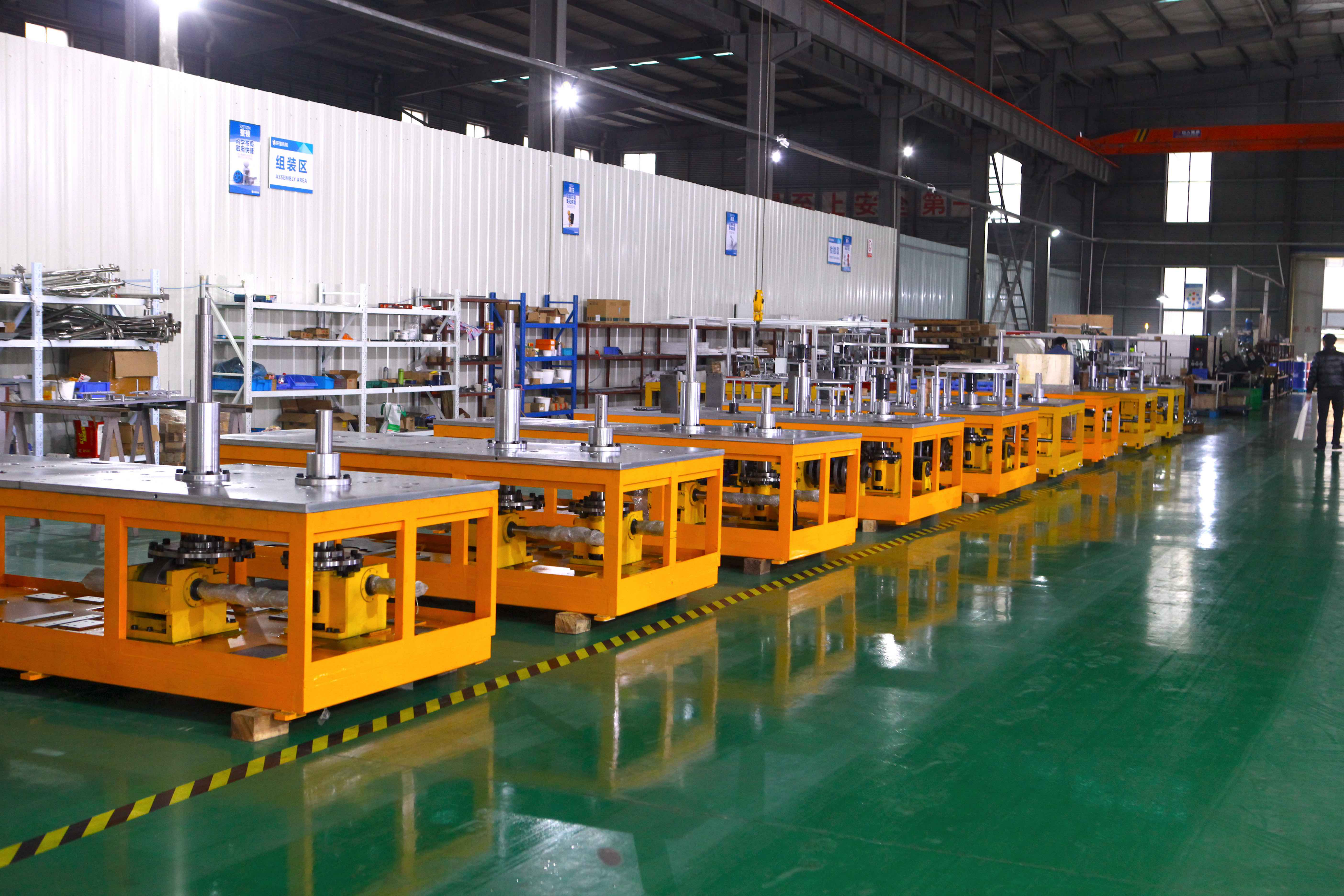
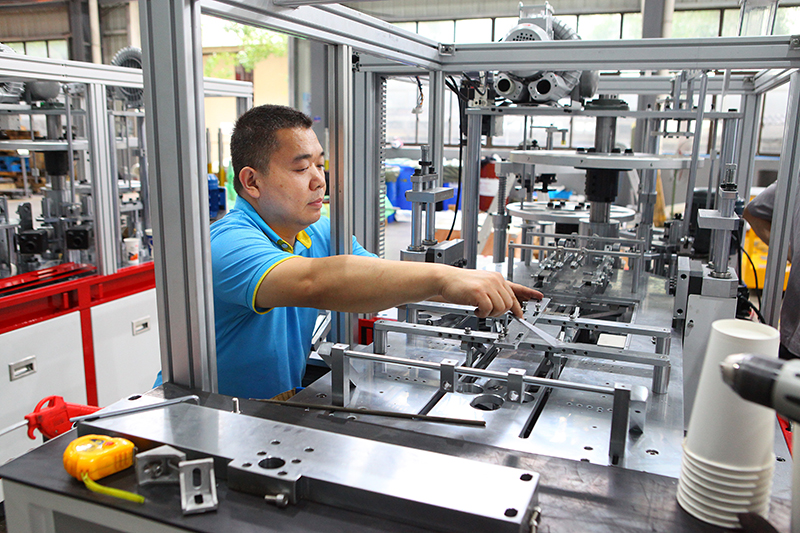
We process sheet metal, perform machining, and run final assembly completely in-house. This vertically integrated manufacturing guarantees cost advantages and enables customized configurations within 48 hours.
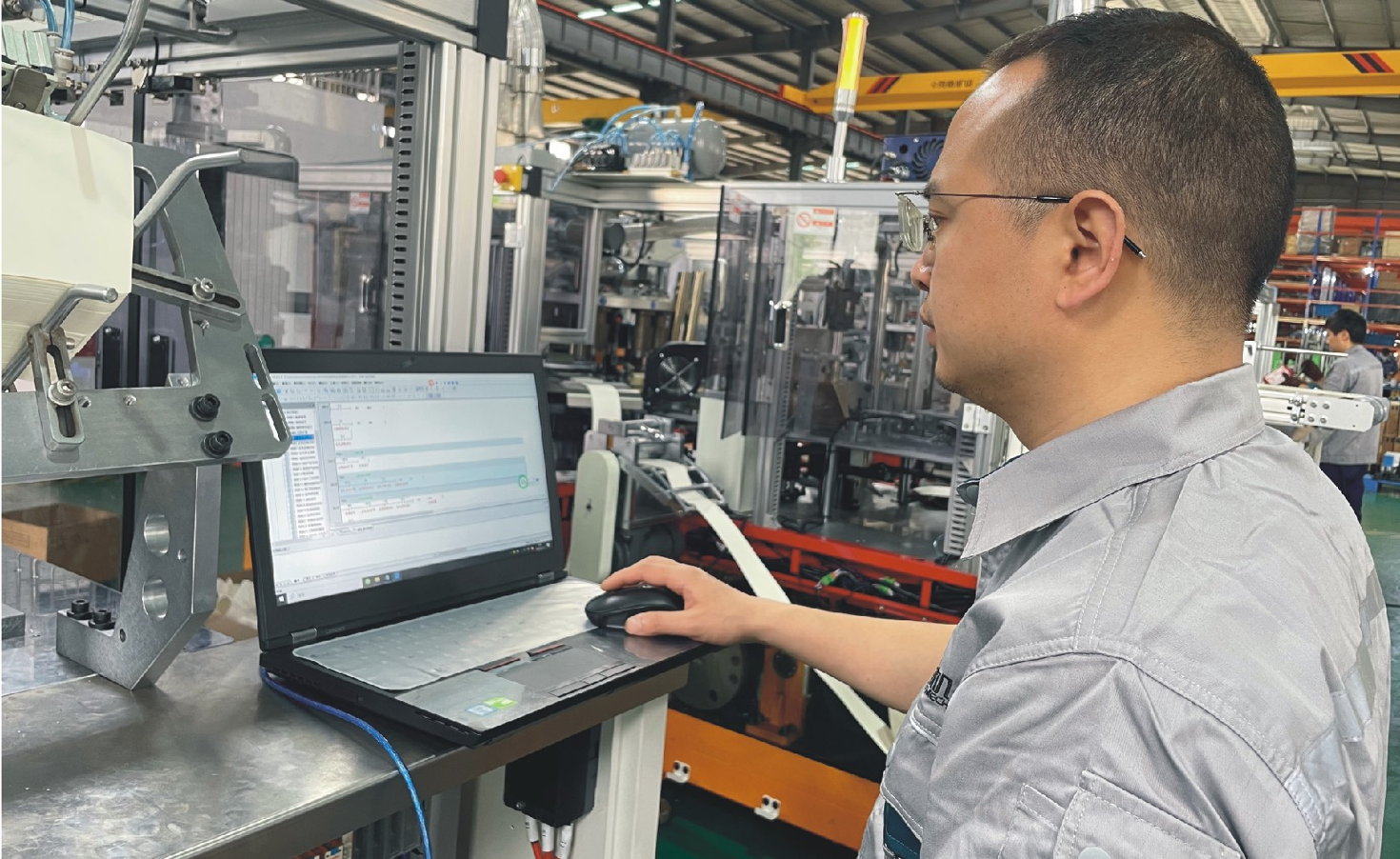
Integrating sales, installation, training, and customer service. Our global remote diagnostic networks allow our system engineers to resolve up to 90% of diagnostic issues online, ensuring uptime.
Analyzing key business vectors driving the adoption of high-speed non-round container technology.
Global FMCG brands and food services are demanding unique aesthetic form factors to stand out on crowded retail shelves. The typical round tub has become a commodity, leading to downward price pressures. Conversely, square bowls, Desto hybrid cups, and octagonal containers command premium margins.
Procurement teams at international conglomerates face distinct challenges when choosing equipment suppliers:
Aqueous Coatings Trend: The industry is shifting rapidly toward plastic-free, water-based barrier coatings. Our heating and folding systems are optimized to handle these coatings, which are more sensitive to high temperatures than traditional PE.
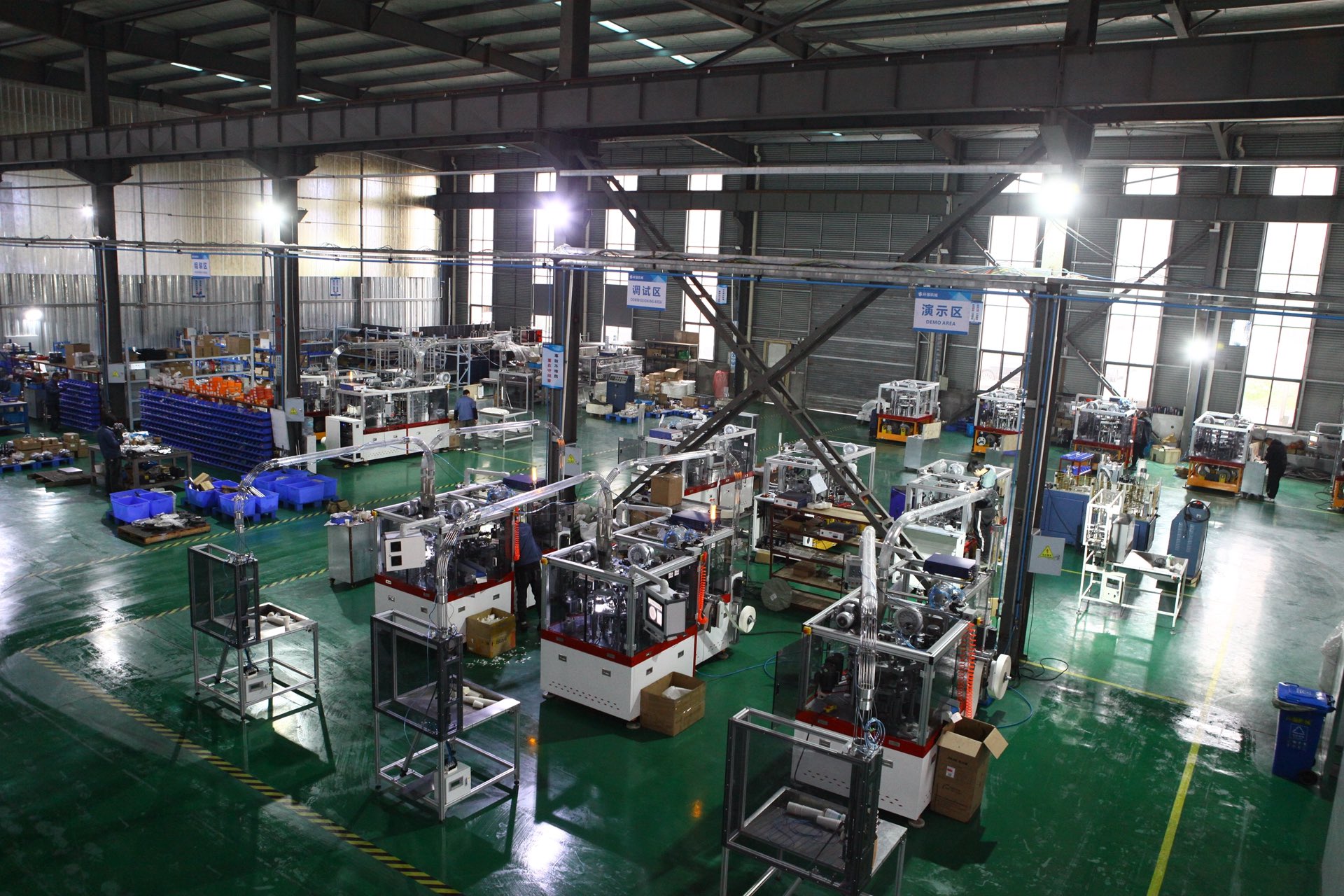
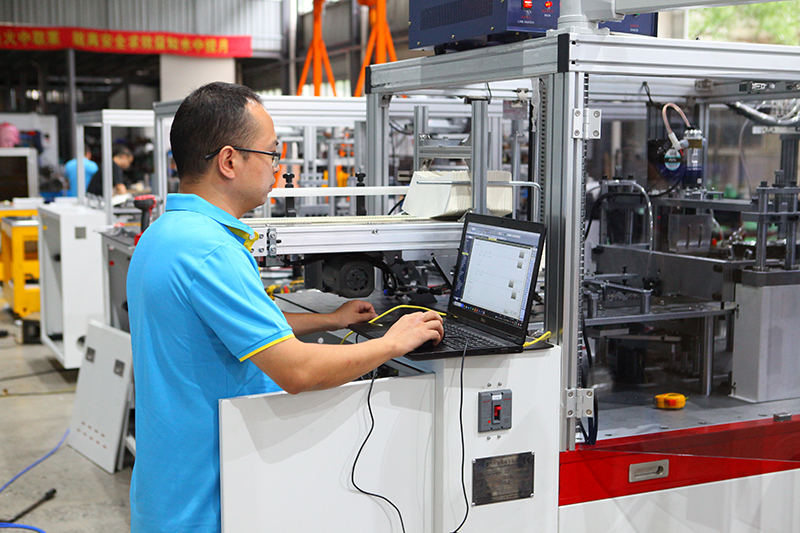
How vertically integrated manufacturing shields global buyers from supply disruptions.
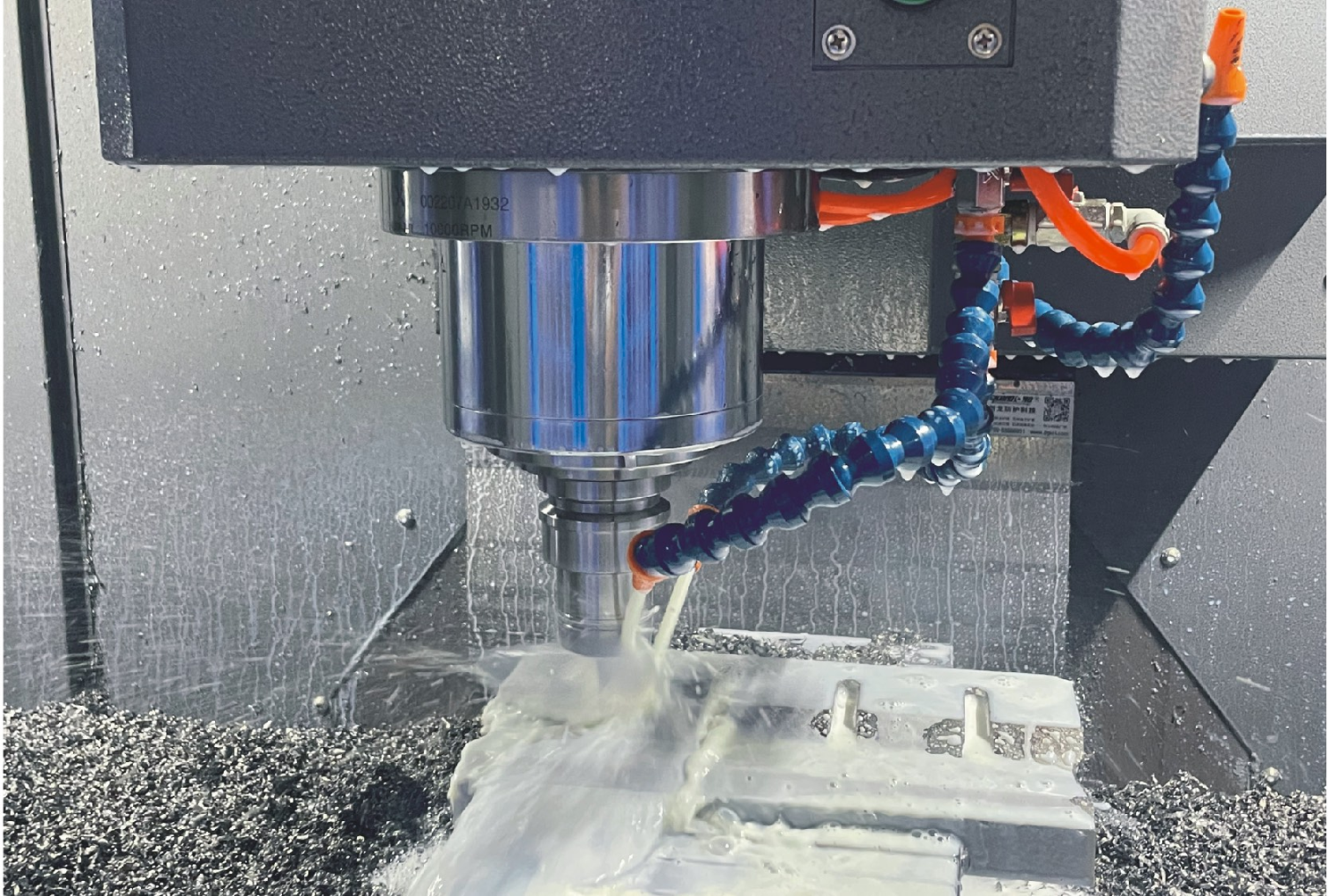
Our factory utilizes advanced five-axis CNC centers imported from Germany. This allows us to mill critical indexing drives and custom heaters in-house, securing tolerances within 0.01mm.
Unlike assembly shops that purchase off-the-shelf mechanical linkages, we manufacture 85% of our structural parts. This controls lead times and prevents external raw-material bottlenecks.
Before crate packing, every Square Bowl Forming Machine undergoes a 72-hour continuous stress test at speed. We verify temperature profiles and pneumatic cycling to ensure immediate startup.
From ready-to-eat microwave trays to premium eco-friendly double-walled coffee cups.
Different food cultures and retail formats dictate container design. Our engineering team modifies base models to match these specific requirements:
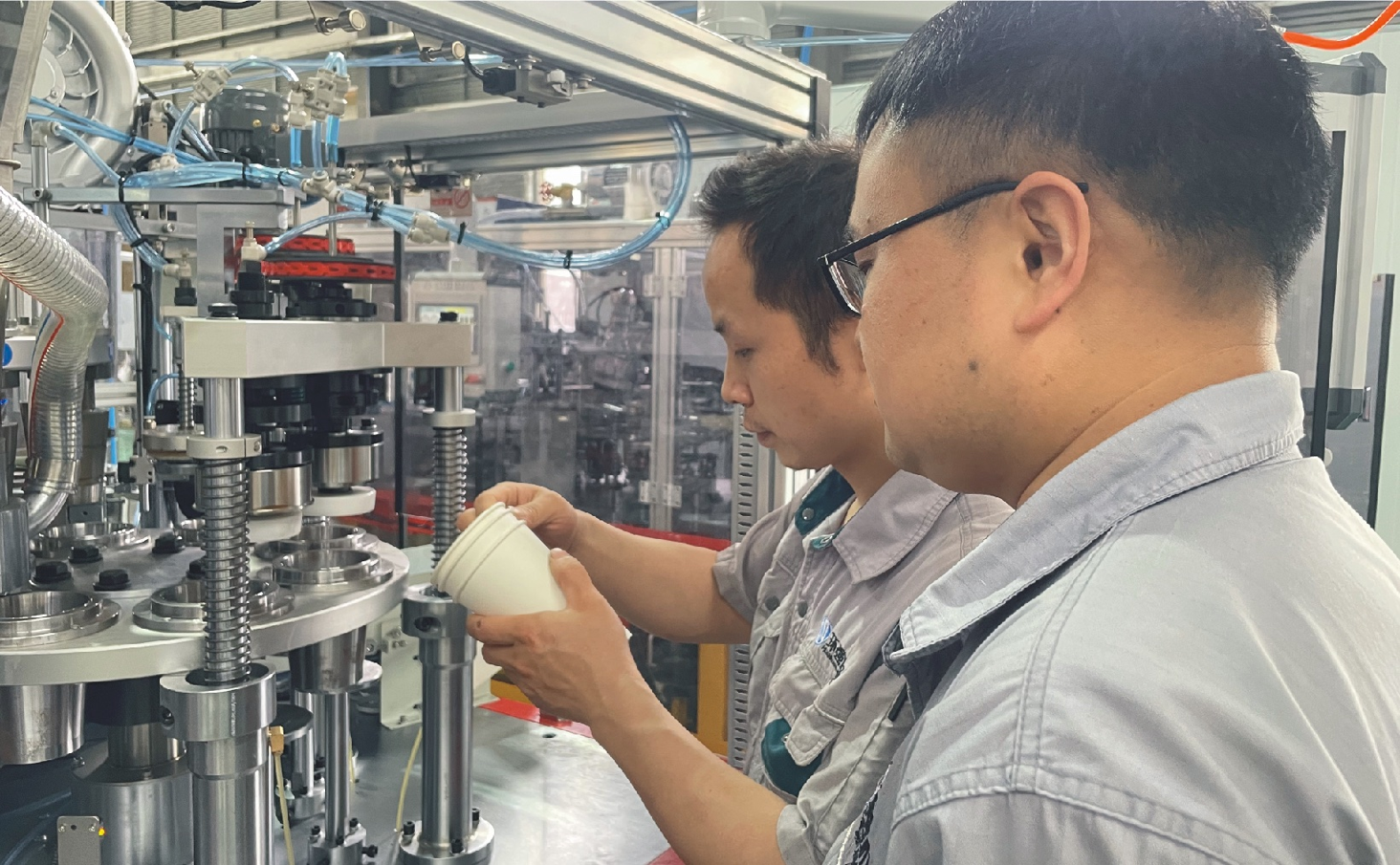

We work directly with your design teams, from initial packaging sketches and 3D mockups through to trial tooling production. This collaborative process shortens product release timelines.
A look at how we engineered custom tooling to solve structural flaws for a major fast-food supplier.
A major quick-service restaurant chain experienced a 3% leakage rate on their 750ml square salad bowls. Standard hot-air sealing systems struggled to compress the corner pleats cleanly, leaving microscopic pathways that allowed dressings to seep out.
The HQ Machinery team redesigned the folding sequence on our FCM200 non-round forming platform. By integrating:
The result: Leakage rates dropped to under 0.05%, and the customer was able to run lighter-weight, lower-cost paperboard stocks.
Clarifying structural and operational questions about square and non-round forming machinery.
Circular cups are symmetrical, meaning the sealing jaws and bottom punches distribute heat and pressure uniformly. A square container has flat sections and radius corners. If you apply uniform pressure, the flat sections seal, but the corners pinch and leak. HQ Machinery solves this by incorporating mechanical index curves that apply variable pressure depending on the tooling phase, combined with localized heaters to control temperatures at the corners.
Yes, our machines feature a modular design, allowing for mold changeovers. While changeover times are longer for non-round containers compared to standard round cups, our tooling is engineered to slide out easily. A complete tooling changeover can be completed in 4 to 8 hours by a trained technician.
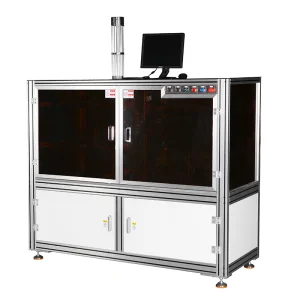
Our Visual System Cup Inspection Machine uses high-resolution industrial cameras linked to custom image-processing algorithms. The software isolates the non-round rim profile and bottom perimeter, comparing it to a reference 3D CAD model in real time. It detects dimensional deviations, structural deformations, dirt, and oil marks at speeds exceeding 150 pieces per minute.
Absolutely. Conventional PE-coated paperboards are highly forgiving with temperature variations. Bio-materials and water-based dispersion barriers have narrower sealing ranges. If overheated, the barrier degrades; if underheated, it fails to bond. Our machines use PLC-driven PID controllers, maintaining temperatures within +/- 1 degree Celsius. This precise control is critical for eco-friendly materials.
Primary wear parts include heaters, folding levers, suction cups, and bottom-crimping tooling. Due to our use of high-grade alloy steels and titanium-coated surfaces, our forming molds typically last 5 to 7 years in 24/7 production settings. Standard electrical relays and pneumatic valves are sourced from top global brands (such as SMC and Omron), facilitating easy replacement locally.
Review our specialized paper container machinery options to expand your manufacturing capabilities.
 Huan Qiang