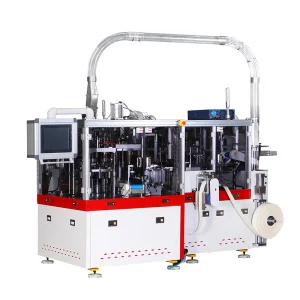
As global consumer behavior pivots toward highly differentiated, shelf-stable, and aesthetic take-away food packaging, the standard round container is no longer the sole industry default. The emergence of the Triangle Bowl and various non-round container designs represents a significant paradigm shift in the rigid paperboard container market. Triangle bowls maximize packaging volumes while offering distinctive ergonomics for fast-casual food systems, custom salads, high-end instant noodle formats, and specialized dessert bowls.
However, forming a non-round container, particularly one with three asymmetrical or symmetrical corners like a triangle bowl, presents immense technical challenges. Traditional round container forming methods rely on uniform distribution of tension across circular arcs. A triangle bowl requires targeted, localized tension controls, precision folding configurations, and customized sealing patterns. Global food brands and packaging firms require specialized, reliable Triangle Bowl Making Machine Manufacturers to successfully navigate these complexities.
By choosing a leading partner like Huanqiang Machinery (HQ Machinery), clients gain access to 27 years of dedicated engineering expertise, transitioning complex manufacturing challenges into reliable, stable, and cost-efficient packaging production lines.
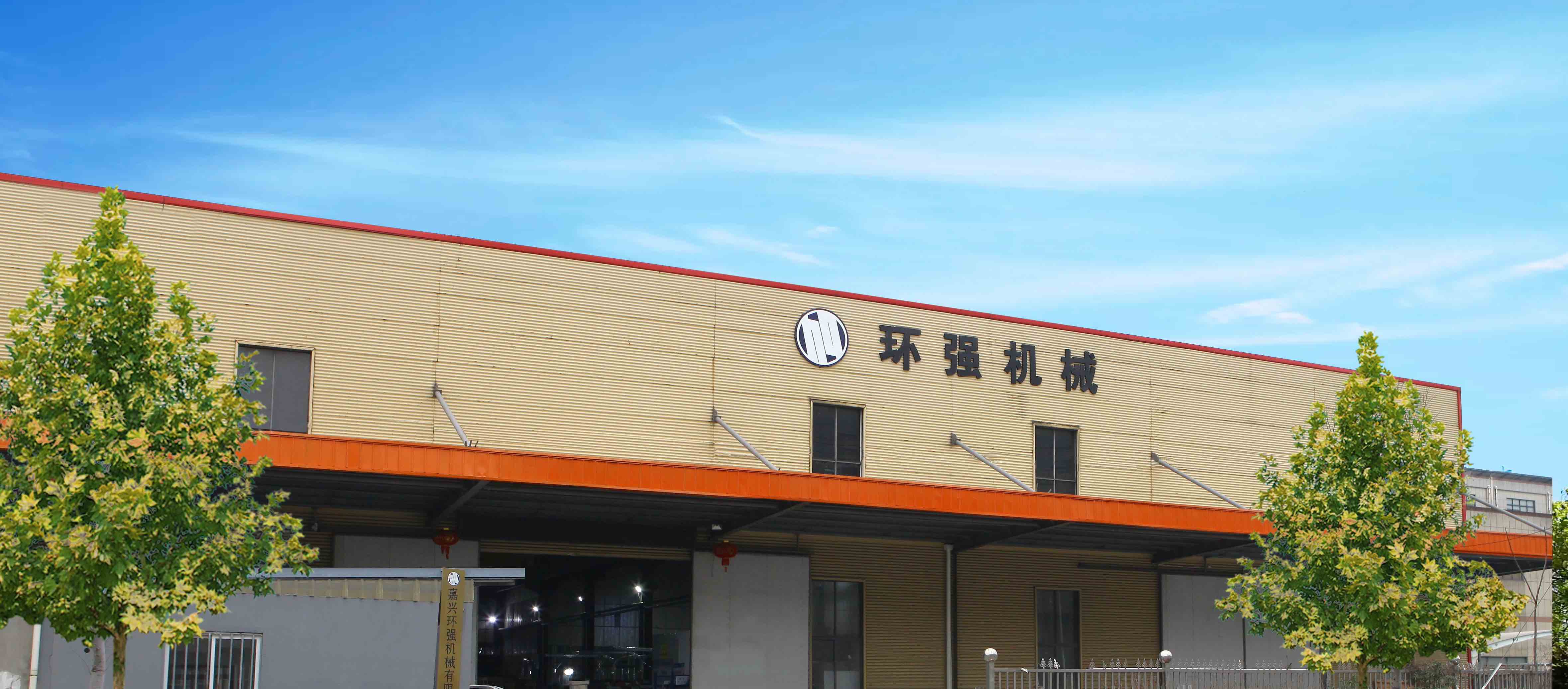
For nearly three decades, HQ Machinery has driven innovation in high-efficiency, multi-station automatic paper container machinery. From basic single-PE coated cup setups to complex double-wall, non-round, and custom-embossed structural containers, we deliver complete automated systems for top-tier packaging suppliers.
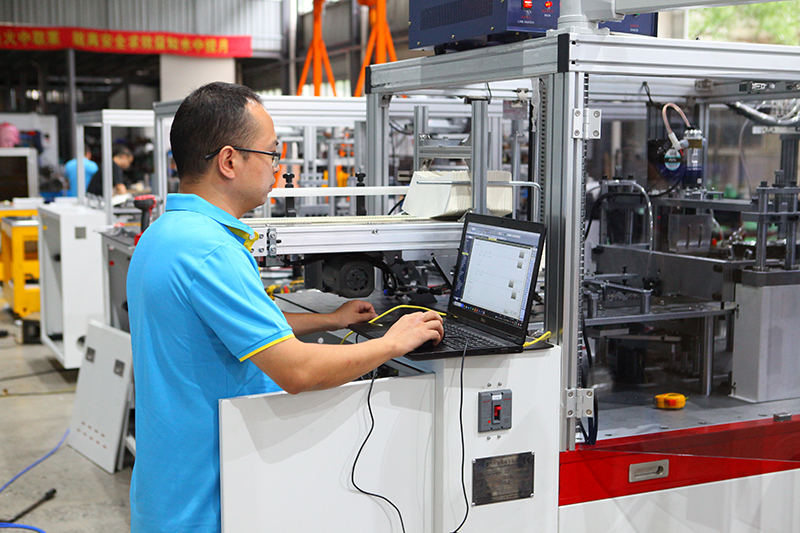
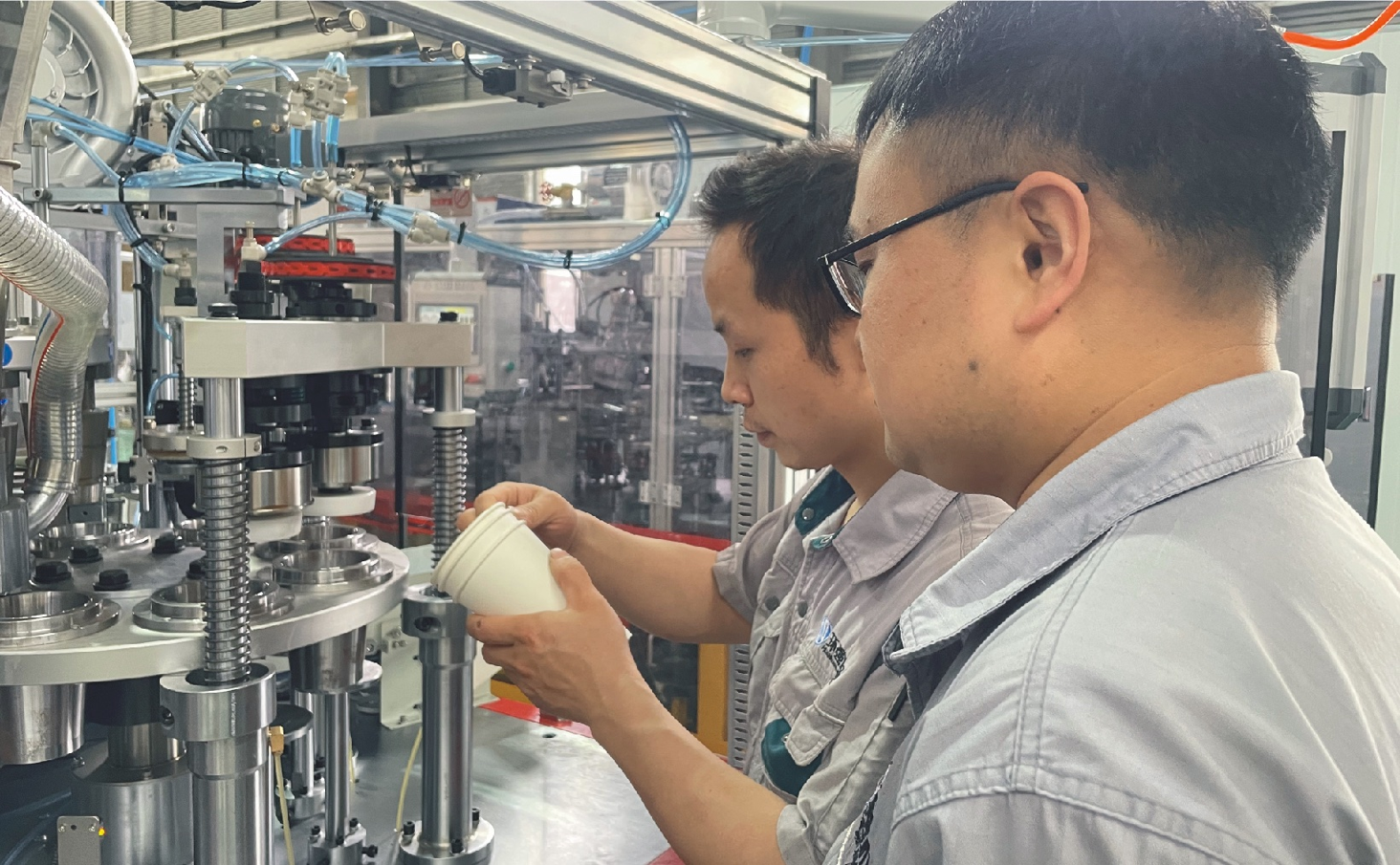
Guided by specialized paper-forming engineers, our independent R&D center integrates advanced modular automation, multi-servo controls, real-time optical scanning systems, and remote maintenance tools.
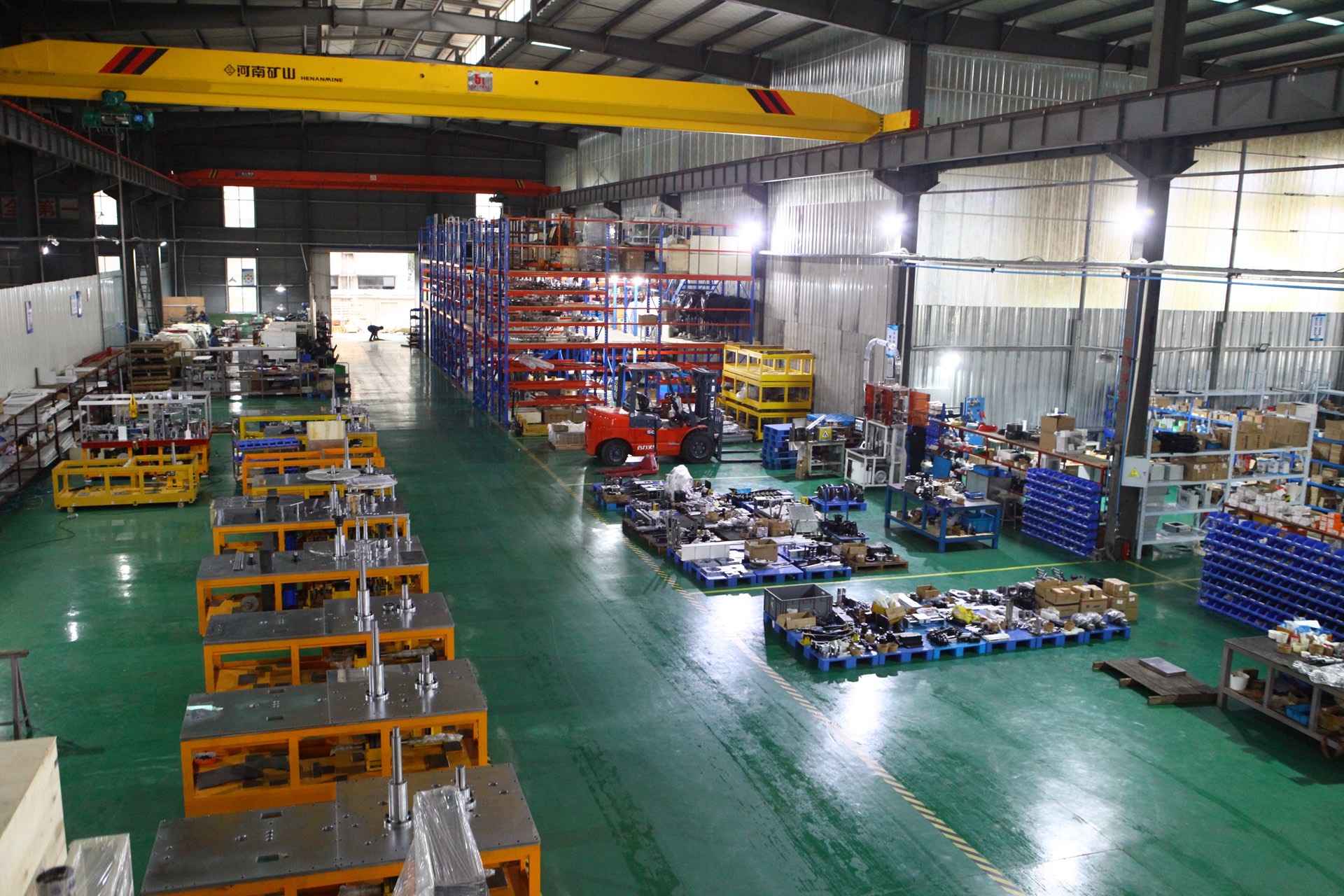
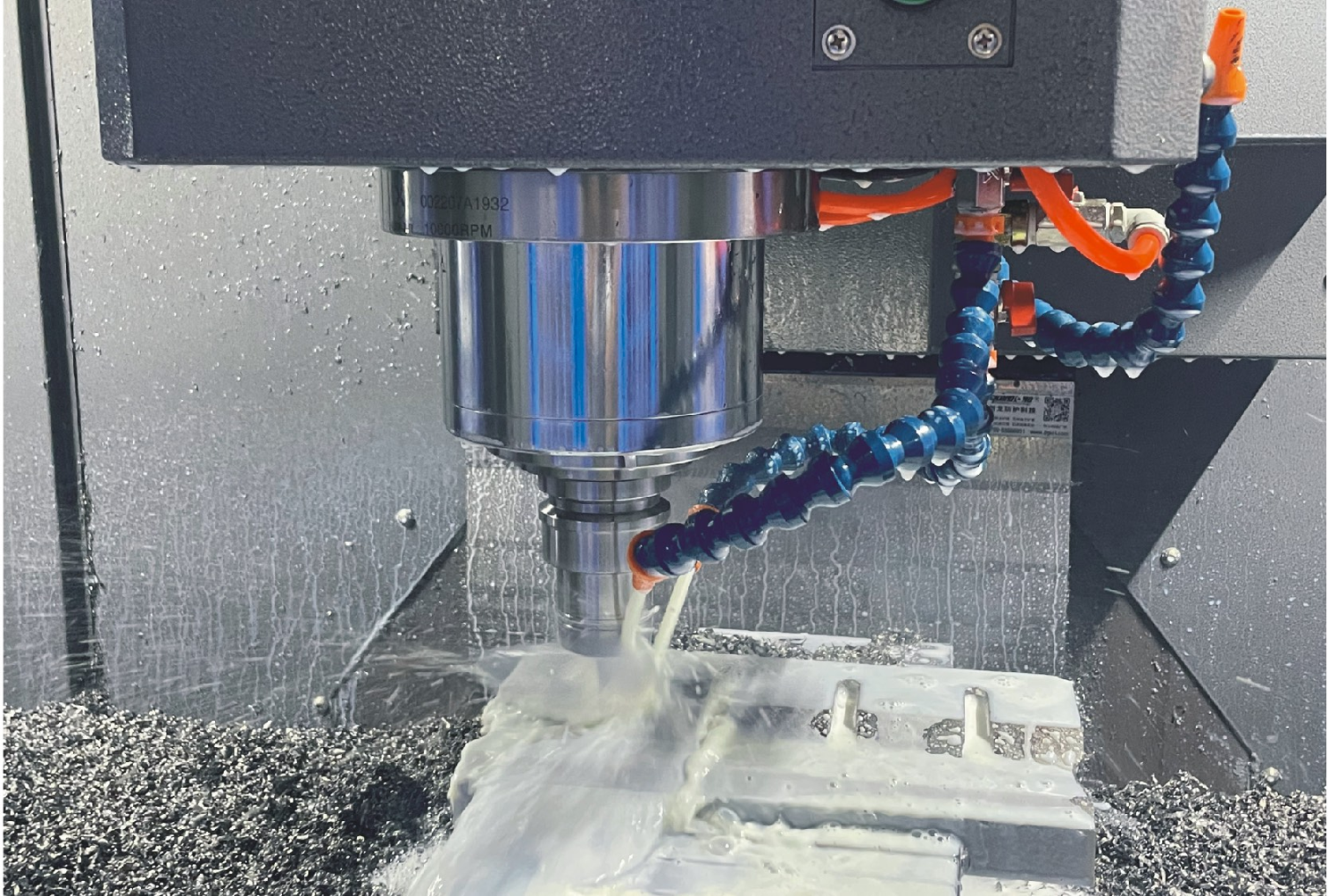
We deploy high-precision five-axis machining centers and fatigue testing rigs. Over 200 key inspection points are recorded for complete traceability from raw sheet metal to finalized machine assembly.
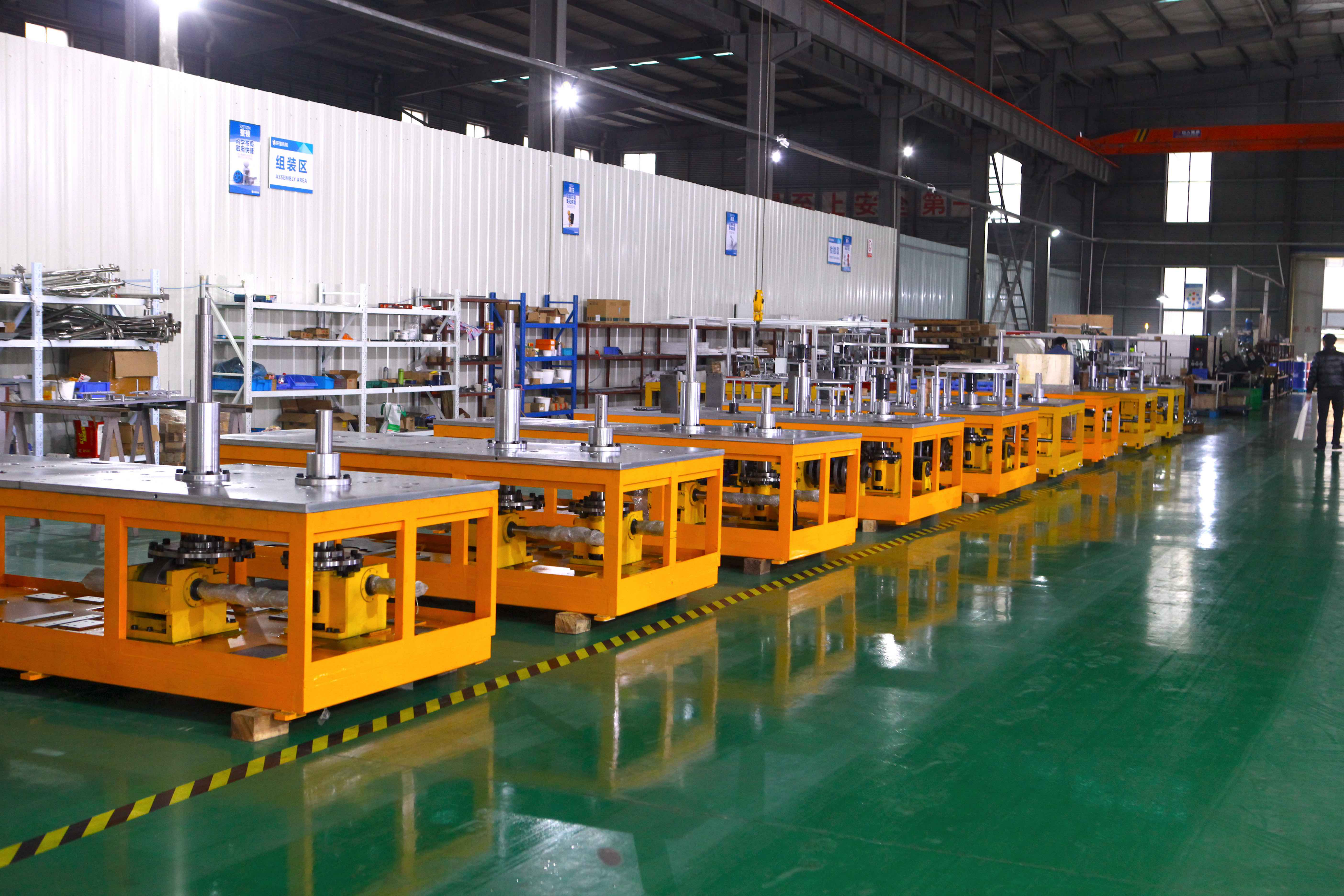
We process structures, sheet metal, and core shafts in-house. This complete vertical integration keeps manufacturing pricing highly competitive while allowing tailored system adjustments within 48 hours.
Unlike symmetrical circular paper cups, forming non-round shapes such as triangle bowls introduces variable material forces. The paper blank undergoes localized strain during the wrapping and folding phase. Below are the key engineering solutions developed by HQ Machinery to ensure flat bottom sealing and uniform top curling:

From the beginning, HQ Machinery has prioritized quality, innovation, and long-term reliability. We align our manufacturing practices with these core values: Precision, Innovation, and Passion for Engineering.
We focus on developing high-efficiency machinery that handles sustainable and alternative packaging materials. We collaborate closely with global brands to transition from traditional plastic containers to recyclable, compostable, and plastic-free barrier coated paperboards. Our team assists clients with everything from early-stage packaging concepts to final tooling adjustments.
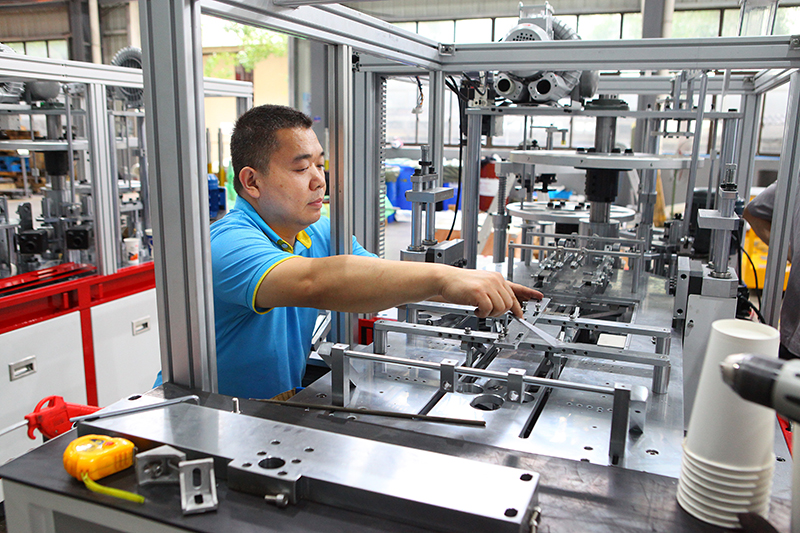
Our machines carry full CE certification, validating safety, electrical safety, and mechanical security. For North American and European markets, we source components compliant with UL, CSA, and international safety standards.
Located within a premier manufacturing cluster in China, we control the entire production line. From sourcing raw steel plate to custom engineering cams and assembling electrical panels, we reduce lead times and pass savings along to clients.
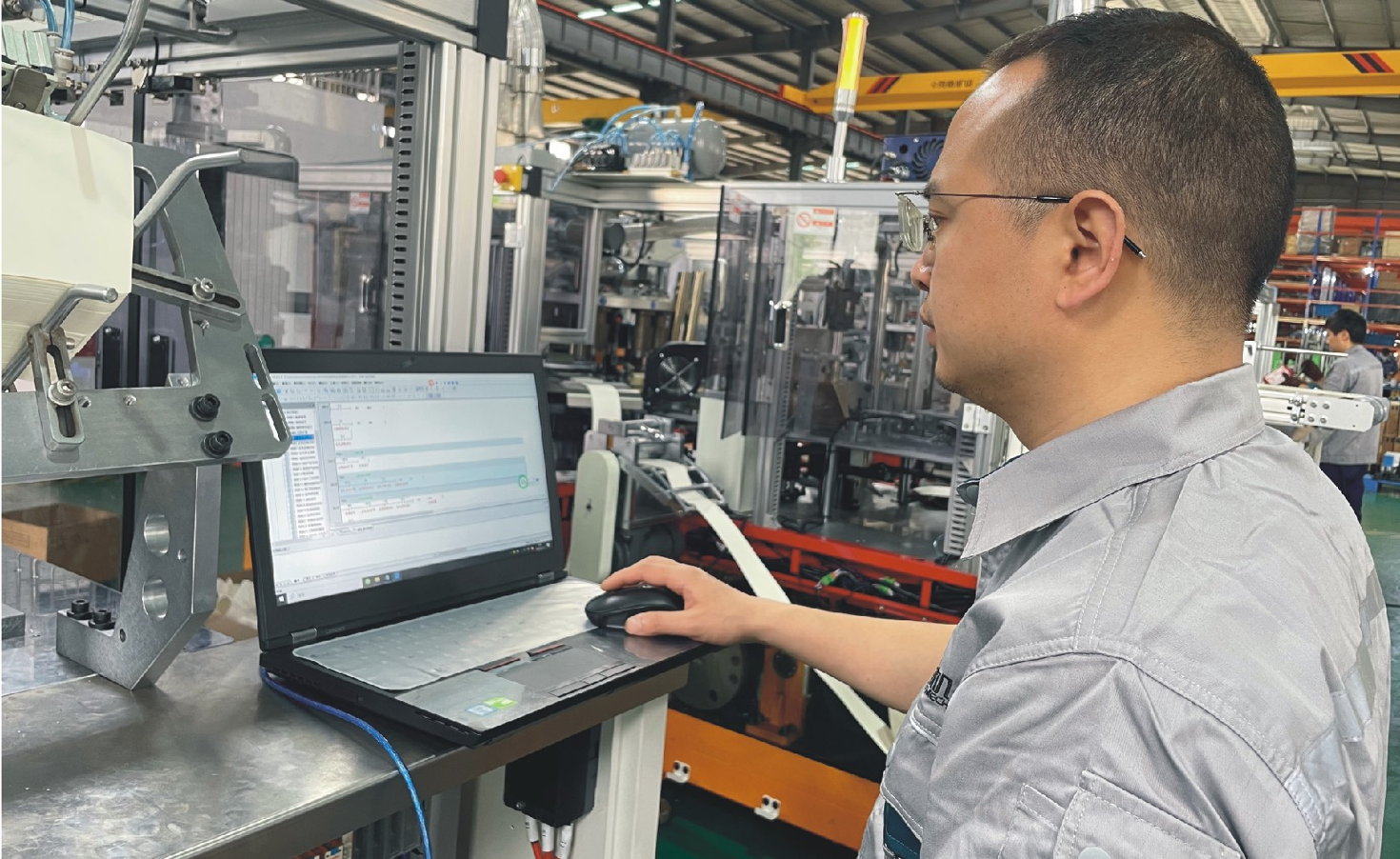
Equipped with secure IoT remote modules, our engineering team assists with machine setups, resolves over 90% of technical queries online, and manages spare parts shipments from global supply depots.
Compare our standard and specialized models. We offer tailormade molds to meet custom design requirements, thickness specifications, and throughput targets.
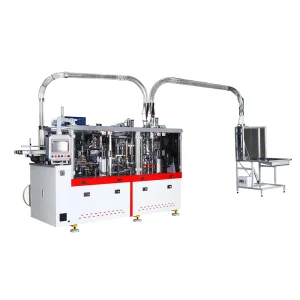
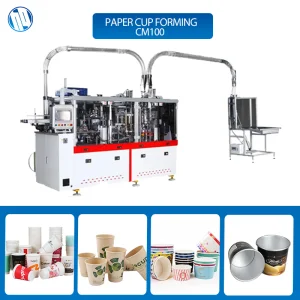
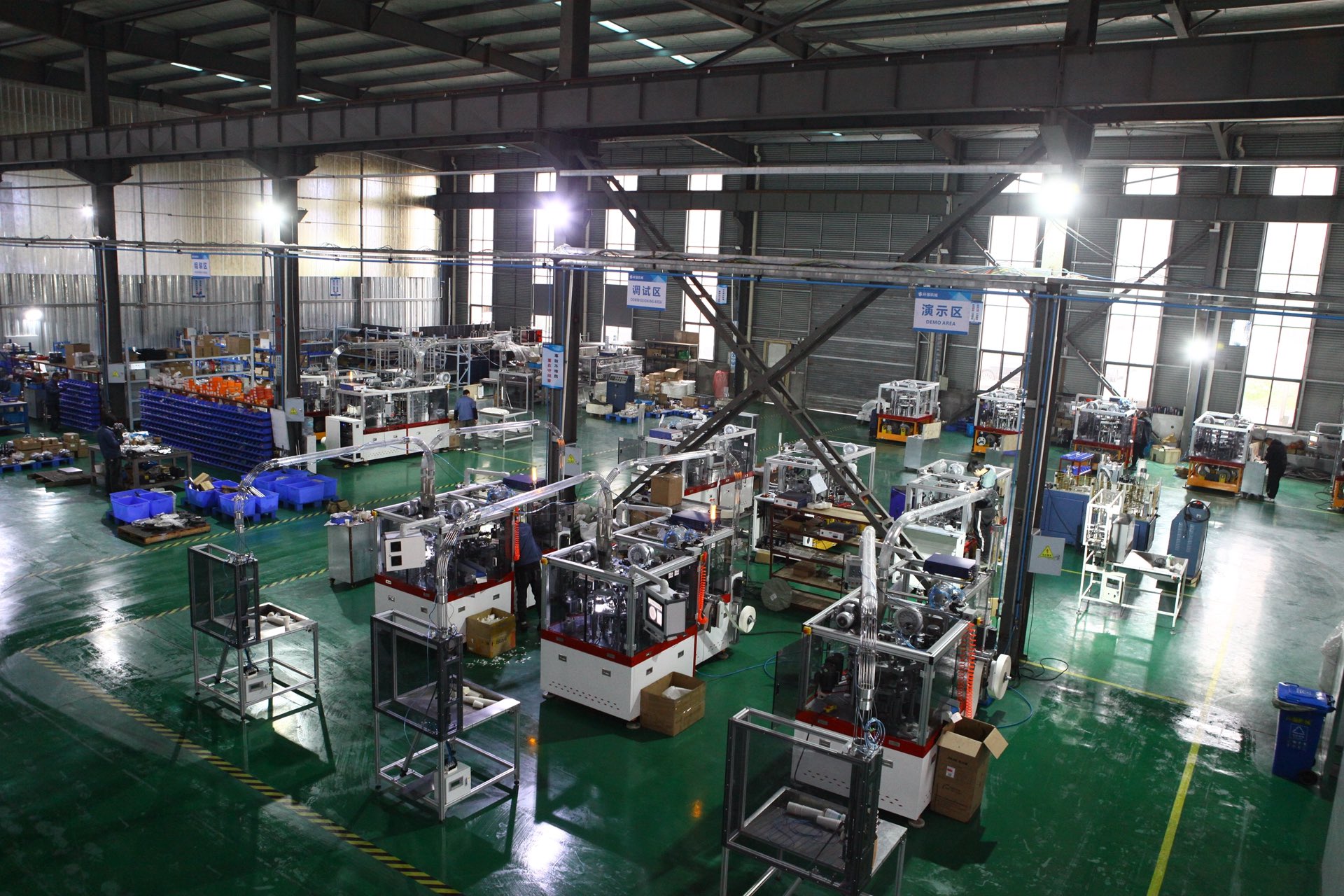
The CM100 represents our baseline high-performance single-axis rotary machine, widely chosen for mass-producing coffee, tea, and vending cups. Its indexing gearbox is oil-bathed for wear resistance, and the machine relies on proximity sensors to halt operations immediately if a paper jam occurs.
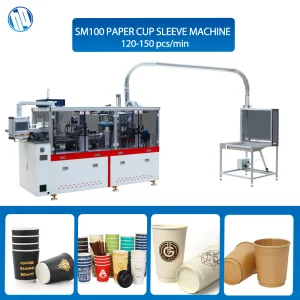
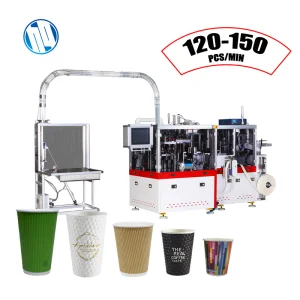
Designed for hot beverage safety and thermal isolation, the SM100 wraps corrugated, hollow-sleeve, or ripple outer walls onto pre-formed cups. It interfaces with parent cup machines to build double-wall insulated cups at high operational speeds.
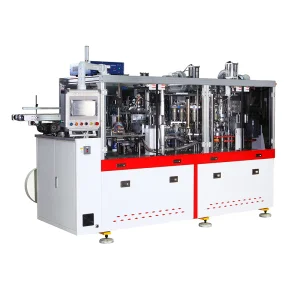
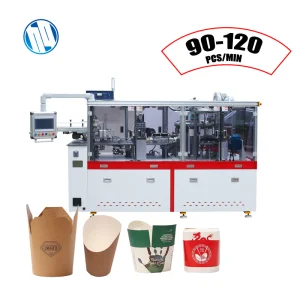
The FCM200 is engineered to construct non-round shapes. Utilizing servo-driven bottom punching, asymmetrical forming molds, and localized ultrasonic sealing, it manages the uneven stresses associated with square, rectangular, and triangle food-grade paper packaging.
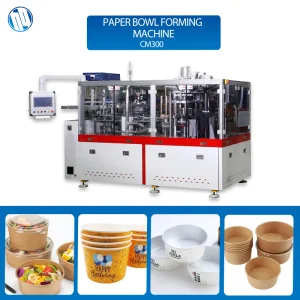
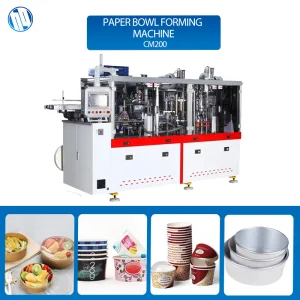
The CM300 forms large-capacity soup bowls, instant noodle cups, and family-sized takeaway containers. Built with heavy-duty mechanical linkages, it applies uniform force during high-stroke forming phases to ensure structural integrity across larger surface areas.
Our engineering team focuses on shaped flanges and non-standard tooling assemblies. For decades, our team has built durable, precise paper cup and container machinery.
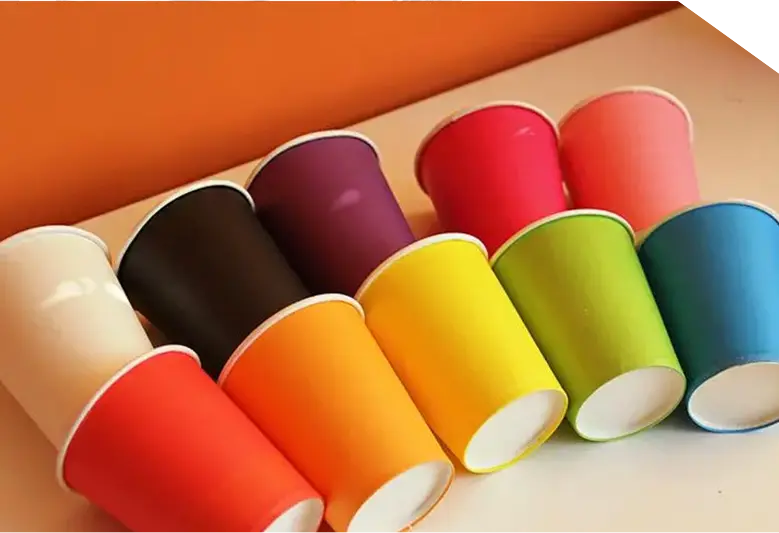
Triangle bowls have three distinct corner points where sealing tension varies. Our machines use a combination of hot air and high-power ultrasonic sealing systems. These systems are managed by a servo controller to ensure consistent pressure and heat application, preventing structural damage and leaks at the corners.
Yes, but this requires changing the tooling molds, bottom-cutting assemblies, and feeding tracks. Our modular design allows operators to complete a full tool changeover within a single working shift.
Our machines process paperboards ranging from 150 gsm to 380 gsm. They support standard single/double PE coatings, as well as eco-friendly barriers like PLA, PBS, and water-based dispersion coatings.
Our machines feature PLC control interfaces with secure, built-in IoT gateway modules. With the operator's permission, our technicians can log in remotely to read error codes, adjust parameters, and diagnose electrical issues.
Once the CAD drawings and packaging samples are approved, our in-house five-axis CNC workshop can produce and test custom forming molds within 20 to 30 working days.
We use multi-stage bottom heaters and pre-folding tools that gradually warm the paperboard and shape the bottom fold. This process prevents fiber fracture and structural damage, even on sharp corners.
 Huan Qiang