Explore our high-performance paper cup, paper bowl, and custom-designed non-round packaging production solutions built on 27 years of dedicated manufacturing experience.
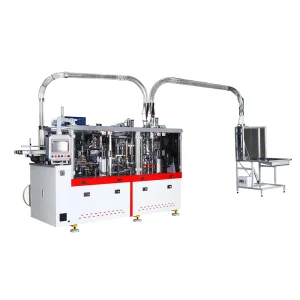
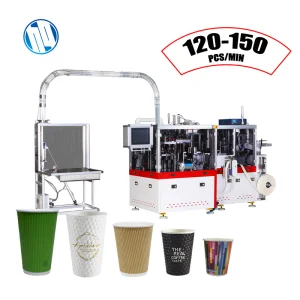
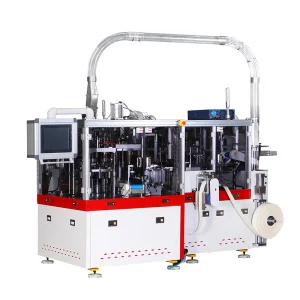
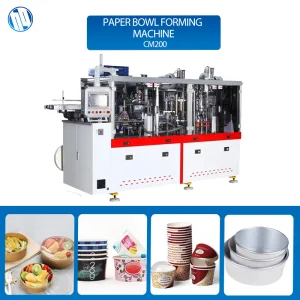
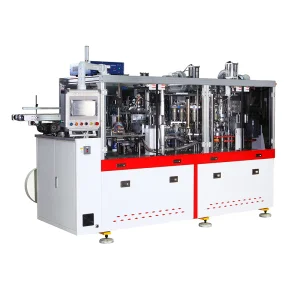
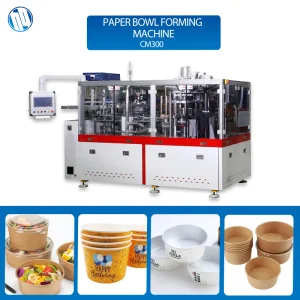
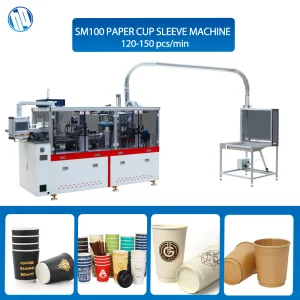
For over 27 years, Huanqiang Machinery (HQ Machinery) has focused on one defining pursuit: making paper container production faster, more stable, and structurally safer for global markets. What began as a dedicated endeavor in manufacturing paper cup machines has transformed into a globally recognized standard in specialized paper container production technology.
Today, our product range includes automated systems for round cups, square cups, special-shaped cups, paper bowls, paper lids, and custom triangle cups. We stand at the forefront of the structural transition in B2B packaging, helping customers secure sustainable market advantages.
Learn About HQ Standards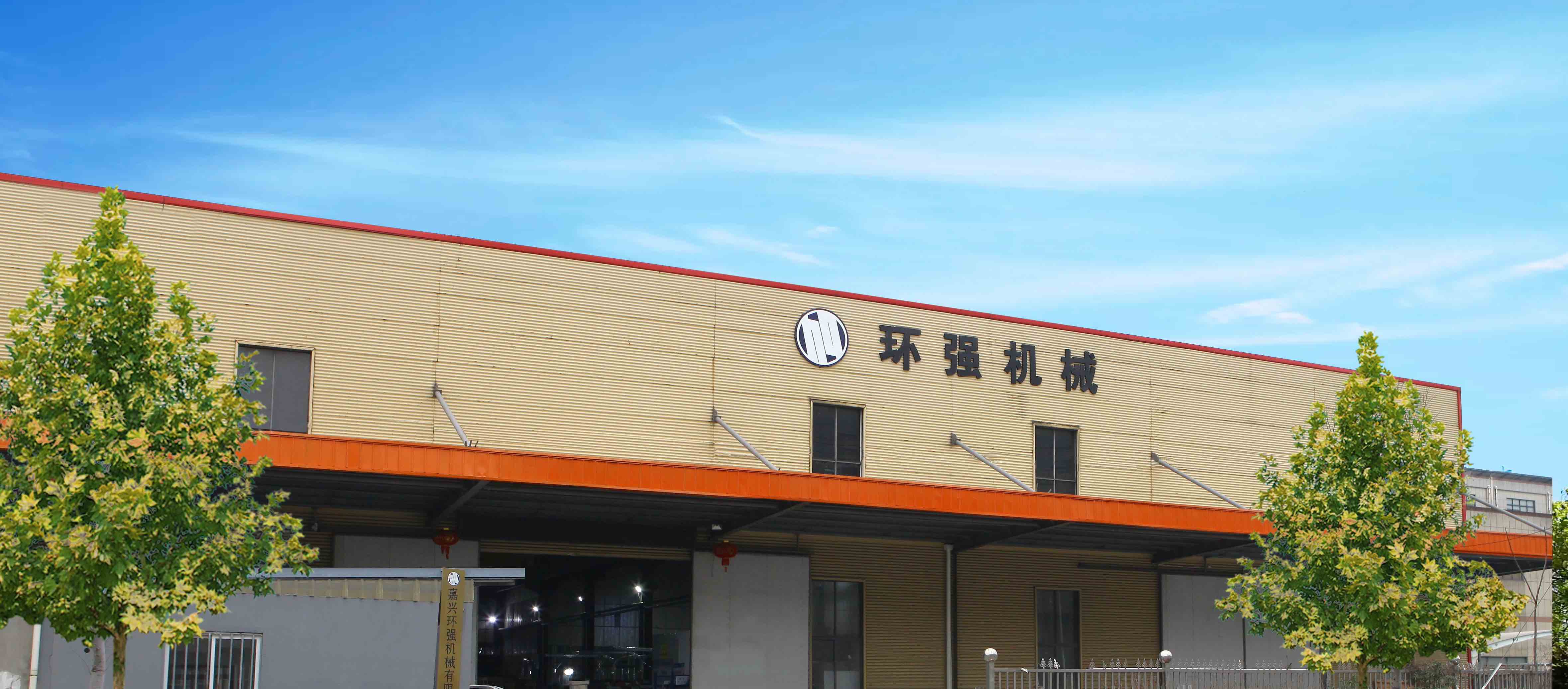
Years of Engineering Focus
Inspection Traceability Nodes
Online Diagnostic Resolution
Custom Solution Deployment
Why Tier-1 Packaging Manufacturers Depend on HQ Machinery’s Industrial Ecosystem
Led by a senior engineering board with decades of design experience, we operate an independent R&D facility with complete intellectual property control. Our annual R&D reinvestment rates regularly exceed industry averages, driving breakthroughs in modular layouts, multi-axis servo sync, inline quality testing, and remote machine diagnostics.
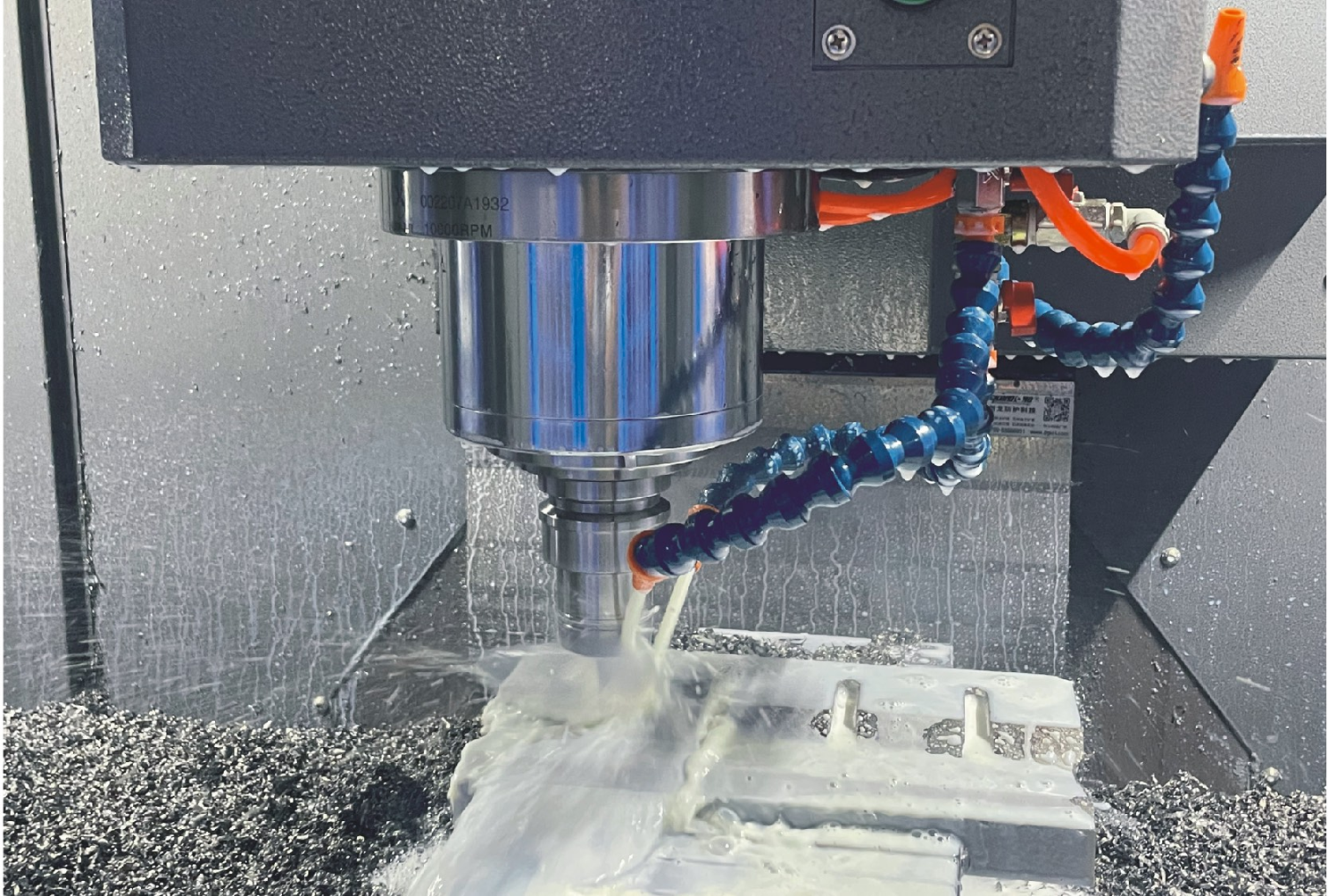
Our strict quality tracking involves over 200 verification checkpoints from raw steel plates to final shipment. Operating CNC 5-axis machining systems imported from Germany and running 24/7 continuous stress testing protocols guarantees that machines arrive at your facility optimized and ready for immediate operation.
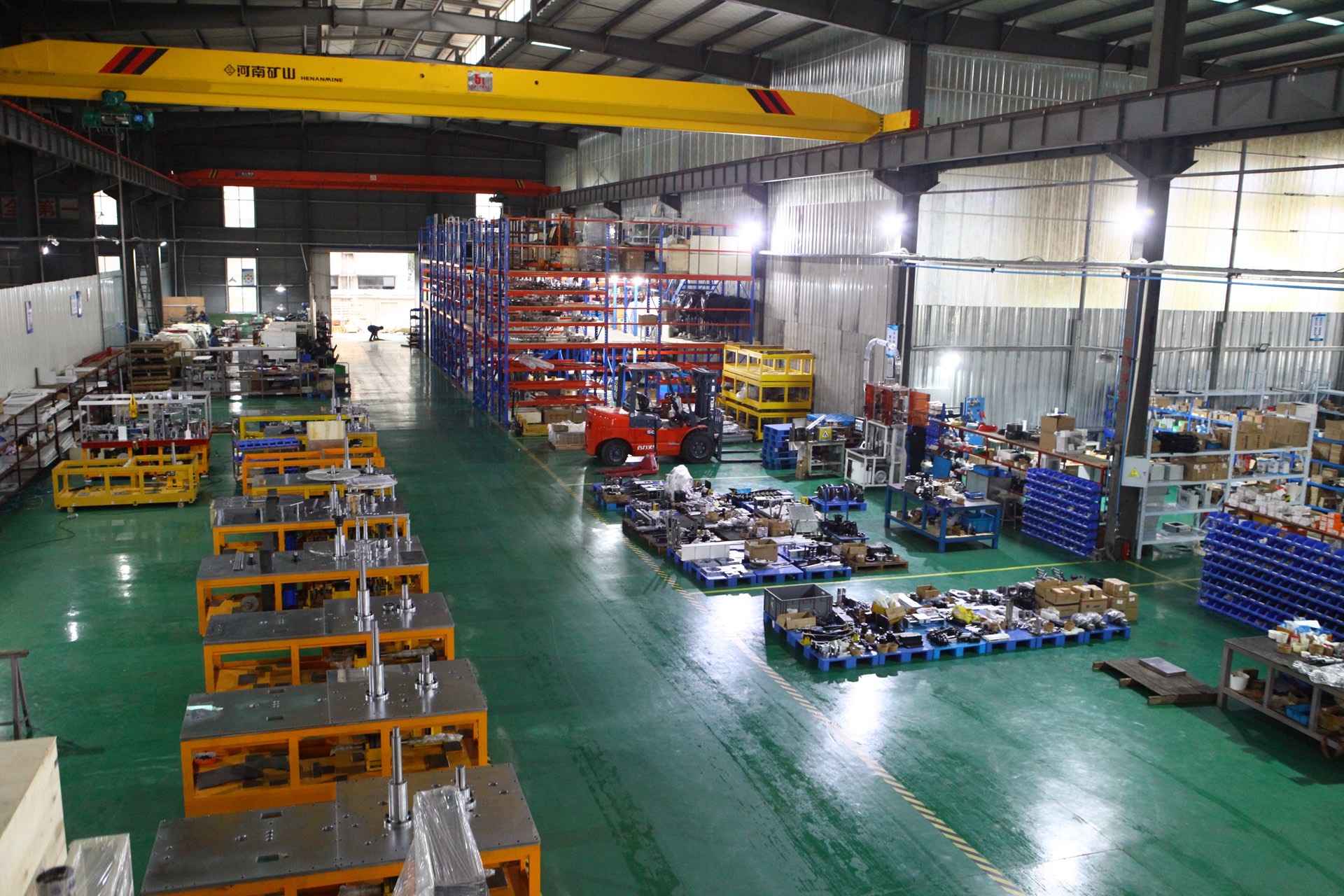
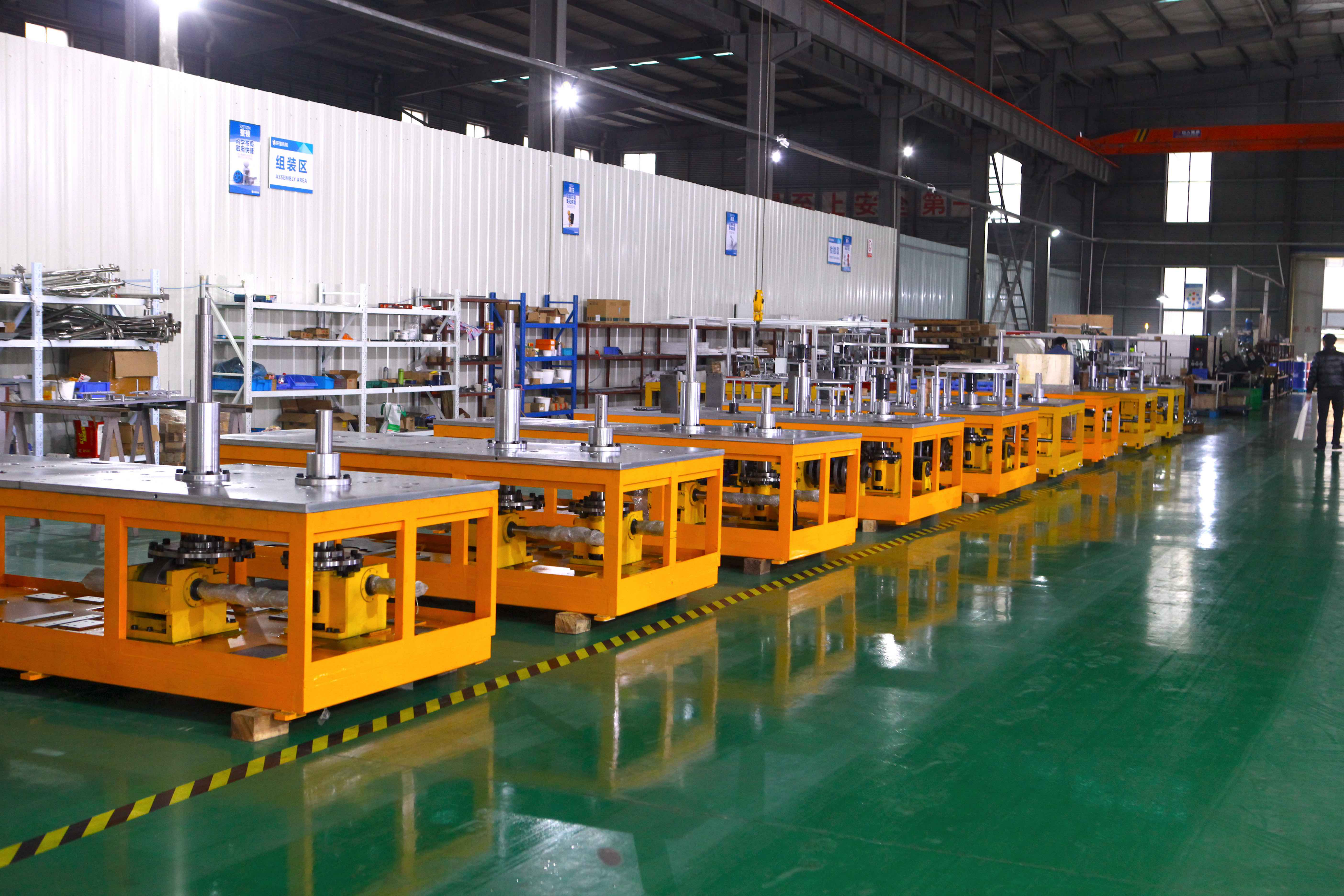
We execute structural sheet metal manufacturing, high-precision machining, and component assembly entirely under our own roof. Eliminating third-party reliance translates to cost control, shorter production timelines, and the ability to process custom orders in as little as 48 hours.
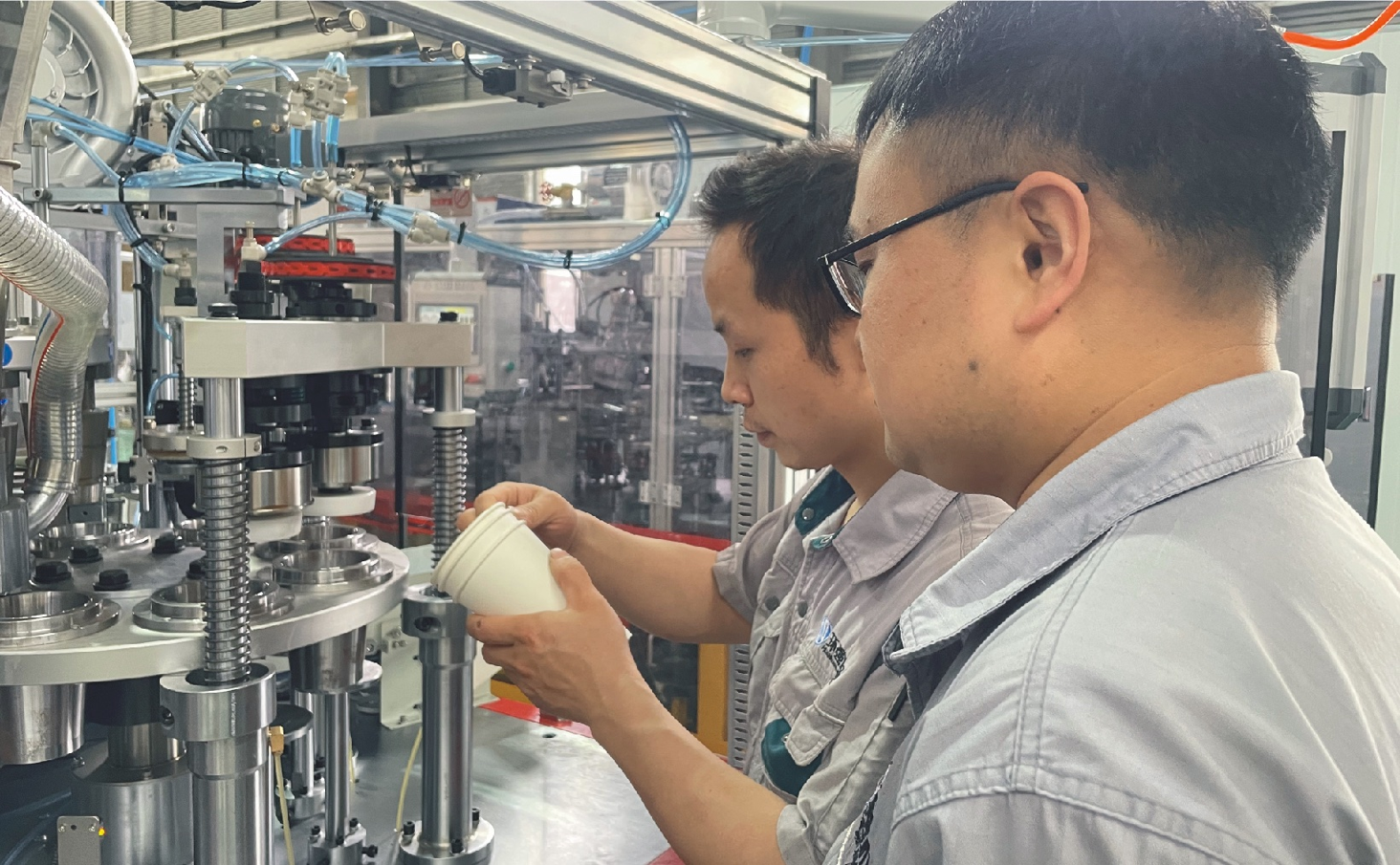
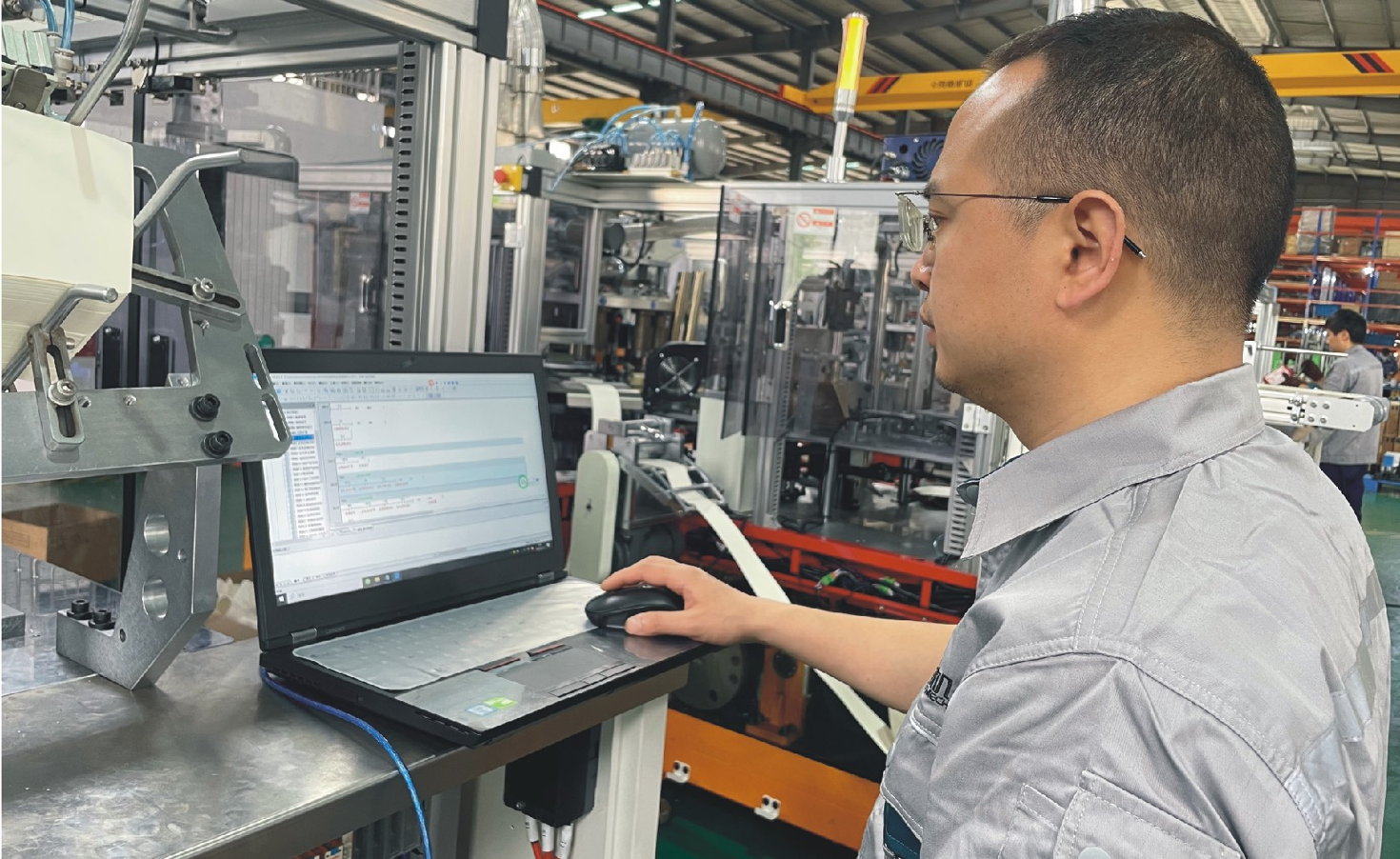
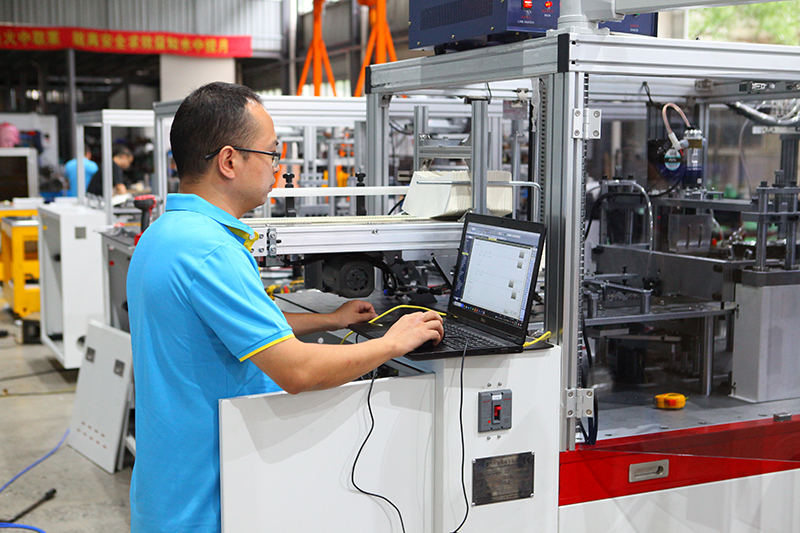
Our comprehensive client support encompasses initial consultation, machine tuning, on-site setup, and quick-response aftersales support. Over 90% of basic troubleshooting is resolved online using our remote network connection tools, keeping downtime to a minimum.
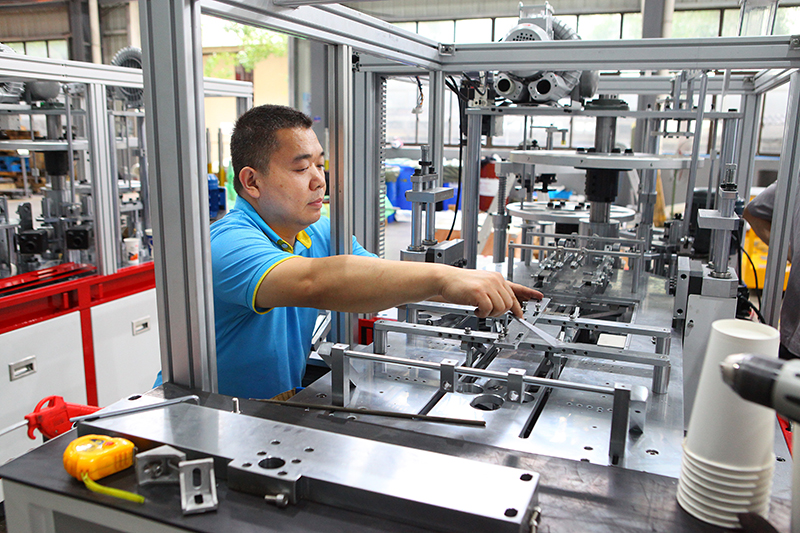
Since our founding, HQ Machinery has been driven by a commitment to build a culture of quality, precision, and engineering excellence. We believe in providing robust machinery and high-precision processing tools that resolve actual production floor challenges.
Our commitments to partners worldwide:
A Deep-Dive into the Evolution, Engineering, and Global Demands of Special-Shaped and Triangle Cup Packaging
Modern consumers and consumer packaged goods (CPG) brands are looking beyond standard cylindrical cups. Special-shaped paper containers, including triangle cups, square-to-round designs, Desto cups (composite paper-plastic structures), and double-wall insulated sleeves, have become highly effective branding tools. Their flat, flat-angled, or triangular sides provide better grip and larger areas for high-resolution graphics and product messaging. Additionally, specialized geometries allow for more efficient nesting and shipping configurations, reducing logistics space requirements compared to traditional round packaging.
To produce these complex shapes reliably at scale, manufacturers require machinery capable of handling asymmetric folding and tight sealing tolerances. HQ Machinery addresses these needs by combining precise mechanical indexing with advanced hot-air or ultrasonic heating technologies. This ensures that every seam on a non-round container remains clean and leak-proof.
Forming a standard round cup relies on uniform, radial force distribution. When you transition to a triangular, non-round, or asymmetric cup, the material behaves differently: uneven paper tension, varying fold resistance at tight corners, and inconsistent seam pressure. Traditional cup-making equipment often struggles with these physical stresses, resulting in split corners, crinkled rims, and weak bottom seals.
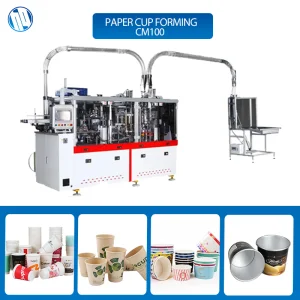
HQ Machinery's FCM200 and CM100 series address these structural challenges directly:
With global plastic reduction policies tightening, B2B buyers must ensure their machinery can process new, sustainable barrier options. Modern production lines must handle more than just standard Single/Double PE coated paperboard. They need to run barrier options like PLA (Polylactic Acid), PBS (Polybutylene Succinate), water-based dispersions, and plastic-free compostable boards.
These eco-friendly coatings can be heat-sensitive and have narrower processing windows. HQ Machinery's thermal management systems and programmable sealing cycles allow operators to adjust temperature profiles dynamically. This ensures secure sealing without blistering or degradation, regardless of the barrier material being run.
Procuring industrial equipment requires looking beyond the initial purchase price. Large-scale converters assess manufacturers against a strict set of operational criteria:
| Procurement Factor | Standard Industry Capability | HQ Machinery Solution |
|---|---|---|
| Production Speed & Stability | 60-80 cups/min with occasional stop-starts. | Up to 100+ ppm continuous speed, managed by multi-servo synchronisation. |
| Changeover Time (Tooling) | 12 to 24 hours requiring specialized mechanics. | Modular mold quick-lock design, reducing tooling changes to under 4-6 hours. |
| Quality Inspection | Manual sorting or basic post-process checks. | Integrated Vision System for real-time detection and automatic ejection. |
| Sealing Technology | Basic thermal heaters, prone to leakage. | Ultrasonic and localized hot-air sealing, optimized for non-round corners. |
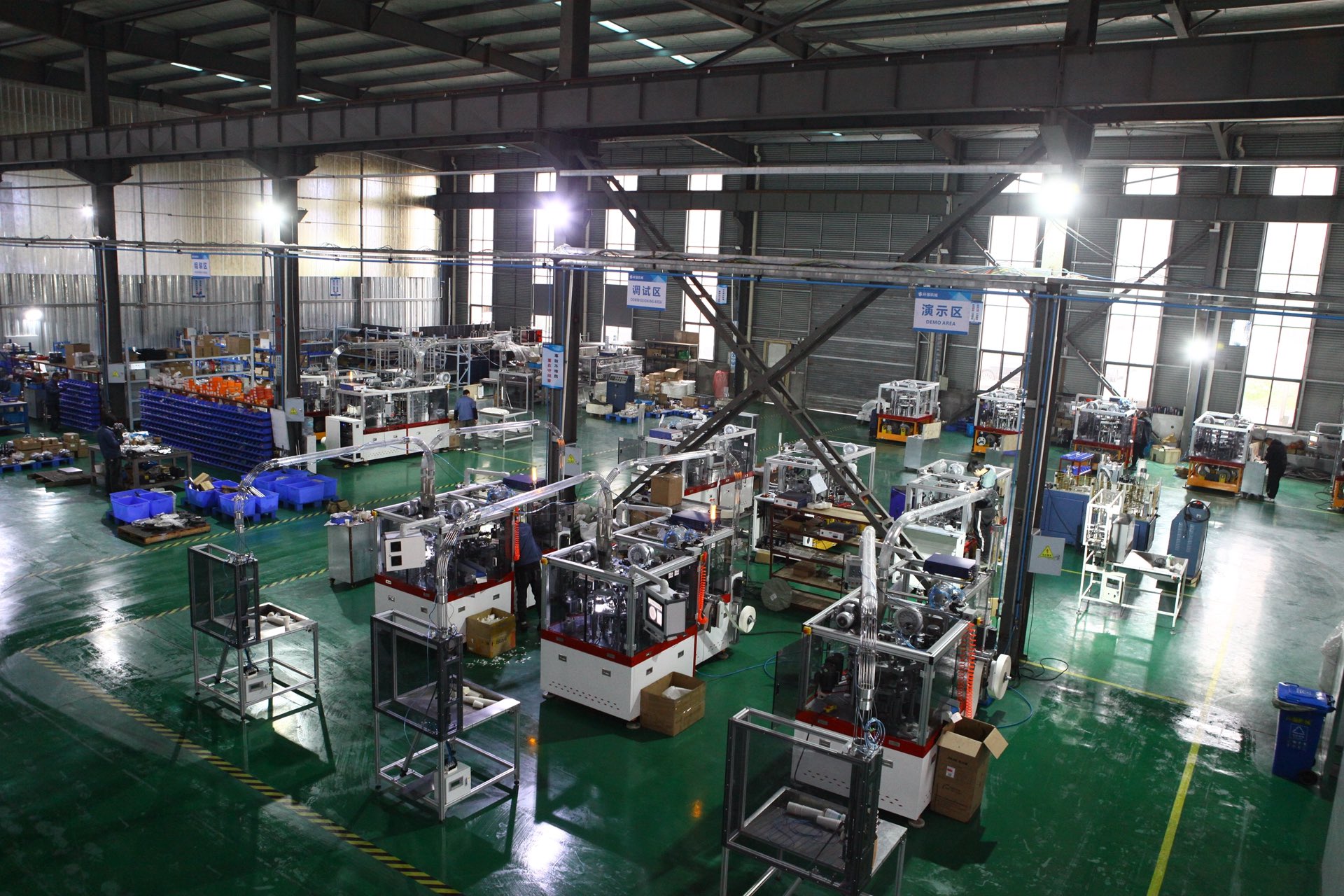
In-house manufacturing systems, high-speed assembly bays, and specialized tooling modules.
Developing Smart, Resource-Efficient, and Sustainable Forming Machinery for the Next Generation
Our upcoming generation of forming lines features enhanced IoT connectivity. Operating parameters, temperature fluctuations, and pneumatic pressure metrics are continuously sent to local processing hubs, enabling predictive maintenance schedules and reducing unexpected downtime.
By optimizing hot-air heater placement and using energy-recovery vacuum systems, we aim to lower energy use per container. Future designs will focus on maximizing heating efficiency, directly lowering operating costs for high-capacity facilities.
To support high-mix, low-volume packaging lines, we are developing modular tooling setups. These assemblies will allow quick switches between round, square, and triangular formats with minimal readjustments, significantly reducing downtime.
A leading European dairy processor wanted to replace plastic yogurt cups with plastic-free, triangle-round paper containers. Standard forming machinery struggled to wrap and seal the complex corners, resulting in structural defects at high speeds.
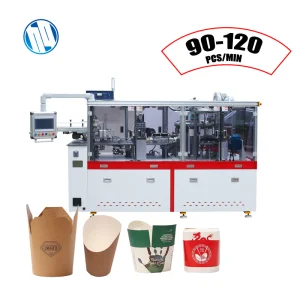
Our approach: We worked closely with their product design team, providing sample testing and custom mold designs. By deploying the FCM200 non-round container forming machine configured with localized hot-air sealing, we achieved a stable speed of 90 cups per minute.
This solution met the client's strict leak-testing standards and allowed them to launch their new eco-friendly product line on schedule.
Technical guidance and answers to common operational questions regarding high-speed and special-shaped container production.
No, standard paper cup machines are designed for symmetrical, radial pressure distribution. Forming triangle or non-round cups requires asymmetric mechanical motions, specialized index-drive configurations, and localized sealing tools to handle uneven stress on the paperboard. Producing non-round shapes reliably requires dedicated forming systems like the FCM200 series.
Our machines are built to run standard Single/Double PE coated paperboard as well as sustainable alternatives like PLA, PBS, and water-based dispersion barriers. The temperature control systems on our machines can be adjusted to match the specific sealing windows of these eco-friendly coatings.
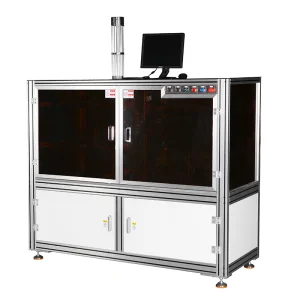
Our high-speed visual inspection system sits inline to monitor every cup for common defects like bottom creases, side-seam gaps, and structural spots. Defective containers are automatically flagged and rejected by a pneumatic blast before packing, preventing bad cups from reaching packaging lines and reducing hand-sorting labor.
Thanks to our quick-locking mold designs, a standard container size change takes between 4 to 8 hours. Complex changes involving adjustments to both height and geometry may take longer, but our modular assemblies are designed to keep downtime to a minimum.
With the machine connected to our secure remote support platform, our engineering team can view PLC inputs, diagnostic codes, and operation parameters in real time. This allows us to resolve minor setup issues and software adjustments online, bypassing the delay of sending field technicians.
Browse our machinery solutions for paper bowls, tall containers, and insulated sleeves, and find the right fit for your production needs.
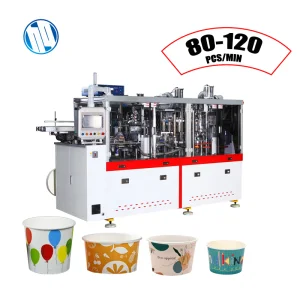
 Huan Qiang