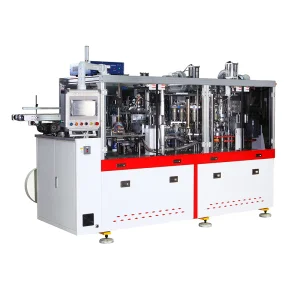
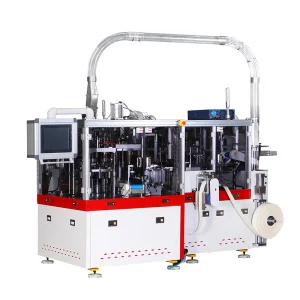
Explore our top-tier forming systems designed for precision, reliability, and maximum OEE in industrial beverage packaging operations.
The global packaging sector is undergoing an unprecedented paradigm shift. Driven by international legislative pressures, such as the EU Single-Use Plastics Directive and regional plastic consumption bans in the Americas and Asia-Pacific, packaging manufacturers are aggressively transitioning away from polystyrene and plastic-lined containers. The primary technological enabler of this shift is the deployment of high-efficiency paper container forming machinery.
Historically, paper cup machines were limited to mechanical index systems running at moderate speeds of 50 to 80 cups per minute. These traditional systems relied heavily on basic chain transmissions and open gears, leading to frequent maintenance intervals, significant lubricant consumption, and higher scrap rates. Modern operations require a leap forward in mechatronic synchronization: combining mechanical precision with state-of-the-art servo control systems.
Additionally, modern machinery must handle a wide variety of base raw materials. Beyond standard single and double Polyethylene (PE) coated paperboard, modern manufacturing demands compatibility with biodegradable coatings like Polylactic Acid (PLA), Polybutylene Succinate (PBS), and innovative water-based dispersion barrier coatings (aqueous-coated paperboard). These new barrier layers exhibit different heat-sealing thresholds, requiring precise temperature modulation and specialized ultrasonic sealing configurations to eliminate leakage issues.
A detailed look at the core differences in machine configuration, speed outputs, and application types across the industry.
| Equipment Category | Typical Output Speed | Ideal Raw Material Compatibility | Key Sealing Tech | Primary Industrial Use Case |
|---|---|---|---|---|
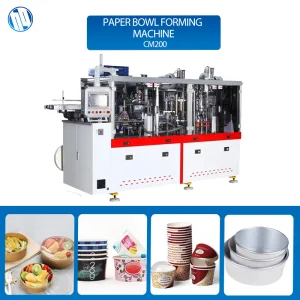
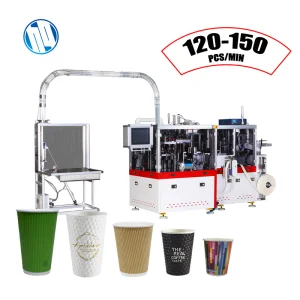
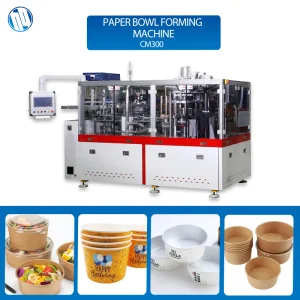
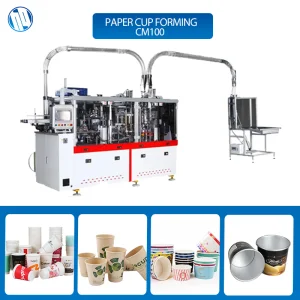
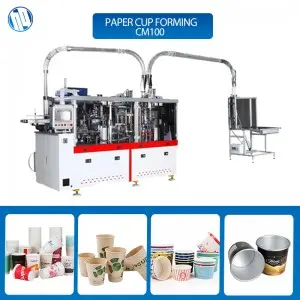
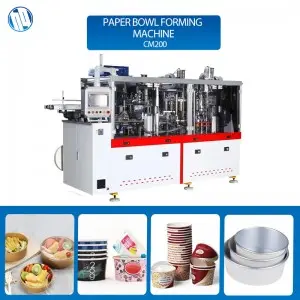
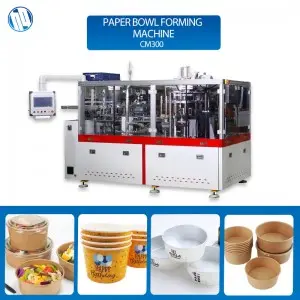
| CM Series (Standard Bowl/Cup) | 100 - 150 pcs/min | PE, Double PE, PLA Coated Board | Hot Air & Ultrasonic | Quick Service Food, Coffee, Retail Bowls |
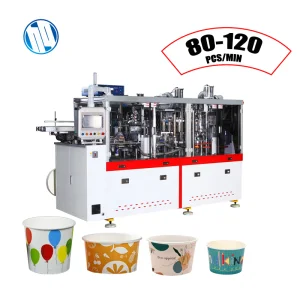
| HCM Series (Super Tall / Large Volume) | 80 - 120 pcs/min | Single/Double PE, Bio-Polymer Layers | High-Performance Ultrasonic | Heavy-Duty Soups, Extra-Large Tall Cups |
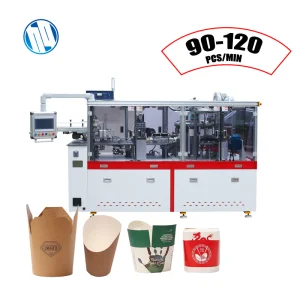
| FCM Series (Non-Round Forming) | 70 - 100 pcs/min | PE, Barrier-Free Aqueous Board | Multi-Point Heating & Ultrasonic | Take-Away Rectangular/Square Containers |
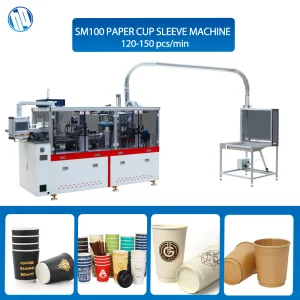
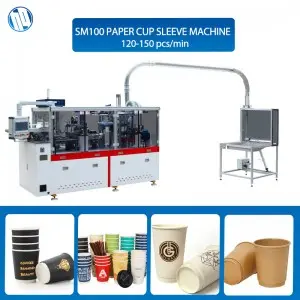
| SM Series (Sleeve/Double Wall) | 100 - 120 pcs/min | Plain Board, Embossed/Ripple Outer Shells | Cold Glue / Hot-Melt Adhesive Systems | Insulated Coffee Cups, Premium Packaging |
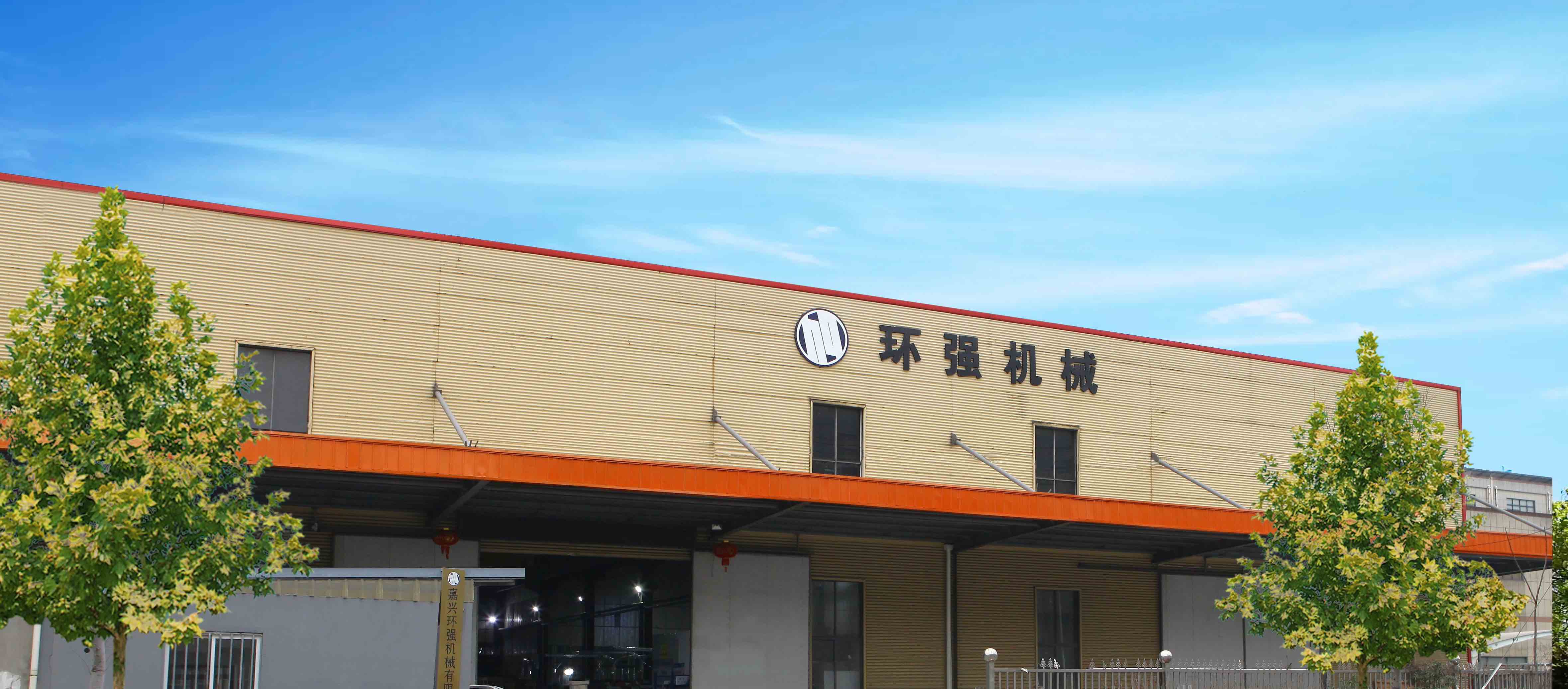
A Chinese Manufacturing Expert with 27 Years of Focus on Paper Cup Forming Equipment
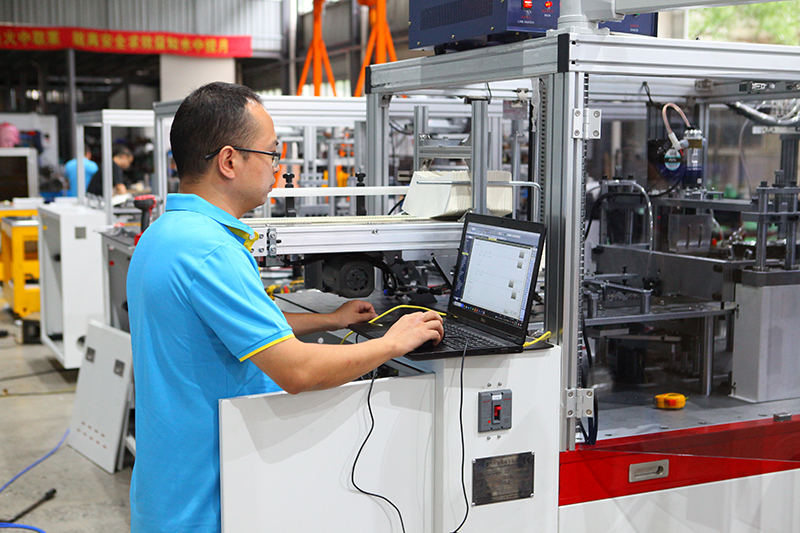
For 27 years, we've focused on one thing: making paper cups faster, more stable, and safer for the world.
From our first paper cup machine to our current comprehensive intelligent production lines covering round cups, square cups, special-shaped cups, paper bowls, and paper lids, Huanqiang Machinery has consistently driven innovation and prioritized quality, providing one-stop paper container solutions for customers worldwide.
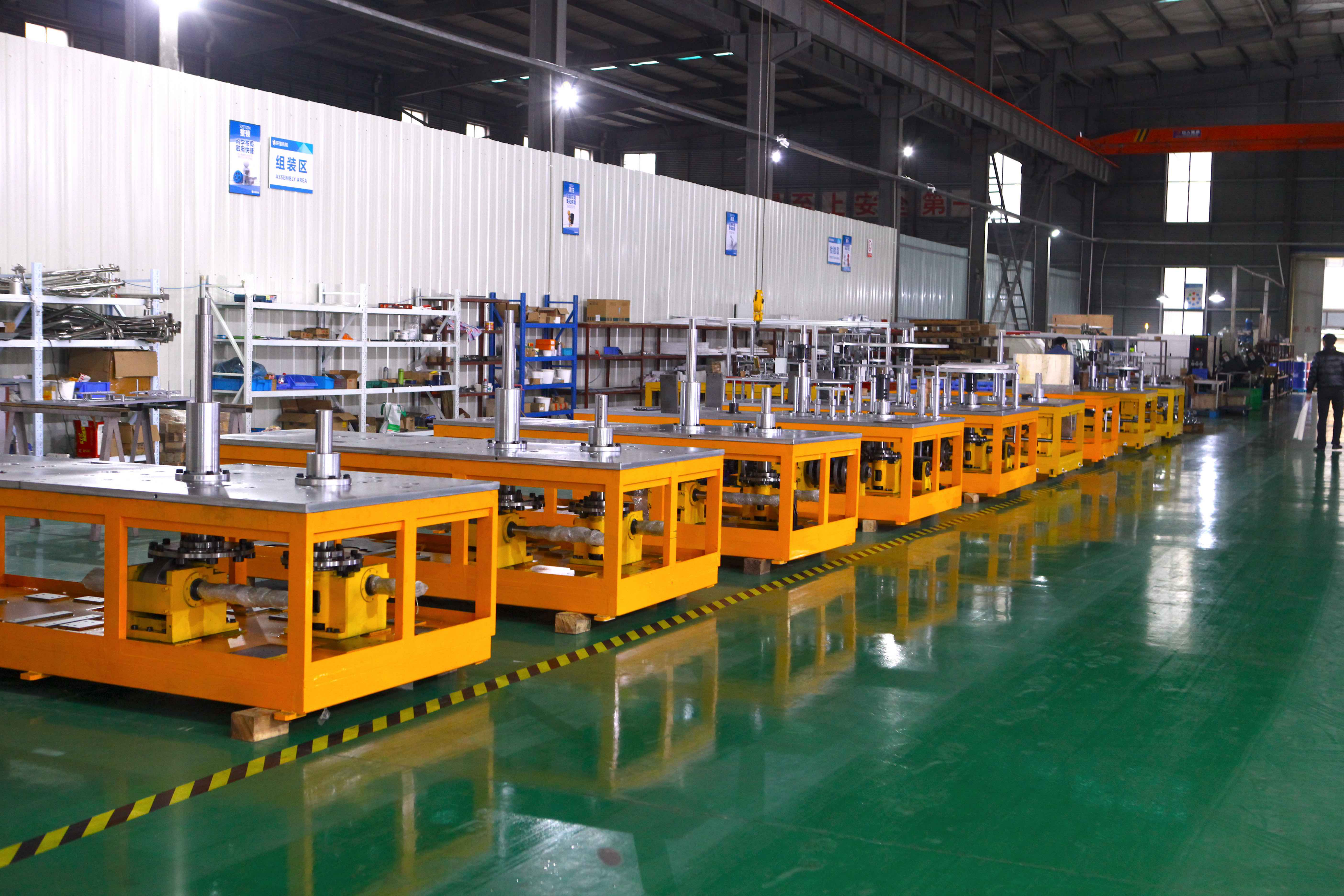
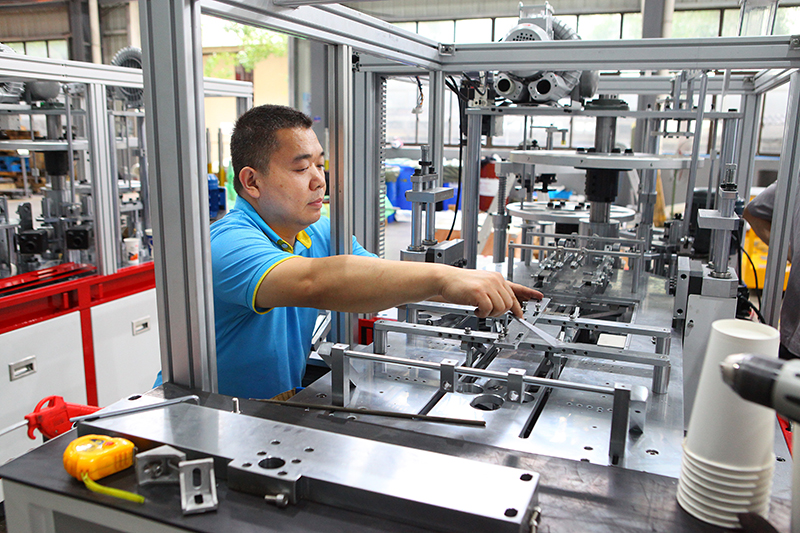
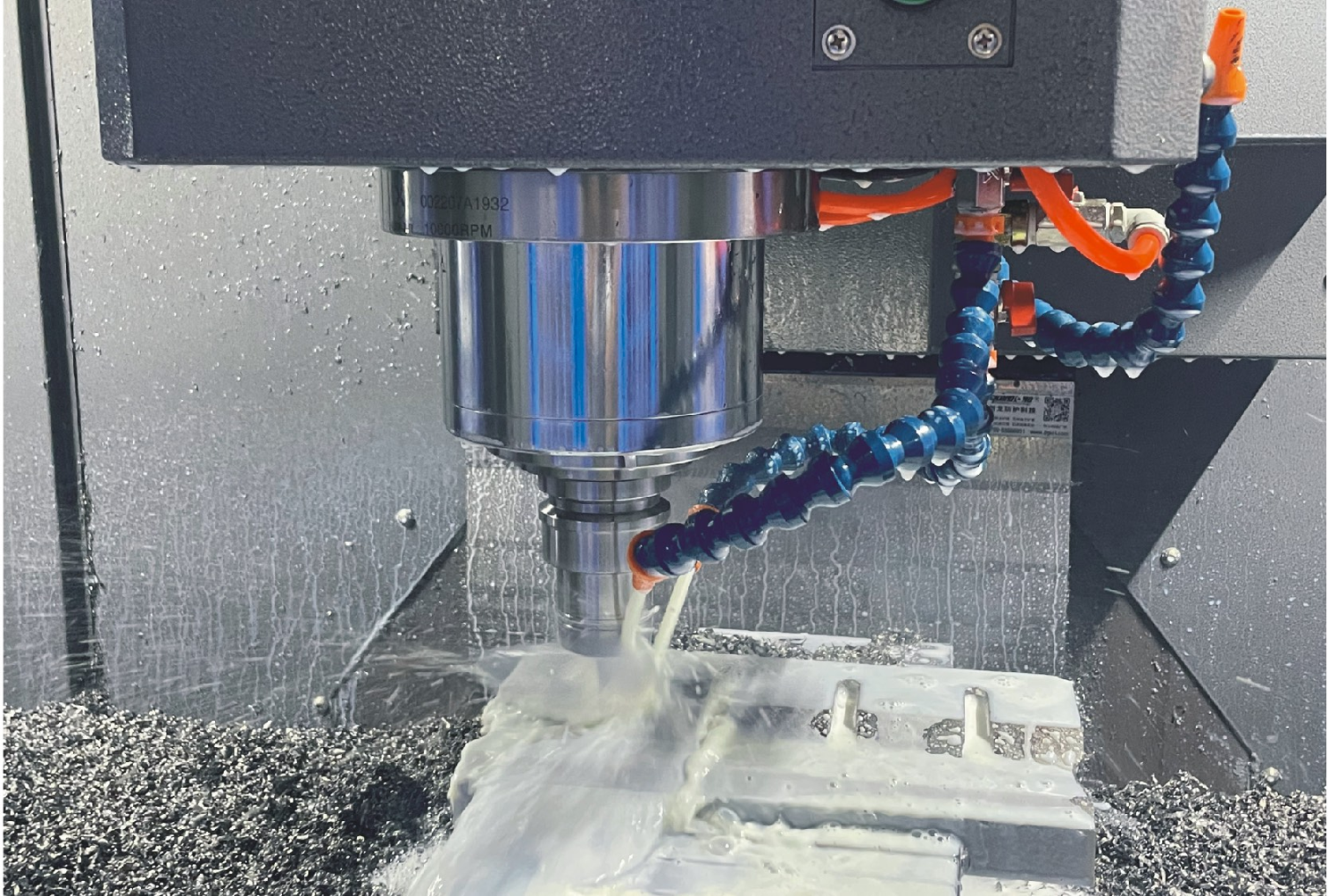
Huan Qiang team has been engaged in quality paper cup machinery manufacturing in China for decades. Quality comes first. We set up our own CNC parts process center to produce most of the mechanical and tool parts by ourselves for better quality control. Skilled technical staff are well trained to get machine assembling and adjustment process and precision well controlled.
Our accumulated technologies and experience guarantee the stability and efficiency of machines at a very competitive price. HQ philosophy is that After-sale Service is an important part of the complete package that we offer and should be part of the on-going relationship after purchase.
How we maintain standard-setting quality, flexibility, and fast global delivery pipelines.
Led by experienced engineers with decades of industry experience, we have an independent R&D center and complete intellectual property rights. Our annual R&D investment consistently exceeds the industry average. We've pioneered cutting-edge technologies such as modularization, servo control, online testing, and remote operation and maintenance, making equipment upgrades as easy as updating software.
27 years of experience have honed our stringent "HQ Standards": From raw materials to finished products, over 200 inspection nodes are fully traceable. Our standardized production workshops, imported German five-axis machining centers, and 24/7 fatigue testing platforms ensure that every machine reaches production with zero run-in at the customer's site.
From sheet metal processing and machining to final assembly, we complete everything in-house, eliminating intermediate steps. This ensures competitive pricing and on-time delivery. Our flexible production line can accommodate custom orders within 48 hours. Our remote diagnostic systems resolve 90% of faults online instantly.
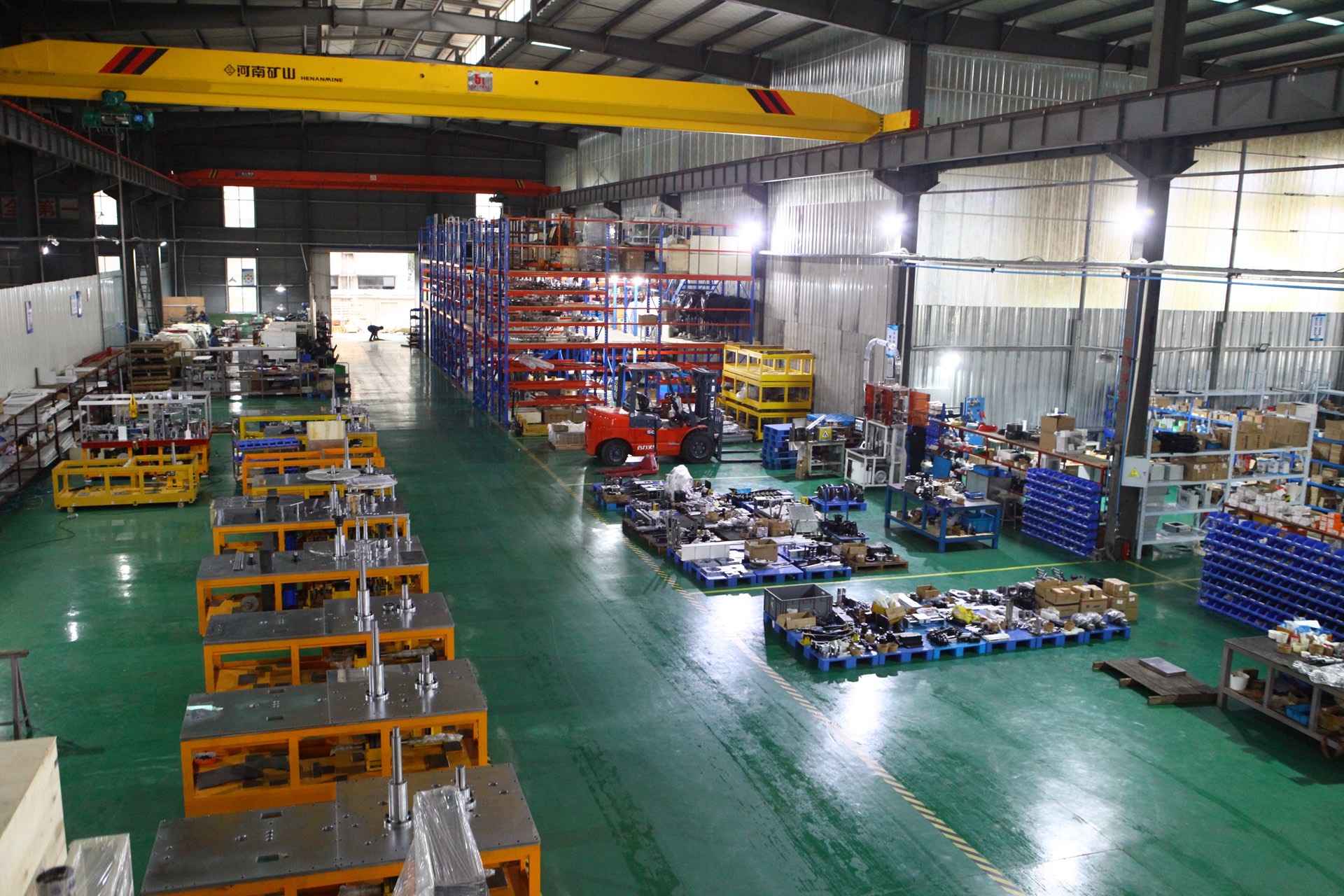
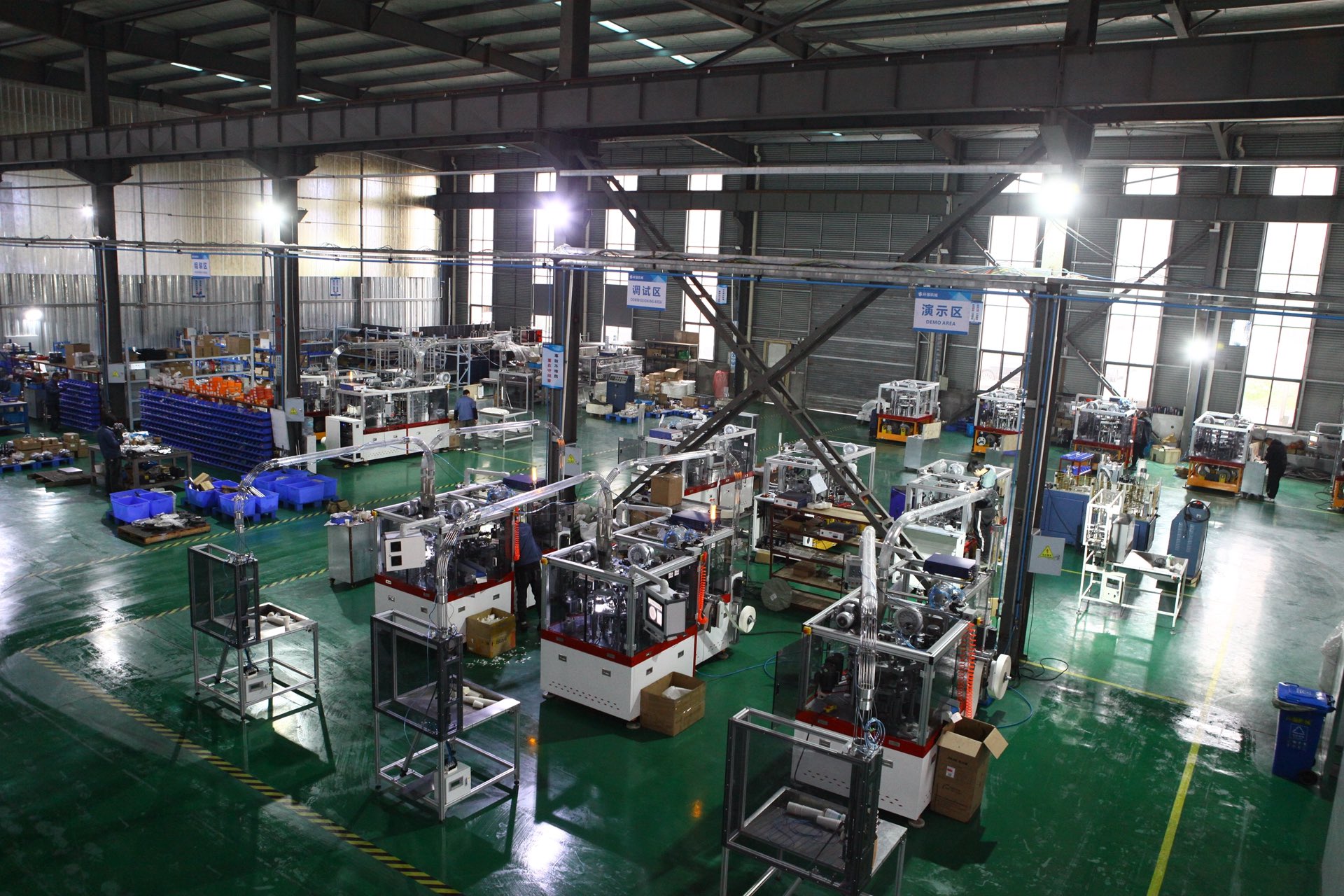
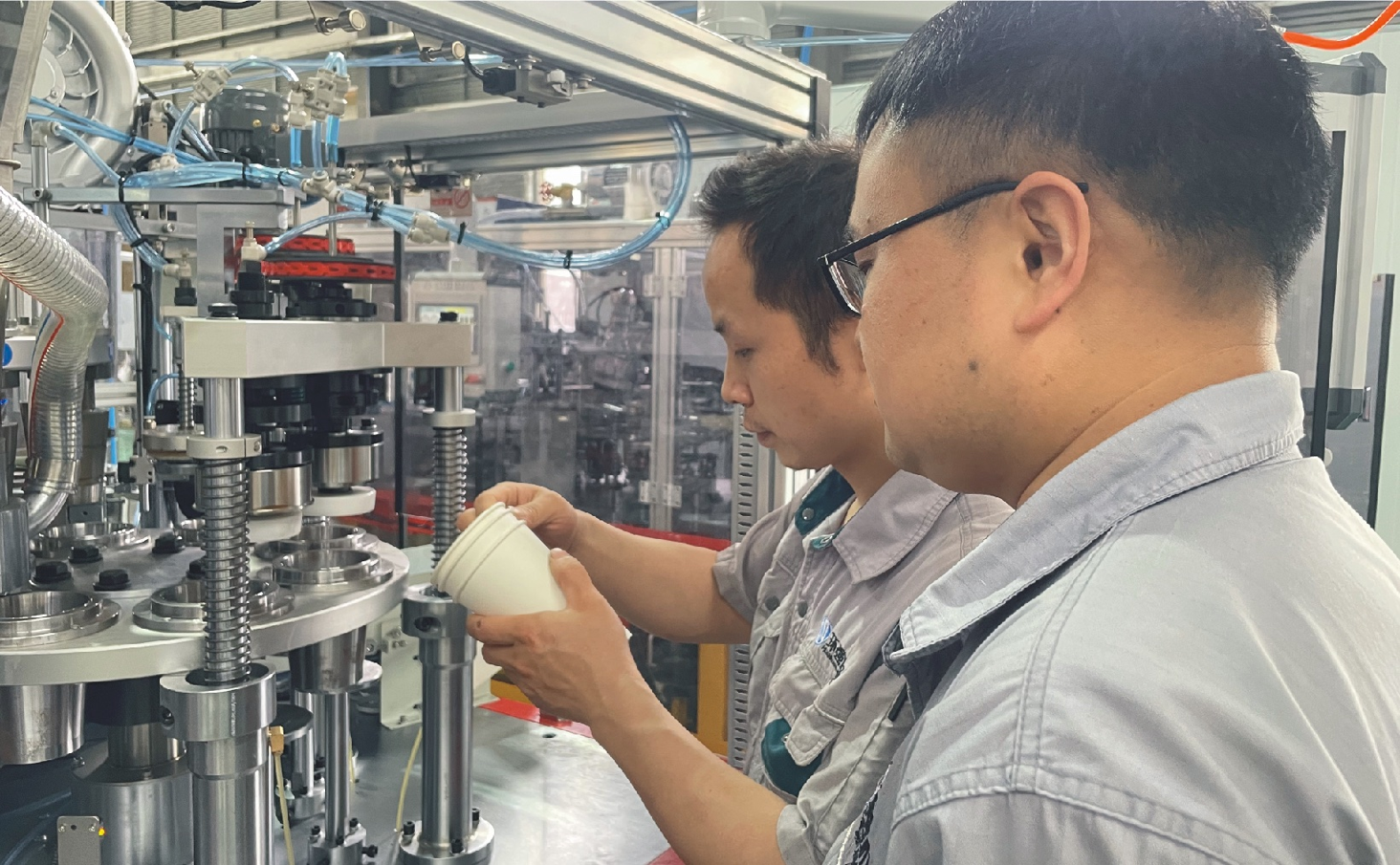
From the beginning, the company was focused on developing a culture of quality, innovation, and excellence. We live by our Core Values – Precision, Innovation, and Passion for engineering. They guide how we treat each other, our customers, and how we tackle our work. With strong Core Values and a higher Purpose, our company performs better.
We stand for, and pride ourselves on:
Innovation and exploration into sustainable packaging is a top priority for us. HQ team is committed to meet your requirements as well as help you to create new market. One of our goals is to develop alternatives to replace traditional, non-renewable, or non-recyclable packaging to meet the needs of today's industry.

Premium series forming systems optimized for dual-wall insulating sleeve forming and complex, non-round take-away containers.
How industrial internet of things (IIoT) and visual AI systems are reshaping plant floors.
Traditional machines use complex mechanical links which wear over time and degrade accuracy. By replacing high-wear cams with multi-axis synchronized servo drives, modern machines achieve modular controls. This shift permits independent adjustments to bottom-feeding, knurling depth, and rimming pressures, cutting changeover downtime from several hours to under 30 minutes.
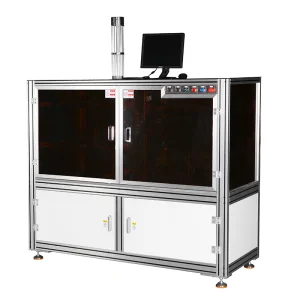
For high-capacity buyers supplying multinational QSR brands, even a 0.1% defect rate can cause significant operational headaches. Connecting a specialized Visual System Cup Inspection Machine to the line enables real-time, 360-degree inspection of every cup. Advanced CCD sensors scan for oil spots, bottom pinholes, deformed lips, and insects. Any defective unit is automatically rejected via compressed air before reaching the packaging module.
As water-based barrier coatings and bio-polymers gain market share, thermal sealing parameters require tighter control. New sealing designs utilize multi-stage hot air heating and high-frequency ultrasonic horns. These components dynamically adjust energy output based on line speed, ensuring leak-free bottoms and side seams without compromising material integrity.
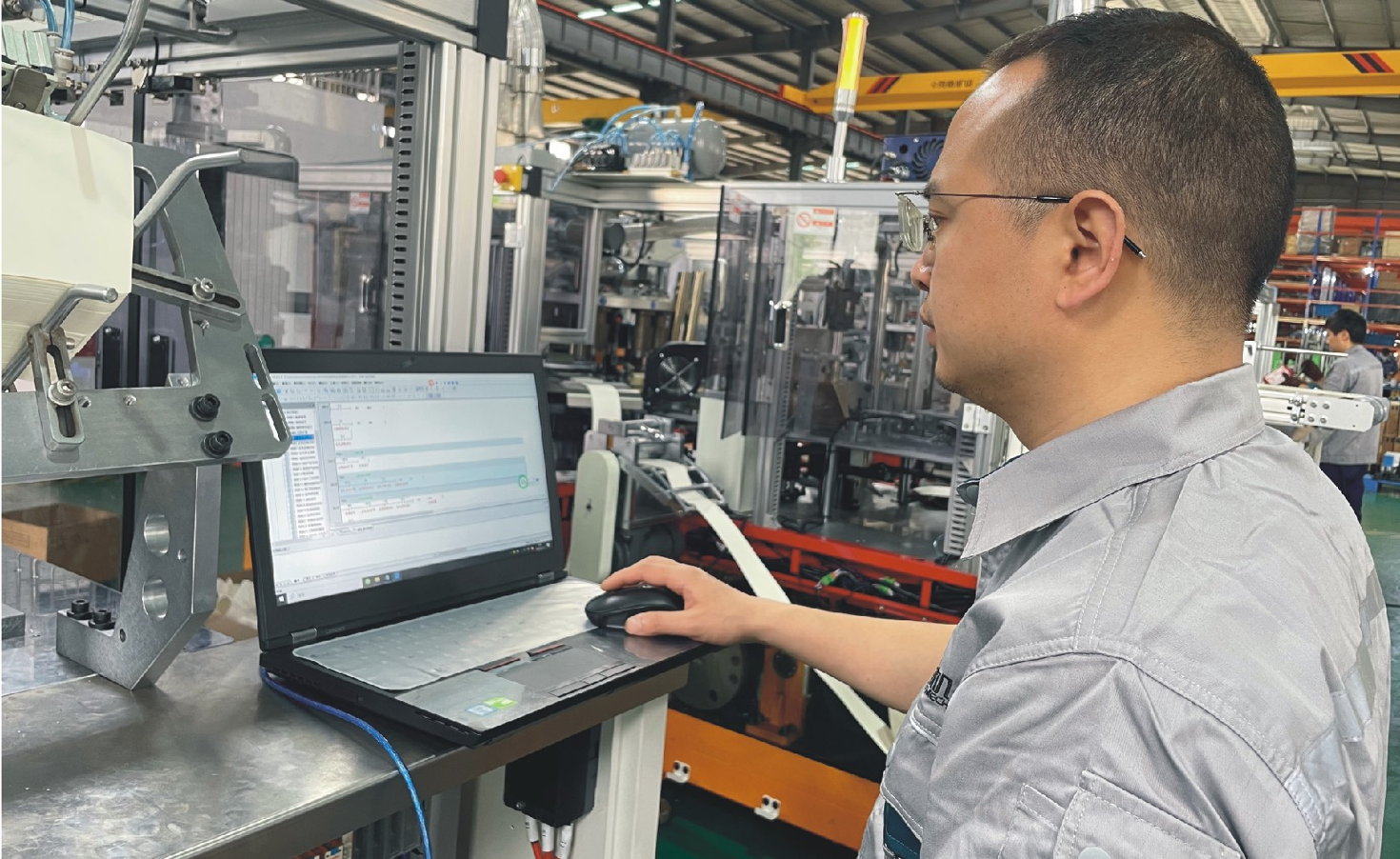
Operational stability depends on rapid troubleshooting. HQ Machinery integrates Ethernet-connected PLCs across our equipment line. Remote support technicians can monitor torque profiles, heater temperatures, and valve response times from thousands of miles away. Over 90% of timing issues can be resolved via remote updates, preventing costly downtime.
Answering crucial engineering, operational, and procurement questions for production directors.
From single-wall espresso cup makers to heavy-duty noodle bowl machines, find the right solution for your production floor.
 Huan Qiang