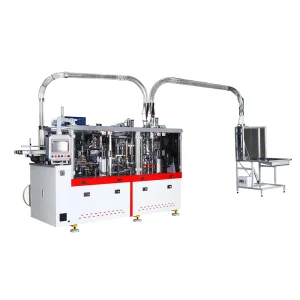
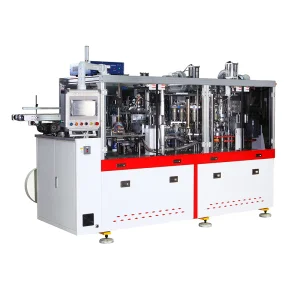
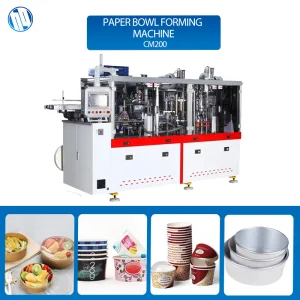
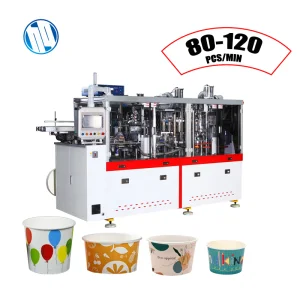
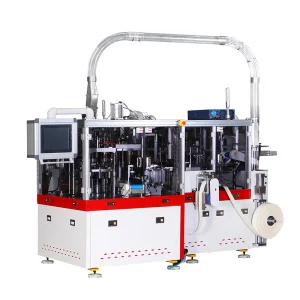
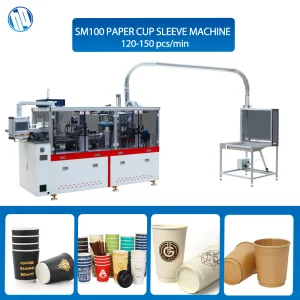
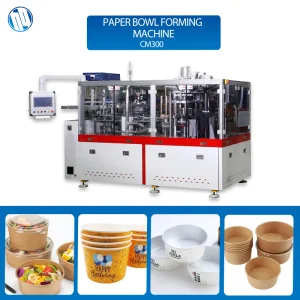
Discover our signature line of modular, small-footprint, high-performance paper cup and paper container machinery designed for continuous manufacturing excellence.
The packaging landscape is undergoing a systemic transition driven by environmental imperatives, shifting consumer preferences, and rigorous global regulation targeting single-use plastics. For instance, the European Union's Single-Use Plastics Directive (SUPD) and matching mandates in North America and Asia have forced immediate changes on quick-service food chains and catering operators. In this regulatory environment, paper containers are no longer just an alternative—they are the baseline standard.
However, manufacturing setups face significant challenges: high factory floor rental costs, high energy tariffs, and the need for localized production lines. This is why manufacturers are turning to small-footprint, modular paper cup machinery. Rather than dedicating immense facilities to heavy, rigid machines with slow changeovers, manufacturers now favor agile, high-speed machines that can quickly pivot to different shapes and sizes right where the cups are needed.
HQ Machinery meets this demand directly. Our design philosophy integrates compact chassis layouts with advanced servo-driven automation. This enables regional factories, co-packers, and local distributors to establish high-output production units without high infrastructure costs.
Understanding the engineering decisions that differentiate high-end manufacturing systems from conventional, low-speed alternatives.
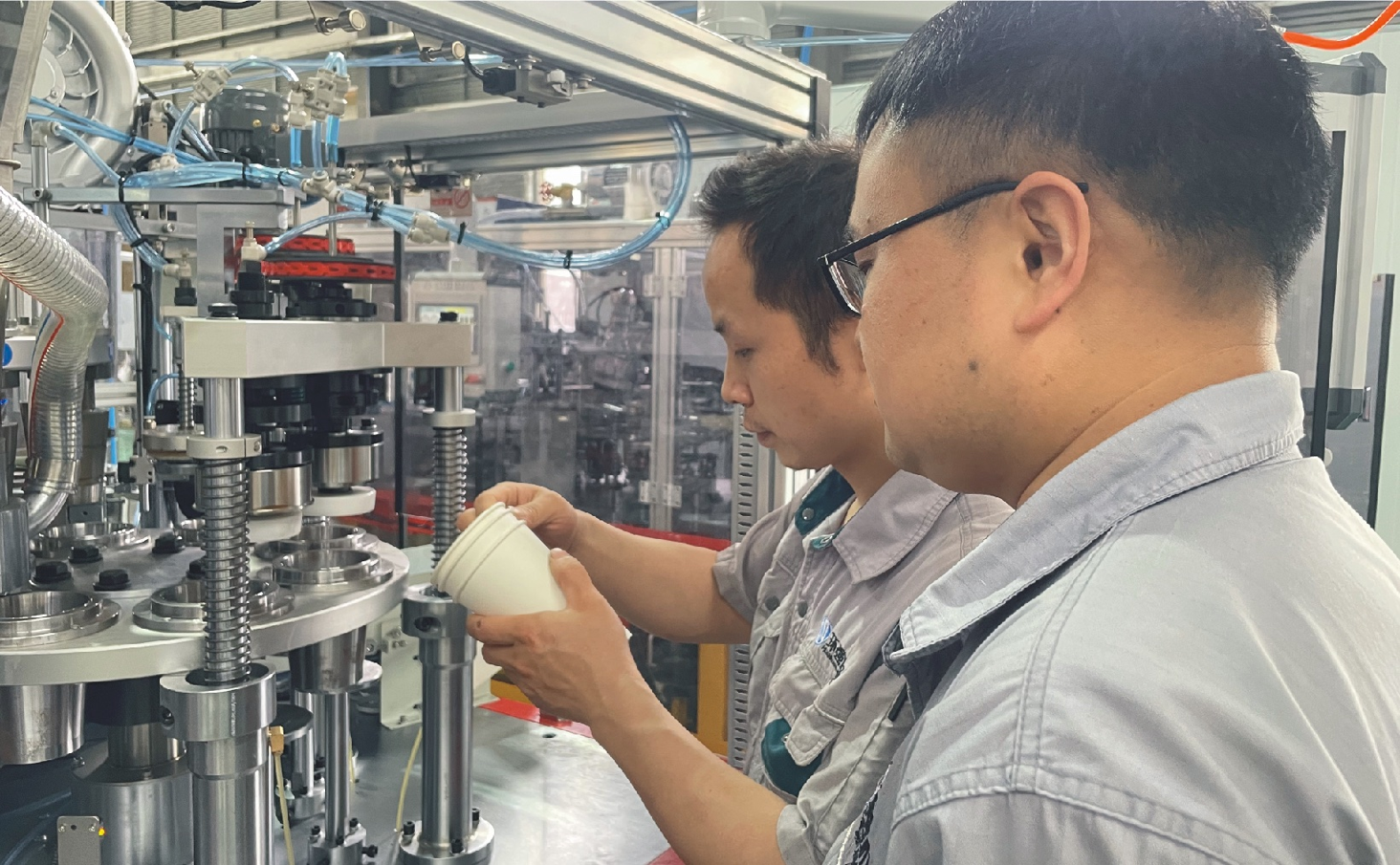
Replacing traditional chain-drive mechanisms with precision cylindrical indexing cam drives ensures long-term positional accuracy. This minimizes mechanical backlash, and reduces maintenance downtimes from chain stretching.
Our sealing processes utilize dual-stage ultrasonic side-seam units paired with highly controllable hot-air systems for the bottom rim. This guarantees clean joints on both PE-coated board and modern biodegradable dispersion barriers.
With a footprint under 4.5 square meters, our small forming machines deliver high output per unit area. This allows operators to place machines closer to logistics bays or packing stations, reducing material transport.
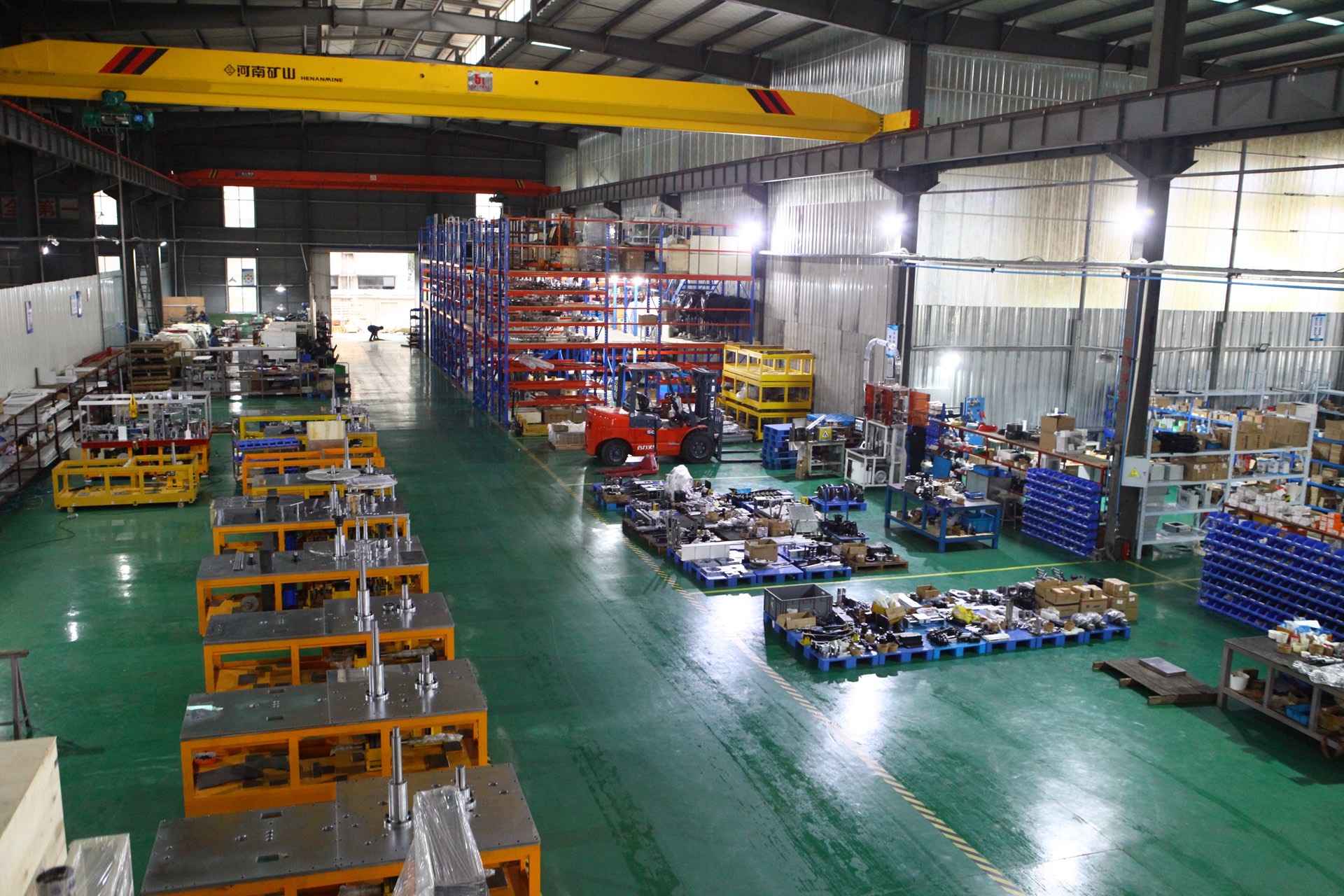
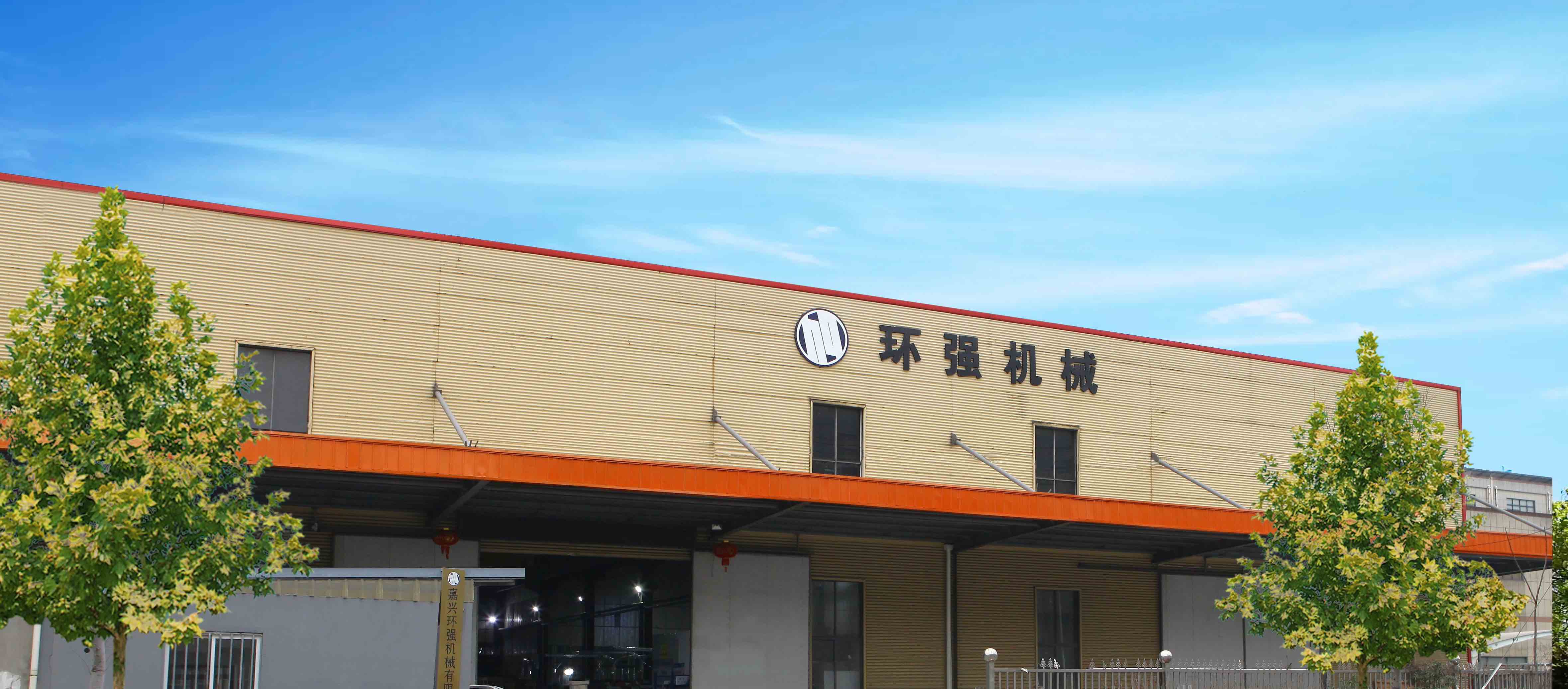
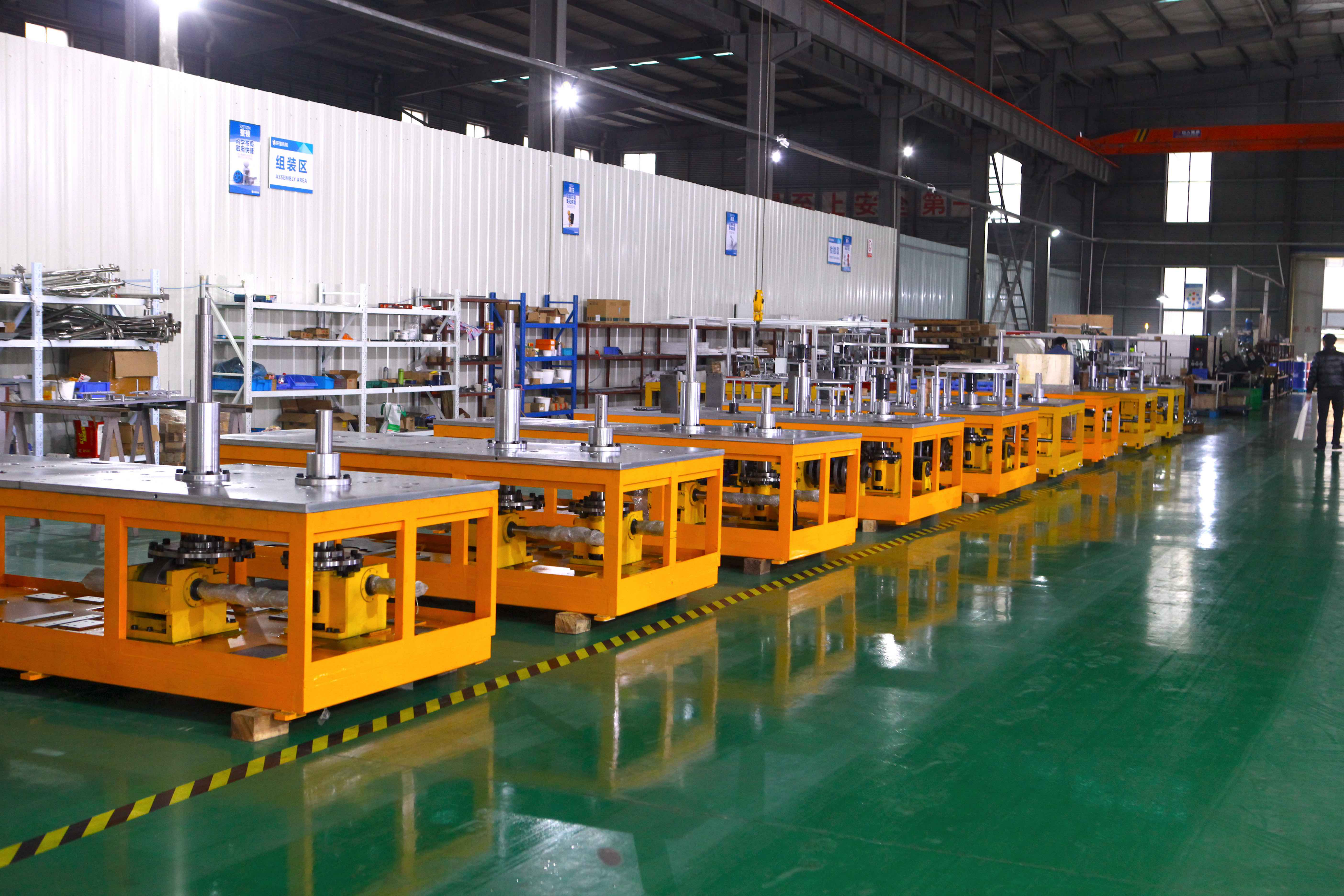
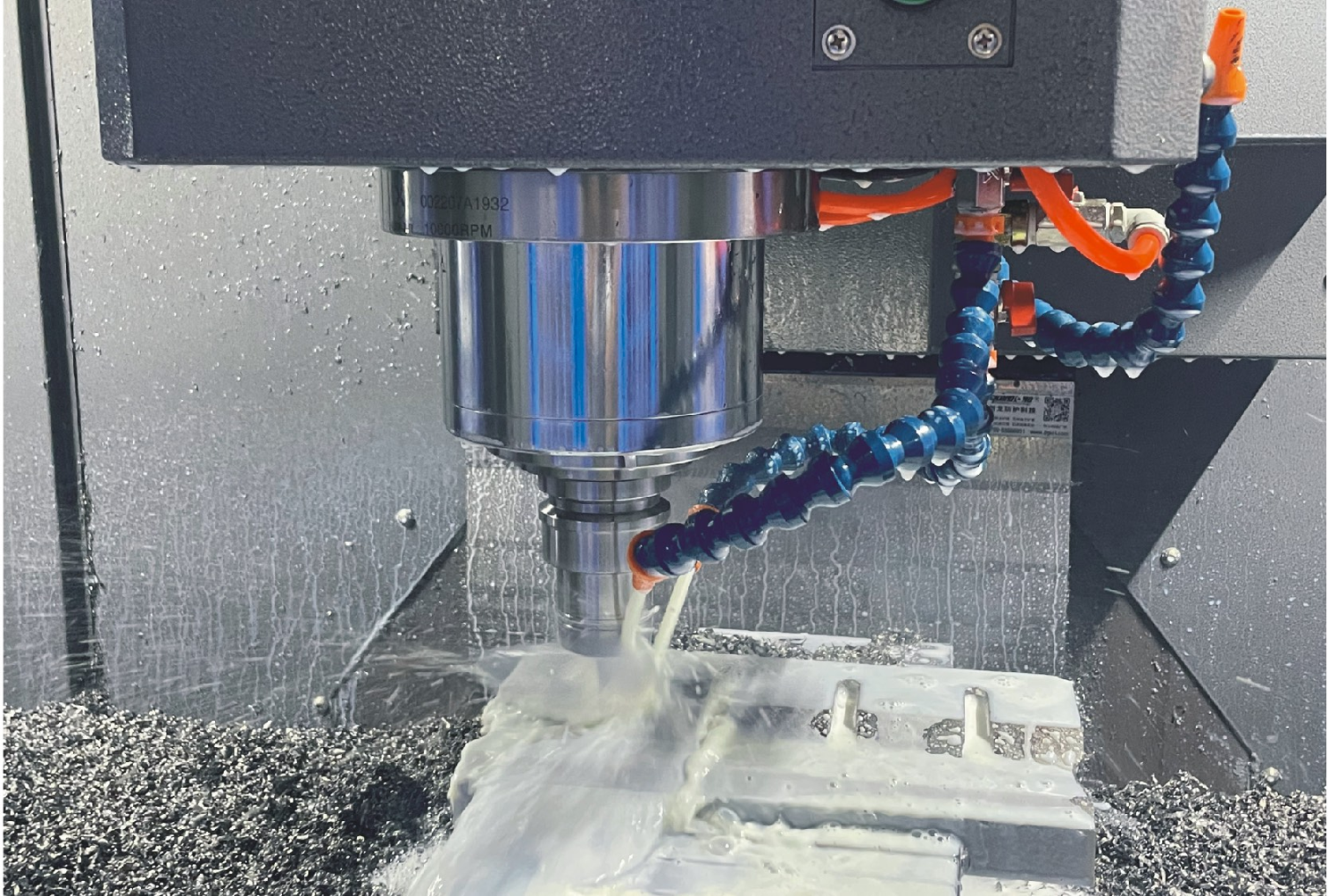
At Huanqiang Machinery, mechanical stability starts at the raw material stage. The heart of our production facility lies in our imported German five-axis machining centers. These tools allow us to machine critical components—such as index tables, rotation plates, and knurling wheels—from single blocks of premium alloy. This process maintains tolerances within 0.02mm.
This extreme precision reduces the initial mechanical run-in time. While standard market machinery often requires weeks of slow calibration, HQ Machinery systems arrive production-ready, allowing operators to scale up to maximum outputs immediately.
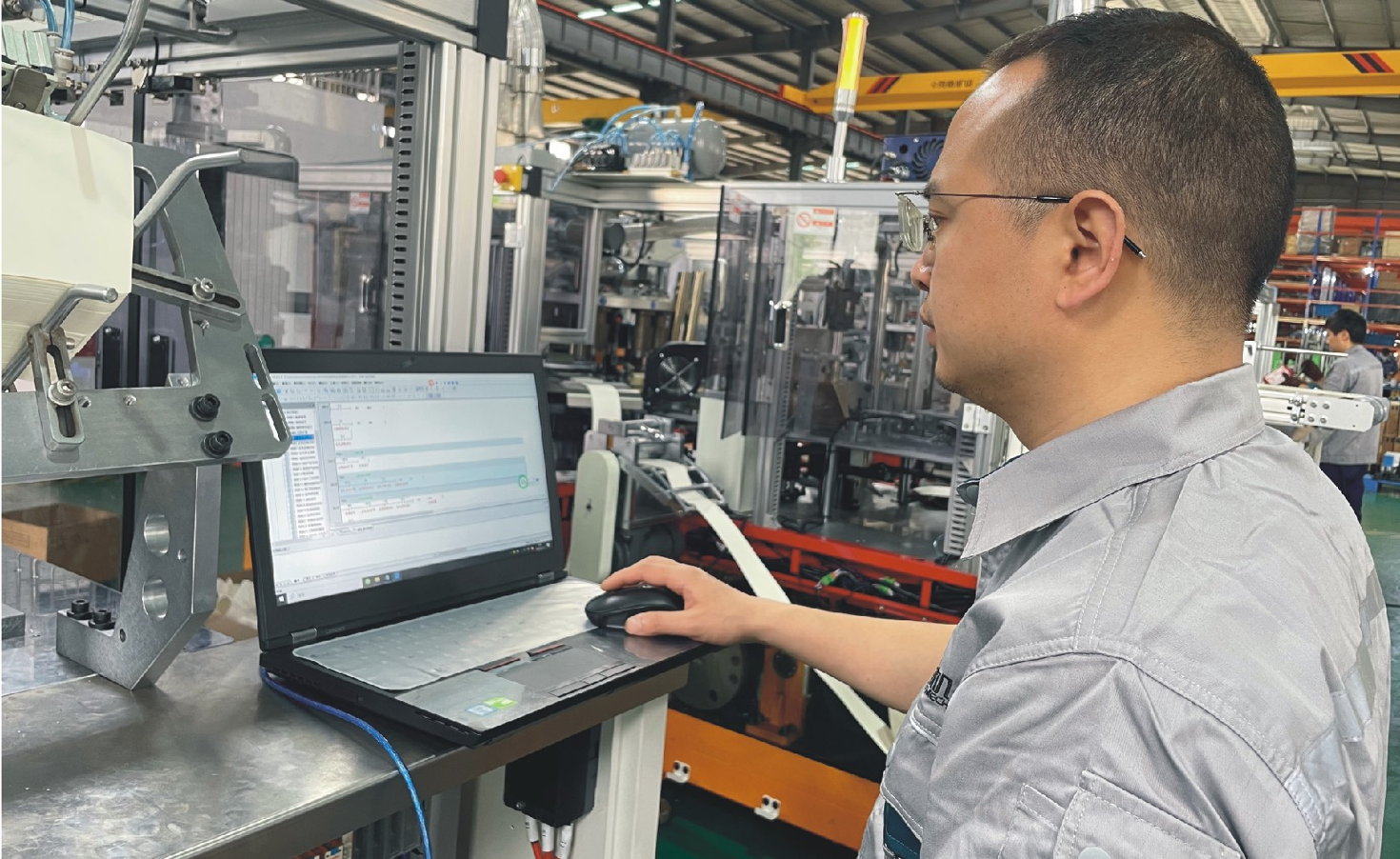
Additionally, our modular servo assemblies let engineers monitor paper feed tension in real-time. The machine automatically compensates for paper GSM variance, preventing jams and minimizing base scrap.
How our forming machinery adapts to regional requirements and specialized packaging challenges globally.
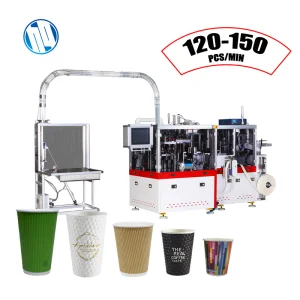
Designed for high-rent metropolitan zones in Europe and North America. The compact footprint enables local coffee distributors to establish on-demand cup printing and forming adjacent to warehouses.
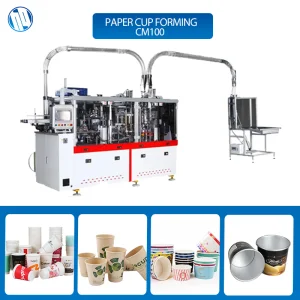
Our CM100 Desto machines combine paper wraps with thin plastic liners. This reduces total plastic weight by up to 60% compared to standard thermoforming, helping firms lower their plastic tax liabilities.
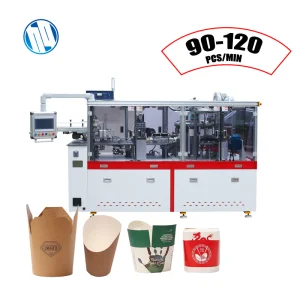
Optimized for food service applications that use thick kraft papers. Dual-stage preheating blocks soften thick paper bottom layers, forming leak-free seals without scorching raw fibers.
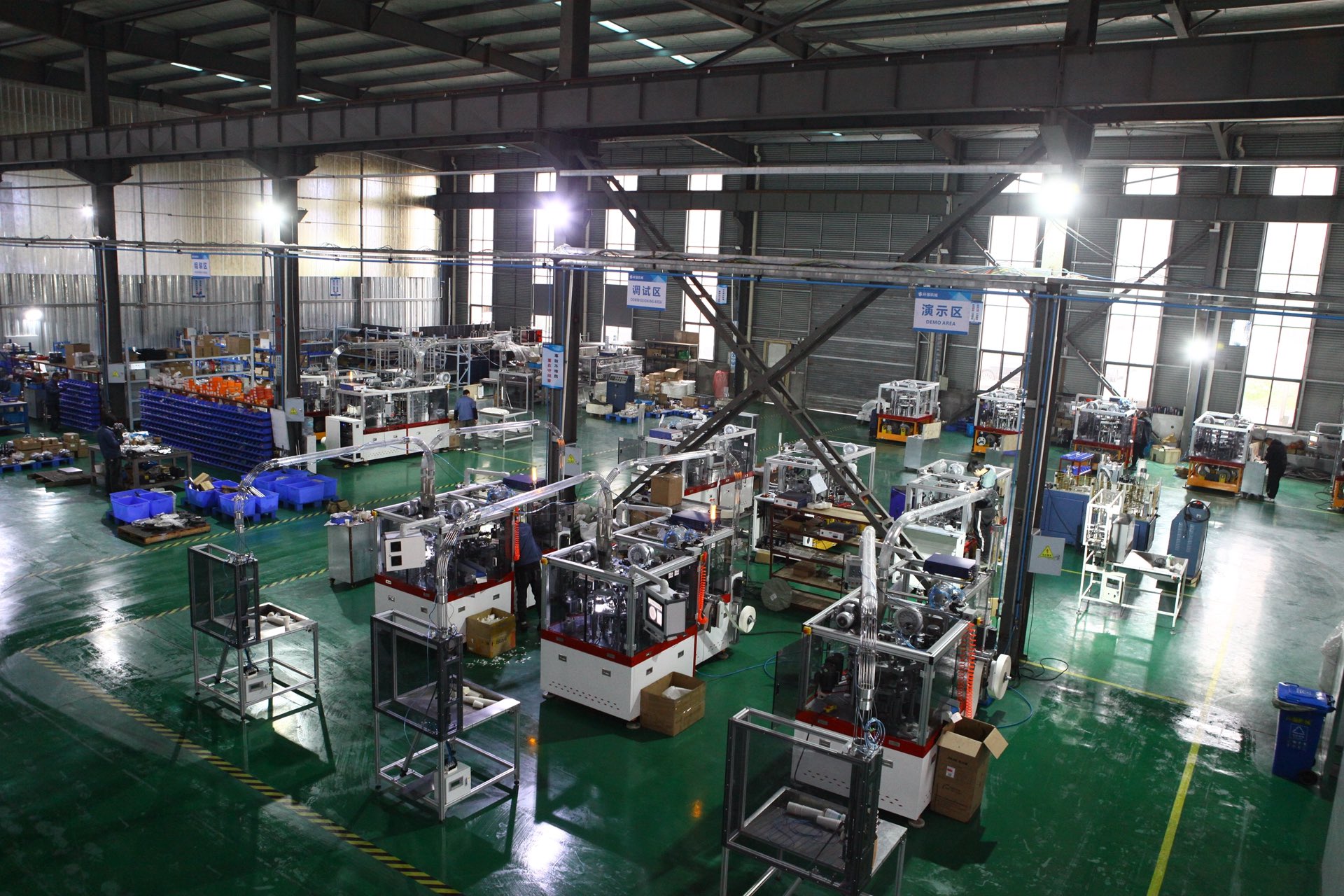
Unlike suppliers who simply assemble outsourced parts, HQ Machinery maintains complete control over our manufacturing supply chain. We perform sheet metal processing, high-speed gear machining, heat treatment, and custom mold fabrication under one roof.
This vertical integration enables two major operational benefits:
Every machine undergoes a continuous 72-hour mechanical fatigue test before shipping. This process ensures the forming unit arrives ready for trouble-free operation at the client's facility.
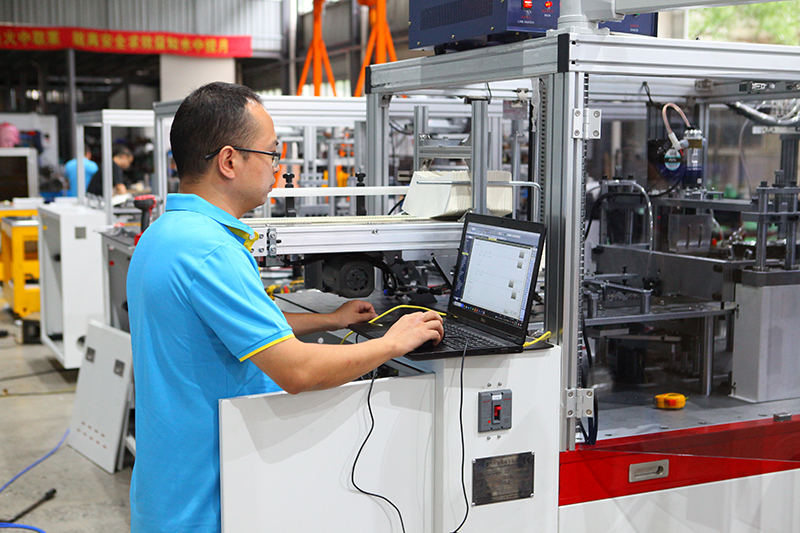
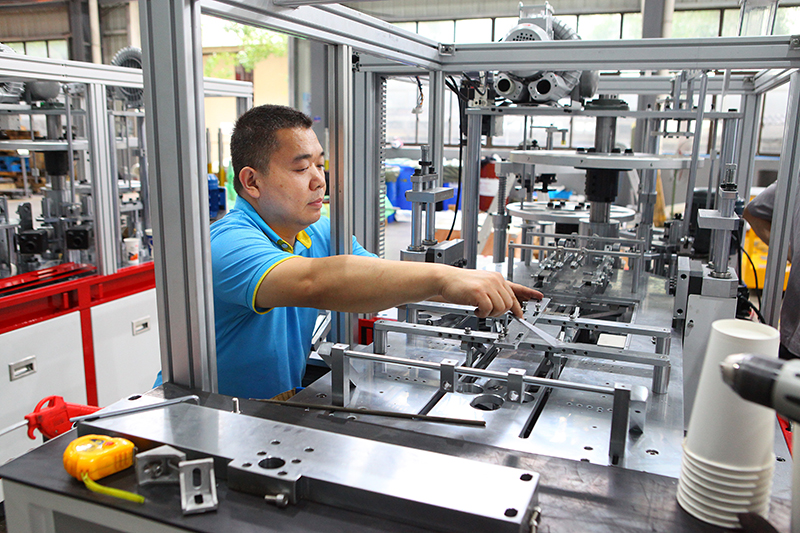
How our R&D center is adapting paper container systems for next-generation materials and automation.
The industry is moving beyond polyethylene (PE) coatings toward bio-based polymers (like PLA and PBS) and water-based dispersion coatings. These plastic-free barrier chemistries behave differently under heat and pressure.
To handle these materials, our technology roadmap includes intelligent, closed-loop thermal profiles. By using thermal sensors and high-frequency heating blocks, our systems maintain precise sealing temperatures. This ensures strong bonds on water-based barrier cups without damaging the coatings.
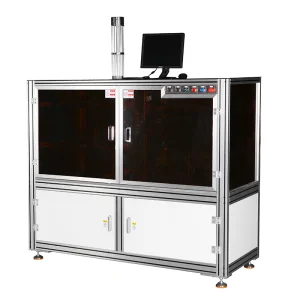
To reduce manual sorting costs, our visual inspection modules integrate directly into the production line. High-speed, high-resolution cameras capture and analyze cup rims and internal seals in real time.
This system identifies and ejects cups with defects—such as base wrinkles, rim deformations, or dust contamination—at production speeds of up to 150 cups per minute. This automated inspection keeps defective products from reaching packaging boxes.

Detailed answers to critical engineering, installation, and procurement questions from our specialists.
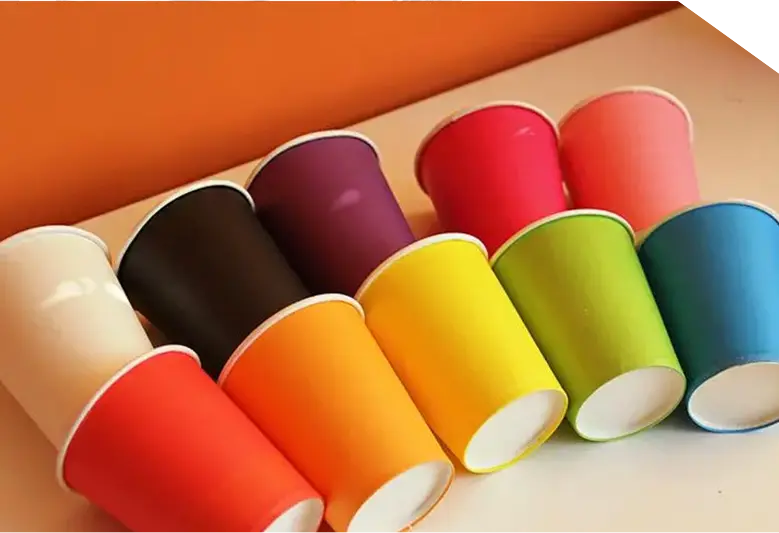
A regional food packaging provider needed to expand their takeaway container production. They required a machine that could handle thick, non-standard shapes and various flange designs while maintaining a small physical footprint.
To meet this need, we customized our FCM200 non-round forming machine. We integrated specialized heating stations to pre-heat the heavy paper stocks, along with custom molds designed to handle non-circular profiles. The installation also included our high-speed visual inspection system to monitor production quality.
Following setup, the client achieved a stable production rate of 120 containers per minute. This project demonstrates our ability to deliver tailored engineering solutions that meet specific production goals.
Select a model to view detailed technical specifications, operational data, and customization options.
 Huan Qiang