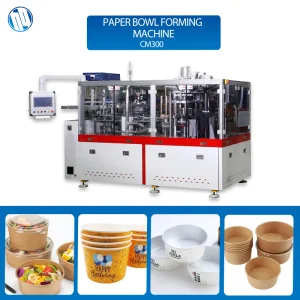
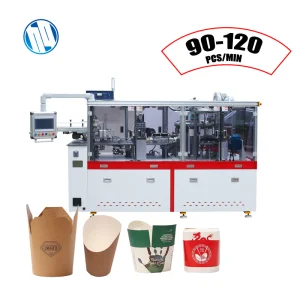
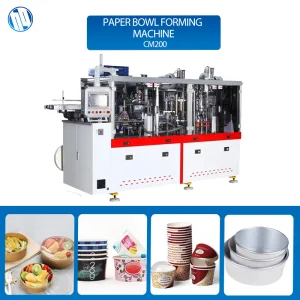
The global foodservice packaging sector is undergoing a profound structural transition. Stricter environmental policies, such as the European Union's Single-Use Plastics Directive (SUPD) and similar global mandates, have compelled brand owners and packaging manufacturers to shift toward highly recyclable, compostable, and biodegradable substrates. Within this landscape, high-quality cup and container forming machinery stands as the foundational technology driving this industrial pivot. Modern cup forming configurations are no longer simple mechanical presses; they are high-speed, thermodynamic assembly systems that integrate servo-driven indexing, continuous ultrasonic sealing, optoelectronic vision quality inspection, and intelligent IoT analytics.
In the context of the global supply chain, purchasing directors and plant operations managers require more than just machines—they require operational equipment efficiency (OEE) guarantees, long-term metallurgical reliability, and flexible compatibility with new coatings such as PLA, PBS, and water-based barrier agents. Achieving this requires a rigorous engineering-first approach.
"Sustainability without mechanical efficiency is economically non-viable. The ultimate goal of modern container manufacturing is to achieve zero-defect, high-speed output using substrates that disintegrate naturally, yet perform robustly in the hands of the end-user."
For 27 years, HQ Machinery has focused on one single mission: making paper cups faster, more stable, and safer for the world. What began as a specialized regional engineering team has evolved into a Chinese manufacturing powerhouse. Today, our comprehensive intelligent production lines cover round cups, square cups, special-shaped cups, paper bowls, and paper lids, providing one-stop paper container solutions for customers globally.
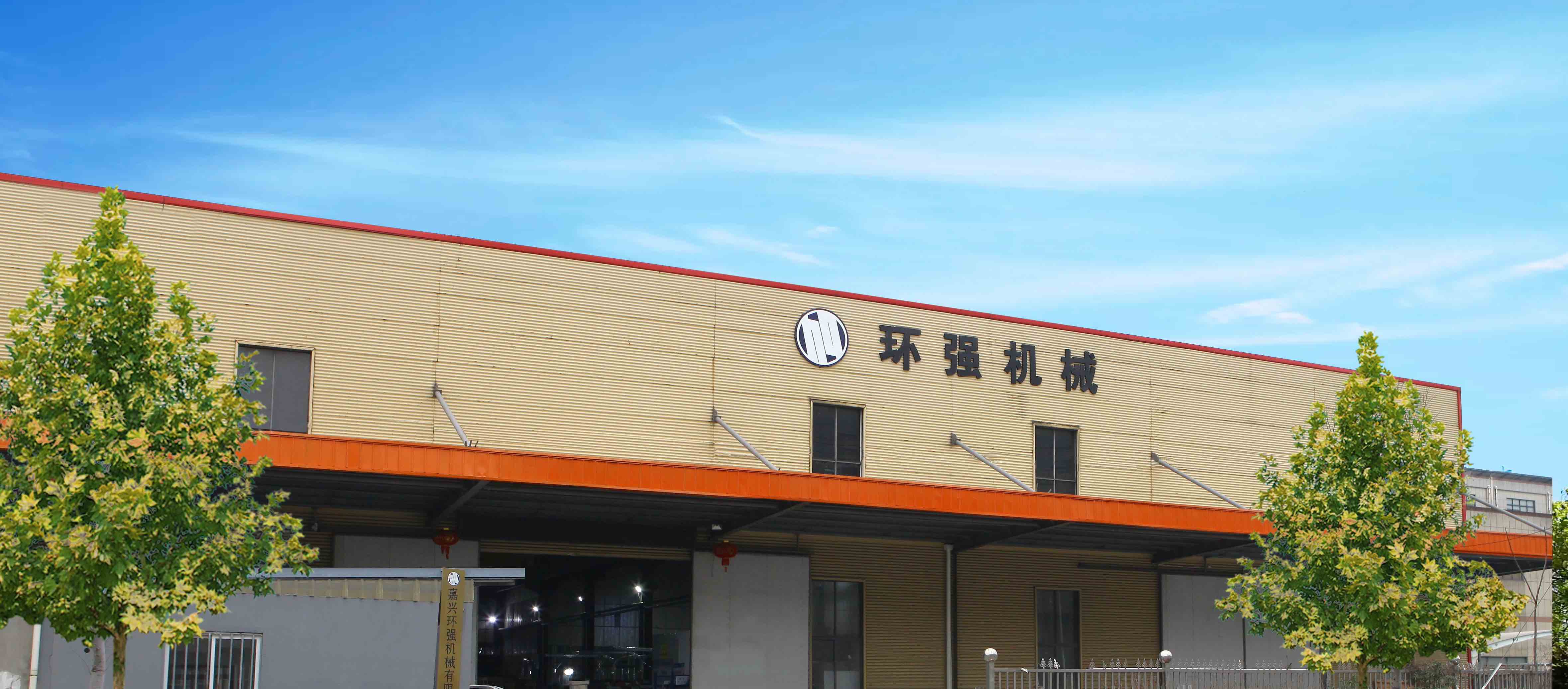
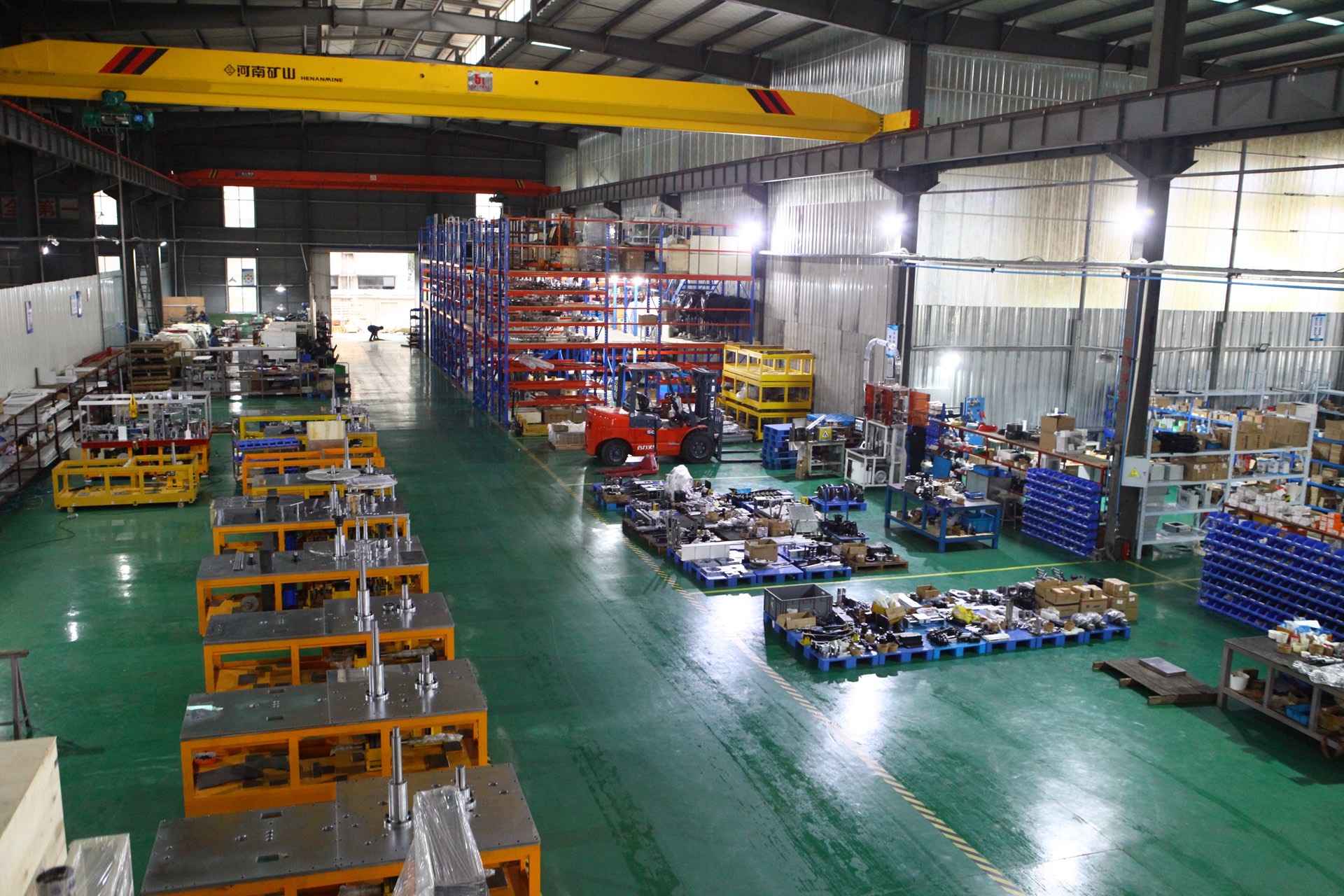
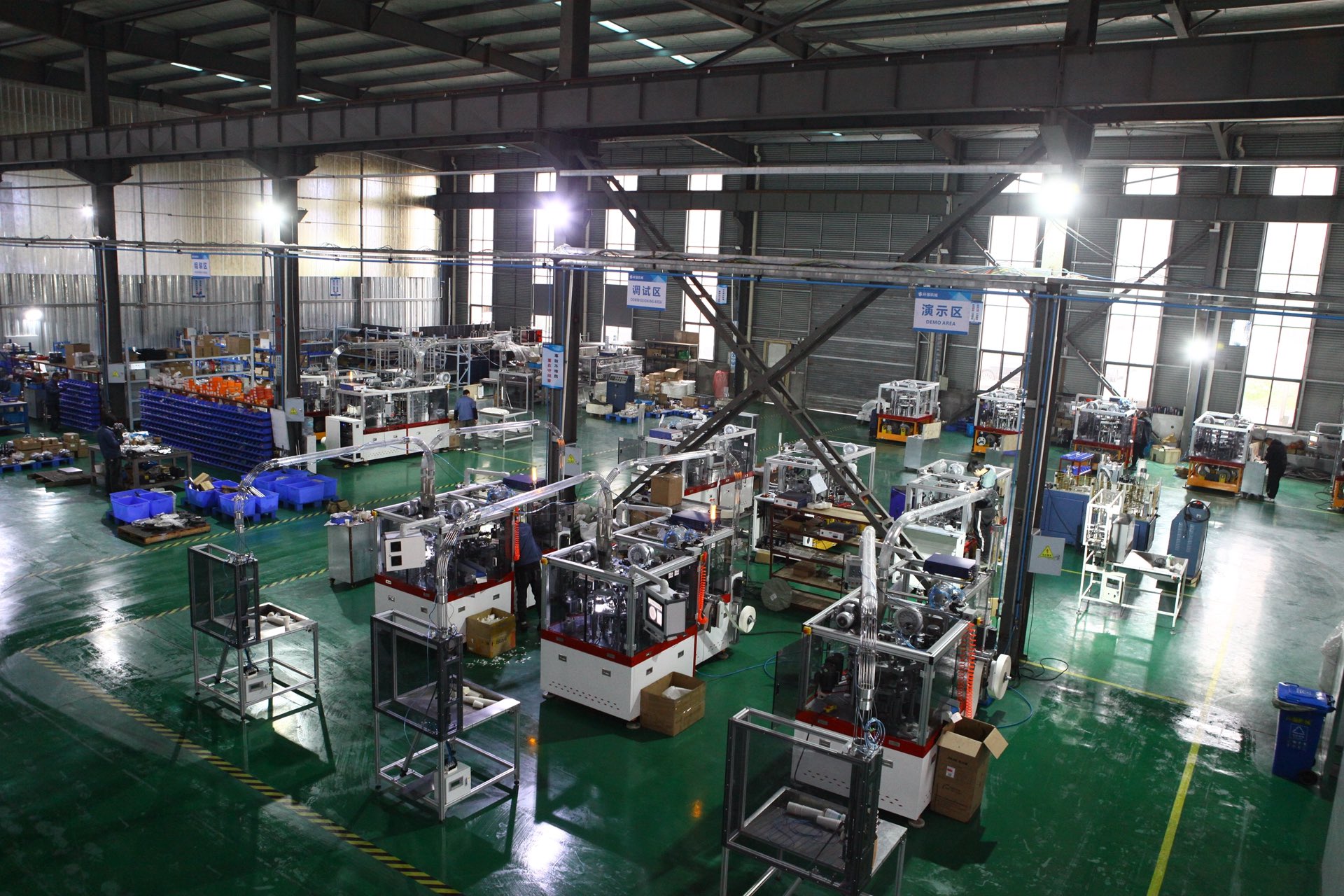
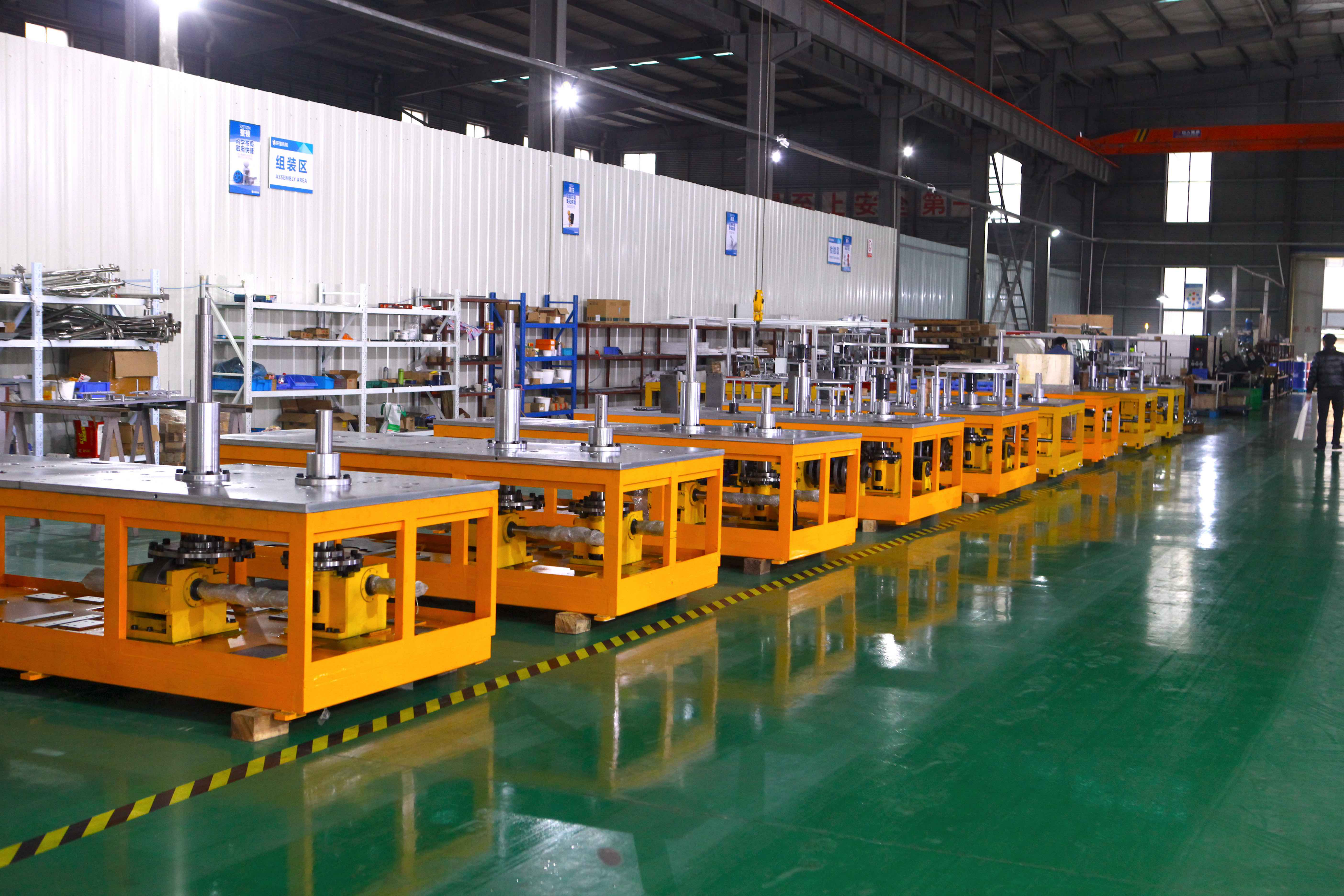
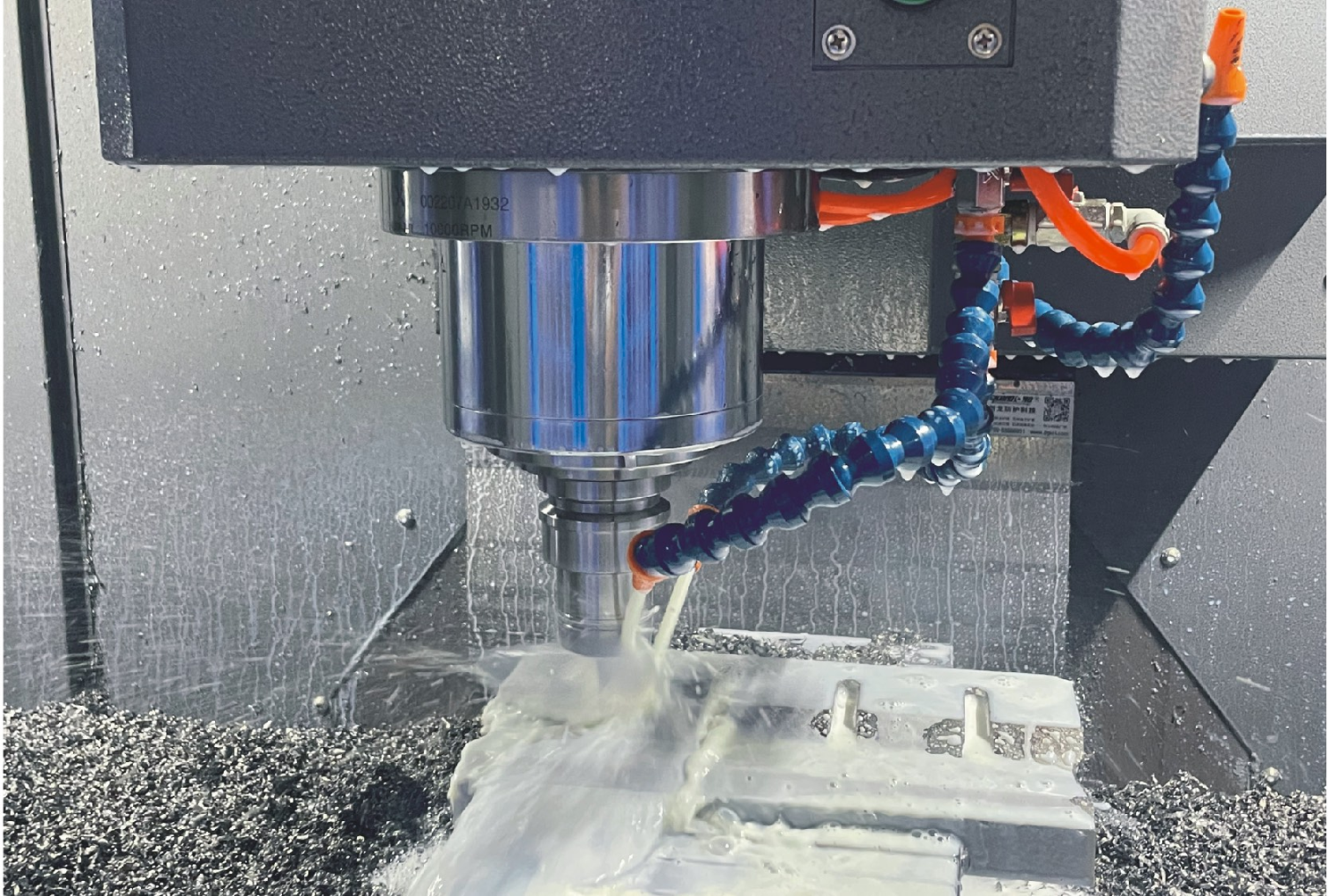
Our structural competitive advantage is built on in-house production. Unlike typical OEM assemblers, the HQ team operates its own high-precision CNC parts processing center. By manufacturing the vast majority of mechanical components and tool parts internally, we maintain total control over tolerances, metallurgic treatment, and structural integrity.
Years of Engineering Focus
Traceable Quality Inspection Nodes
Faults Resolved via Remote Diagnostic System
Flexible Tooling & Design Turnaround
Procurement experts in the dairy, quick-service restaurant (QSR), and industrial packaging sectors assess machinery suppliers through several critical filters:
Led by seasoned engineers with decades of experience, our annual R&D investment exceeds the industry benchmark. We develop proprietary designs for modularity, servo control, and online telemetry.
Imported five-axis machining centers and 24/7 fatigue testing platforms ensure every component is micro-aligned, yielding zero run-in downtime at commissioning.
From sheet metal fabrication and precision CNC milling to electrical assembly, all processes occur in-house to protect supply chain speed and competitive pricing.
"China Factory 4.0" is not merely about robotic arms; it represents the deep coordination of supply lines, engineering flexibility, and rapid prototype loops. At HQ Machinery, this resilience translates into the ability to pivot machine designs quickly to suit local client requirements.
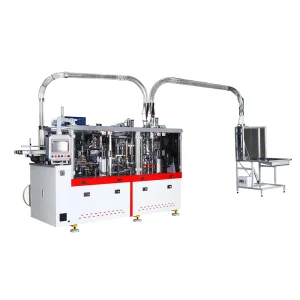
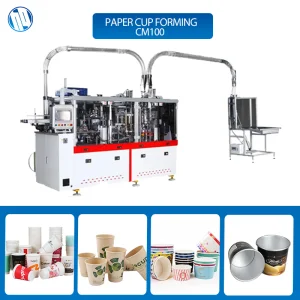
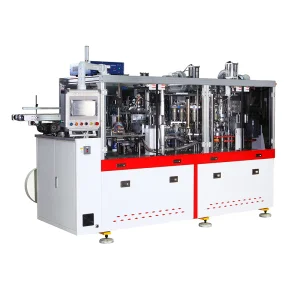
For example, the CM100 Desto Cup Forming Machine marries paperboard shells with thin-walled plastic liners—a hybrid design heavily demanded in Europe for reducing plastic tax burdens. Creating these complex geometries requires absolute sync between the container-feeding carousel and the hot-air sealing station. Within our factory, we design and produce these customized indexing cams using specialized alloy steels (such as Cr12MoV), heat-treated for wear resistance.
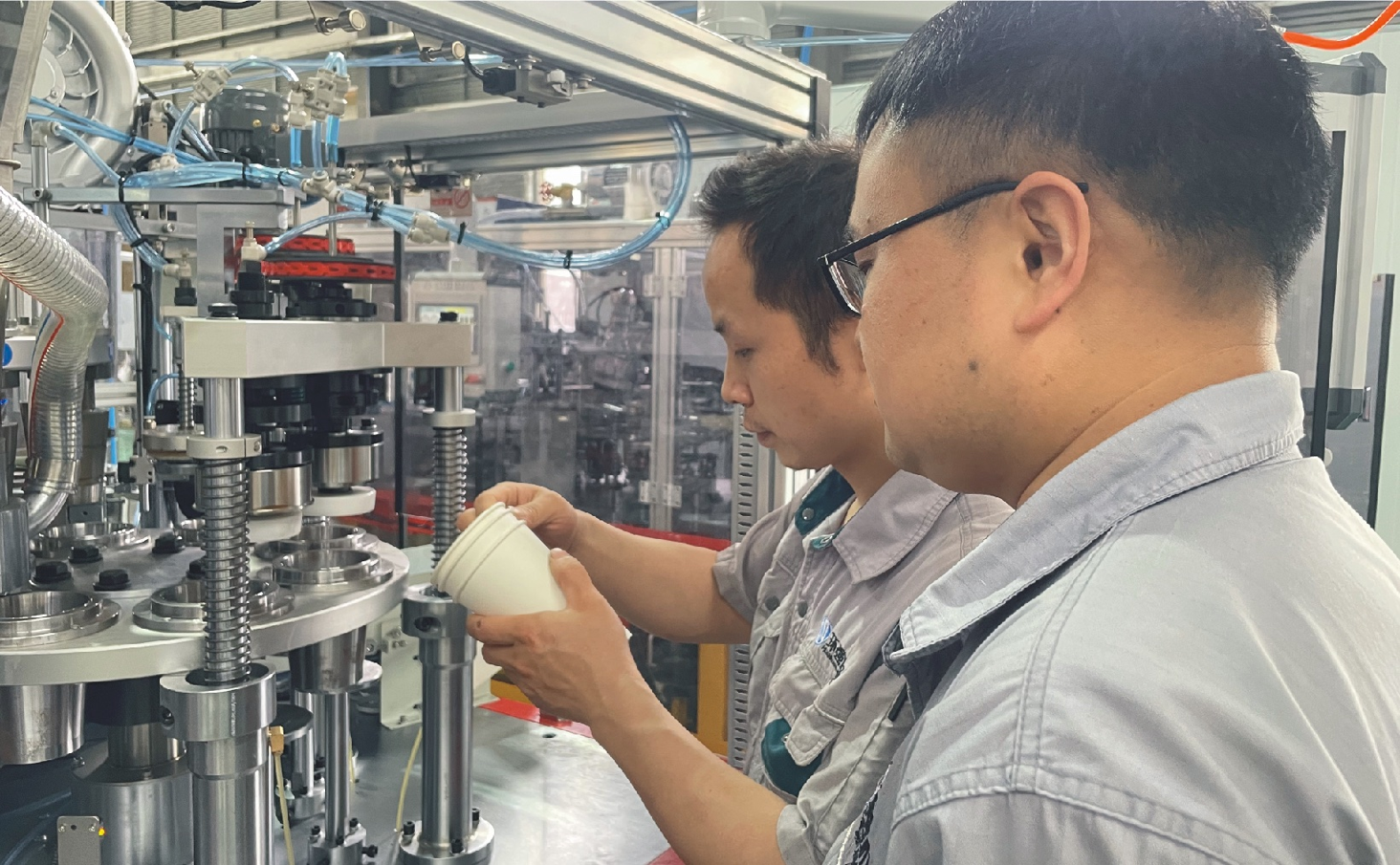

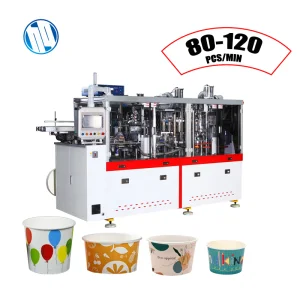
Whether it's the FCM200 Non-Round Container Forming Machine for rectangular take-out bowls, or the HCM100 Super Tall Cup Machine for large cold-beverage cups, the underlying engineering must remain robust. The HQ philosophy ensures that after-sale support, parts availability, and online remote diagnostics are baked directly into the acquisition cost of our machinery.
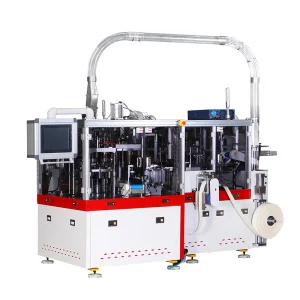
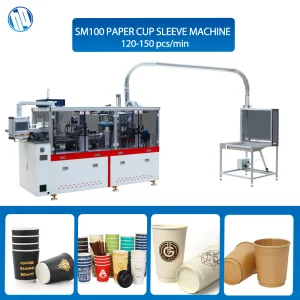
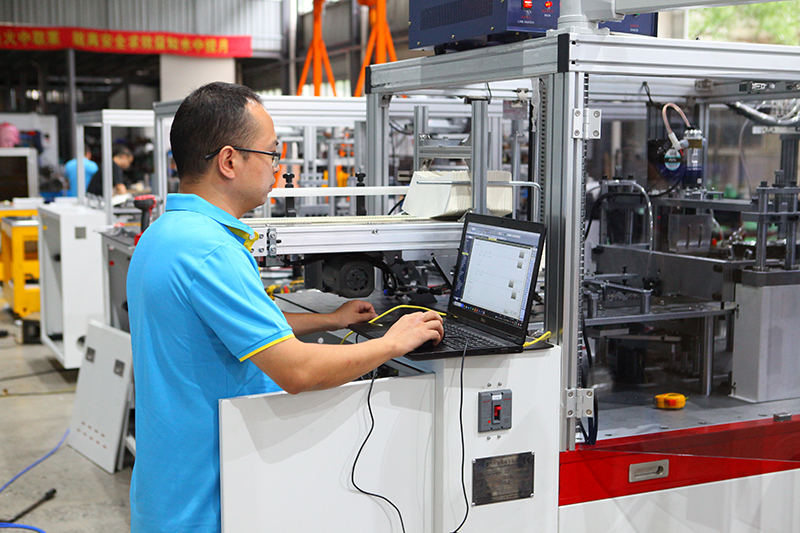
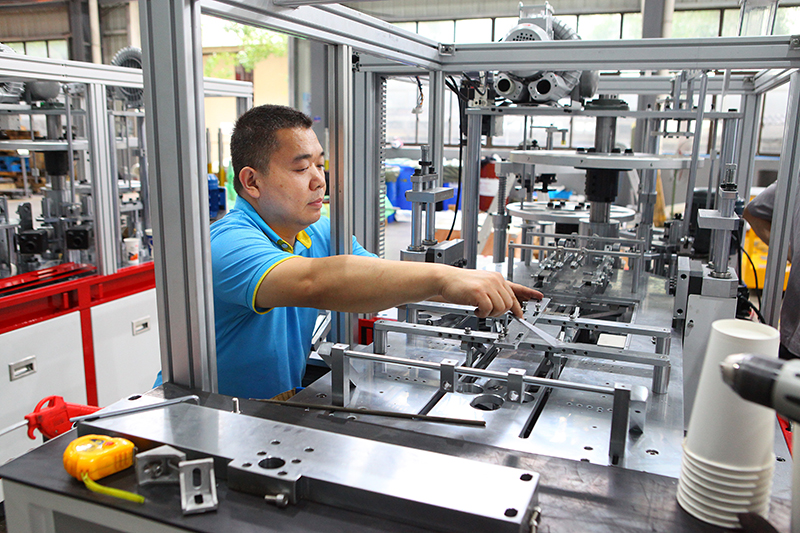
HQ Machinery has been engaged in quality paper cup machinery manufacturing in China for decades. Quality comes first. We set up our own CNC parts process center to produce most of the mechanical and tool parts by ourselves for better quality control. Skilled technical staff are well trained to get machine assembling and adjustment process and precision well controlled.
Our accumulated technologies and experience guarantee the stability and efficiency of machines at a very competitive price. HQ philosophy is that After-sale Service is an important part of the complete package that we offer and should be part of the on-going relationship after purchase.
As a company we pride ourselves on our relationship with our clients and our ability to consistently deliver value. We prefer to treat our customers more as a partner rather than as a client. Their success is as important to us as our own. We are committed to serving our customers in the best way possible.
From the beginning, the company was focused on developing a culture of quality, innovation, and excellence. We live by our Core Values – Precision, Innovation and Passion for engineering. They guide how we treat each other, our customers, and how we tackle our work. With strong Core Values and a higher Purpose, our company performs better.
We stand for, and pride ourselves on:
★ Preciseness and detail focused
★ Competitive pricing
★ Lead time that works for the customer
★ Innovative and customized service for unique needs
★ An unmatched level of on-sale and after-sale services
Innovation and exploration into sustainable packaging is a top priority for us. The HQ team is committed to meet your requirements as well as help you to create new markets. One of our goals is to develop alternatives to replace traditional, non-renewable, or non-recyclable packaging to meet the needs of today’s industry.
The CM100 Desto Cup Machine is engineered to combine a thin plastic lining with an outer structural paper sleeve. This design reduces plastic usage by up to 60% compared to heavy solid plastic containers. The paper sleeve is easy to separate for recycling. Our machinery manages the delicate process of folding, aligning, and sealing the paper wrapper around the pre-inserted liner at high speed, ensuring structural integrity while optimizing plastic-reduction metrics.
By manufacturing core mechanical linkages, shafts, gears, and heating adapters in our own CNC center, we maintain precise control over material selection and tolerances. Most other machine assemblers outsource these parts to third-party workshops, which can lead to variance in dimensions and metal hardness. Our in-house control guarantees that our indexing drives, cams, and sealing systems remain structurally synchronized over billions of continuous cycles.
Yes. Modern paper board materials use PLA or aqueous dispersion barriers instead of traditional PE coatings. These eco-friendly coatings have narrower sealing temperature windows. Our machines feature programmable logic controllers (PLCs) with precise digital hot air heaters and high-frequency ultrasonic sealing units. This allows operators to adjust the heat output to match the thickness and coating weight of the paper board, preventing scuffing or leakage.
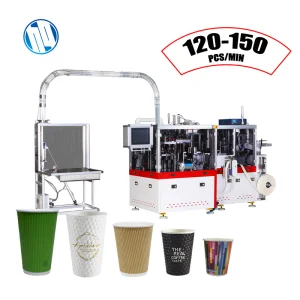
The CM100 is designed for standard coffee and beverage cups (typically up to 16 or 22 oz) with output optimized for high-speed continuous packaging. The HCM100 is a specialized "Super Tall" cup and container forming system. It handles deep-draw containers, large-format popcorn buckets, and soup containers requiring longer vertical strokes, specialized bottom-feeding paths, and heavy-duty mechanical cams to lift the tall blanks into the forming station.
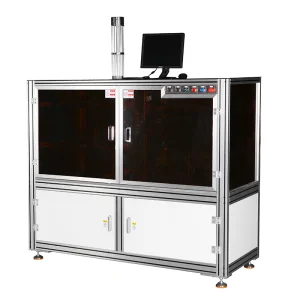
Our Wholesale Visual System Cup Inspection Machine uses high-resolution CCD cameras positioned near the discharge station. It takes real-time images of the rim, bottom seam, and inside of every cup. Software algorithms detect defects like oil spots, irregular seams, or bugs, and trigger a pneumatic rejection valve. This rejects defective units from the line without interrupting the operation of the machine.
The remote diagnostic system connects the machine's PLC to our technical support network. Through this connection, our engineers can monitor sensor feedback, check cycle timing, run system diagnostics, and update software remotely. This allows us to identify and resolve 90% of operational or programming issues online, avoiding the need for on-site visits and reducing downtime.
 Huan Qiang