 Huan Qiang
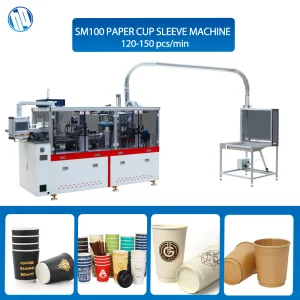
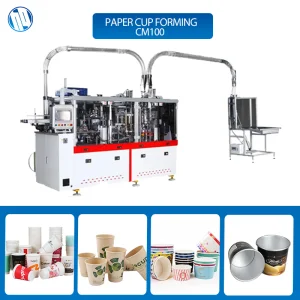
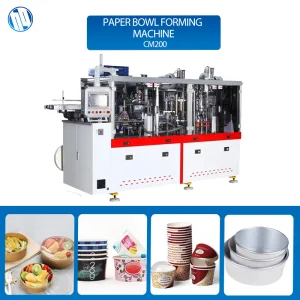
Deep Analysis: Engineering Innovations in Triangle Bowl Forming Machinery
In the modern food packaging landscape, the structural configuration of containers has evolved beyond basic aesthetics. The global shift toward non-round geometries, specifically the Triangle Bowl, has presented unique engineering challenges and substantial market opportunities. Historically, round containers dominated production due to uniform stress distribution during the drawing, folding, and sealing processes. However, premium quick-service restaurant (QSR) brands and eco-friendly consumer goods companies are increasingly demanding high-quality, distinctive non-round container geometries to differentiate their brands on retail shelves and optimize shipping space.
The Structural Mechanics of Non-Round and Triangular Forming
Forming a triangular paper bowl with distinct corners requires a fundamental shift in mechanical stress management compared to traditional cylindrical cup production. In a standard round cup forming machine, tension is distributed equally across the perimeter of the paperboard. When forming a triangle bowl, the material experiences localized stress points at the three corners, where folding angles are severe (approaching 60 degrees). This uneven stress profile can cause paper tearing, uneven rim rolling (flanging), or poor bottom sealing, leading to leakage.
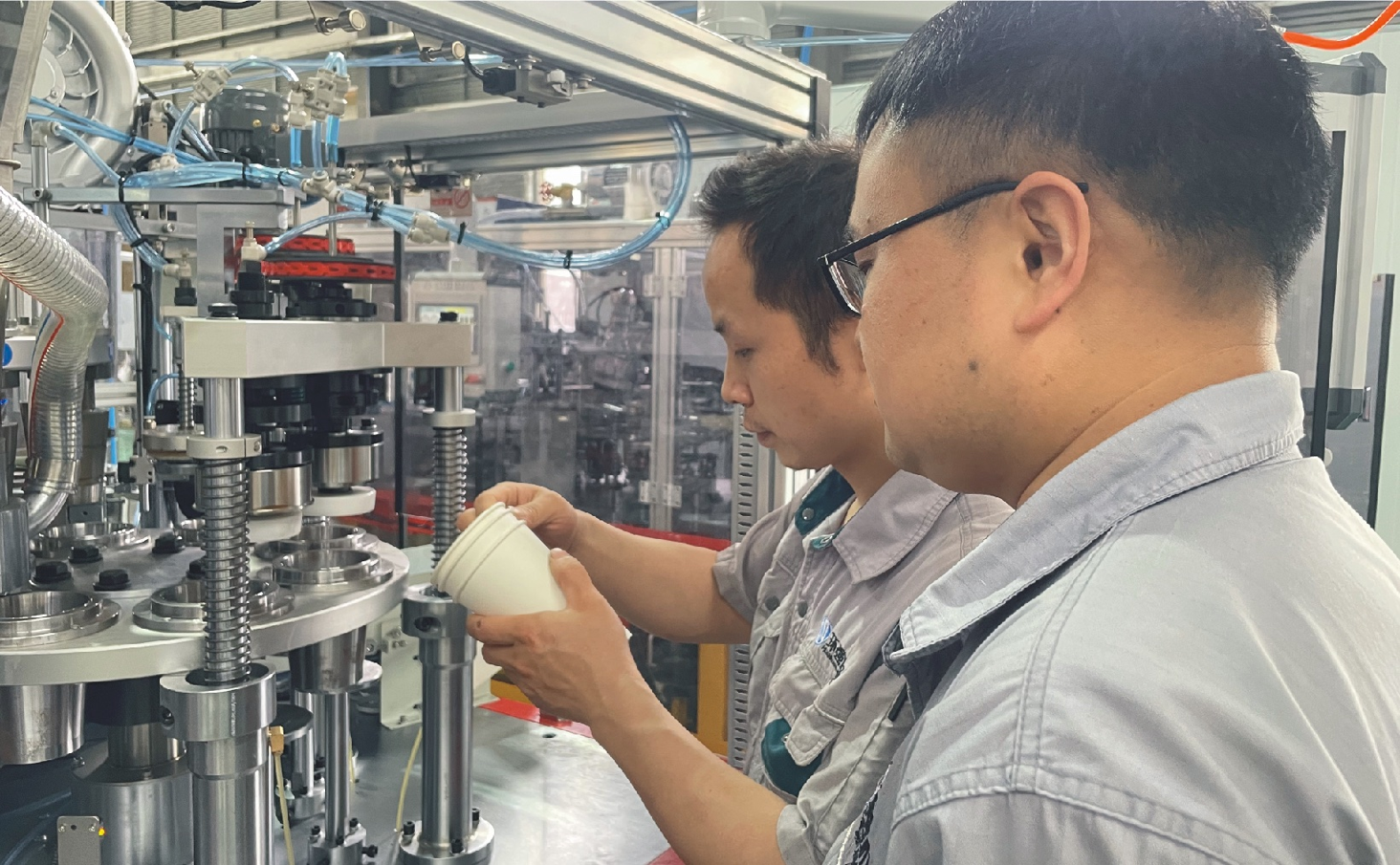
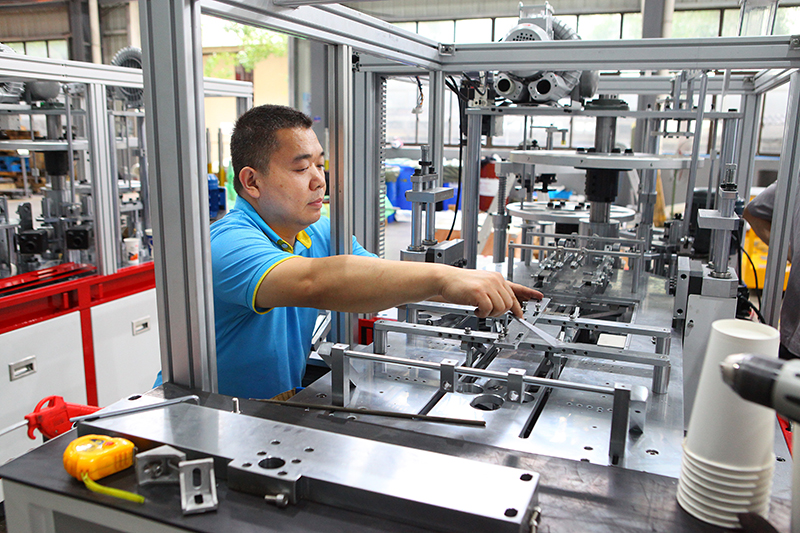
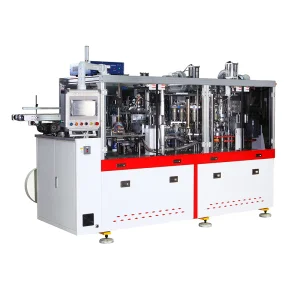
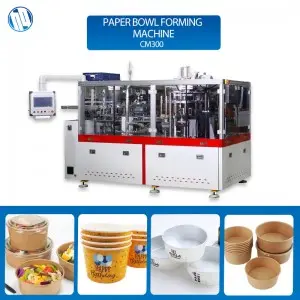
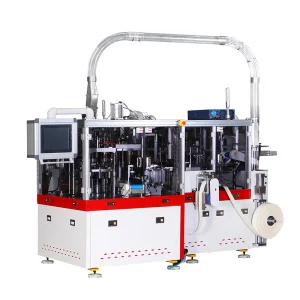
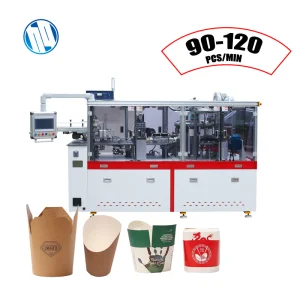
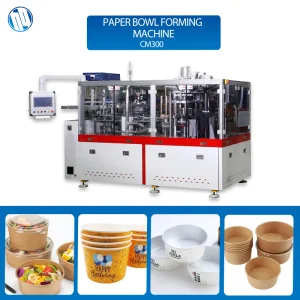
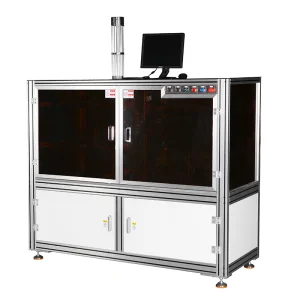
To overcome these challenges, leading-edge manufacturers like HQ Machinery have engineered advanced kinematic systems. Rather than relying on simple rotary dials, our machines feature custom index drives and multi-stage heating stations that apply heat selectively to the corners of the paperboard blank. This temporarily plastifies the internal polymeric coatings (whether standard PE, bio-based PLA, or modern aqueous dispersion barriers) right at the critical folding seams, facilitating clean, crack-free creases without compromising the substrate's mechanical integrity.
Material Compatibility: Processing Next-Generation Eco-Friendly Barriers
With global plastic-use restrictions intensifying (such as the EU Single-Use Plastics Directive and strict state-level regulations in the United States), food brands are rapidly phasing out traditional PE coatings. High-quality triangle bowl forming machinery must be versatile enough to handle diverse sustainable substrates, including:
- Polylactic Acid (PLA): Bioplastics that require lower, highly controlled sealing temperatures to prevent thermal degradation during dwell times.
- Water-Based Barrier Coatings (Aqueous Dispersion): Sustainable coatings that behave more like uncoated paper, demanding precise folding mechanics to avoid scraping off the barrier layer.
- Polybutylene Succinate (PBS) & PHA: Advanced marine-degradable polymers with narrow heating windows, requiring micro-processor controlled hot air arrays.
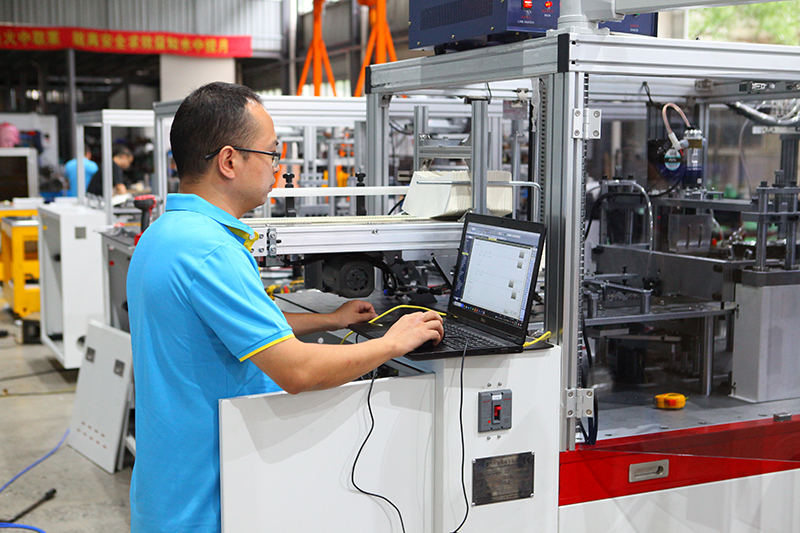
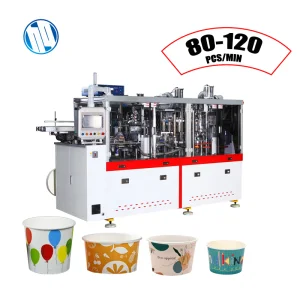
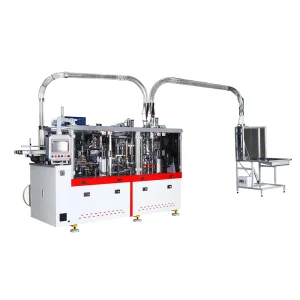
HQ Machinery's high-speed triangle bowl forming platforms feature digital PID temperature loops paired with intelligent hot air nozzles. This thermal profiling ensures that heat is applied only to target sealing zones, protecting the eco-barrier across the main body of the bowl.