Explore our high-performance forming machines engineered with 27 years of manufacturing excellence and CNC precision control.
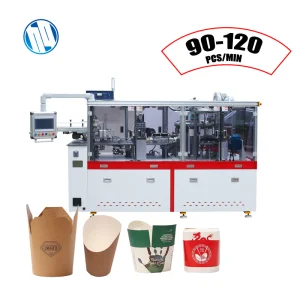
In the rapidly evolving landscape of sustainable industrial packaging, the demand for specialty containment units, such as Dhoop cups (incense cups), bio-containers, and custom-formed paper structures, has experienced exponential global growth. Traditionally manufactured using manual or semi-automated processes prone to high reject rates and inconsistent product density, the modern production of these specialized containers demands a transition toward fully automated, high-precision thermodynamic and mechanical forming systems.
Huanqiang Machinery (HQ Machinery), with 27 years of foundational expertise in manufacturing high-speed paper container forming equipment, stands at the intersection of material science and mechanical automation. By leveraging our proprietary CNC precision manufacturing ecosystem and robust mechanical engineering templates, we engineer systems that optimize the forming speed, density uniformity, and thermal structural integrity of complex containers. This whitepaper analyzes the engineering design, manufacturing processes, and technological roadmaps that position HQ Machinery as a premier global OEM/ODM supplier for high-speed specialty container systems, including custom dhoop cup making machine adaptations and complex double-wall paper forming plants.
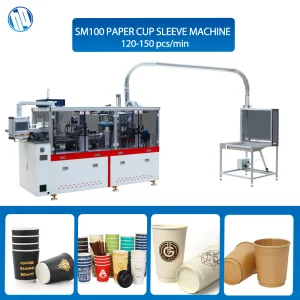
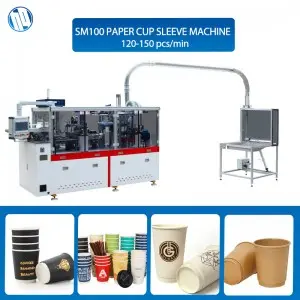
To understand the mechanical advantages of HQ Machinery, it is essential to explore the physics of forming complex containers. Standard thin-walled containers require rapid cycle times, while deep-draw components, double-wall configurations (like the SM100 Ripple Cup Sleeve Machine), and heavy-duty organic fiber containers (such as dhoop cups) present distinct challenges in pressure distribution and heat management.
For organic composites and heavy-gauge paper pulp structures used in dhoop cups, the raw material must undergo a carefully regulated moisture-expulsion and compaction process. HQ Machinery utilizes an advanced three-stage heating and hydraulic pressing system within its molding stations. This guarantees that internal steam can escape through micro-vents without structural degradation, establishing high structural integrity and prevention of thermal splitting during final product use.
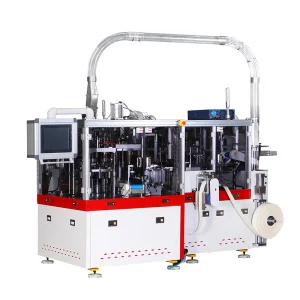
Unlike older mechanical-gear-driven systems, our latest platforms, including the FCM200 Non-Round Container Forming Machine, utilize multi-axis independent servo-motor controls. This allows precision timing configuration (down to milliseconds) for the feeding, pressing, and ejecting stages. Dynamic adjustment reduces machine vibrations and mechanical wear, directly improving the service life of internal cams and gears.
| Machine Series | Primary Target Material | Speed Capability | Control Interface | Ideal Application / Intent |
|---|---|---|---|---|
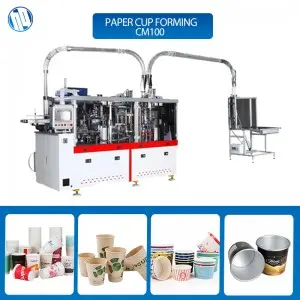
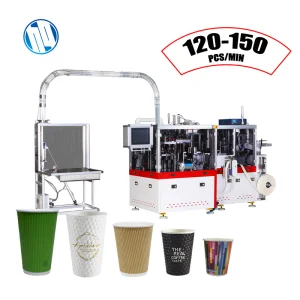
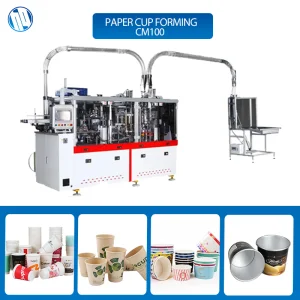
| HCM100 Series | Single/Double PE Coated Paper, Bio-PLA | Up to 120 pcs/min | PLC Touch Screen HMI | Super tall cups, Take-away containers |
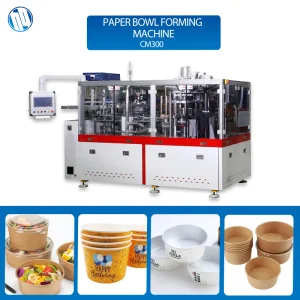
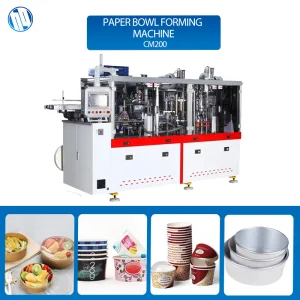
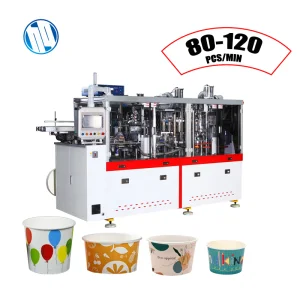
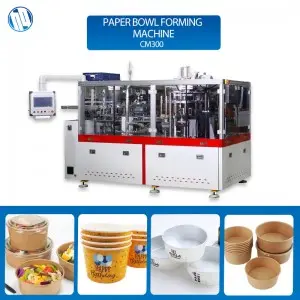
| CM300 Series | Heavy-gauge cupstock, Biodegradable pulp | 80 - 100 pcs/min | Multi-axis Servo Drive | Paper bowls, Wide-mouth soup containers |
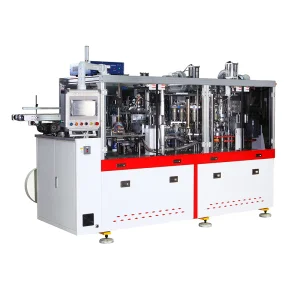
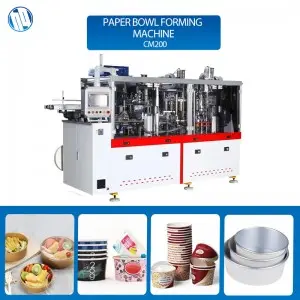
| FCM200 Series | Custom geometries, Non-round paperboard | 70 - 90 pcs/min | Hybrid Cam & Servo | Square boxes, Oval containers, Specialized trays |
| Dhoop Cup Adaptations | Composite biomass, Pressed organic fibers | 60 - 80 pcs/min | Pneumatic-Hydraulic PLC | Industrial incense cups, Natural fuel containers |
At HQ Machinery, we believe that machine reliability is directly linked to manufacturing process control. For 27 years, we have maintained a philosophy that key components must be manufactured in-house. Our advanced CNC parts process center is the core of our operations, allowing us to maintain tight tolerances and ensure parts interchangeability.
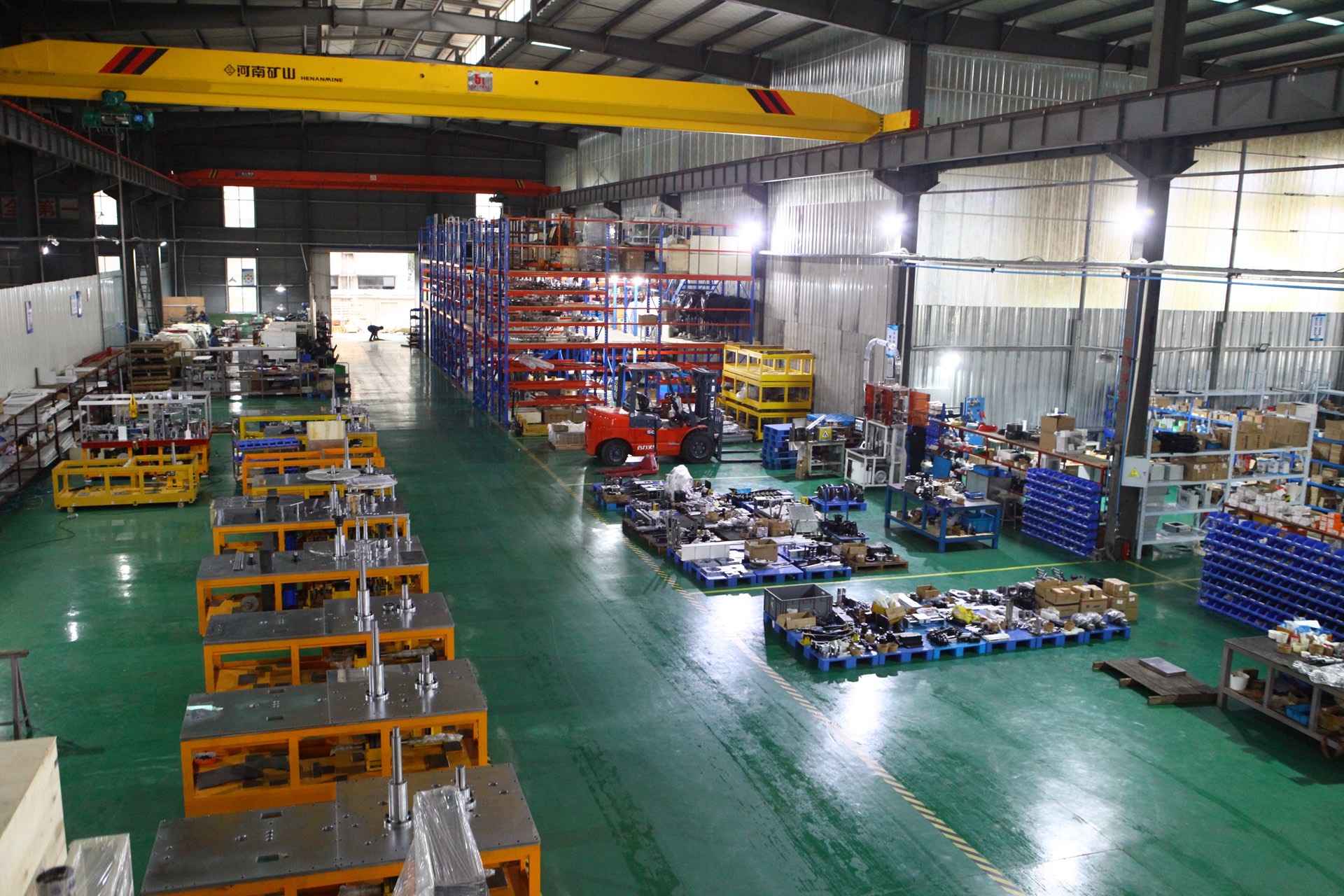
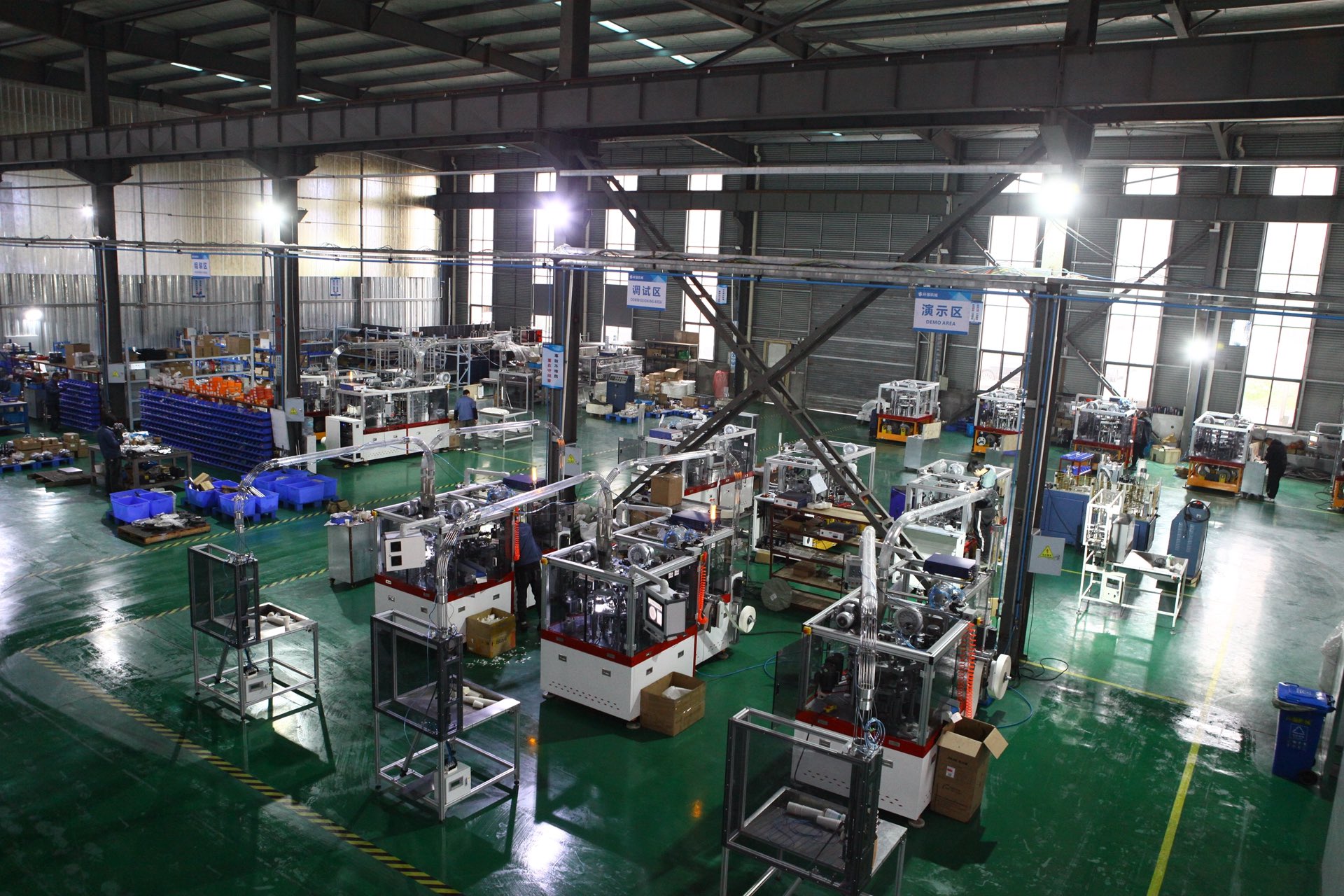
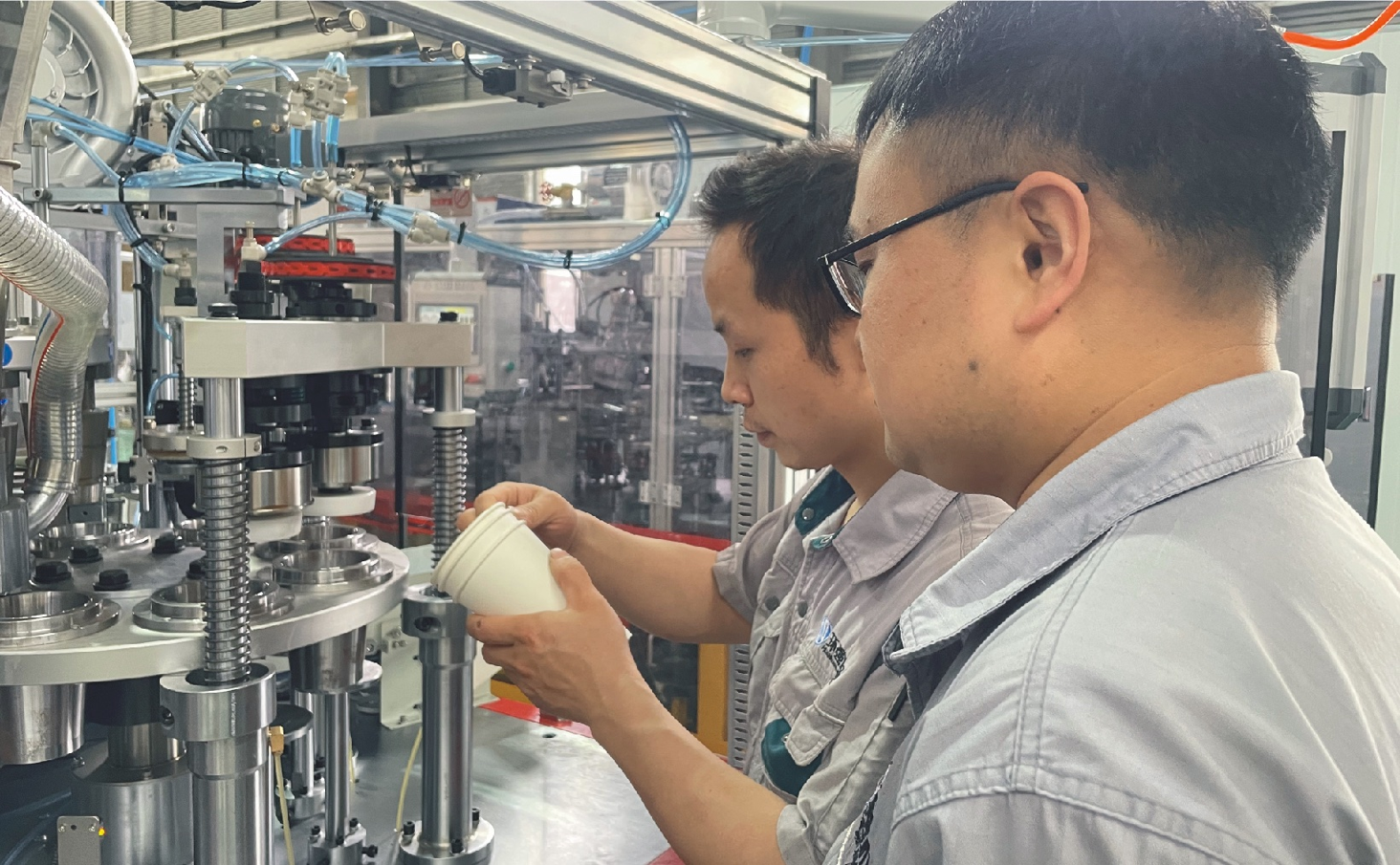
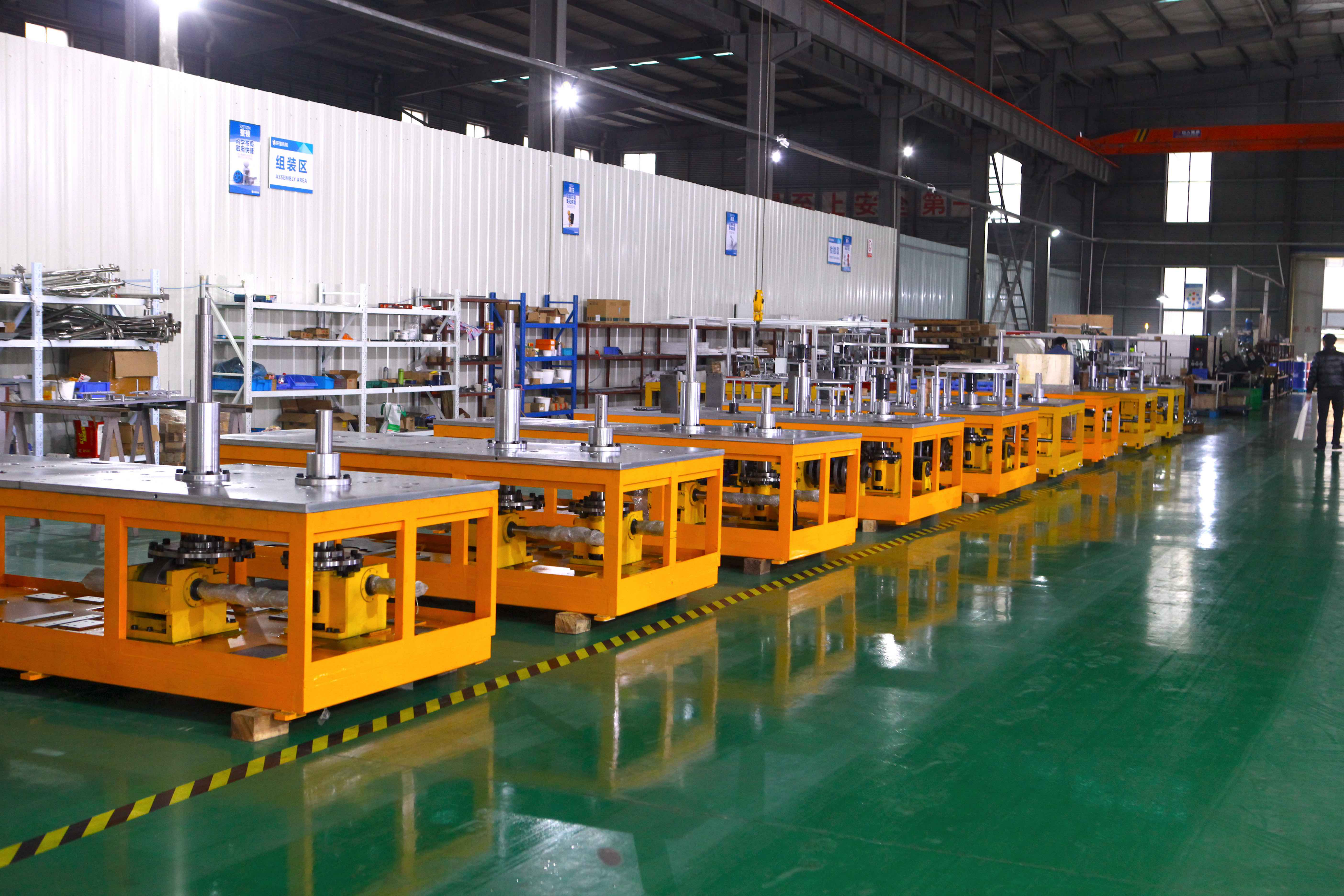
Led by senior mechanical design engineers with decades of experience, we maintain independent intellectual property rights over all our core mechanical movements, gearboxes, and automated control logic.
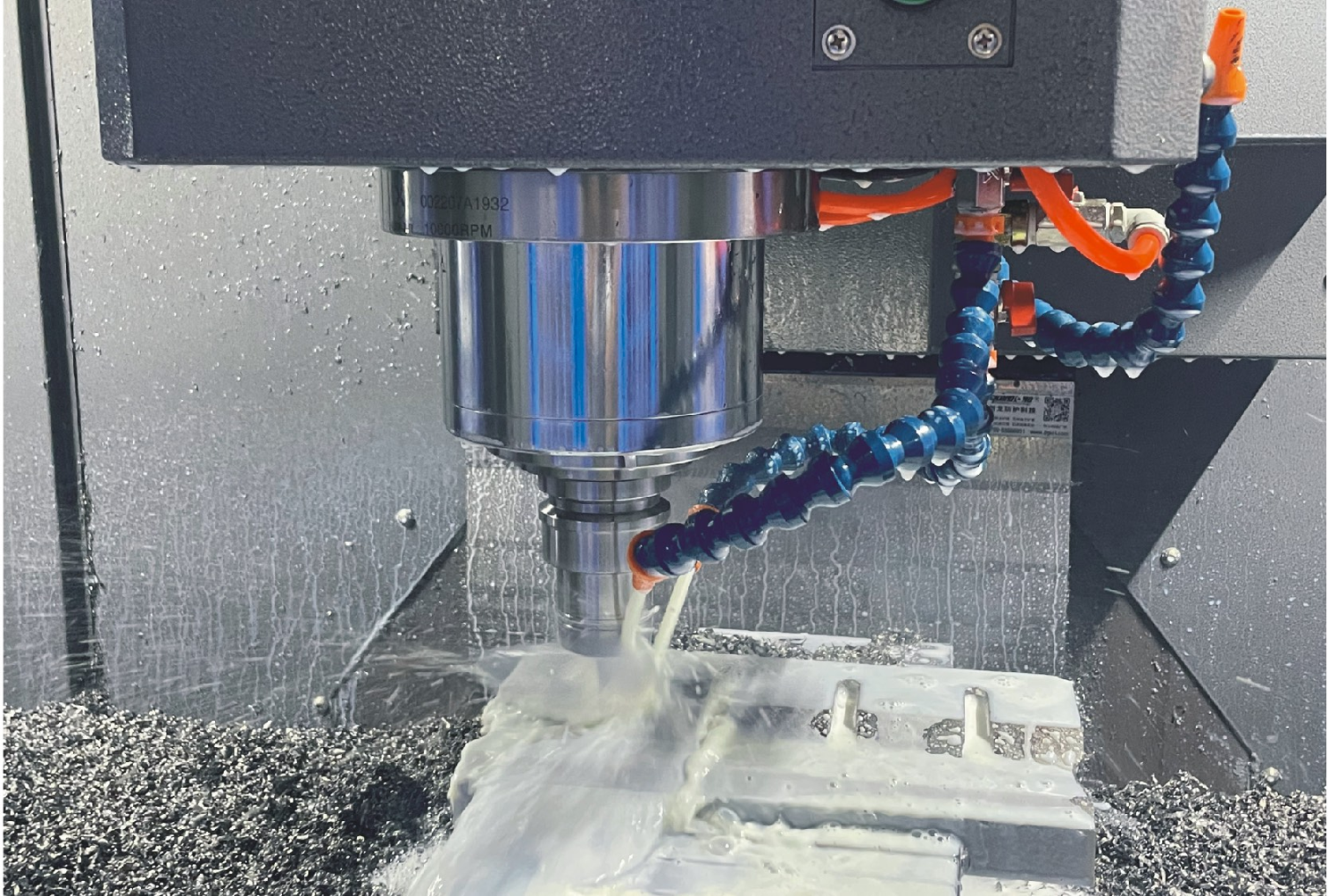
Over 200 physical inspection nodes track components from raw metal bar stock to final assembly. Imported German five-axis machining centers ensure tool dimensions are accurate down to micrometers.
From sheet metal processing, frame stress-relieving, and high-frequency induction hardening to assembly, everything is completed in-house. This protects our lead times and guarantees competitive pricing.
The future of container forming lies in automation, real-time diagnostic systems, and processing flexibility. HQ Machinery is actively executing a development roadmap focused on three key areas:
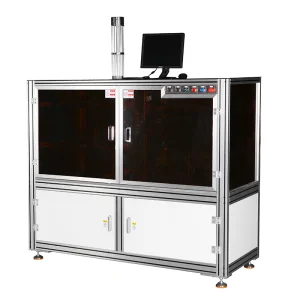
Modern high-speed lines, including the Visual System Cup Inspection Machine, process hundreds of containers per minute. Our systems utilize high-resolution industrial cameras linked with machine-learning inference engines. They instantly detect deformation, surface spots, and rim folding errors. Detected defects are automatically rejected via pneumatic air blasts.
As global regulations phase out traditional single-use plastics, new materials like PBS, PLA, and molded plant fibers present narrow processing windows. Our future machinery systems incorporate precision heater matrices regulated by PID loops. This configuration minimizes energy usage and ensures consistent temperatures across the tooling surface.
HQ Machinery's remote support module helps factory operators monitor performance metrics, temperature variances, and mechanical cycle times. If an anomaly occurs, our technical staff can connect to the machine's PLC over a secure connection to troubleshoot issues.
Modern businesses face strict environmental regulations and corporate sustainability targets. Transitioning to packaging that uses renewable fibers (such as bagasse, bamboo, and recycled paperboard) is a key strategy to meet these goals. HQ Machinery works with corporate clients to design production lines that process alternative fibers efficiently.
We help companies shift from thermoformed plastic trays and cups to biodegradable, hot-press paper and natural fiber cups, meeting environmental packaging standards.
We provide complete production systems, including roll-feeding units, die-cutters, main forming machines, inspection systems, and automated packaging lines.
Our CNC tooling shop develops custom molds for non-standard containers. This allows customers to create unique designs, including non-round profiles and distinct double-wall sleeves.

Operating machinery internationally requires strict adherence to safety codes and local engineering requirements. HQ Machinery platforms carry certifications (including CE certification) that verify compliance with electrical, mechanical, and operational safety rules.
Our after-sales service is built on long-term support. We work with regional distributors and maintain teams of field engineers who travel worldwide to help with system installation, commissioning, and staff training. We provide:
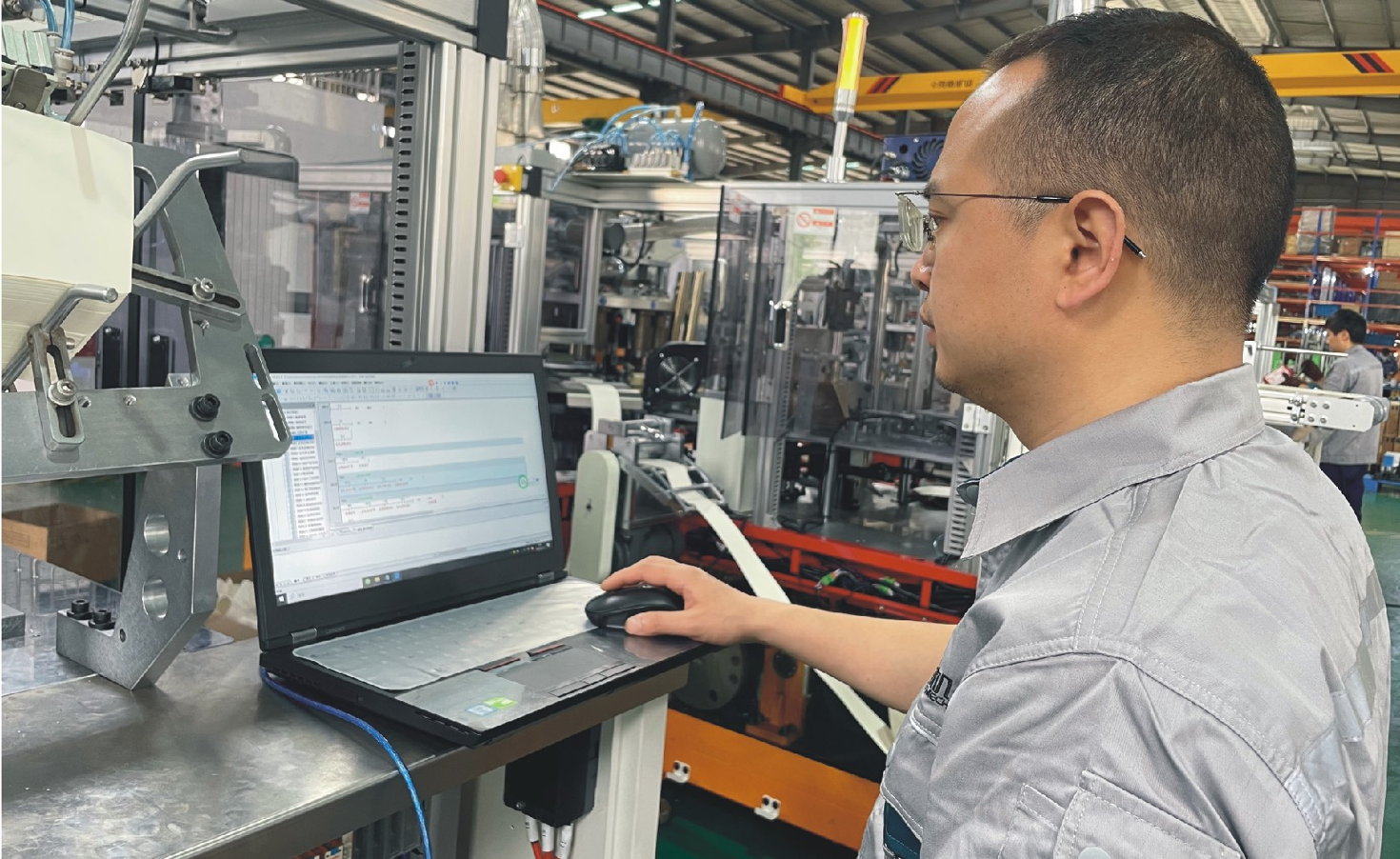
We treat our customers as partners, focusing on shared success. By working closely with clients from initial concept drawings to pilot test runs, we ensure our machinery matches their production requirements.
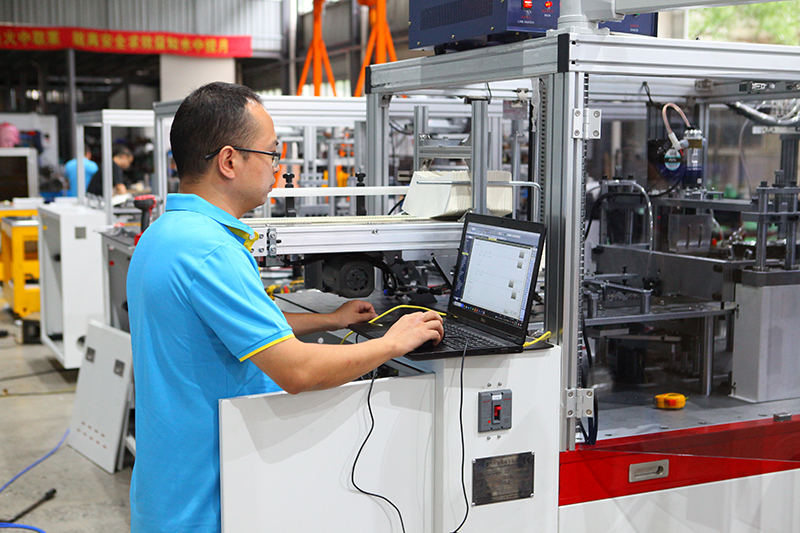
Huan Qiang Machinery is focused on establishing a company culture centered on quality, innovation, and engineering precision. These values guide our work, our relationships with customers, and our approach to design. By focusing on detailed engineering and reliable construction, we help our partners optimize their production efficiency and achieve a strong return on investment.
Our goal is to build long-term relationships where we support your business growth, develop custom tooling solutions for new packaging styles, and adapt our machines to run emerging bio-friendly materials.
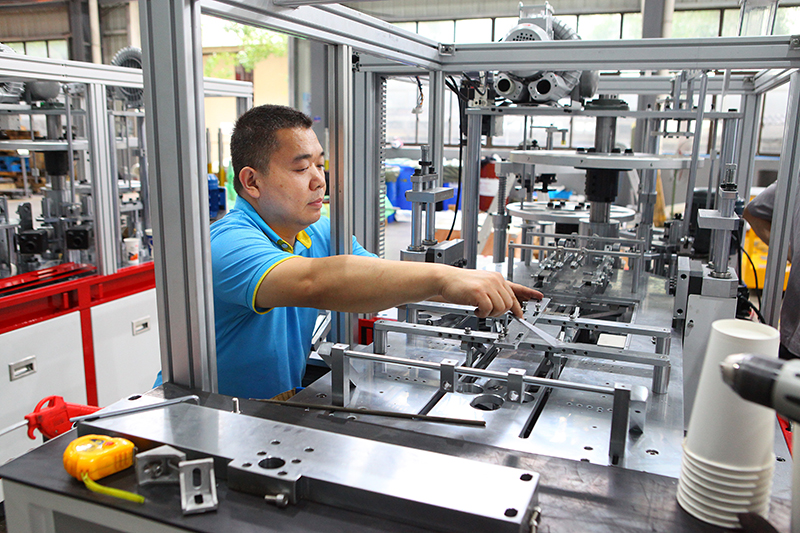
A global packaging distributor required a specialized machinery line capable of forming non-standard container shapes. By utilizing our FCM200 Non-Round Container forming system as a technical template, we designed custom cam tracking systems and heating arrangements that met their production requirements.
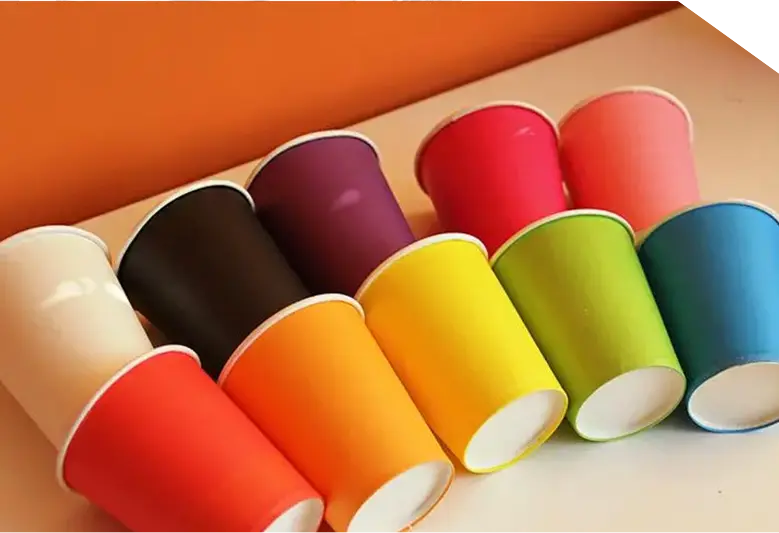
Our engineering team designed specialized mold assemblies to handle complex shape contours. Using high-grade tooling alloys and targeted heat zones, the system maintains consistent seal quality across irregular geometries, running stably at 80 cycles per minute.
Find answers to common technical, manufacturing, and configuration questions about our container forming equipment.
1. Can your machines form specialty containers like Dhoop cups using organic fibers?
Yes. While our standard systems are configured for paperboard containers (like the CM300 and HCM100), we customize our hot-press systems, pneumatic controls, and tooling setups to mold and dry organic fiber mixtures and biomass composites used in dhoop cups.
2. How does the Visual System Cup Inspection Machine integrate with the main forming unit?
The inspection system connects to the conveyor output of the forming machine. It uses high-speed cameras to inspect the rim, bottom, and inner walls of each cup. Defective cups are automatically separated from the production stream.
3. What is the typical lead time for custom tooling and molds?
Standard mold profiles can be produced in 15 to 20 days. Custom configurations for non-round cups (using our FCM200 system as a base) take 30 to 45 days. This includes CAD modeling, CNC machining in our facility, and production testing.
4. How do you handle electrical and mechanical compliance for international markets?
Our machinery is designed and built to meet European safety standards (CE certification) and American electrical codes. We install high-quality components from international brands like Siemens, Schneider, and Omron to ensure parts can be sourced locally.
5. What remote maintenance services do you provide for international clients?
Our machines feature a network-connected PLC module. With the customer's permission, our technicians can connect to the machine remotely to monitor sensor states, adjust parameters, and troubleshoot control issues, helping resolve most operational questions without onsite service.
Choose the right system for your production requirements, backed by 27 years of manufacturing experience.
 Huan Qiang