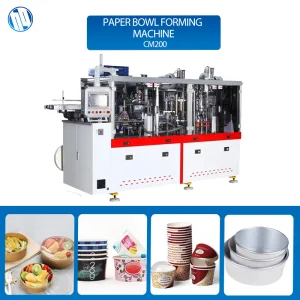
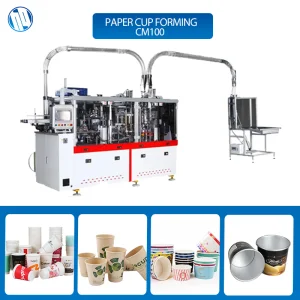
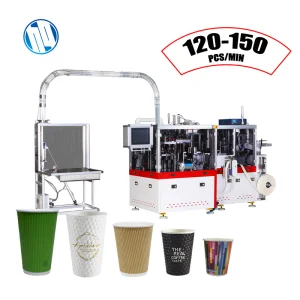
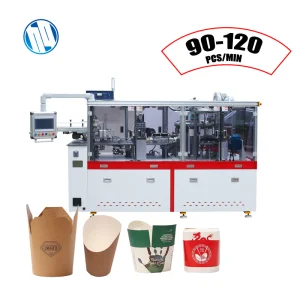
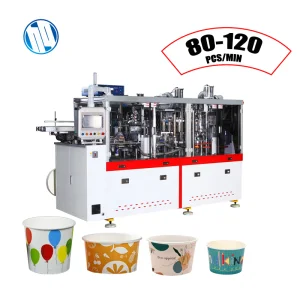
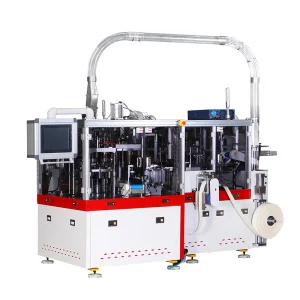
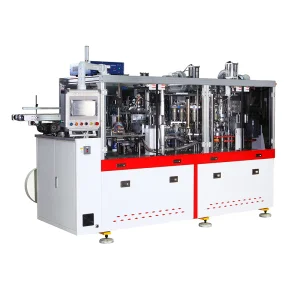
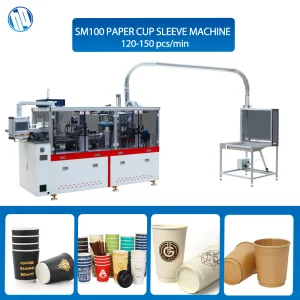
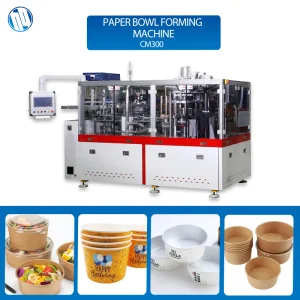
In the modern packaging landscape, thermal management has transitioned from a convenience feature to a regulatory and brand requirement. Driven by strict international single-use plastic restrictions (such as the EU's SUPD directive) and the universal shift towards sustainable packaging, food and beverage brands are actively replacing standard plastic cups and single-wall cups with insulated double-wall alternatives. Double-wall paper cups—comprising an inner paper cup structurally bonded to an outer protective paper sleeve—provide a critical stagnant air barrier that reduces thermal conductivity. This insulates hot beverages like lattes, teas, and soups, maintaining liquid warmth while keeping outer surface temperatures safe for consumer handling.
For manufacturers and packaging wholesale suppliers, setting up a high-speed, reliable production line requires investing in high-grade double wall cup machines. Integrating this equipment helps minimize paperboard waste, lower energy consumption during adhesive application, and achieve the precise dimensional accuracy needed for high-speed lid-capping compatibility.
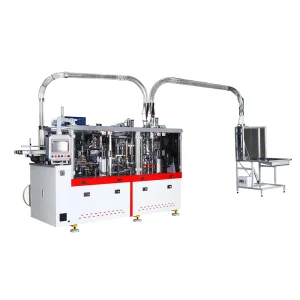
Double-wall and ripple cups are engineered using a precise layering process. A standard single-wall cup is fed into the machine's primary mandrel, while a secondary feeder handles the outer sleeve die-cut. The sleeve is wrapped, glued, and bonded around the inner cup shell. The efficiency of a double wall cup machine depends on several mechanical design factors:
Adhesion requires exact nozzle micro-deposition. Utilizing advanced hot-melt and cold-glue systems, our sleeve machines apply glue pattern dots within a tolerance of ±0.2mm, preventing overflow or structural failure.
High-torque indexing gearboxes link the sleeve feeding, gluing, and insertion stations. Compared to pneumatic systems, our mechanical cam system ensures alignment at operating speeds over 100 cups per minute.
Our tooling design adapts to various sleeve profiles, including smooth, corrugated (ripple), hollow, and complex embossed surfaces, enabling quick production changes.
Huanqiang Machinery (HQ Machinery) designs machinery around these primary mechanical requirements. By manufacturing components in-house using advanced CNC centers, we prevent synchronization errors common in outsourced assembly setups. This engineering approach ensures that every sleeve aligns correctly, preserving the air gap essential for insulation.
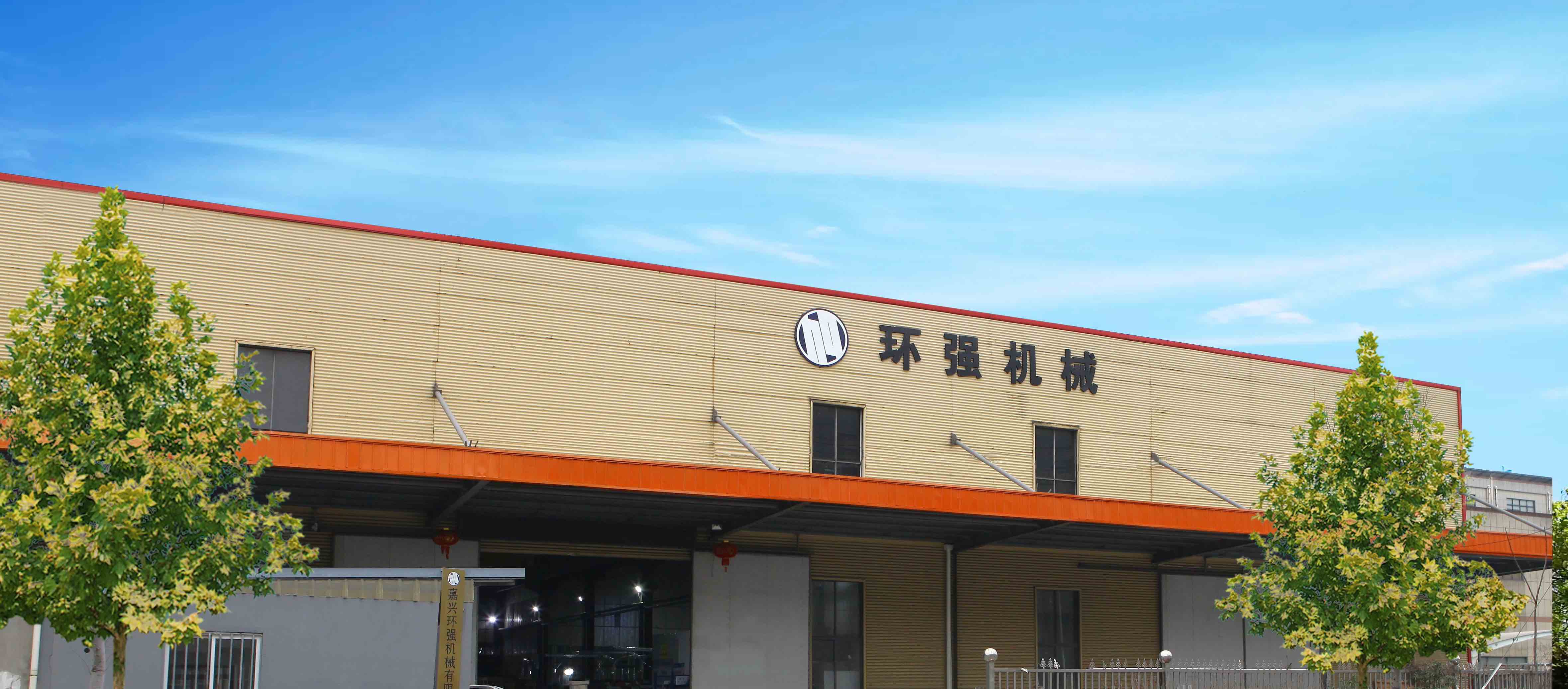
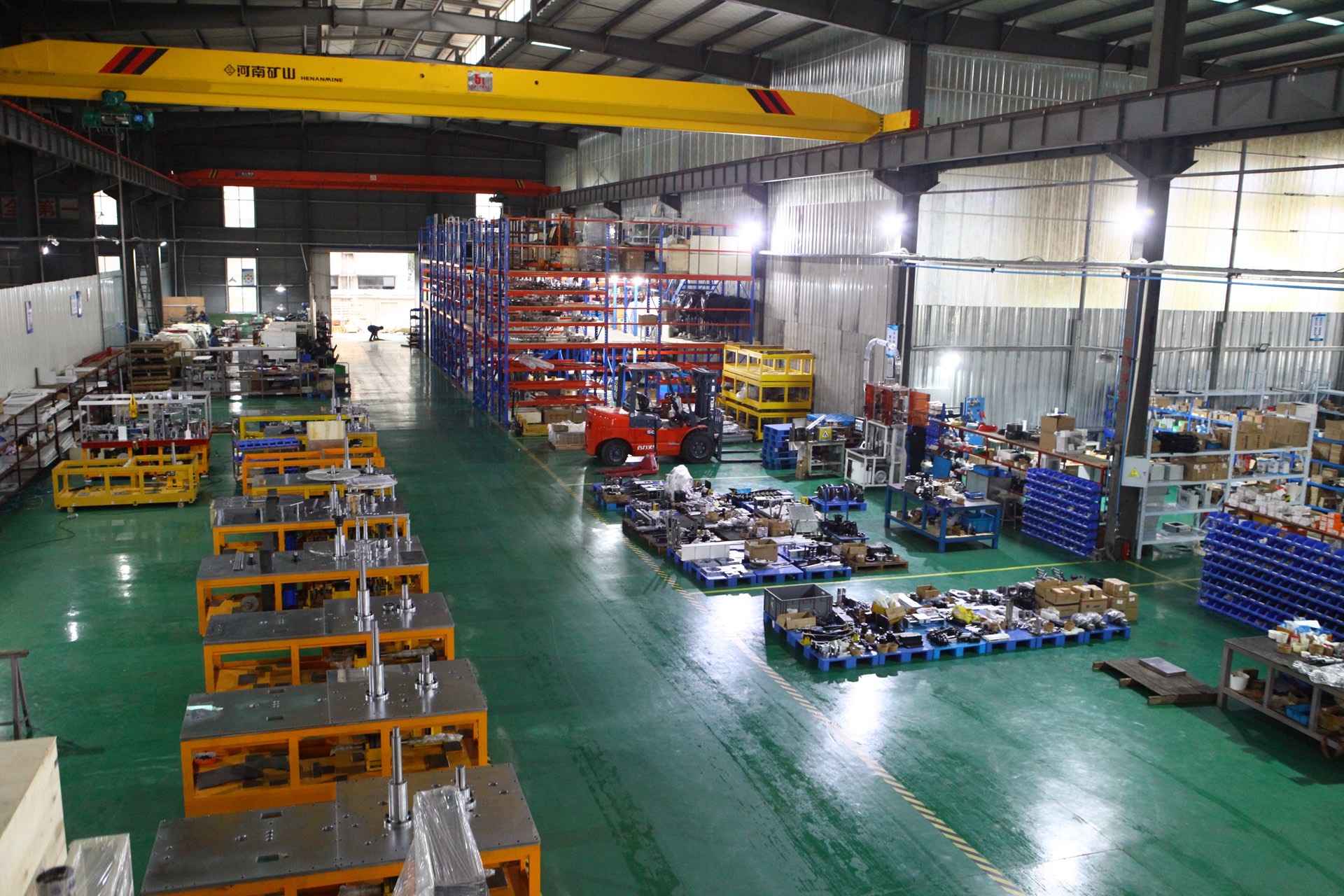
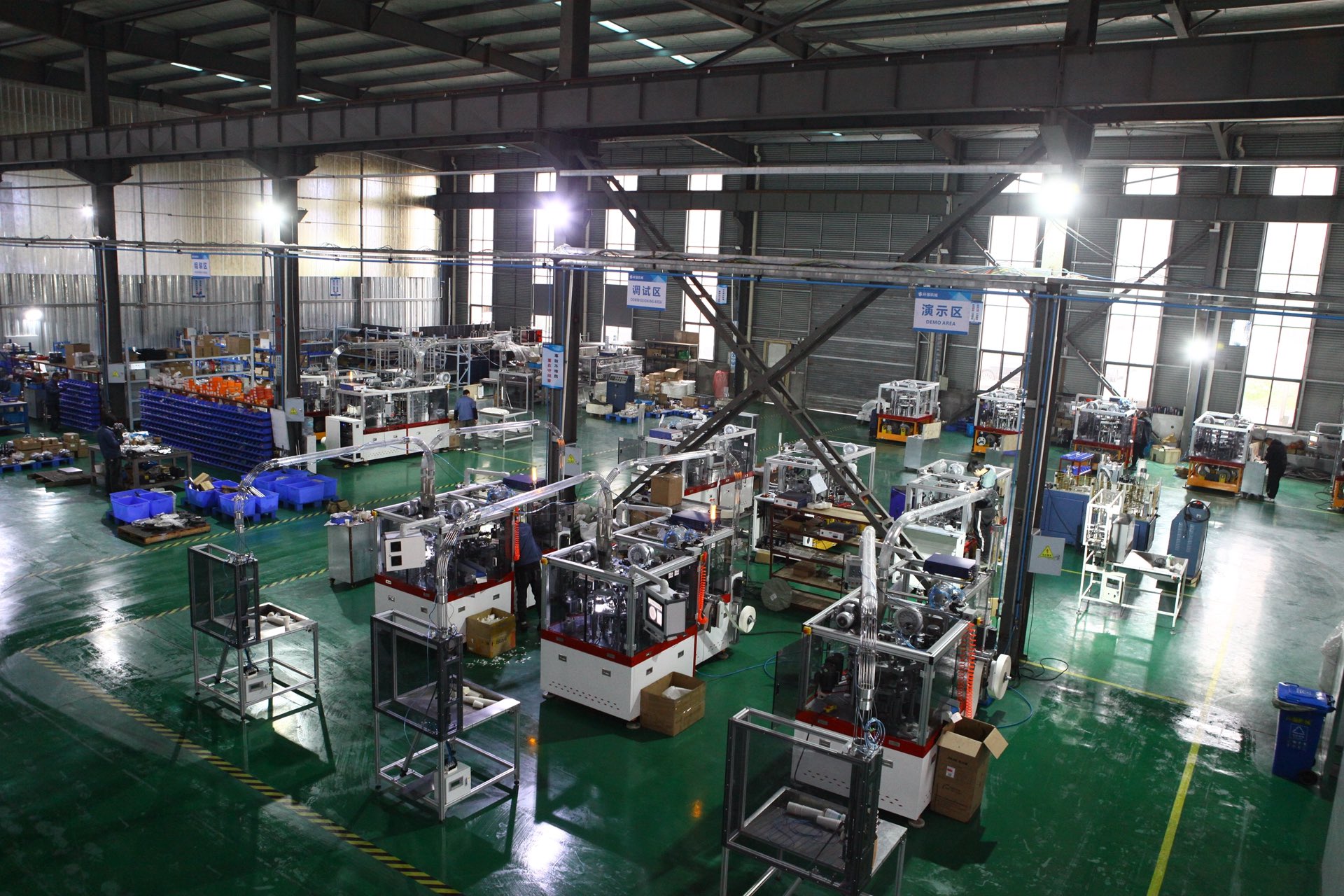
For 27 years, Huanqiang Machinery has focused on a single objective: making paper container forming equipment faster, more stable, and safer for global operations. What began as a regional precision workshop has grown into an international manufacturing partner offering complete container production lines.
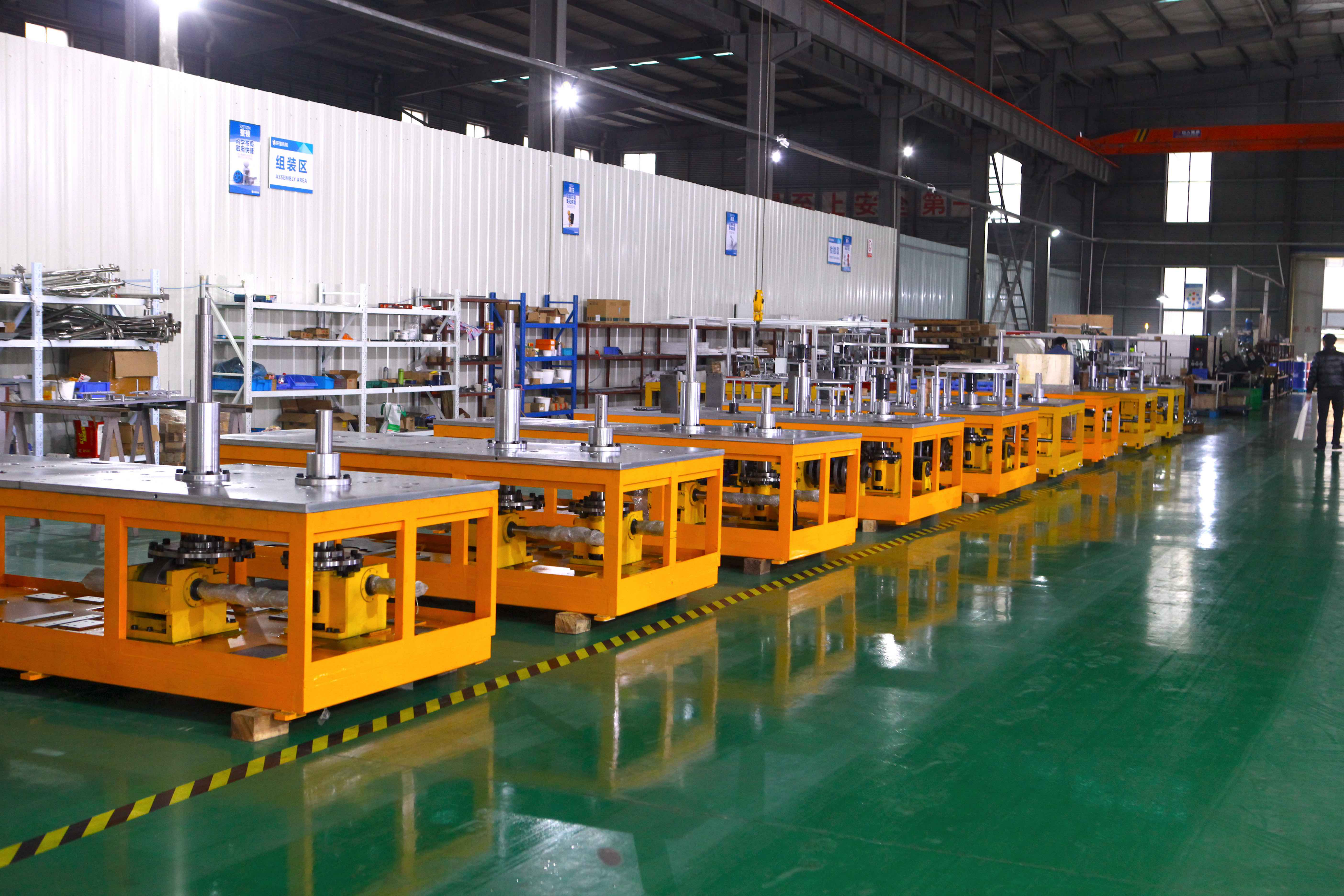
Our in-house capabilities include raw sheet metal processing, high-precision machining, system integration, and final performance verification. We operate a dedicated, independent R&D center led by experienced engineers with decades of industry experience. Over the years, we have integrated features like modular PLC controls, multi-servo configurations, and real-time visual inspection systems into our machines.
By producing our mechanical components and tooling in our CNC processing center, we maintain strict quality control. This minimizes run-in times and ensures long-term operational stability on the factory floor.
To assist procurement managers and packaging engineers, the comparison table below outlines the performance difference between HQ Machinery's specialized SM100 Series and standard alternatives.
| Performance Metric | SM100 High-Speed Series (HQ Machinery) | Standard Market Alternatives |
|---|---|---|
| Production Capacity | 80 – 100 cups / minute (stabilized) | 50 – 70 cups / minute |
| Drive Transmission System | Heavy-duty cam indexing & gear mechanical linkage | Chain-driven with basic pneumatic actuators |
| Sleeve Type Compatibility | Ripple, smooth, hollow, embossed paperboard | Smooth sleeves only, requires manual reconfiguration |
| Adhesive Precision | Micro-nozzle hot-melt with ±0.2mm positioning | Standard spray nozzle (±1.0mm positioning) |
| Lubrication System | Automated oil recycling & filtration system | Manual lubrication points |
| Optical Inspection | Integrated visual system for checking sleeve and lip defects | Manual sampling inspection required |
| Tooling Changeover Time | Modular tooling swaps completed in under 4 hours | 8 – 12 hours with specialized engineering tools |
One of the primary challenges for modern cup forming machinery is processing new, eco-friendly barrier materials. Traditional PE-lined paperboards are being replaced by bio-based PLA (Polylactic Acid) and water-based, plastic-free dispersion coatings (aqueous coatings). Because these newer coatings respond differently to friction and heat sealing, they require precise temperature controls to avoid blistering or delamination.
Dispersion coatings are more heat-sensitive than polyethylene. Our SM100 series double-wall sleeve machines apply pressure-controlled, low-friction sleeve styling to prevent tearing, preserving the integrity of plastic-free barrier layers.
Polylactic Acid (PLA) films require tight sealing temperature control. HQ Machinery's hot air sealing modules use digital temperature regulators to adjust thermal output dynamically, maintaining solid structural seams at speeds of 100 CPM.
This materials-focused design helps ensure that our double-wall machines remain compatible with future packaging substrates, allowing manufacturers to adapt to changing environmental standards without replacing their core machinery.
The applications for double-wall containers span various commercial food service sectors, each with specific requirements for structural integrity and heat retention:
High-volume quick service environments rely on consistent cup dimensions. Our machines produce double-wall cups that fit securely in standard auto-dispensers, helping prevent hot beverage spills.
Airlines require insulated, rigid cups to prevent burns during turbulence. The double-wall design adds structural strength, helping the cup resist deformation under pressure.
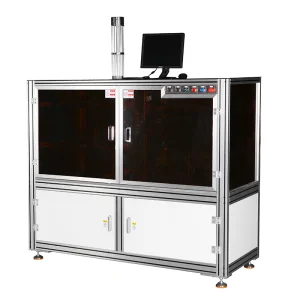
Automated vending machines demand tight dimensional tolerances to prevent cup jams. Our visual inspection system ensures each cup is within specification for trouble-free dispensing.
Instant noodles, porridges, and soups require packaging that can withstand boiling water. The air gap in our double-wall containers keeps outer surfaces cool enough to hold.
Cam-driven systems link mechanical movements directly, ensuring long-term synchronization at high speeds and minimizing vibration. Pneumatic systems are generally cheaper but can experience timing shifts due to variations in air pressure, making them less suited for high-speed, continuous production.
The SM100 features adjustable mechanical feeds and pressure rollers to accommodate sleeve weights from 210 to 350 gsm. The feeding systems use fine-threaded dial adjustments to adapt to different paperboards, preventing double-feeding and jams.
Yes. The hot air heating profiles, gluing cycles, and surface-contact parts of our machines are optimized to process aqueous-barrier and PLA-coated boards, preventing heat damage or peeling of the barrier coating.
We maintain over 200 QA inspection checkpoints, tracking everything from raw steel to component machining. Fully assembled machines undergo a continuous 72-hour high-speed fatigue run to ensure they perform reliably before leaving the factory.
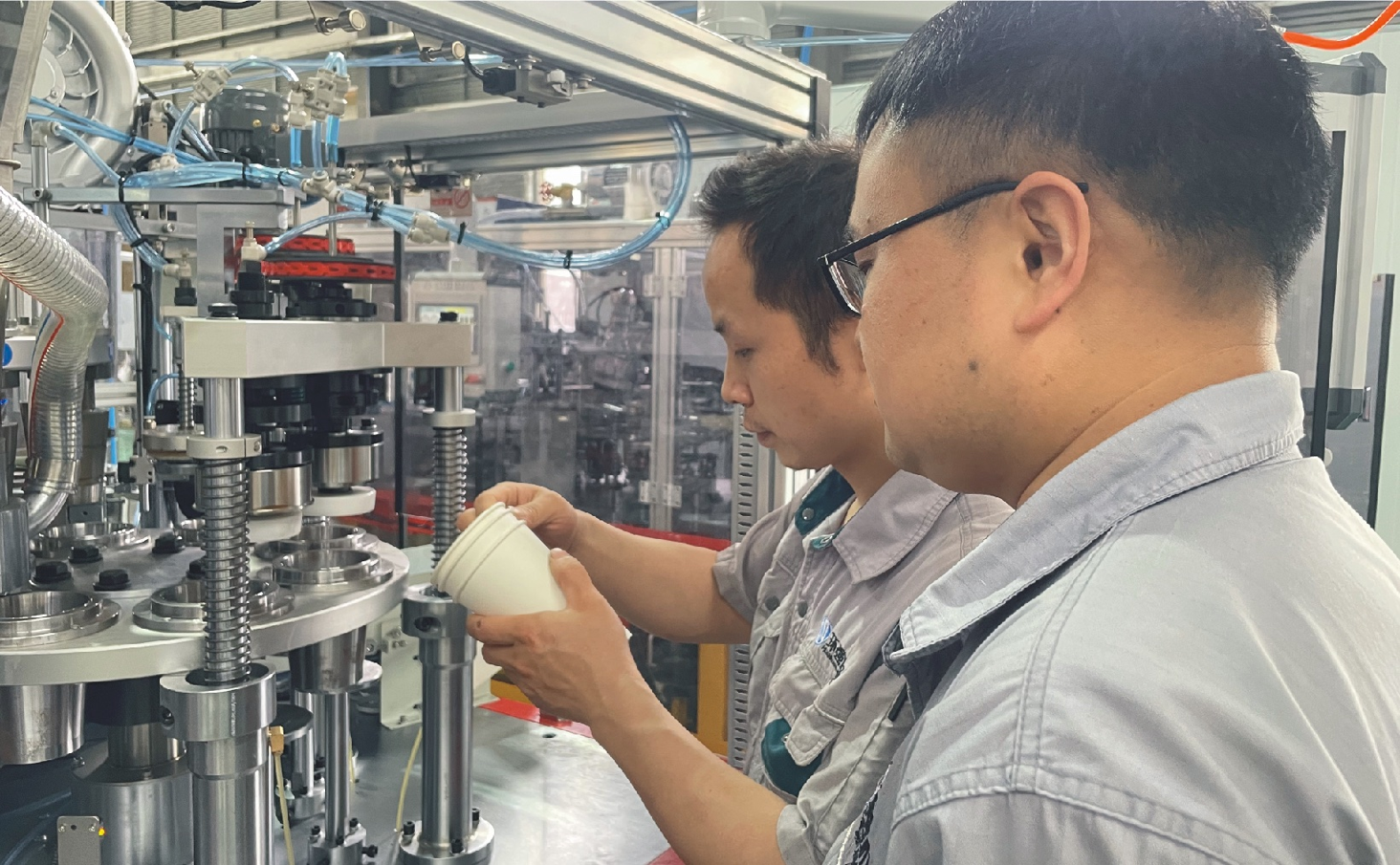
Our machines use modular tooling that is easily accessible. Experienced operators can change out the mandrels, sleeve wrap templates, and ejection systems within 4 hours, minimizing machine downtime.
No, the machine features a built-in automated oil recycling and filtration system. It pumps lubricant directly to the main bearings and gears, filtering out micro-debris and reducing manual maintenance requirements.
Through an integrated internet module, our technical team can monitor real-time operating metrics, read PLC fault codes, and troubleshoot software issues remotely, which helps resolve approximately 90% of operation issues online.
 Huan Qiang