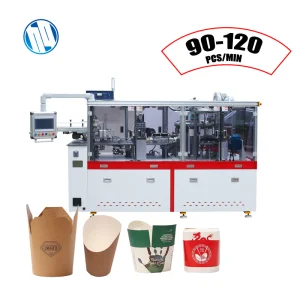
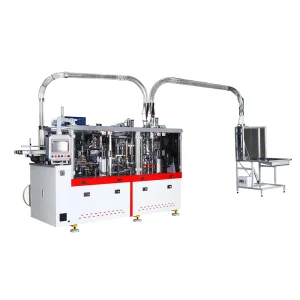
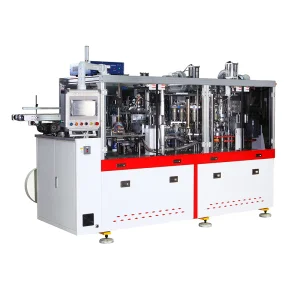
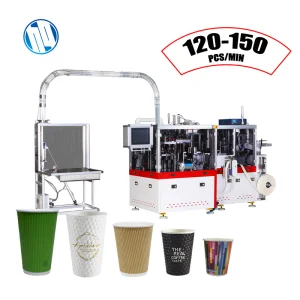
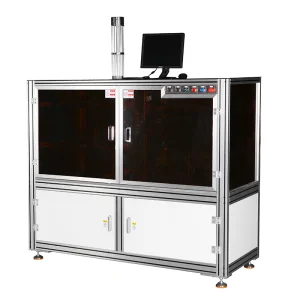
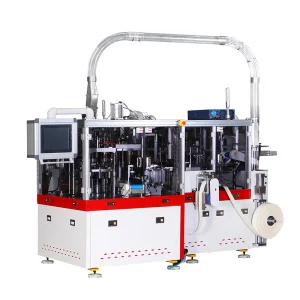
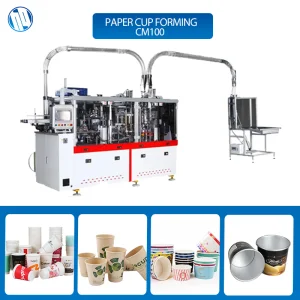
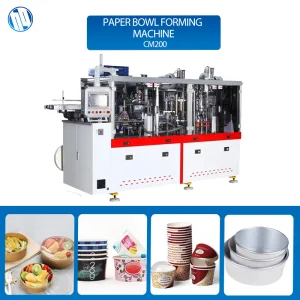
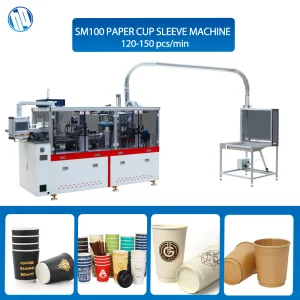
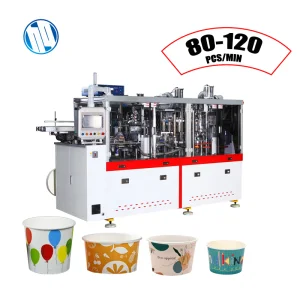
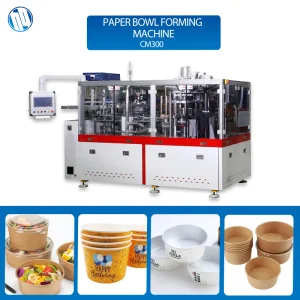
Integrate directly with PE coated board stocks to achieve seamless, high-speed heat and ultrasonic sealing performance.
A comprehensive analysis of market dynamics, polymer extrusion technologies, and the path to sustainable packaging.
In the paper container manufacturing ecosystem, the extrusion coating process serves as the foundational barrier layer. PE (Polyethylene) coating machines utilize a high-temperature extrusion die to apply a uniform, thin film of molten plastic onto raw kraft or cupstock paper. This creates a composite barrier that resists liquid penetration, moisture transfer, and greasy substances.
However, as global regulatory frameworks shift under directives like the EU Single-Use Plastics Directive (SUPD) and FDA food-contact regulations, the commercial demands on suppliers and factories are changing. Today's high-speed forming machines, such as the HCM100 and CM300, run at speeds of up to 150 cycles per minute. At these limits, minor variations in coating thickness, surface tension, and polymer molecular structure can lead to container defects, split seams, or machine jams.
Tolerances under ±0.5 g/m² across the web width are mandatory to prevent localized overheating or sealing failure during cup bottom curling.
Advanced factories are upgrading to co-extrusion systems that allow thin layers of PLA, PE, or aqueous-based dispersion barriers to run on the same line.
Optimized corona discharge treatments ensure that the coated surface retains paint/ink during printing, and adheres during high-speed thermal sealing.
Choosing the right polymers, biopolymers, or dispersion systems to align with cost, environmental policies, and machinery compatibility.
| Barrier Material Type | Application Method | Heat-Seal Temperature | Compostability / Recyclability | Best Downstream Forming Equipment |
|---|---|---|---|---|
| Low-Density Polyethylene (LDPE) | Extrusion Coating | 160°C - 210°C | Low Recyclability | HCM100, CM100, SM100 |
| High-Density Polyethylene (HDPE) | Extrusion Coating | 180°C - 230°C | Low Recyclability | FCM200 (Non-round, rigid applications) |
| Polylactic Acid (PLA) | Biodegradable Extrusion | 140°C - 180°C | Industrial Compostable | CM300, CM200 (Requires lower heat, high pressure) |
| Aqueous Dispersion Barrier | Blade / Metering Size Press | Ultrasonic Sealing Recommended | 100% Repulpable | HCM100 with Ultrasonic Bottom Sealers |
When sourcing PE coated paperboard from suppliers, container factories must monitor the Coefficient of Friction (CoF) of the coated film. Extrusion coating lines must carefully dose slip agents. If the CoF is too high, the paperboard blanks will stick to the feeding magazine of high-speed cup formers like the CM100. If the CoF is too low, the bottom disc blanks will slip out of place before indexing, resulting in bottom leaks. Modern smart coating lines utilize online micro-topography scanners to measure surface roughness in real-time, preventing these downstream structural flaws.
For over 27 years, our family of precision engineering solutions has defined paper container manufacturing in China and across the globe.
Since our first paper cup machine was hand-calibrated, we've focused on one goal: making paper container production faster, more stable, and safer for global brands. Huanqiang Machinery (HQ Machinery) has evolved into an elite manufacturing expert, integrating standard round cups, square cups, special-shaped containers, paper bowls, and paper lids under unified production lines.
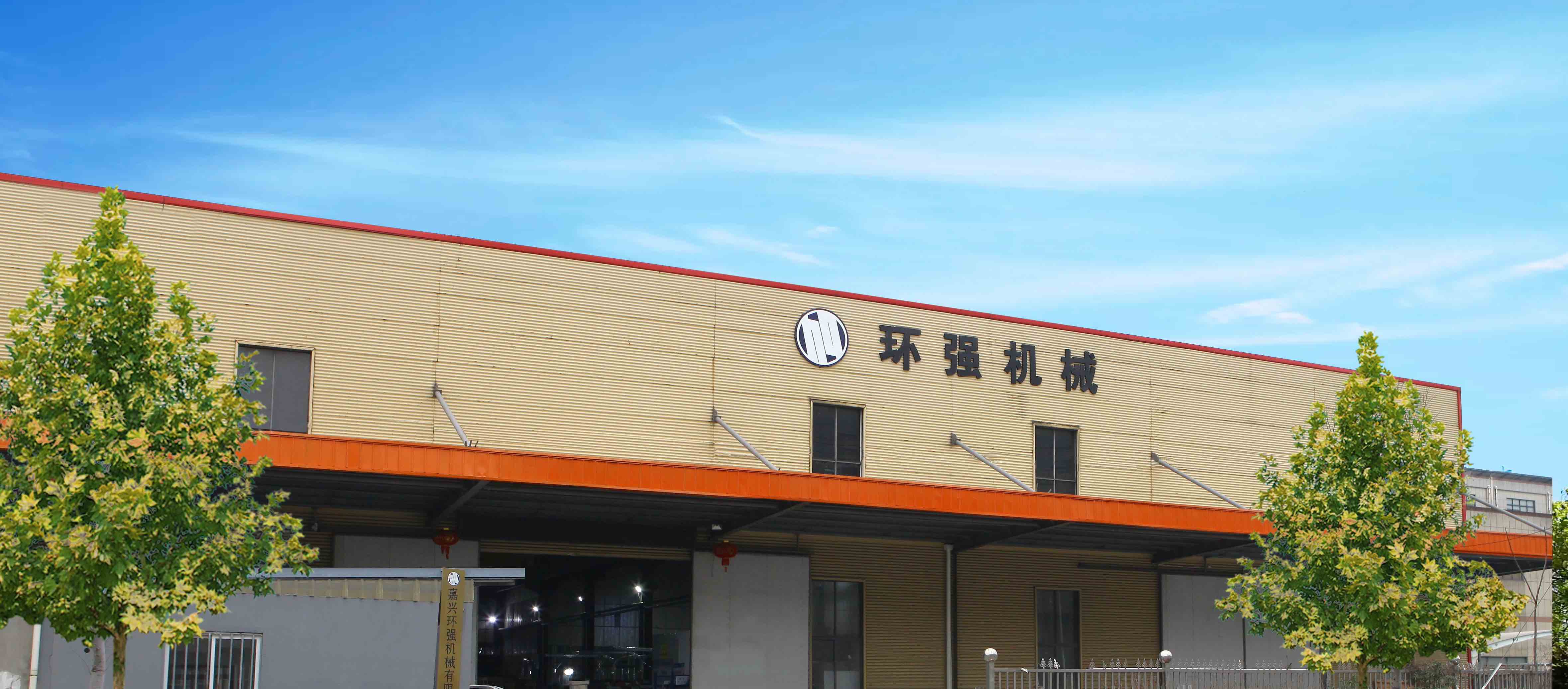
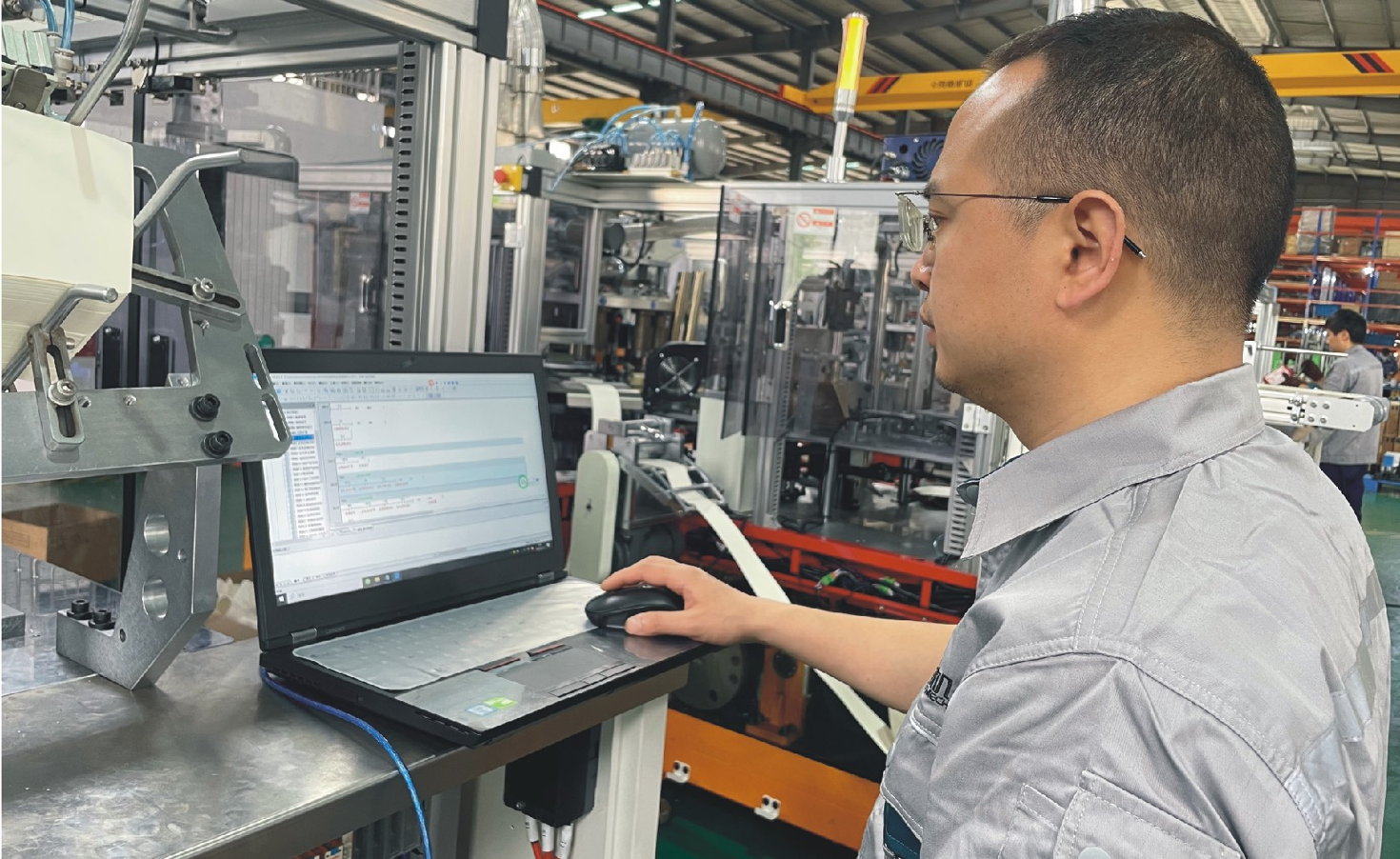
Led by seasoned machinery veterans, our independent R&D center is backed by complete intellectual property portfolios. Our annual R&D investments exceed average standards, developing game-changing modularization, servo-driven axes, integrated visual inspection systems, and advanced remote predictive maintenance dashboards that make software/firmware updates effortless.
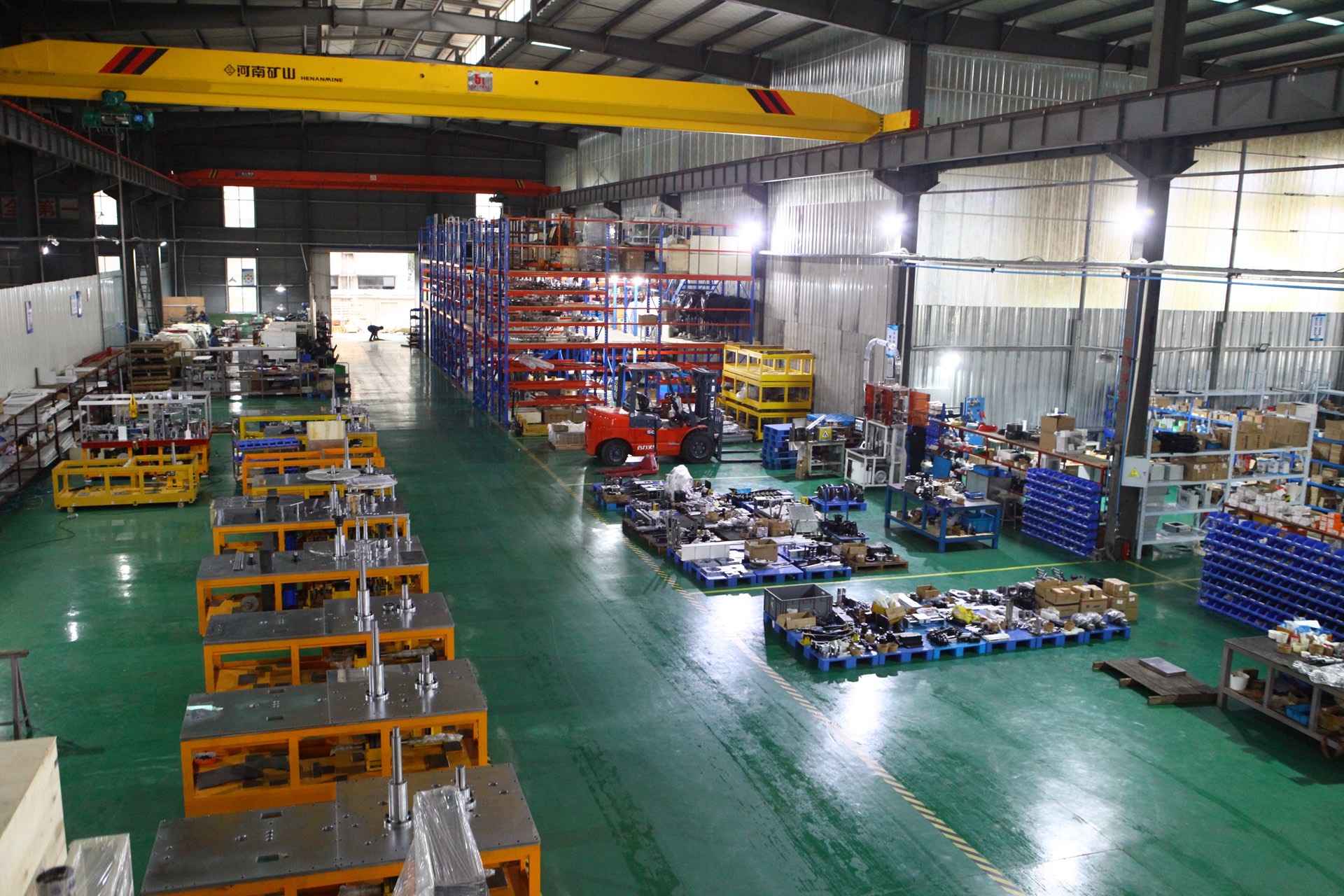
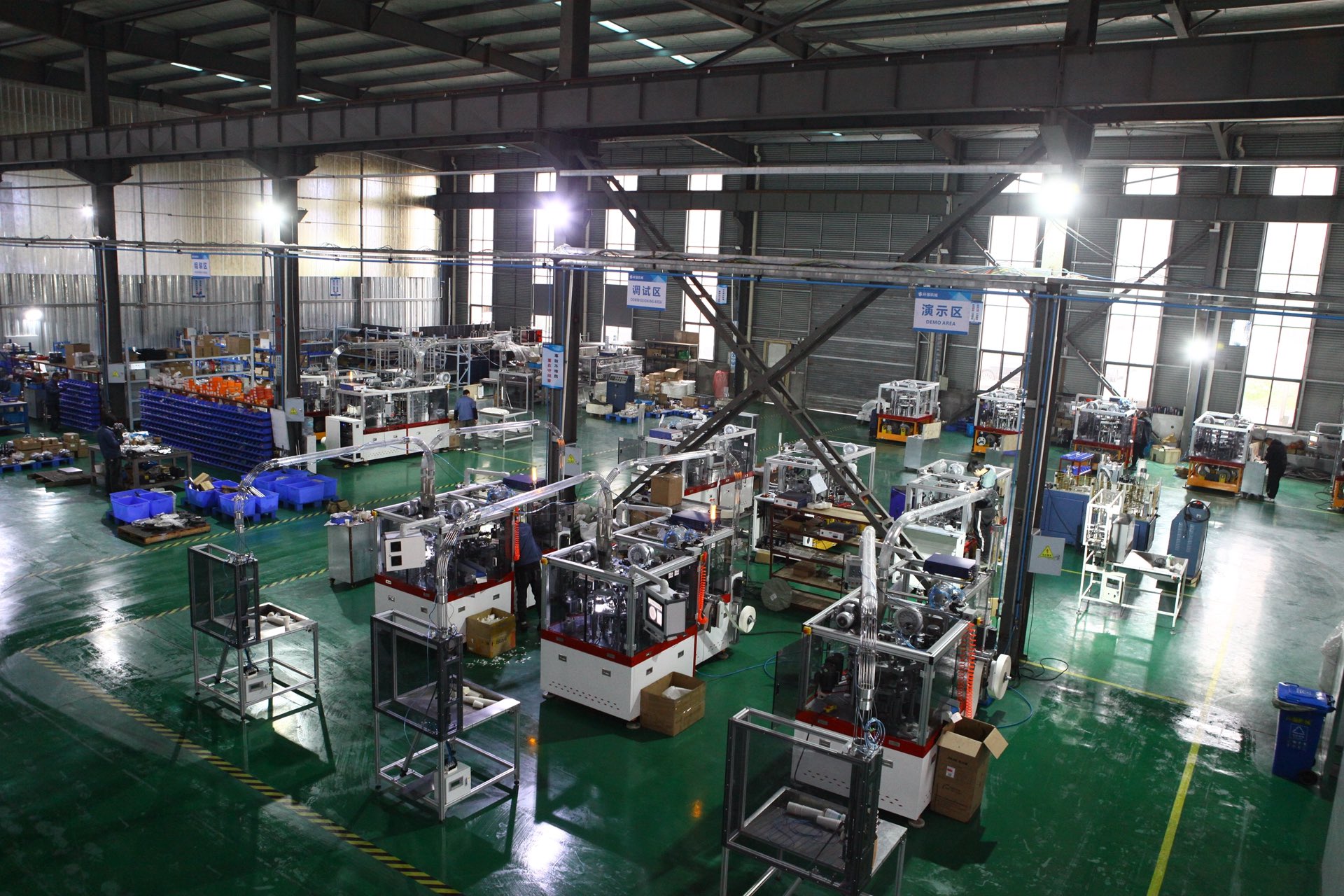
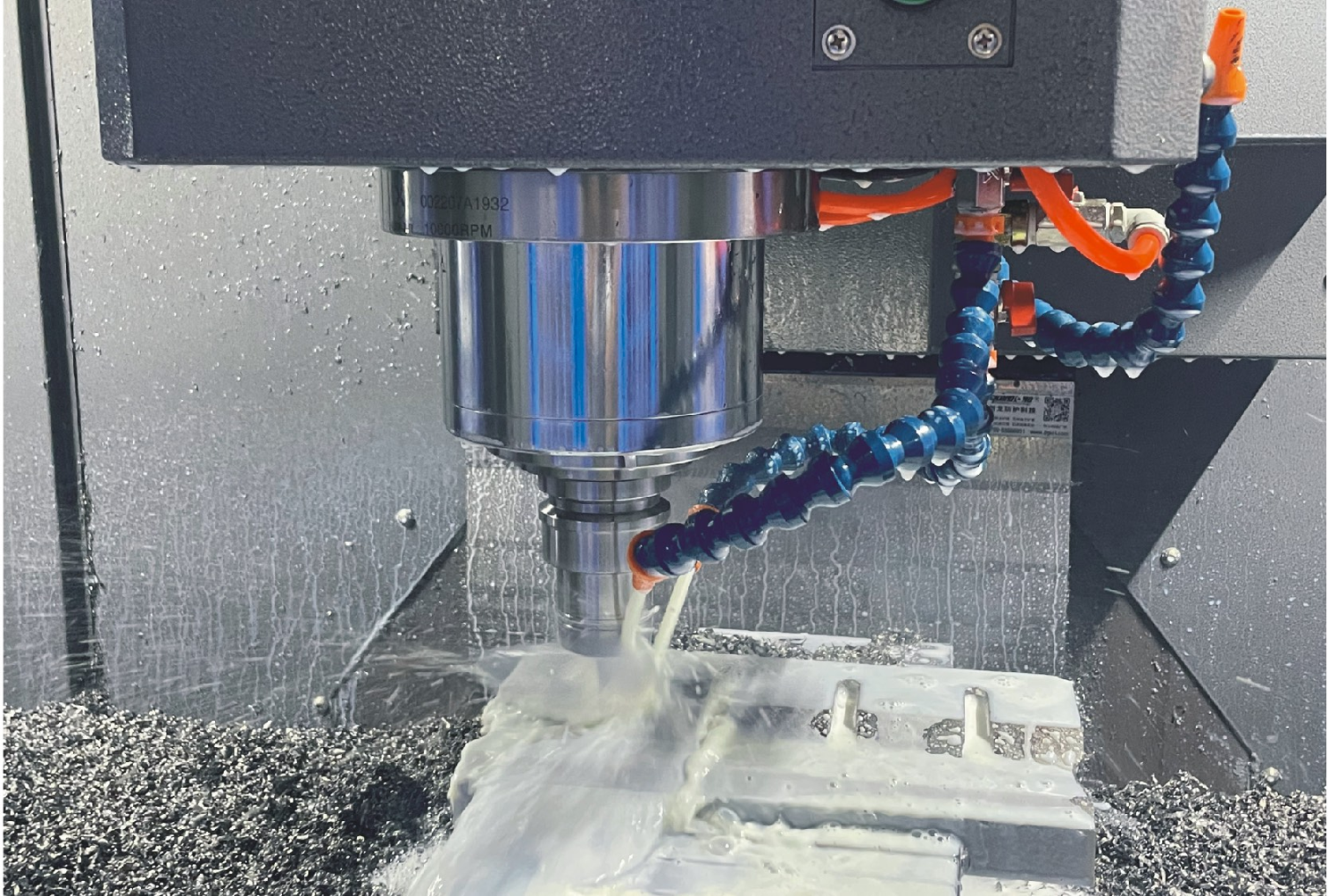
Our raw materials and sub-components are audited through 200+ testing nodes, ensuring complete production traceability. Our standardized manufacturing site features state-of-the-art imported German five-axis machining centers. This allows us to mill parts to tolerances of less than 10 microns, eliminating the break-in period at your factory.
From sheet metal fabrication and structural welding to the final precision assembly, we process everything internally. This eliminates third-party logistics overheads, ensures highly competitive factory pricing, and guarantees deliveries on time. Custom molds and specialized container components are designed and produced in as little as 48 hours.
We treat our clients as long-term strategic partners. From the initial layout planning of your paper cup facility to test runs, training, and remote online trouble-shooting that resolves 90% of technical challenges within minutes, HQ Machinery is committed to helping you capture maximum market share.
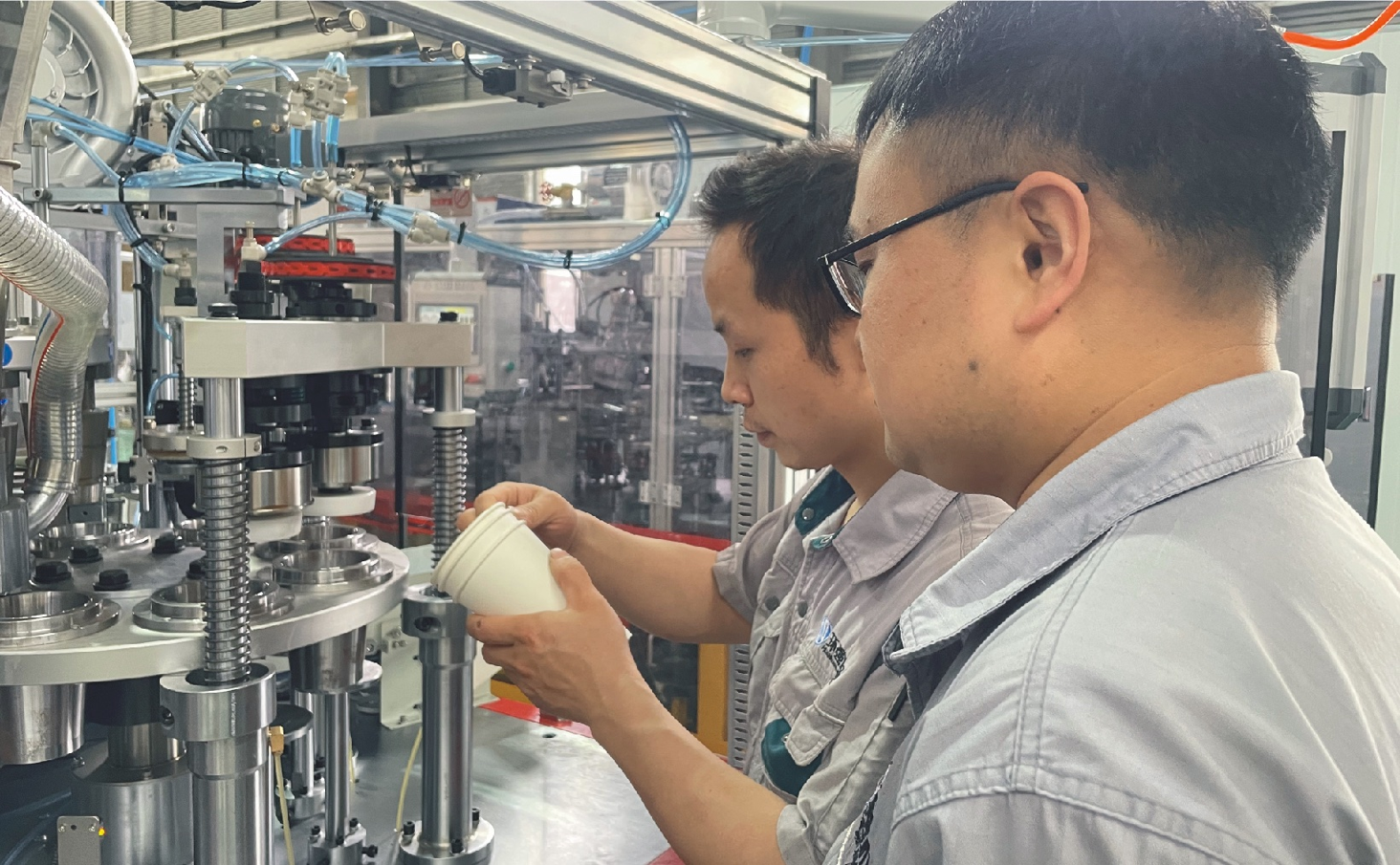
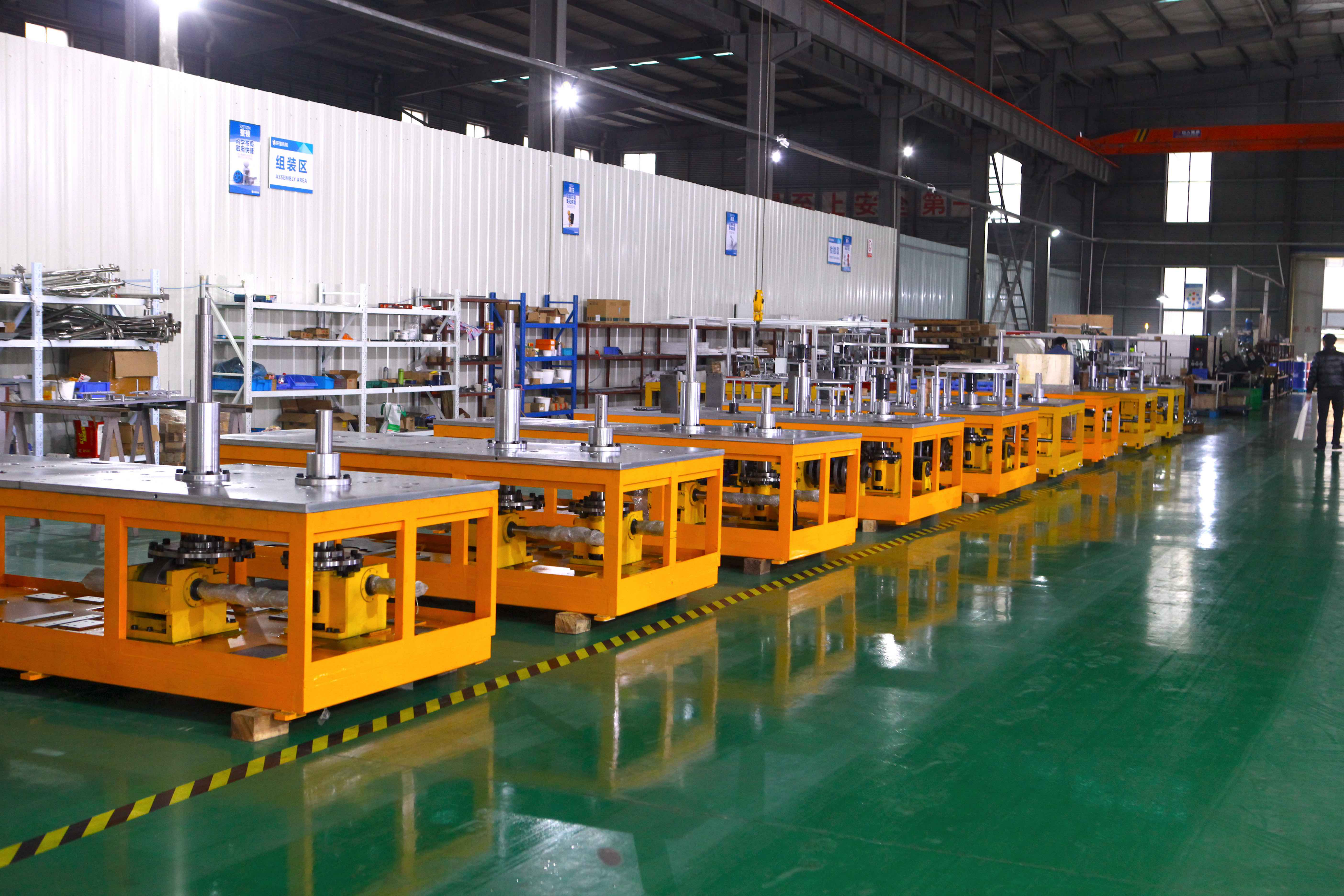

Optimizing manufacturing workflow from raw paper roll feeding to final shrink-wrapped paper cup cases.
A high-output packaging plant requires clean alignment between the PE/PLA extrusion coating line and the high-speed paper cup forming hall. The diagram below illustrates the macro-level process integration that guarantees structural integrity, food safety, and waste minimization.
In North American regions, fast-food retail demands heavy-duty double PE-coated structures to handle cold milkshakes and condensation-heavy sodas. The bottom seal must withstand static hydraulic pressures for over 24 hours. Conversely, the Western European markets prioritize ultra-thin PLA bio-coatings or compostable water-based barriers. Huanqiang's modular heating units on the CM300 are uniquely engineered to adjust dwell times and pressure parameters instantly, allowing operators to run varying materials without changing mechanical hardware.
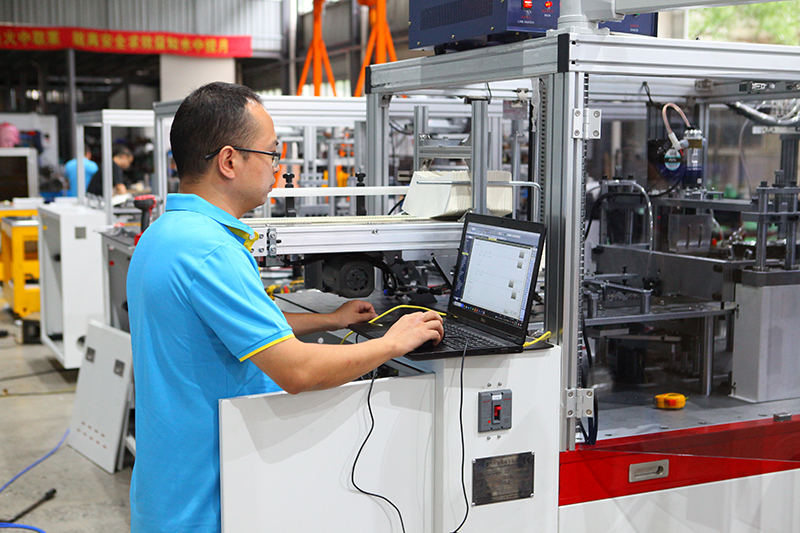
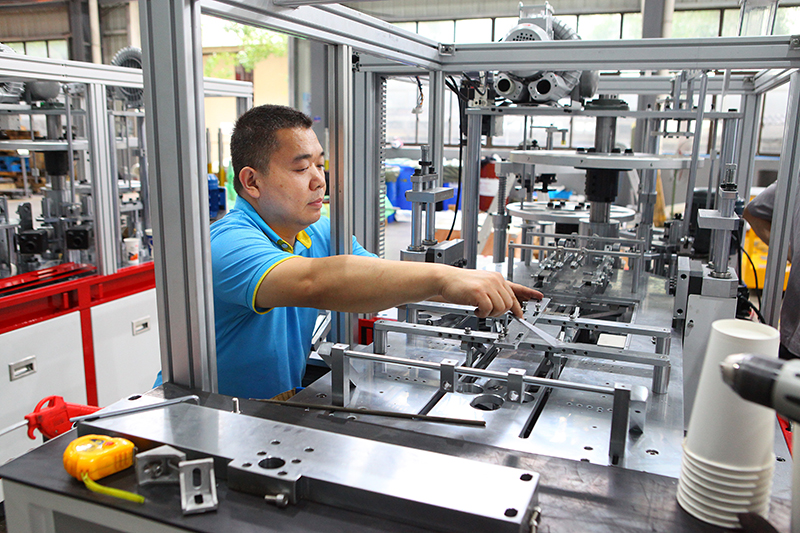
Industry-specific solutions addressing common problems encountered by production managers, machine operators, and factory buyers.
Bridging the gap between polymer coating chemistry and mechanical high-speed forming technology.
Our research shows that paperboard stiffness can vary based on ambient humidity and the thickness of the PE coating. This means forming systems must adapt in real-time. HQ Machinery's proprietary sealing assemblies feature dynamic thermal controllers that automatically adjust welding temperatures depending on machine running speed.
Enhance your facility's productivity with our comprehensive lineup of advanced forming, sleeving, and visual inspection systems.
 Huan Qiang