Optimized for Southern Cross industrial reliability. Real-time vision arrays configured for local compostable coatings and heavy-duty weights.
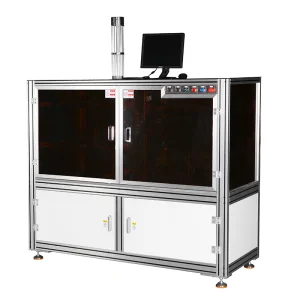
Integrated multi-camera arrays detecting rim defects, bottom containment, and inner wall uniformity for NZ beverage manufacturers.
Learn More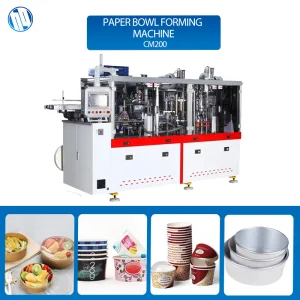
High-speed machinery tailored for eco-friendly square and non-round takeaway boxes, matching New Zealand QSR packaging shapes.
Learn More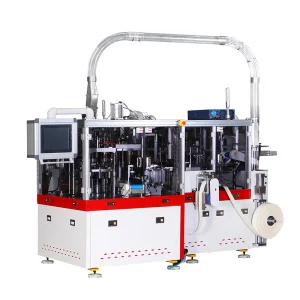
Engineered for large-capacity containers, smoothies, and specialty dairy packaging with precise height calibration.
Learn More
High-speed visual validation system utilizing German sensors to screen for surface wrinkles and coating variations.
Learn MoreNew Zealand's commercial packaging landscape has transformed rapidly under the Waste Minimisation Act and the progressive phase-out of hard-to-recycle single-use plastics. Today, food brands, dairy giants, and quick-service restaurant (QSR) chains across Auckland, Wellington, and Christchurch are shifting entirely toward compostable, bio-coated, and aqueous barrier paper cups. While these plant-based coatings (such as PLA and water-based dispersion barriers) support the Clean Green New Zealand ethos, they introduce unique physical complexities during the cup forming process.
Sustainable coatings are frequently sensitive to forming heat and pressure fluctuations, which can lead to micro-tears, rim wrinkles, and seam failures. Because manual sorting is slow and error-prone, installing automated visual inspection machines directly into the production line has become critical. Our advanced vision systems guarantee that every cup meets strict MPI (Ministry for Primary Industries) safety benchmarks, eliminating mechanical failures before they reach the consumer.
Modern high-speed paper cup production requires real-time inspection. HQ Machinery's integrated visual systems use high-resolution CCD cameras coupled with industrial telecentric lenses to capture 360-degree high-definition images of the cup rim, internal walls, and bottom structure. The processing unit analyzes these frames in milliseconds, identifying defects as small as 0.1mm.
Defective units are automatically redirected using an ultra-fast pneumatic reject gate, keeping the packaging line moving without stopping. This allows New Zealand operators to run high-volume shifts with minimal labor oversight, countering local worker shortages and keeping operating margins high.
27 Years of Precision Engineering in Paper Container Forming Machinery
For 27 years, Huanqiang Machinery has focused on one goal: making paper container production faster, more stable, and safer globally. Our intelligent lines cover round cups, square cups, special-shaped containers, paper bowls, and paper lids, providing complete, one-stop solutions for manufacturers worldwide.
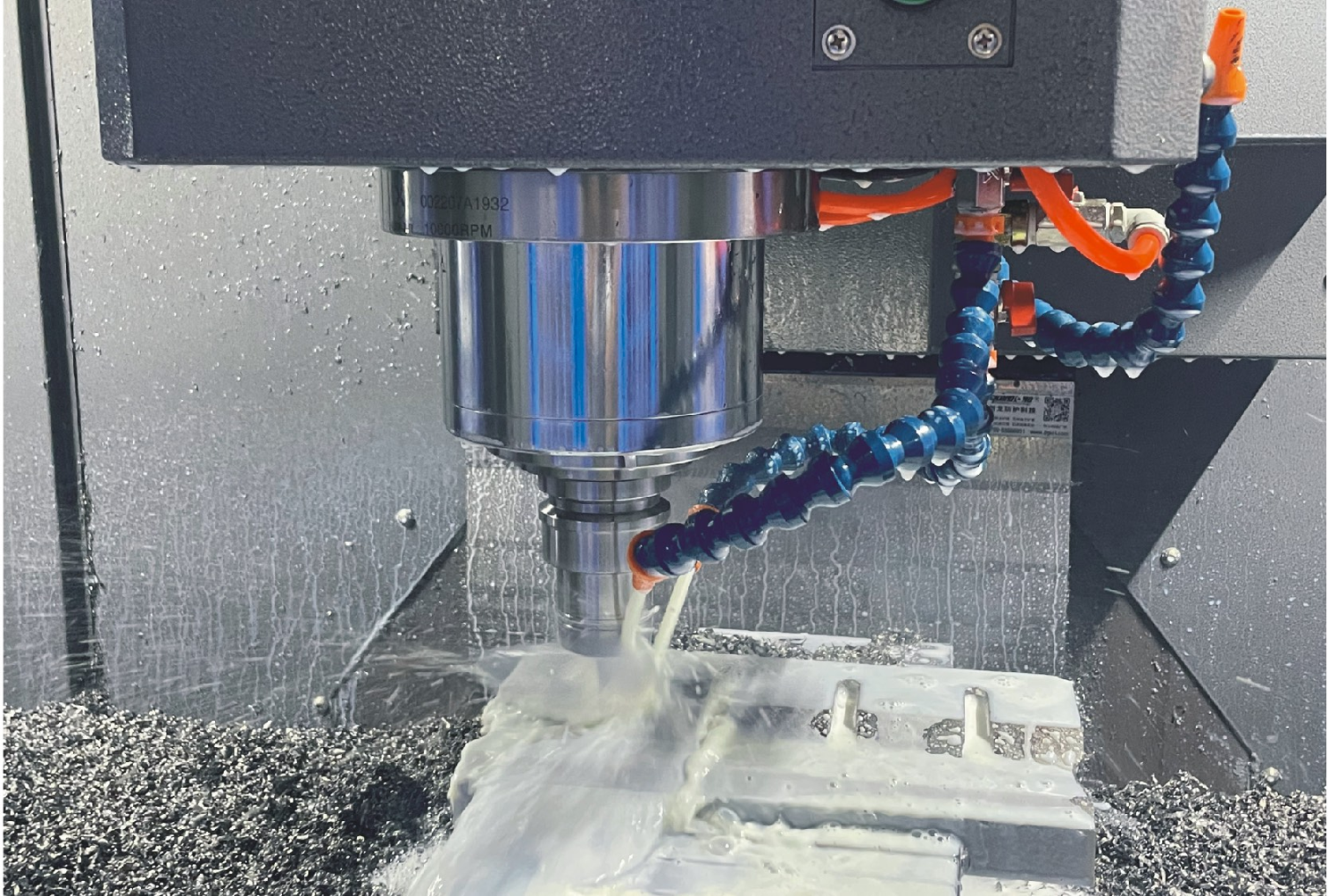
Huanqiang Machinery manages the entire production cycle in-house, from raw materials and CNC processing to final assembly. We operate our own parts processing center to manufacture critical mechanical components and tooling. This deep vertical integration gives us complete control over tolerances, machinery lifespan, and component traceability.
We treat our clients as long-term partners. We understand that your operational success directly drives our growth, which is why we emphasize transparent engineering, competitive pricing, and active technical support.
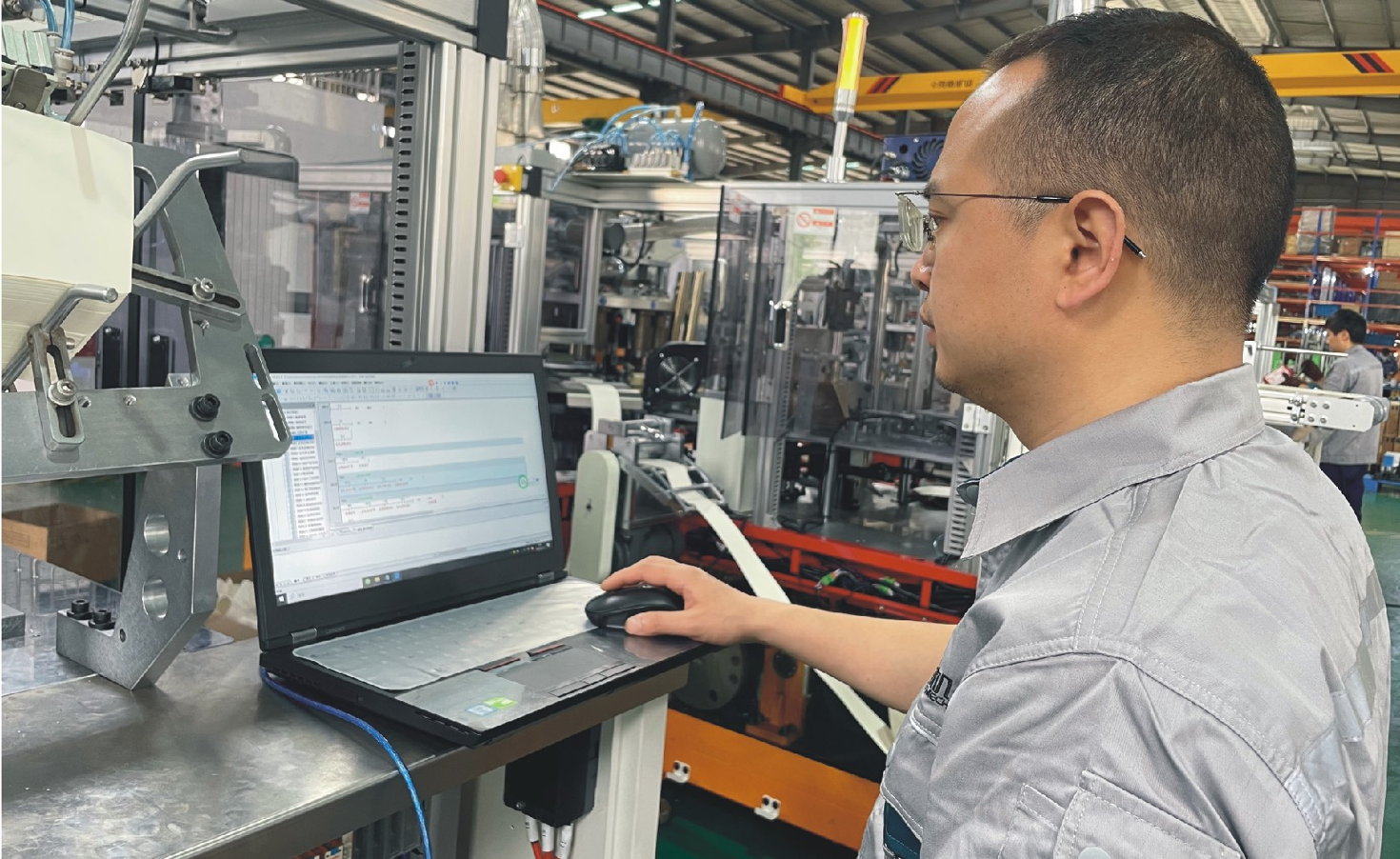
Led by senior engineers, our independent R&D center handles all equipment designs. We have pioneered modular systems, multi-axis servo control, and integrated online testing. Machine software can be updated remotely, simplifying long-term maintenance.
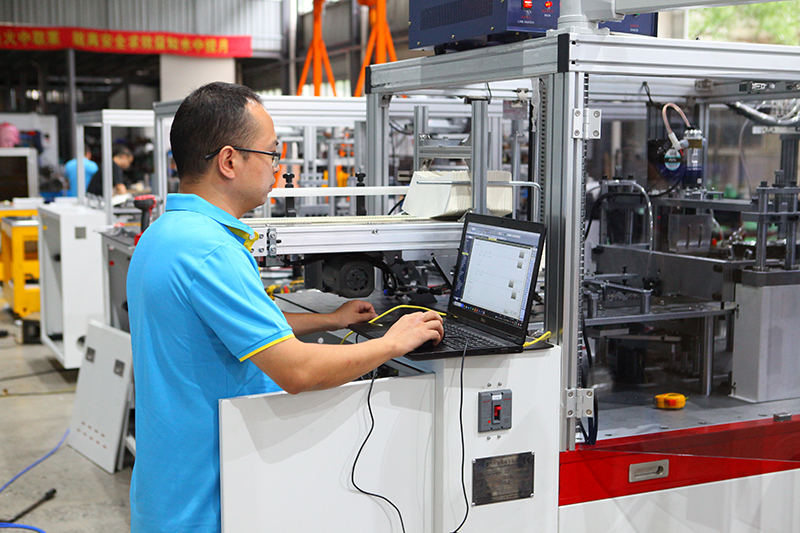
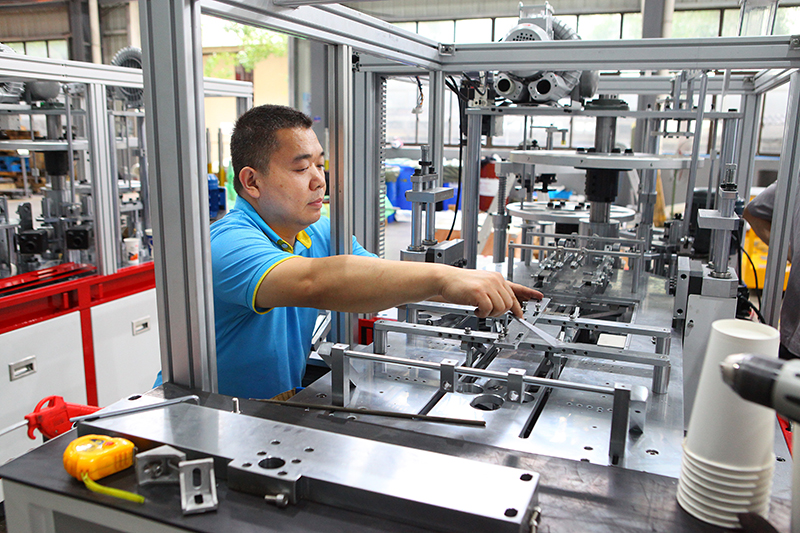
Under our strict "HQ Standards," over 200 inspection checkpoints are tracked throughout production. Utilizing high-end machining centers and testing platforms, our machinery is pre-tested before shipping to ensure zero run-in delay upon arrival.
We combine digital remote support with on-site dispatch capabilities. Our online diagnostic systems resolve 90% of configuration and calibration inquiries immediately, minimizing downtime for remote markets like New Zealand.
A look inside our manufacturing processes, strict quality control procedures, and high-precision CNC tooling centers.
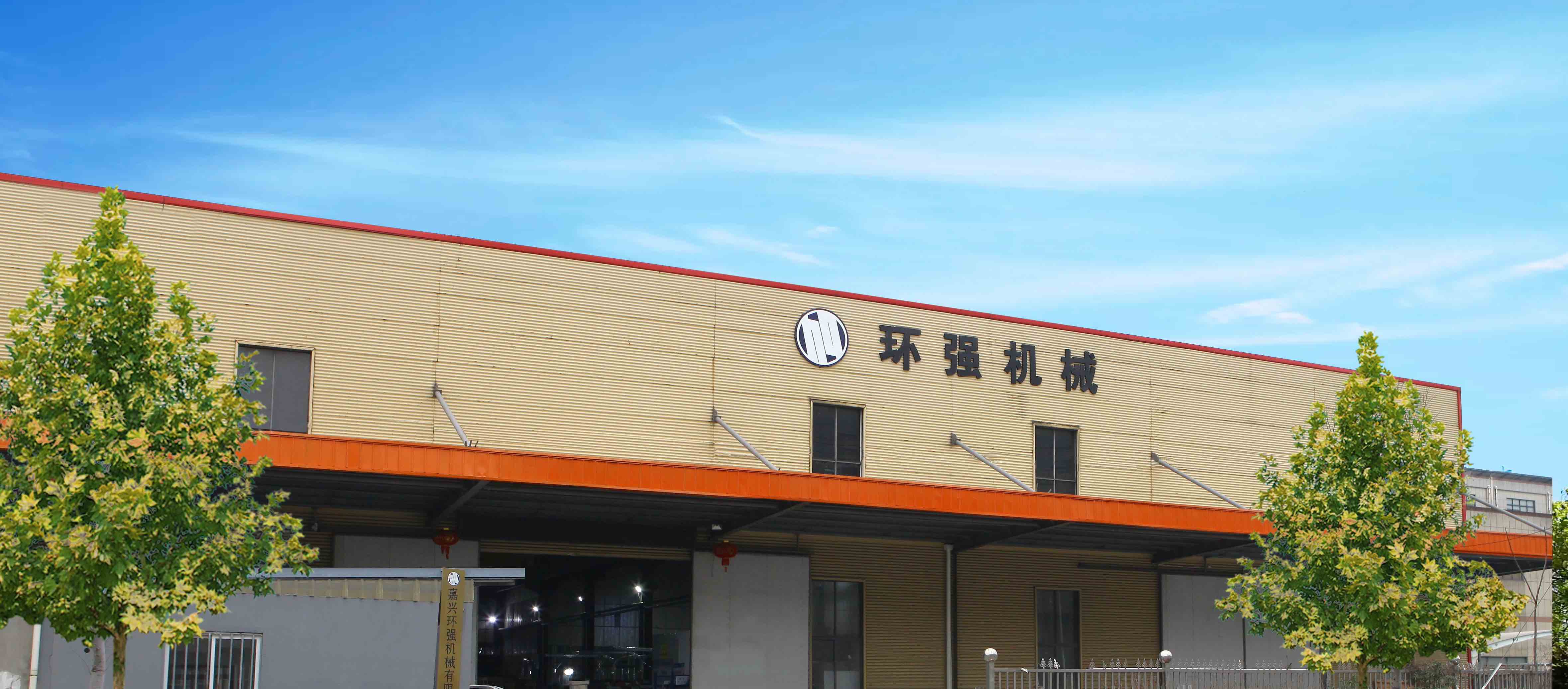
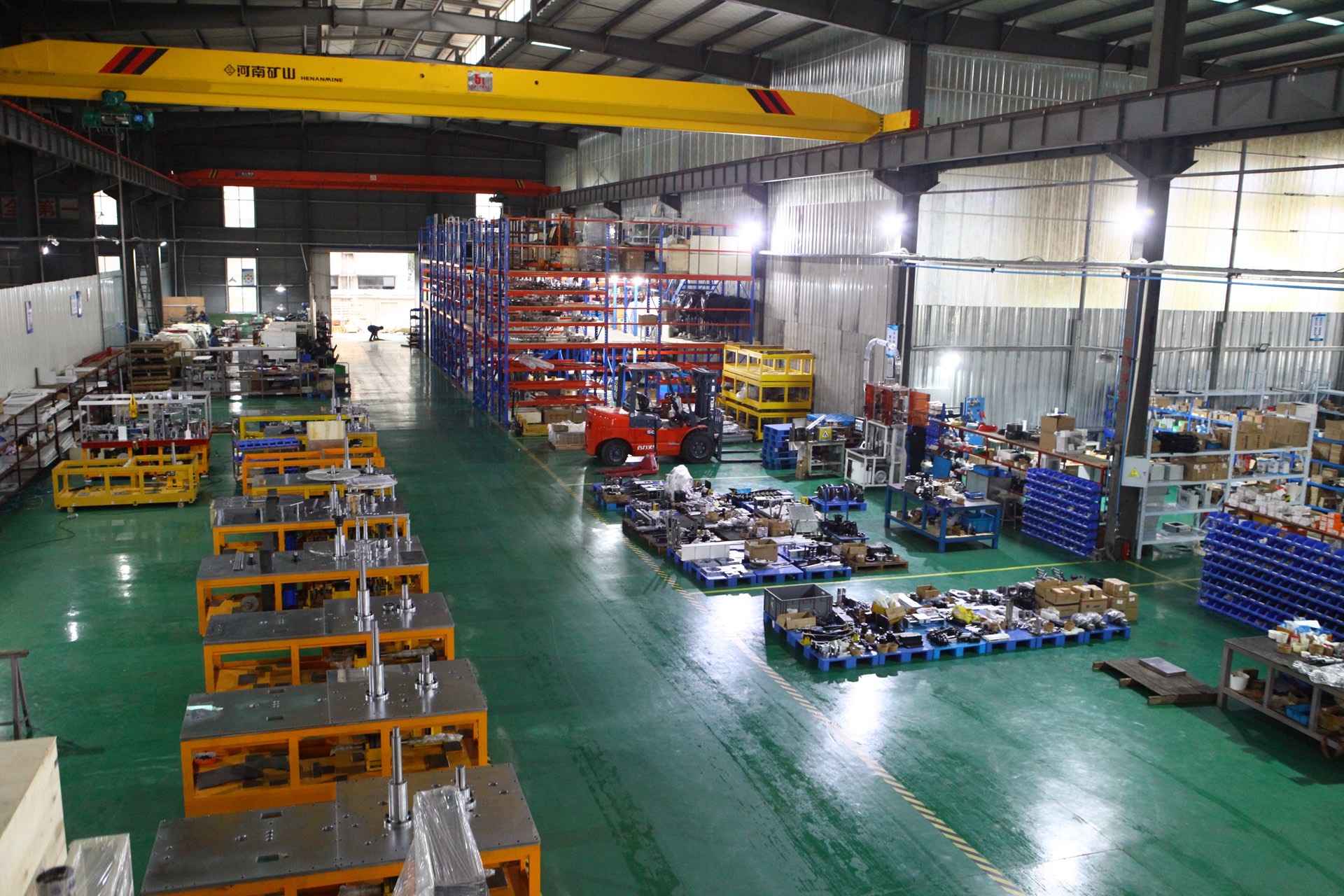
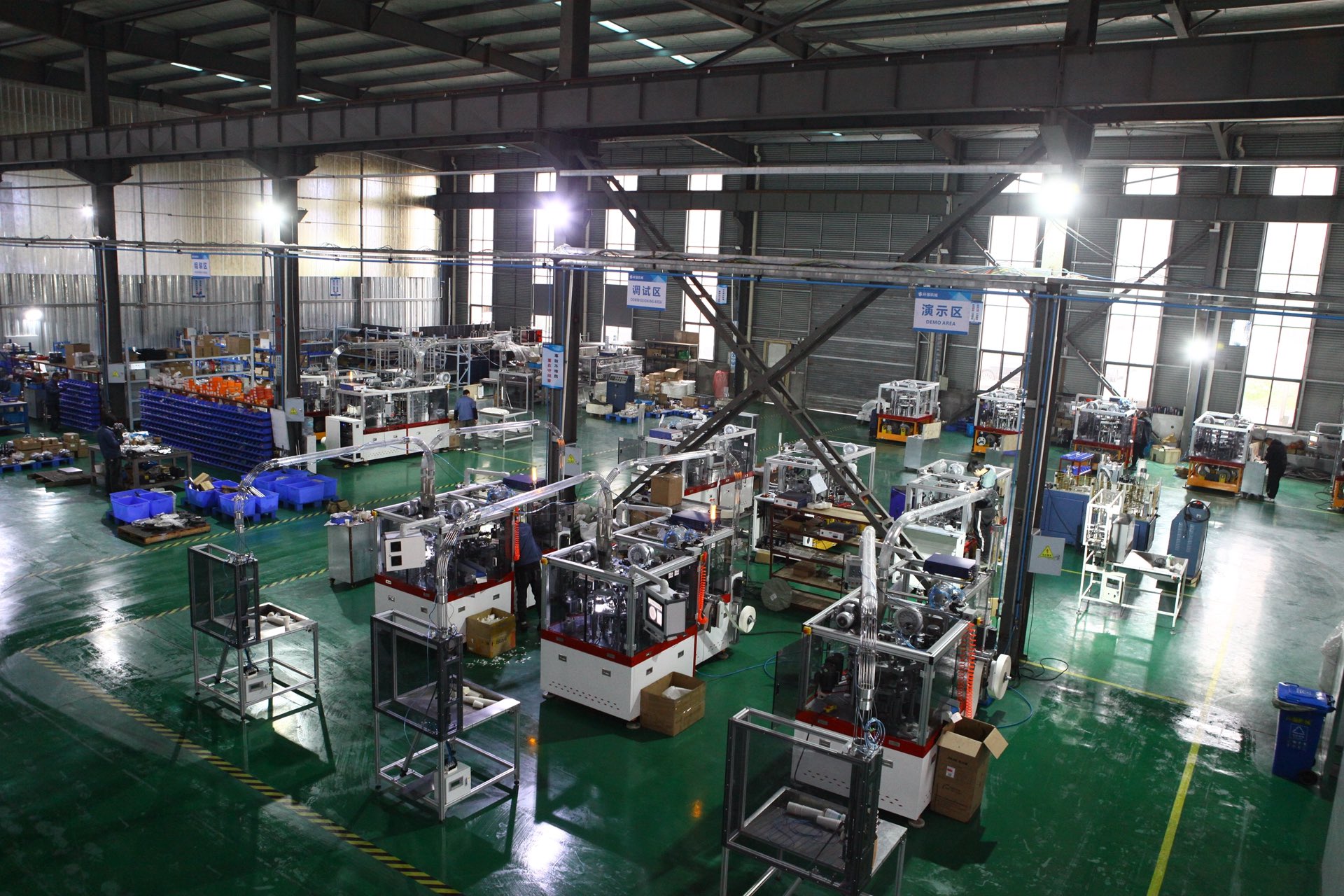
At Huanqiang Machinery, our culture is defined by quality, innovation, and reliability. We value precision and details in our daily operations, ensuring that all components fit perfectly and perform reliably under continuous operation.
We work closely with customers to develop custom packaging shapes, from initial brainstorms and structural CAD designs through sample production to final system delivery. Our engineering team is focused on helping you scale production and introduce new products to your market.
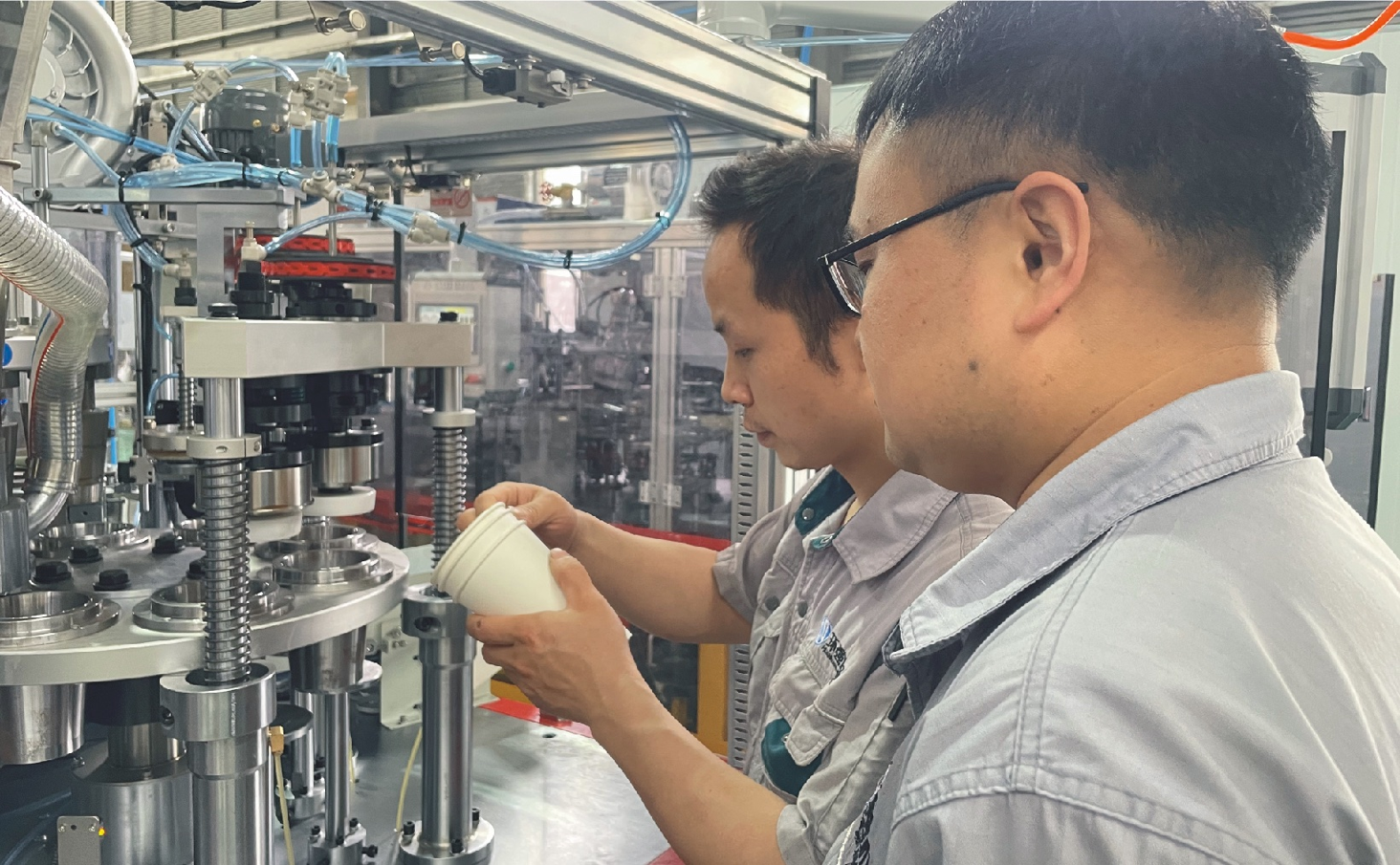
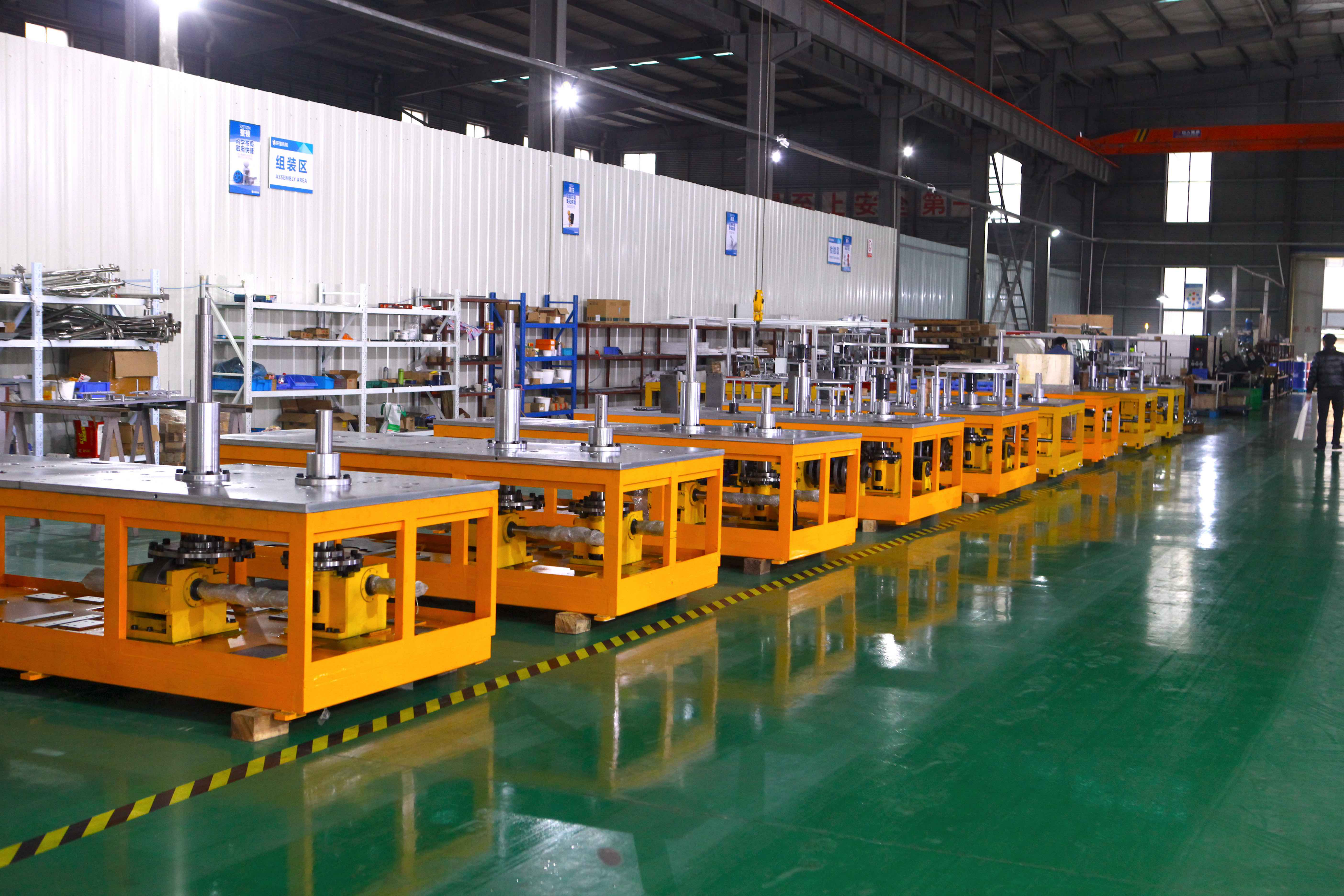
For New Zealand manufacturers, geographic isolation can make logistics a concern. HQ Machinery resolves this with a robust supply chain and optimized ocean shipping routes. We maintain long-term partnerships with major shipping lines to secure reliable space and container availability, routing shipments directly to main New Zealand ports, including Auckland, Tauranga, Lyttelton, and Port Chalmers.
Because all machining, component construction, and software configuration are completed in-house, we are insulated from external sub-assembly delays. We maintain a large inventory of standard electrical components, PLC modules, and sensor kits, allowing us to package and ship replacement parts quickly. In addition, our machinery features modular mechanical and electrical systems, making it straightforward for local plant technicians to swap pre-calibrated assemblies and maintain production uptime.
Explore our complete range of forming equipment, from standard paper cups to specialized tall containers and double-wall insulated sleeves.
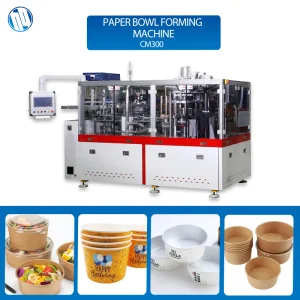
CE-certified high-speed forming for soup bowls, salad bowls, and large food service tubs.
Learn More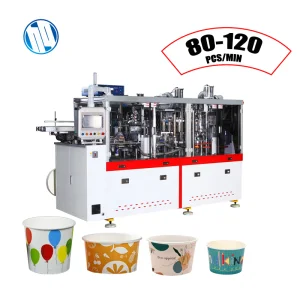
A stable, medium-capacity bowl forming system designed for continuous manufacturing environments.
Learn More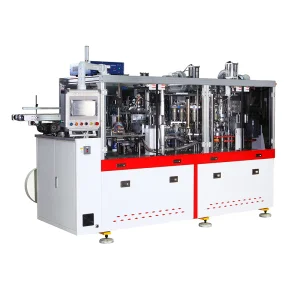
Our flagship high-speed cup former, featuring a stable mechanical drive and optimized heaters.
Learn More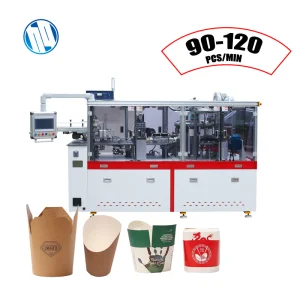
Engineered for quick-service restaurants, forming deep, leak-proof paper takeaway boxes.
Learn More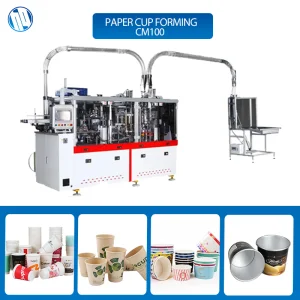
A versatile, easy-to-operate machine designed for small to medium production runs of hot/cold beverage cups.
Learn More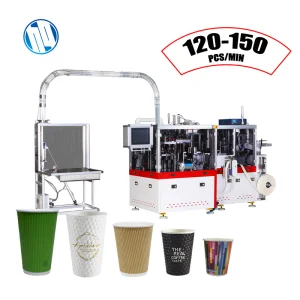
Applies textured, insulated ripple layers to cups, providing heat protection for coffee consumers.
Learn More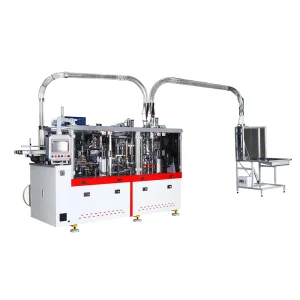
Combines thin plastic liners with rigid paper sleeves, reducing plastic use for dairy cups.
Learn More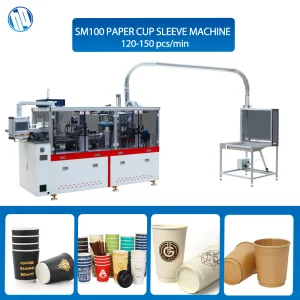
High-speed system that wraps and glues outer insulating sleeves onto pre-formed cups.
Learn MoreDirect answers regarding installation, certification, and shipping for New Zealand packaging manufacturers.
Yes. Our multi-camera inspection system is designed to detect defects on all types of barriers, including PLA, PE, and new aqueous dispersion coatings. The vision software allows operators to calibrate detection sensitivity to account for the unique reflectance and texture of bio-based materials, ensuring reliable sorting without false rejects.
Absolutely. All machinery shipped to New Zealand is built with CE certification and uses internationally recognized electrical components (such as Schneider, Siemens, or Omron). We ensure the wiring and safety isolation configurations comply with local plant requirements in New Zealand.
Standard machines have a lead time of 30 to 45 days. Customized tooling for unique shapes takes approximately 45 to 60 days. Shipments are typically routed from Ningbo or Shanghai ports directly to Auckland, Tauranga, or Lyttelton. Total transit times range between 18 and 25 days depending on the selected shipping line.
We provide full installation support. Initially, our engineering team sets up a remote connection to assist with initial commissioning and test runs. For on-site setup, we can dispatch technicians to your facility in Auckland, Christchurch, or elsewhere in New Zealand to manage physical installation, calibrate the vision sensors, and train your operators.
The lenses are housed in sealed, positive-pressure enclosures to prevent paper dust accumulation. We recommend cleaning the optical glass weekly with microfiber wipes. The software calibration is automated, allowing operators to run quick self-tests at the start of each production shift.
 Huan Qiang